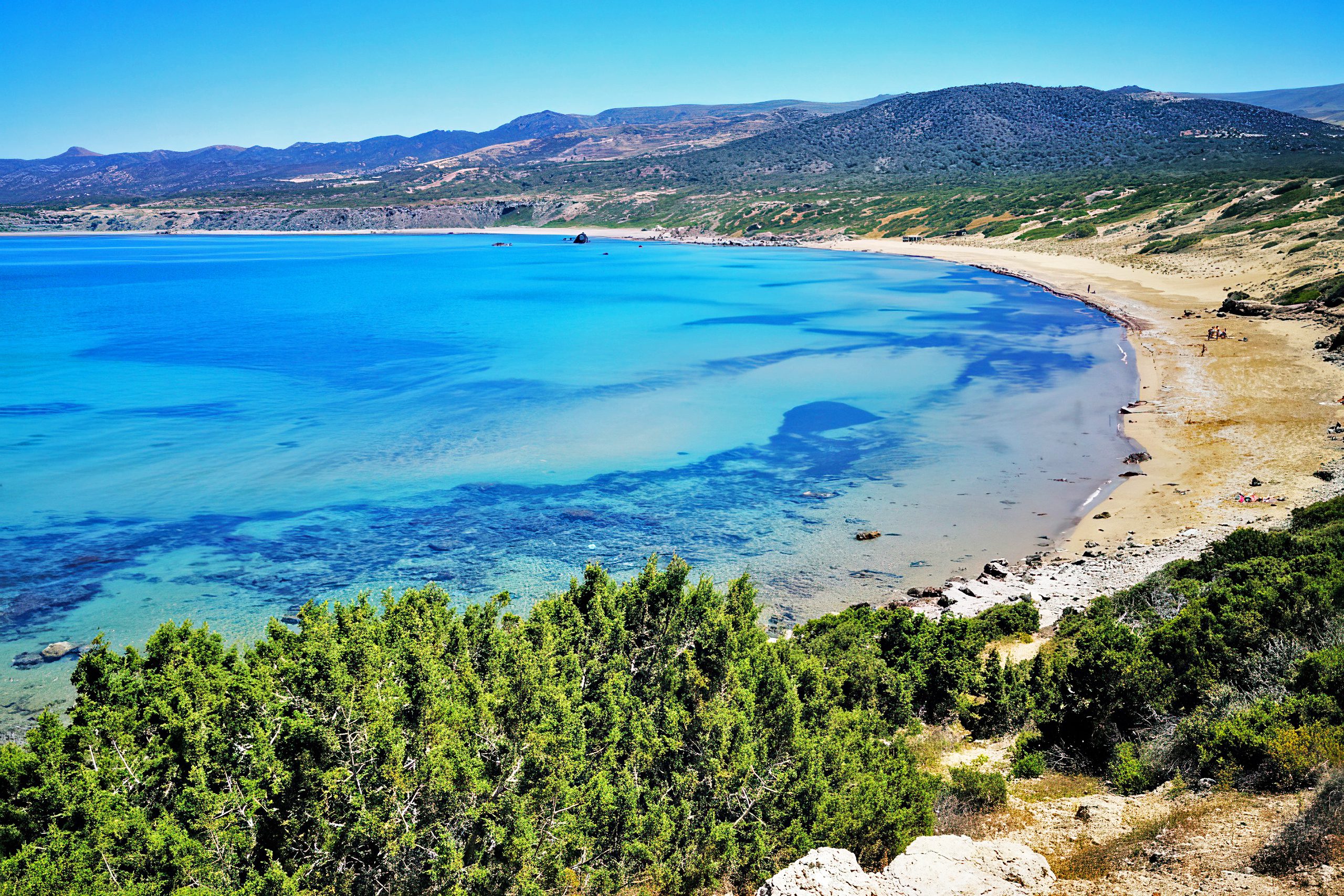
Lara Beach sits on the Akamas Peninsula in western Cyprus, roughly 27 kilometers northwest of Paphos. This stretch of golden sand is one of the Mediterranean’s most important nesting sites for two endangered sea turtle species. Unlike the developed beaches that line most of Cyprus’s coast, Lara remains untouched by commercial tourism. There are no sunbeds, no restaurants, and no permanent structures beyond a small conservation hut. The beach exists primarily for the turtles, with human visitors welcomed as guests rather than customers.
Cyprus’s First Turtle Conservation Station
The protection of Lara Beach began in 1971 when the area was officially designated as a protected zone. In 1978, the Cyprus Fisheries Department launched a formal conservation project that included establishing a seasonal station and hatchery at Lara. This became the first turtle conservation project in the entire Mediterranean region.
The initiative received support from the World Wildlife Fund between 1980 and 1983, followed by European Union assistance through the MedSPA Project in 1990. Today, government-funded conservationists maintain year-round monitoring of the nesting areas, though their presence intensifies during the breeding season.
Green turtles and loggerhead turtles have nested on this beach for centuries. Both species are classified as endangered in the Mediterranean Sea by international conservation authorities. The green turtle population in the Mediterranean is critically endangered, making every nesting site crucial for species survival. Loggerhead turtles face better odds globally, but Mediterranean populations remain vulnerable.
Cyprus and Turkey host the majority of nesting activity for both species in the eastern Mediterranean basin, with estimates suggesting 2,280 to 2,787 loggerhead turtles and 339 to 360 green turtles nest annually across monitored Mediterranean beaches.
Golden Sands and Clear Waters
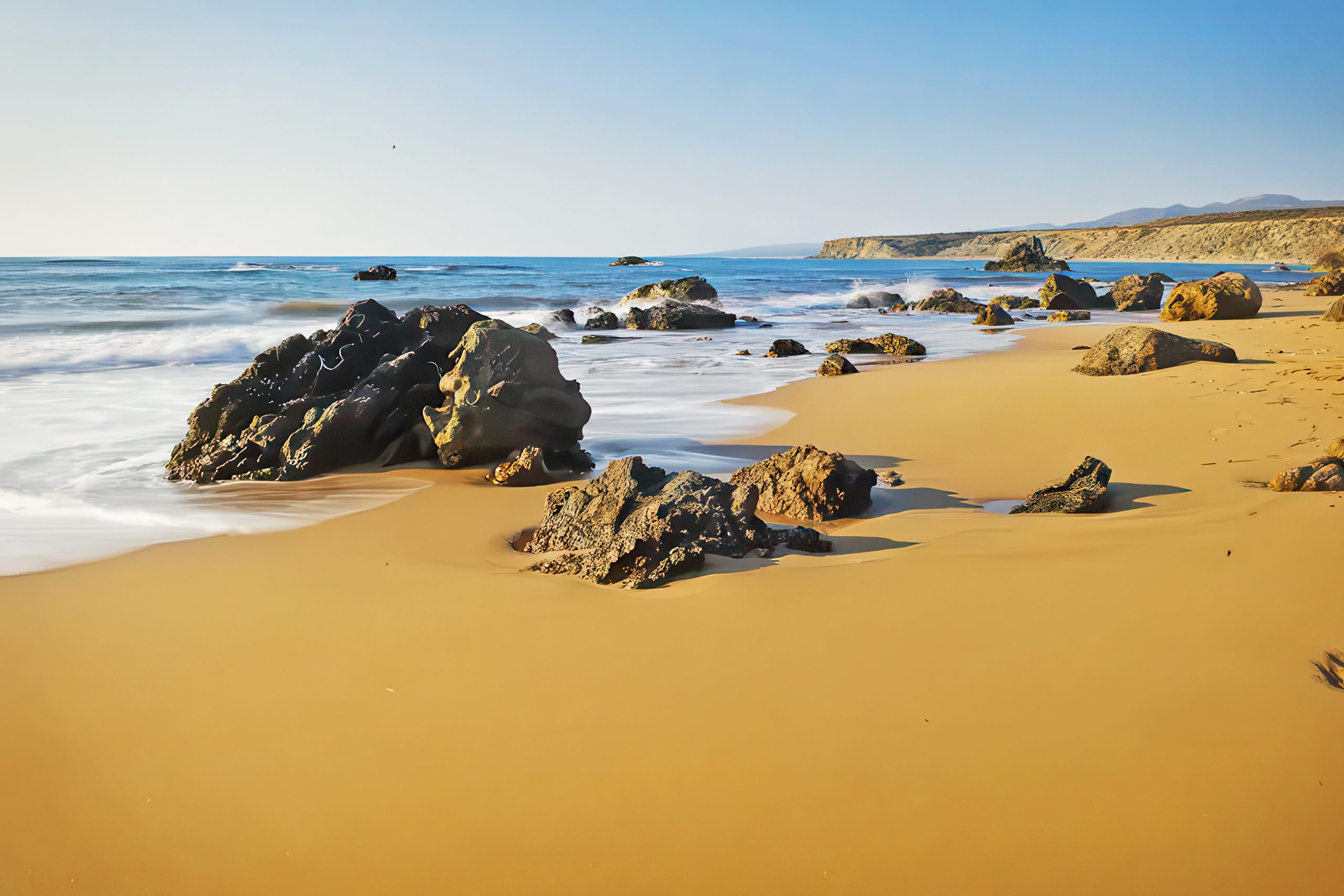
Lara Beach stretches along the rugged Akamas coastline in two main sections. The first cove contains more stones and pebbles near the waterline, while the second offers softer, sandier conditions underfoot. Both sections feature remarkably clear water that stays calm most of the year, ideal for swimming when you avoid the marked nesting zones. The beach faces northwest, backed by wild scrubland and dramatic cliffs that create natural shelter from development.
Access requires driving along an unpaved dirt track for approximately seven kilometers from Agios Georgios Peyias. The journey from Paphos takes about an hour, with the final nine kilometers consisting entirely of bumpy, uneven terrain. Most visitors recommend a four-wheel-drive vehicle, though travelers report success with standard rental cars when driven slowly and carefully. The rough road naturally limits visitor numbers, preserving the beach’s isolated character. During peak summer months, you might find 10 to 15 other people across the entire stretch of sand. In winter, the beach can be completely deserted.
Five Facts About Lara’s Turtles
- Female turtles return to the same beach where they hatched to lay their own eggs, sometimes traveling thousands of miles across the Mediterranean to reach Cyprus.
- The best time to witness hatchlings is in August when eggs start to emerge, though the nesting season runs from late May through mid-August for loggerheads and July through September for green turtles.
- Each female loggerhead lays 1.8 to 2.2 clutches per season, while green turtles lay 2.9 to 3.1 clutches. A single clutch can contain over 100 eggs.
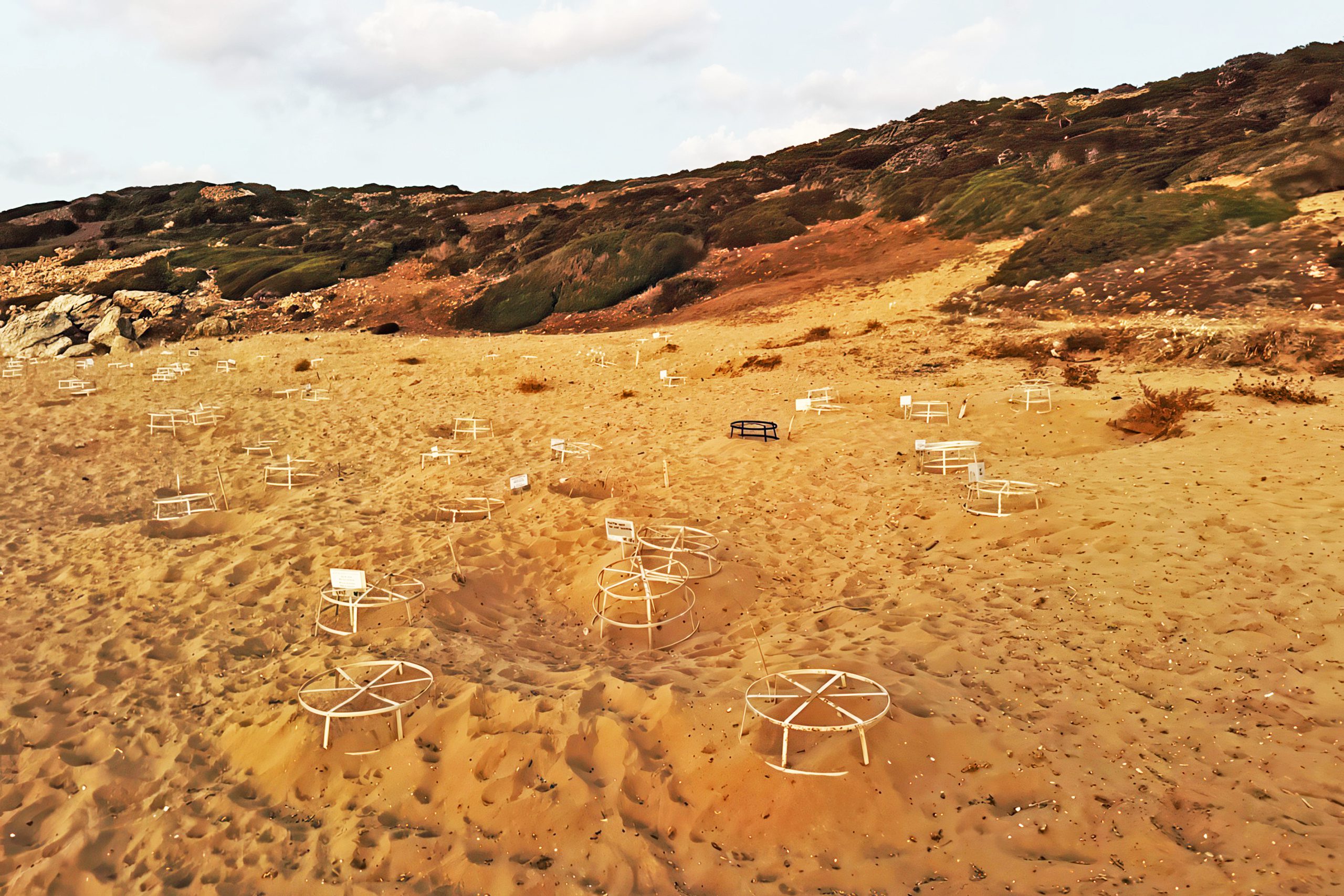
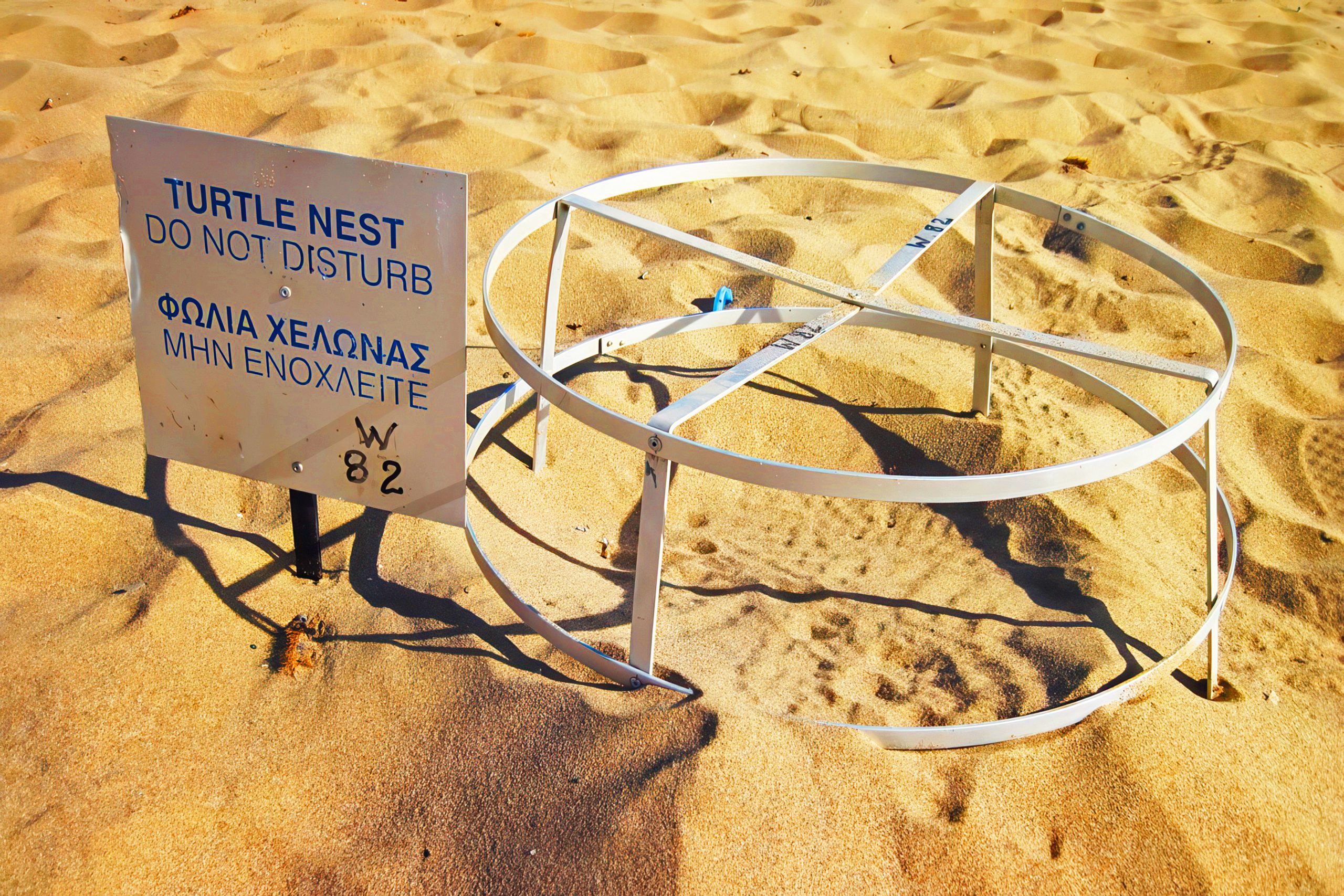
- Conservationists protect nests with aluminum cages and warning signs to prevent predation by foxes and other animals. The cages allow hatchlings to escape while keeping larger predators out.
- During nesting season, access to the beach is restricted from 7 PM to 7 AM to prevent disturbance. Turtle excluder devices in fishing nets and coastal lighting regulations throughout the region support conservation efforts beyond the beach itself.
Understanding the Nesting Process
The Lara Bay Turtle Conservation Station operates seasonally, staffed by forestry and fisheries department personnel who monitor nesting activity. Female turtles come ashore at night to dig nests above the high tide line. They use their rear flippers to excavate a chamber roughly 50 centimeters deep, deposit their eggs, then cover the nest before returning to the sea. The entire process takes several hours. Conservation staff mark each nest location and record data about clutch size, hatching success rates, and female turtle measurements.
Incubation lasts 45 to 70 days depending on sand temperature. Warmer sand produces more female hatchlings, while cooler temperatures yield more males. Recent research indicates Mediterranean loggerhead turtles may be starting to nest in cooler locations, which could help maintain better sex ratios as oceans warm.
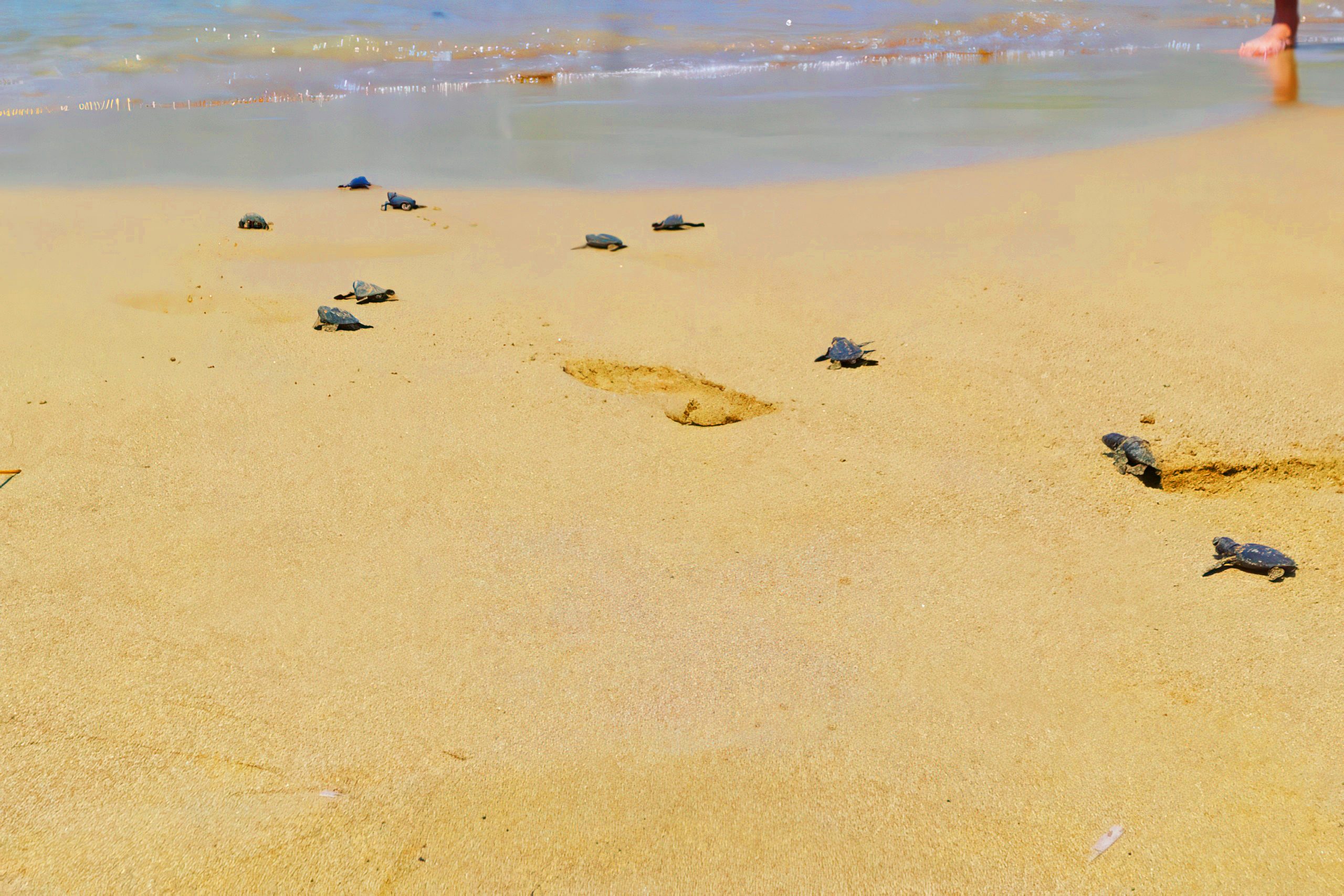
When ready to hatch, the tiny turtles use a temporary egg tooth to break their shells, then work together to dig upward through the sand. They typically emerge at night when temperatures are cooler and predators less active, then immediately head toward the brightest horizon, which naturally would be the moonlit sea.
Modern Conservation Challenges
Lara Beach faces increasing pressure from tourism despite its protected status. Conservationists report growing numbers of visitors who bring prohibited items like umbrellas, which can damage nests, or who ignore marked nesting areas. Dogs, loud music, and littering all threaten turtle populations. Light pollution from boats and nearby developments can disorient hatchlings, causing them to crawl inland rather than toward the sea. Plastic pollution in the Mediterranean poses another significant threat, as turtles often mistake floating debris for jellyfish, their primary food source.
The beach falls within the Natura 2000 network, Europe’s system of protected conservation areas. This designation brings both resources and restrictions. No permanent commercial development is permitted, and during nesting season, even vehicle access becomes limited. The Akamas Peninsula contains 39 of Cyprus’s 128 endemic plant species, along with populations of fruit bats, foxes, griffon vultures, and endangered Mediterranean monk seals in nearby sea caves. Conservation efforts benefit the entire ecosystem, not just the turtles.
Visiting Lara Beach Today
The journey to Lara Beach requires preparation. There are no facilities, so visitors must bring water, food, sun protection, and any shade equipment they need. The one exception is Lara Restaurant, located at an adjacent bay, which serves food and drinks with views over the coastline. The restaurant has helped stranded visitors in the past, including providing emergency fuel for those who underestimated the remote location.
Swimming is permitted in designated areas away from nesting zones. The water stays crystal clear year-round, though it can be quite deep close to shore. Summer temperatures make the sand extremely hot, so footwear is essential. The beach offers no shade beyond what you bring yourself. Best visiting times are late spring and early autumn when temperatures moderate and turtle activity remains observable. Those hoping to see nesting behavior should visit during May through August, while hatchling emergence peaks in August and September.
Visitors can also explore the surrounding Akamas Peninsula through hiking trails that connect to Avakas Gorge, a dramatic limestone canyon carved by seasonal rivers. The peninsula’s trails offer panoramic coastal views and opportunities to observe diverse plant life, including endemic species found nowhere else. Boat trips from Paphos or Latchi provide alternative access, stopping at Lara Bay as part of broader coastal tours that include the Blue Lagoon and sea caves.
Why Lara Beach Matters for Cyprus
Lara Beach represents Cyprus’s commitment to balancing tourism development with environmental conservation. While most of the island’s coastline has been developed for beach resorts and holiday apartments, Lara remains deliberately wild. This choice reflects recognition that some natural resources hold greater value when preserved than when exploited. The beach serves as an educational resource where Cypriots and visitors alike can witness conservation in action and understand the fragility of marine ecosystems.
The success of Lara’s turtle conservation program demonstrates that protective measures work when properly implemented and funded. Sea turtle populations worldwide show recovery trends, with significant population increases three times more common than declines in recent decades, largely due to nest protection and habitat conservation efforts like those at Lara. Cyprus’s role in Mediterranean turtle conservation extends beyond its own waters, as turtles that nest here migrate throughout the eastern Mediterranean, making their survival relevant to multiple nations.