Kition, located beneath modern Larnaca on Cyprus’s southeastern coast, served as a major Bronze Age settlement before the Phoenicians arrived. The site contains five successive temples dated from the late 13th to the late 11th century BC, built during the Late Bronze Age when Mycenaean Achaeans inhabited the city.
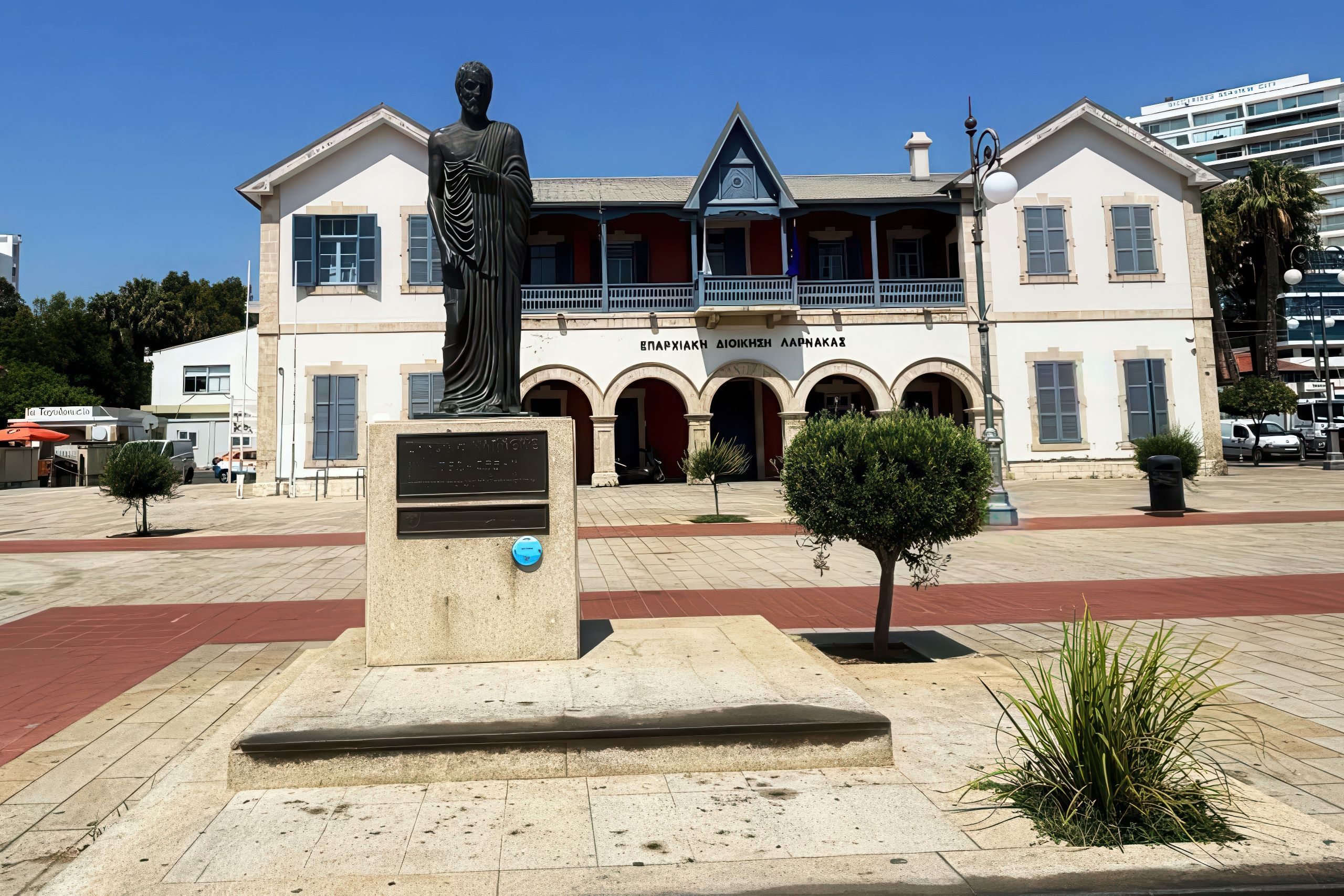
These early temples were connected to copper smelting workshops, revealing an unusual integration of industrial and religious activities. The copper industry was central to Cyprus’s prosperity, and scholars believe this placement suggests either worship of a deity related to copper production or a ritual significance attached to metallurgy itself.
Around 1000 BC, the religious part of the city was abandoned, though life continued in other areas. This abandonment created a gap in the archaeological record until the Phoenicians revitalized the site two centuries later.
Historical Background
The Phoenicians arrived at Kition near the end of the 9th century BC, first as traders and later as permanent settlers. Around 850 BC, they built a large temple dedicated to Astarte on the foundations of an earlier Mycenaean temple. This temple became the most important religious building in the city and stayed in use for more than five centuries.
The Temple of Astarte was a major architectural achievement. The rectangular building measured 35 by 22 meters, with walls made of large ashlar blocks, some up to 3.5 meters wide and 1.5 meters high. Inside, two rows of six columns each held up the roof. At the western end, the most sacred chamber, the adyton, stood. A large courtyard with two entrances lay in front of the temple, surrounded by porticos supported by wooden columns on stone bases.
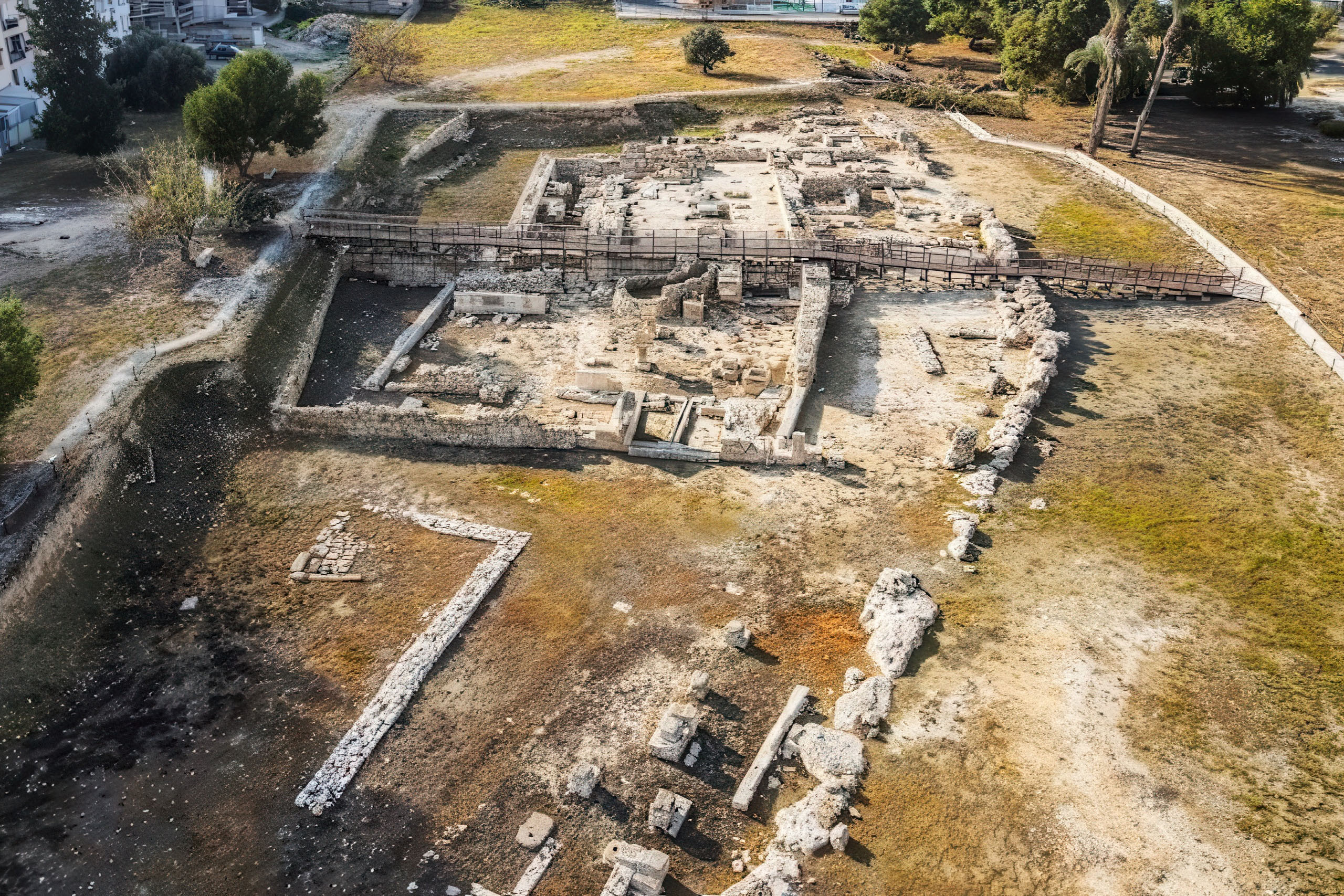
Archaeologists have identified four successive floors in the temple, showing how it was renovated multiple times. These changes reflect the temple’s lasting importance to the city’s religious and civic life.
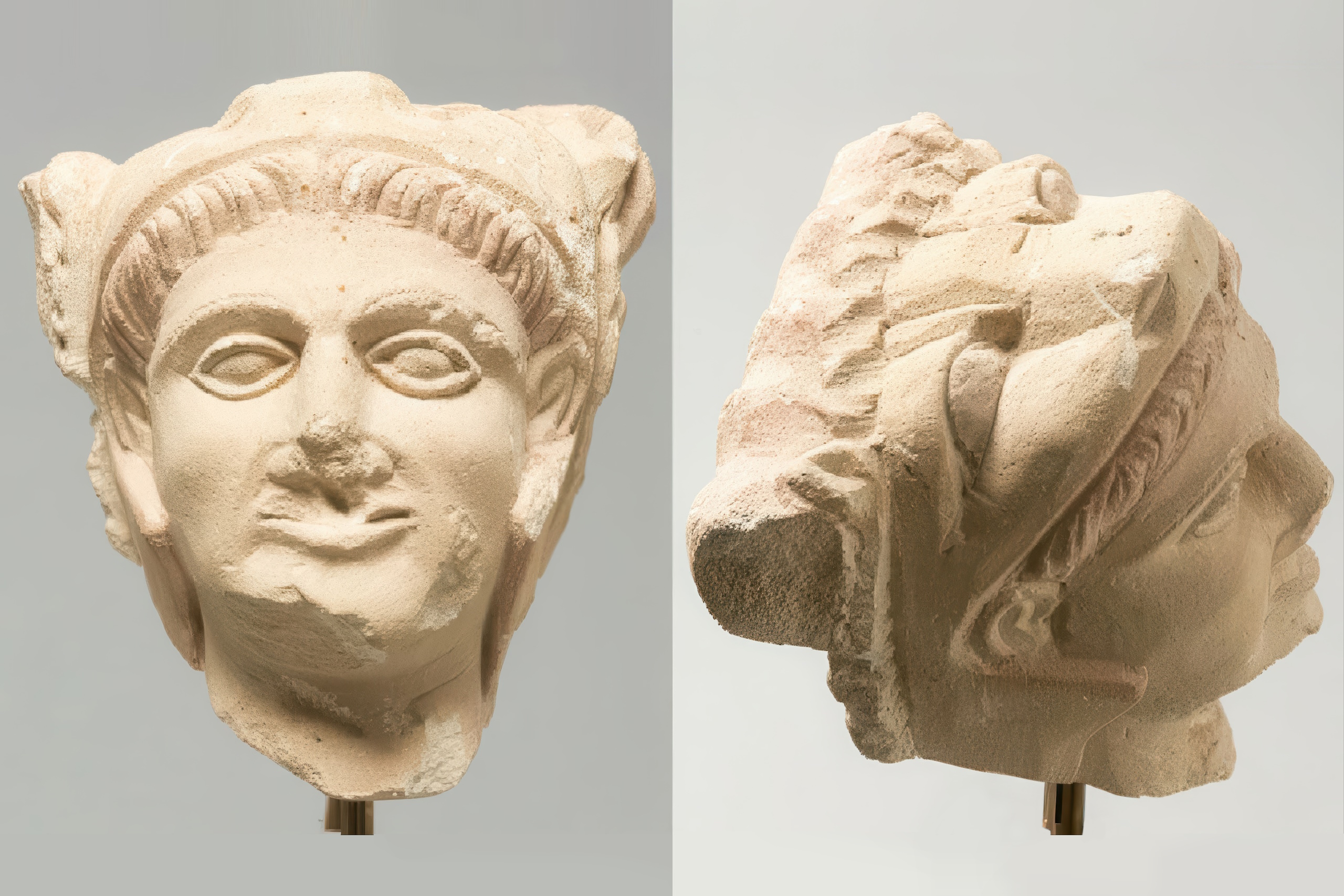
Astarte, the Phoenician fertility goddess, had special meaning for Kition’s maritime culture. The Phoenicians connected her with the Cypriot Great Goddess and later with Greek Aphrodite, creating a mixed religious tradition. Alongside Astarte, the city worshipped Melqart, Kition’s patron god and the Phoenician version of Heracles. Votive sculptures show figures dressed in lion skins carrying clubs, representing this local form of Heracles-Melqart.
The Temple Complex and Religious Life
During the Archaic and Classical periods, Kition’s religious area grew much larger. The temple complex included many rooms, open courts with covered walkways (stoas) and small shrines, hearths for offerings, and copper smelting workshops. This continued link between sacred space and copper production kept a tradition that started in the Bronze Age.
Kition worshipped many gods, showing its cosmopolitan character. In addition to Astarte and Melqart, the Phoenicians honored Esmun, who was similar to the Greek god Asclepius. Egyptian influence appeared in the worship of Hathor, Bes, and Horus. Inscriptions also mention temples to Zeus-Keraunios, Asklepios and Hygeia, Esmun-Adonis, and Baal Senator. One temple to Esmun Melqart was located near the Salt Lake.
In the 5th century BC, Kition saw major changes. During the Cypro-Classic I period, the sacred areas were completely reorganized and made more monumental. This big public works program also included draining the marshes in the Bamboula area, building a sanitation system, and constructing two harbors: one for trade and one for military use.
Political Context and Phoenician Rule
Kition’s temple complex existed within a complex political landscape. The city came under various external influences throughout its history – Assyrian, Egyptian, and Persian – yet maintained substantial autonomy. In 479 BC, a Phoenician dynasty was established which ruled Kition until 312 BC. This dynasty faced only one brief interruption in 388–387 BC when King Demonikos was installed during a period when King Euagoras I of Salamis, with Athenian support, liberated most of Cyprus.
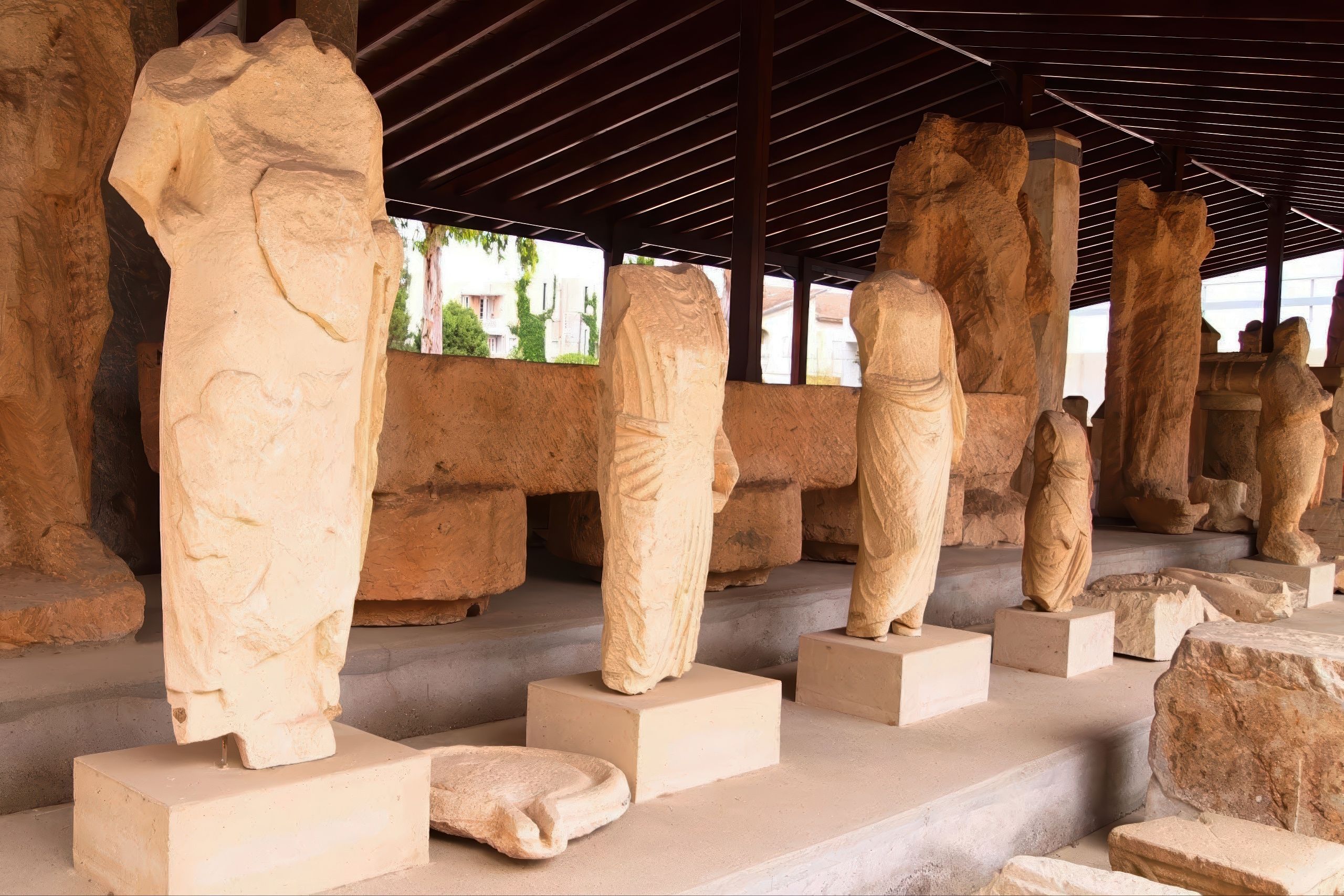
The Phoenician kings of Kition expanded aggressively during the 5th and 4th centuries BC, conquering the copper-rich territories of Idalion and Tamassos. This territorial expansion gave Kition direct control over major mining districts, fueling the city’s wealth and supporting its ambitious construction projects.
Life After the Temples
Despite losing its temples and political independence, Kition maintained some commercial significance. A community of Kitian merchants had established themselves in Athens, and in 333/332 BC they received permission from Athenian authorities to build a temple for Aphrodite (Astarte) in Piraeus. This community kept their religious traditions alive abroad even as the homeland temples burned.
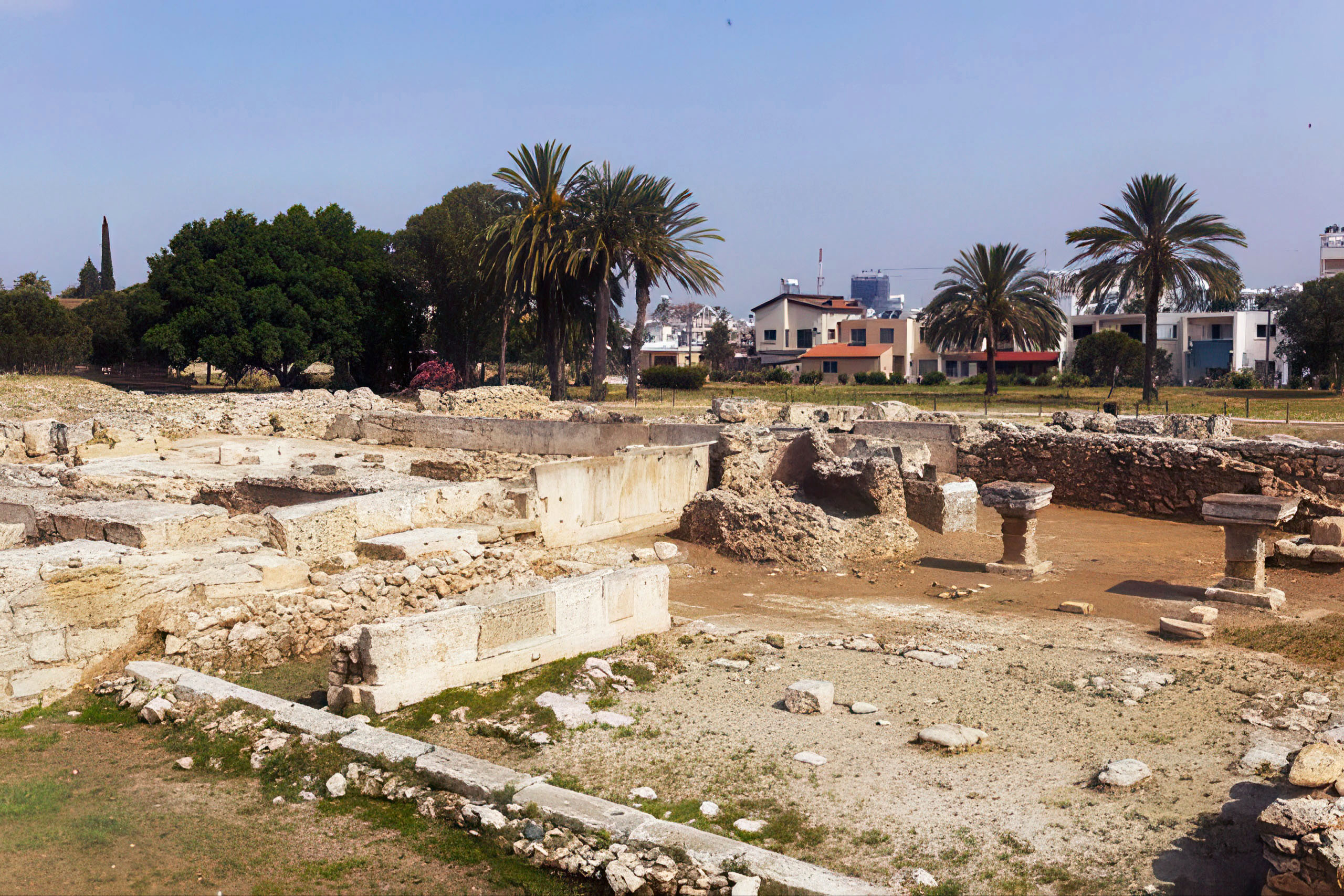
The transformation also brought demographic changes. The population became more ethnically diverse, incorporating Greek settlers alongside remaining Phoenician inhabitants. The traditional Phoenician elites declined, and economic activities shifted from the naval and military focus of the independent kingdom toward agriculture and domestic production. The former temple precincts, now converted to private use with wine and oil presses, symbolized this economic reorientation.
Cyprus was eventually annexed by Rome in 58 BC. Though earthquakes struck Kition in 76 and 77 AD, the city prospered under Roman rule. It later gained distinction as the city that welcomed Lazarus, who according to Christian tradition became its first bishop.
Archaeological Discovery
Systematic excavation of Kition began in 1929 with the Swedish Cyprus Archaeological Expedition. In 1959, the Department of Antiquities under Vassos Karageorghis began intensive excavation of the Kathari site, revealing the temple complex and its surrounding structures. After 1974, the French Expedition of the University of Lyon took responsibility for excavating the Bamboula site. These investigations uncovered the cyclopean walls, temple foundations, copper workshops, and countless artifacts that illuminate Kition’s history.
Among the significant discoveries was an Assyrian stele of King Sargon II, now in Berlin, with a plaster cast displayed in the Larnaca Museum. In 1987, excavators found a 5th-century BC harbor for warships with six recorded ship sheds, each 6 meters wide and 38 to 39 meters long, complete with shipways where triremes were stored under tiled roofs.
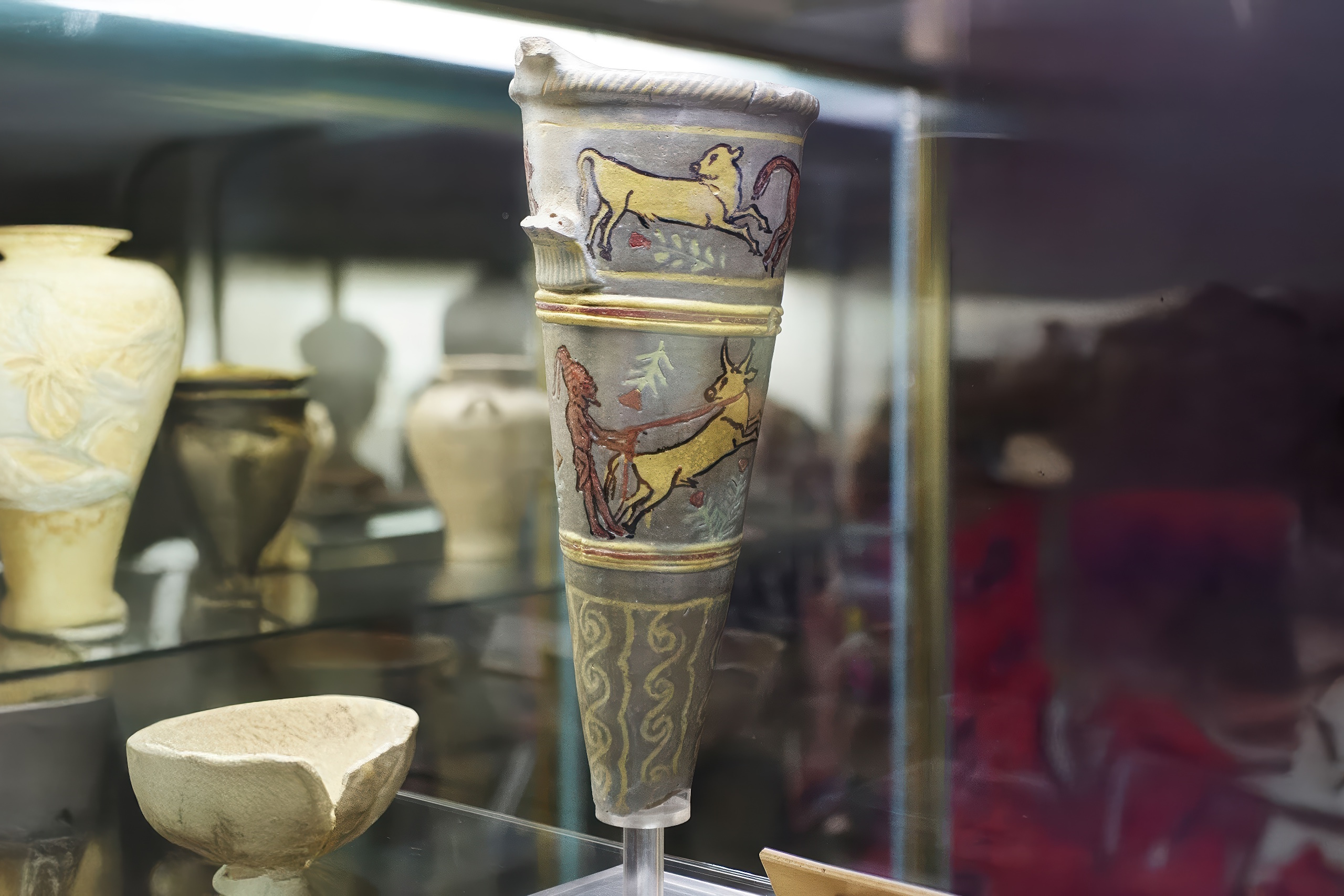
The archaeological areas of Kition consist of two main sites – Kathari and Bamboula – located within modern Larnaca. The relatively few Hellenistic and Roman artifacts found at the site underscore the dramatic break in religious continuity after 312 BC.
Visiting the Site Today
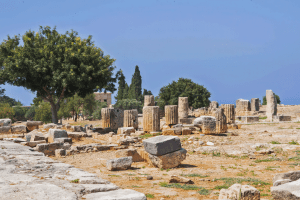
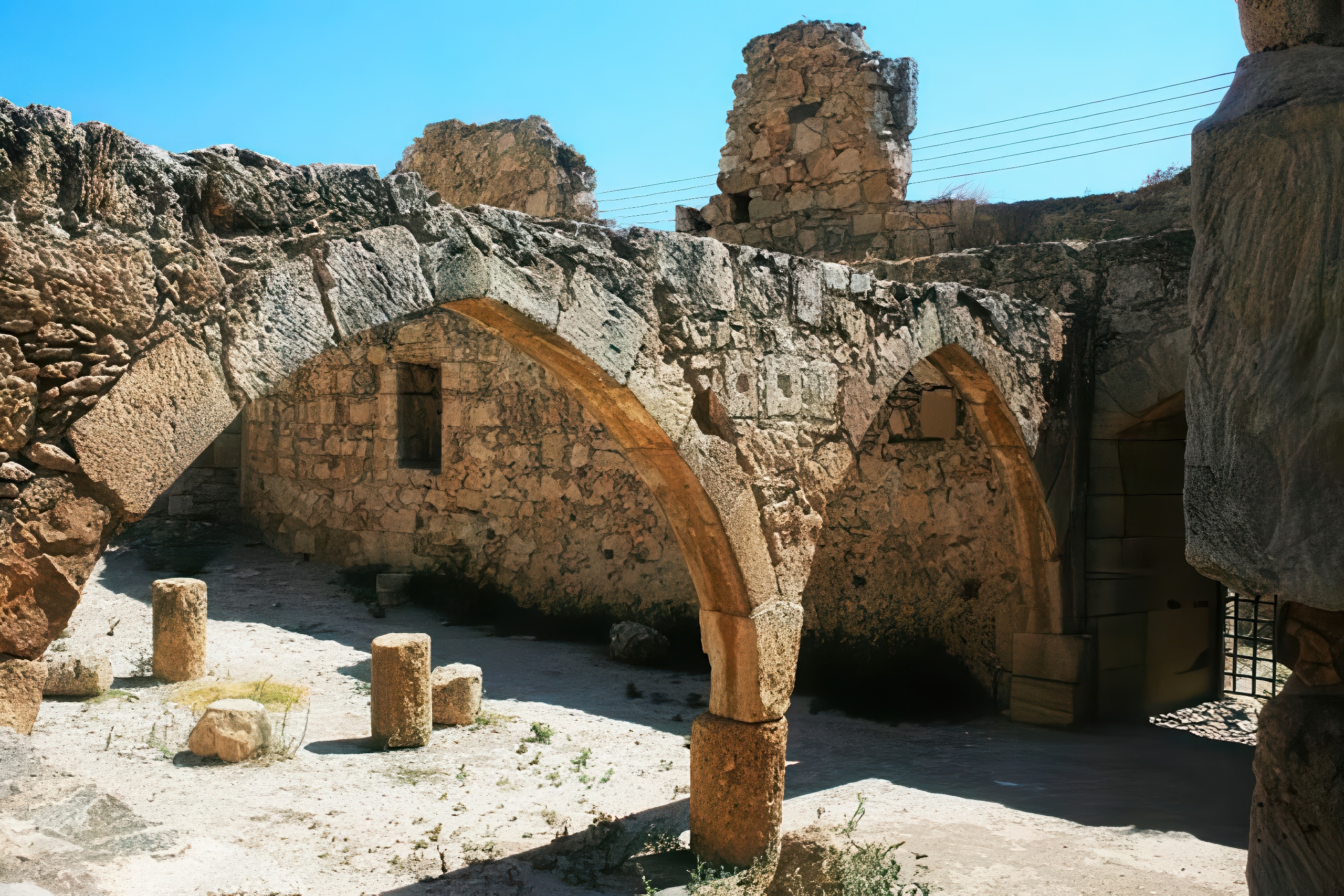
The Kition archaeological site lies within modern Larnaca, with remains visible at two locations. At the Kathari site, visitors can see the massive ashlar blocks of the Temple of Astarte’s foundations, the cyclopean walls that defended the Bronze Age city, and traces of the copper workshops that once operated alongside the temples. The scale of the stone blocks conveys something of the temple’s original grandeur, even as ruins.
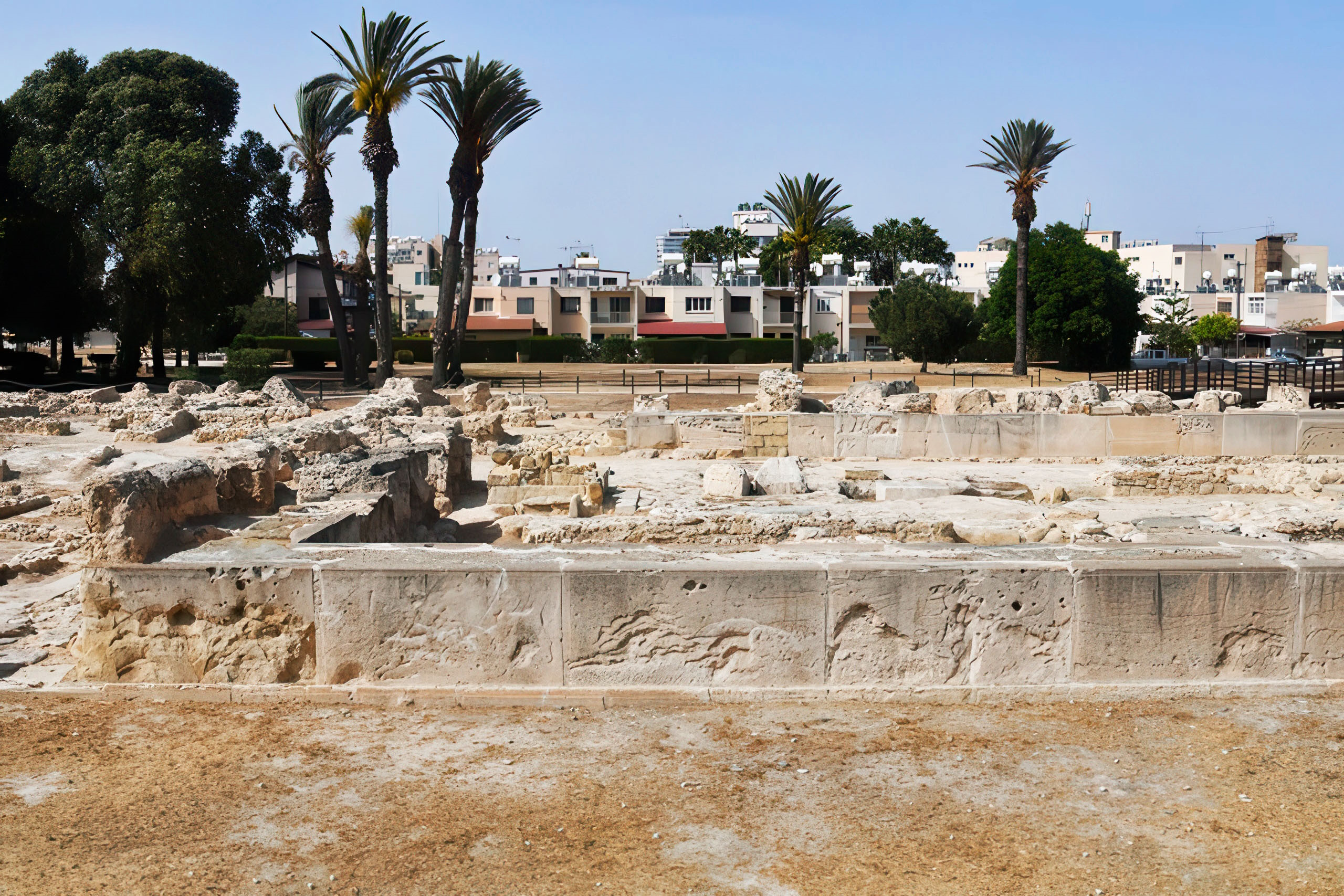
The Bamboula site preserves evidence of the harbor facilities and later periods of occupation. Together, these locations offer a tangible connection to a city that flourished for over two millennia, whose temples witnessed the rise and fall of civilizations.
The Significance of the Transition
The fate of Kition’s temples shows how religious buildings were closely tied to political power in the ancient world. Phoenician temples were not only places of worship but also symbols of independent rule and cultural identity. When they were destroyed, it marked the end of local kings and the start of foreign control.
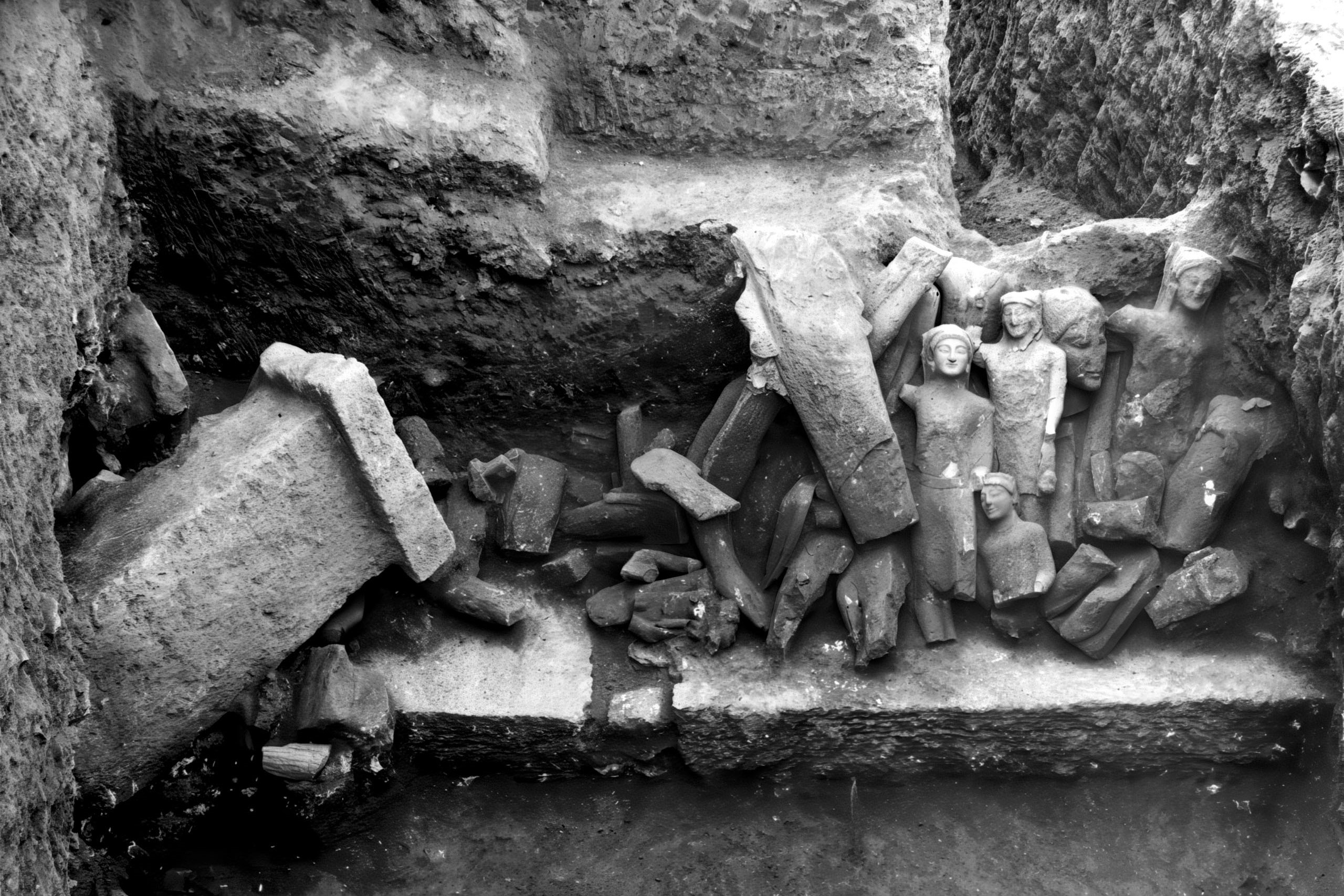
Some votive sculptures were buried before the temples were torn down, showing a level of respect and devotion even at the moment of destruction. At the same time, turning the temple grounds into houses and everyday spaces sent a clear message: the old order was gone.
This shift from Phoenician to Hellenistic rule changed all of Cyprus. The island’s many kingdoms, each with its own religious and political traditions, gave way to a unified Ptolemaic administration. Greek culture slowly replaced Phoenician ways, although some older traditions continued in new forms.