Cyprus enjoys approximately 340 sunny days annually, making it one of the sunniest locations in the Mediterranean. This exceptional weather creates a culture where outdoor activities dominate daily life year-round. The island experiences long, dry summers from mid-May to mid-October and mild winters from December to February.
Average annual temperature on the coast reaches around 26 degrees Celsius during the day and 17 degrees at night. The warm season lasts about eight months, beginning in April and ending in November. This climate allows residents and visitors to maintain active outdoor lifestyles regardless of season.
Why Cyprus Developed an Outdoor Culture
The island sits at the crossroads of Europe, Asia, and Africa. Its position attracted ancient civilizations including Phoenicians, Greeks, Romans, Byzantines, Venetians, Ottomans, and British. Each culture adapted to the Mediterranean climate by organizing life around weather patterns. People worked early mornings before heat intensified, took midday breaks during peak temperatures, then resumed activities in cooler late afternoons.
Ancient Greeks established the concept of symposia, outdoor gatherings for discussion and meals. Romans built open-air theaters and baths to take advantage of pleasant weather. Byzantine churches incorporated courtyards for outdoor worship. These historical patterns created traditions that continue today. The climate essentially forced outdoor living, and over centuries this necessity became cultural preference.
The British colonial period from 1878 to 1960 introduced formal work schedules but Cypriots maintained Mediterranean customs of outdoor socializing. After independence in 1960 and EU membership in 2004, modernization brought air conditioning and indoor amenities. However, the preference for outdoor activities persisted. Cyprus developed infrastructure supporting outdoor lifestyles including extensive coastal promenades, mountain trails, outdoor restaurants, and beach facilities.
How Weather Patterns Affect Daily Activities
Summer temperatures from June through August range from 30 to 40 degrees Celsius. July and August see average coastal temperatures around 37 degrees during the day and 28 degrees at night. The central plain experiences even higher temperatures, often exceeding 37 degrees. Despite intense heat, coastal areas benefit from sea breezes that make conditions comfortable. The island receives zero rainfall during peak summer months, with steady humidity levels that remain bearable.
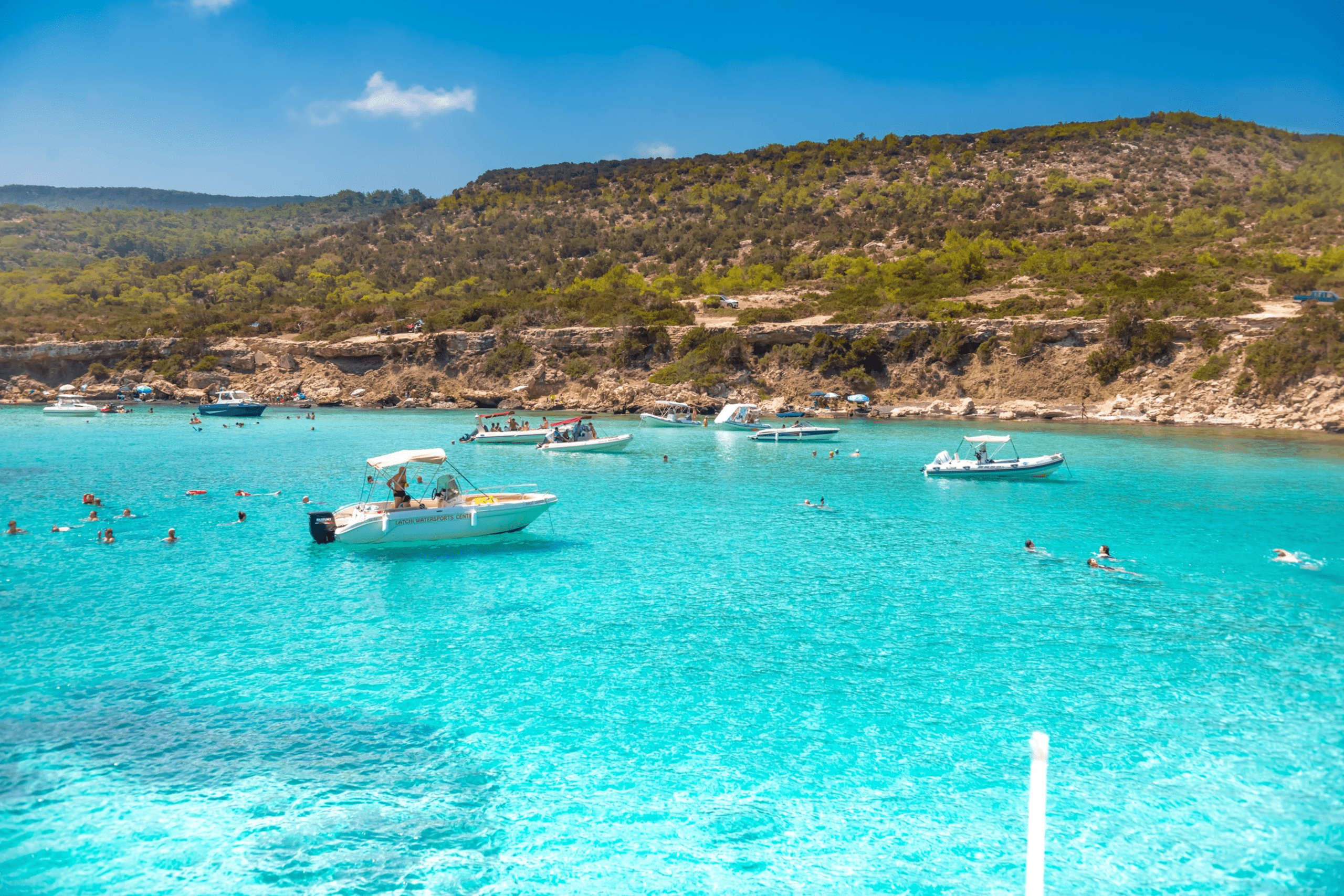
This hot, dry summer climate drives specific behavior patterns. Beach activities dominate from June through September. Swimming, sunbathing, water sports, jet skiing, and windsurfing thrive during these months. Restaurants and cafes open outdoor terraces where people dine late into the evening. Meals typically start around 8:00 or 9:00 PM when temperatures drop. The warm nights invite outdoor entertainment including beach parties, music festivals, and traditional gatherings.
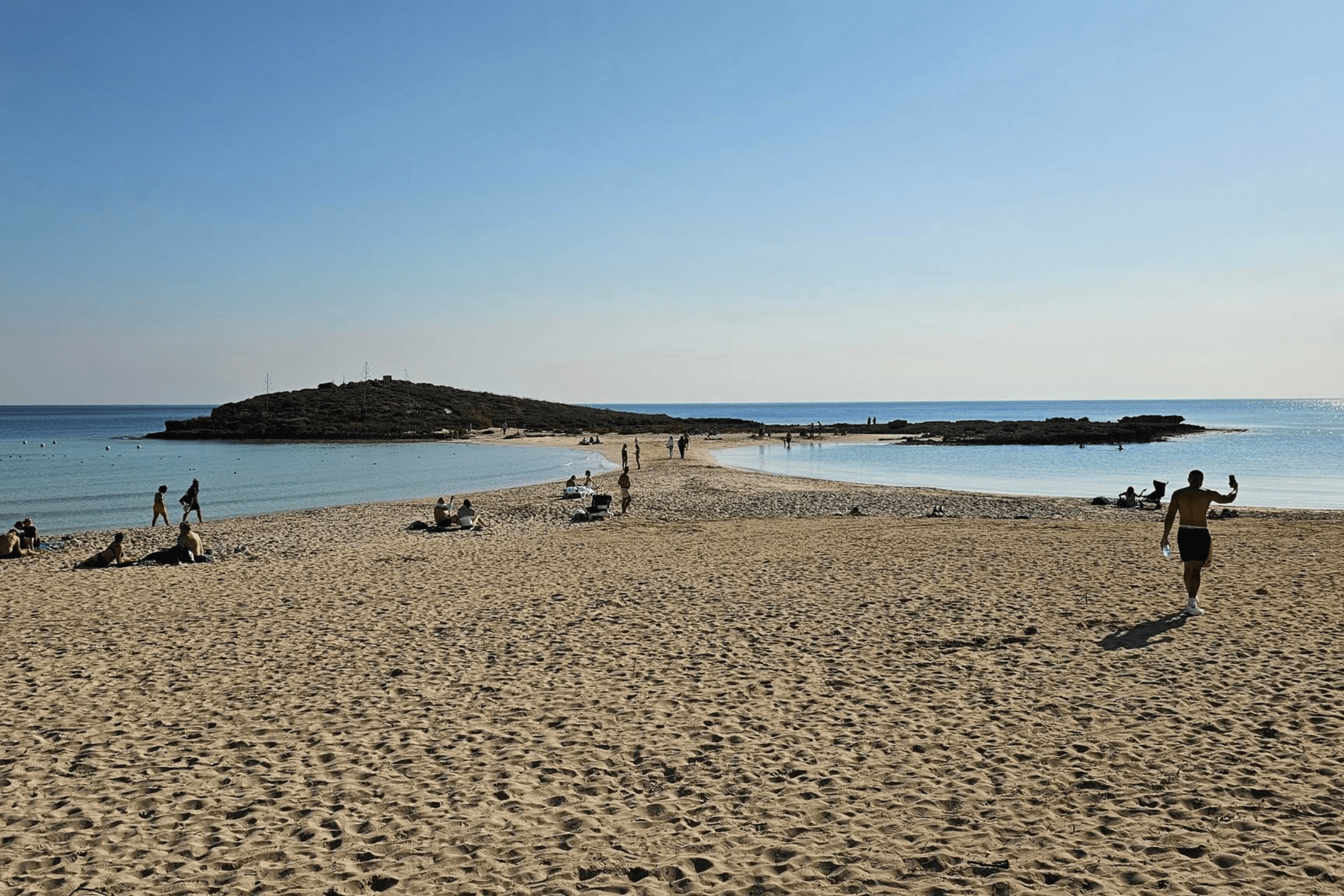
Spring from March through May brings temperatures between 15 and 25 degrees Celsius. Wildflowers blanket hillsides, almond and citrus trees bloom, and the countryside comes alive. This season offers perfect conditions for hiking in the Troodos Mountains, exploring ancient ruins, and cycling through forests. Traditional villages host outdoor festivals and cafes open their terraces for al fresco dining. May brings warmer weather ideal for early beach days and countryside walks.
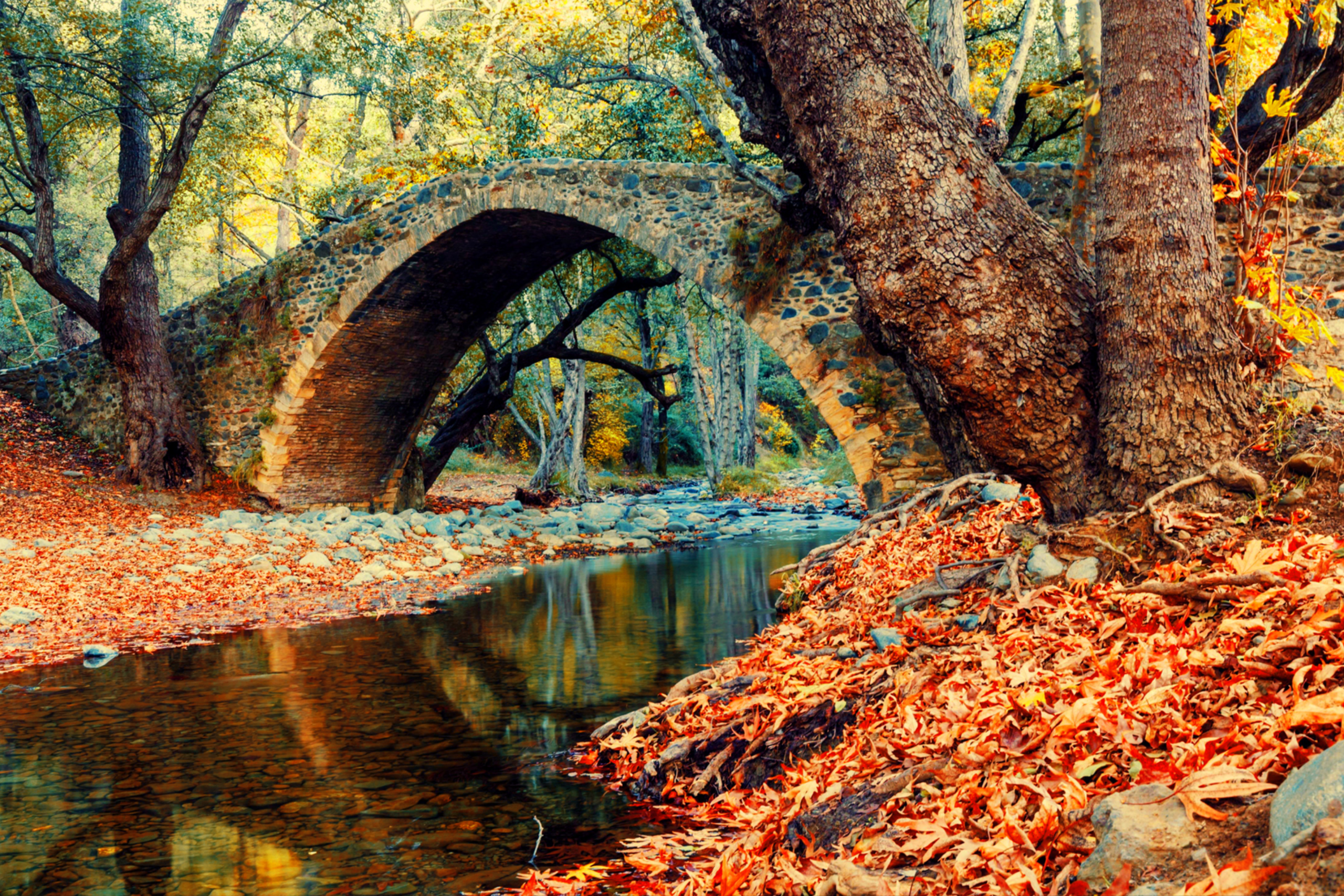
Autumn from September through November maintains warm days with gradually declining temperatures from 28 to 20 degrees. The sea retains summer warmth, offering continued swimming and water activities. October remains popular for late-season beach visitors. This season provides ideal conditions for outdoor dining and watching Mediterranean sunsets. The mild weather supports comfortable hiking away from summer heat.
Winter from December through February sees temperatures between 10 and 18 degrees Celsius. Rainfall increases during this period, averaging 90 millimeters across winter months. However, Cyprus still receives five to six hours of sunshine daily even in December and January. This exceeds double the sunlight hours of northern European cities. Winter proves mild enough for outdoor activities and exploring inland areas. The Troodos Mountains receive snow, creating unique opportunities to ski in morning and visit the coast by afternoon.
The Cultural Impact of Constant Sunshine
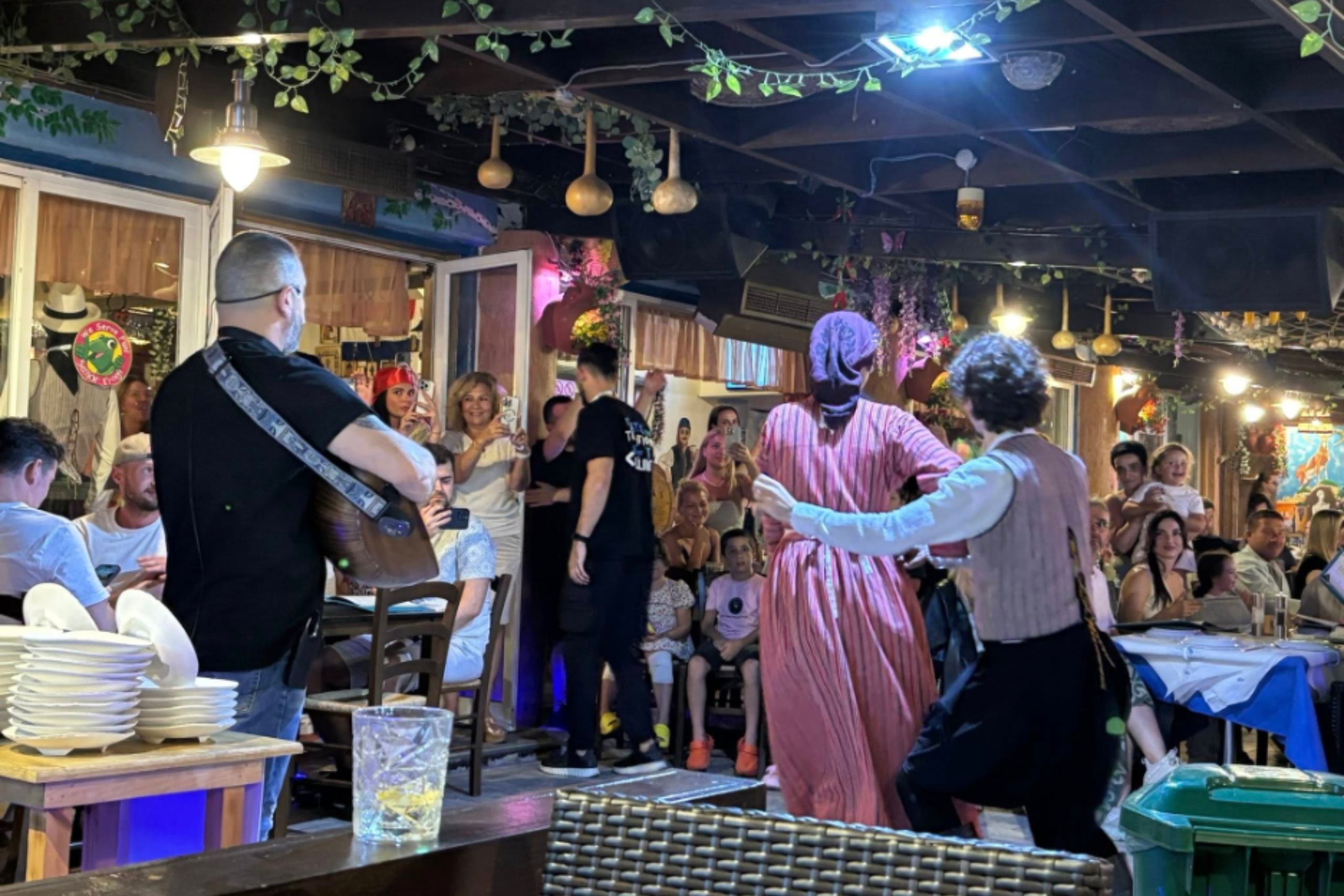
Outdoor dining defines Cypriot social life. Tavernas and restaurants feature terraces decorated with creeping vines and flowers. Traditional Cypriot music often accompanies meals played live by local musicians. Due to excellent year-round climate, outdoor dining remains possible even during winter months. Lunch typically occurs between 1:30 and 3:00 PM while dinner starts around 8:00 PM or later, especially in summer when families may sit down at 9:00 or 10:00 PM.
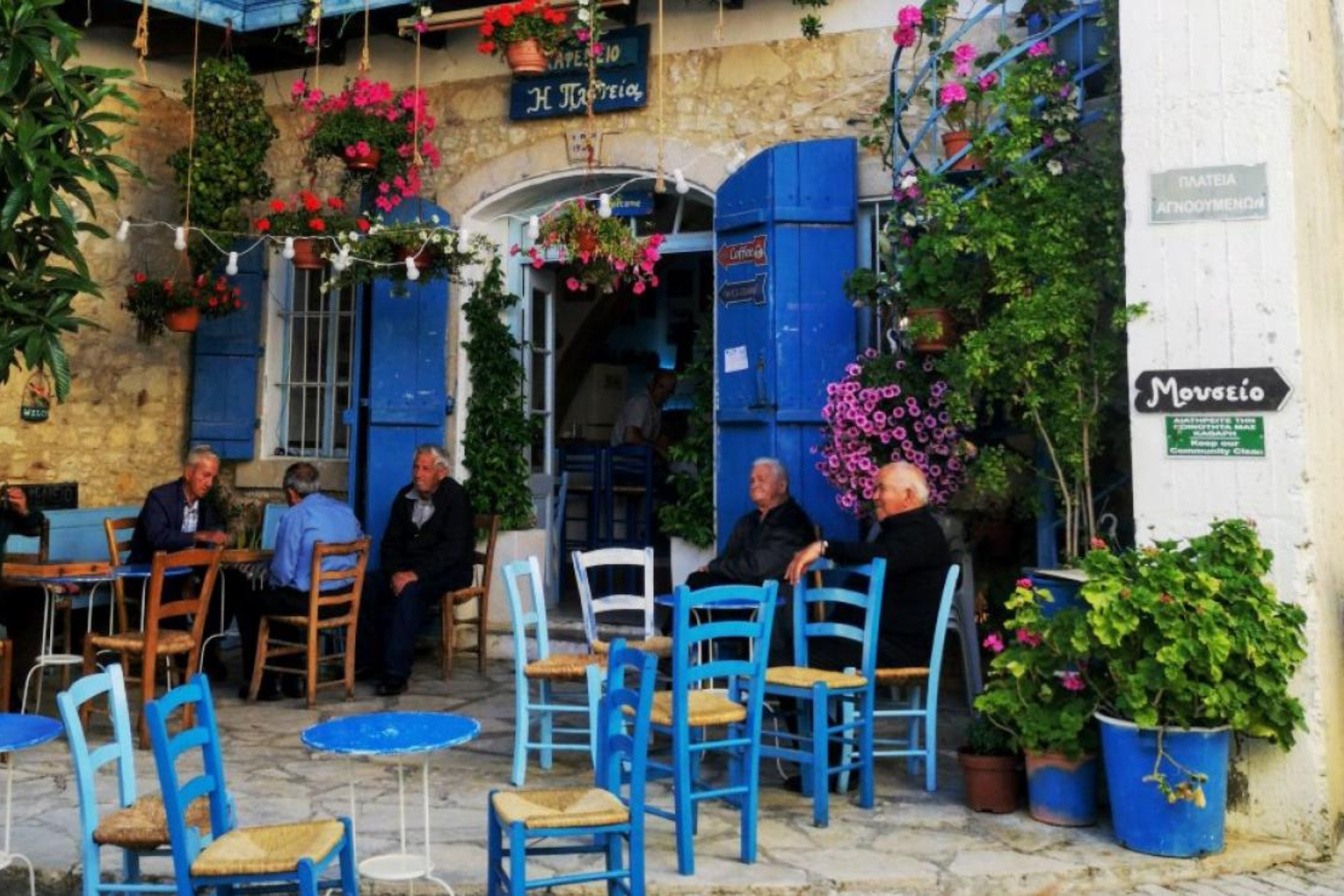
Cafe culture predominates throughout Cyprus. Both business and social meetings take place over leisurely iced coffee called frappe at numerous cafes in every town and city. People gather at outdoor cafes morning through evening for coffee, conversation, and people-watching. This tradition reflects the philosophy that life should be enjoyed, with emphasis on working to live rather than living to work.
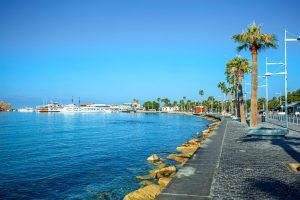
Evening walks along coastal promenades represent daily rituals for many residents. Larnaca’s Finikoudes, Limassol’s seaside boulevard, and Paphos Harbor become gathering places where families stroll, couples walk, and friends meet. The pleasant evening temperatures make these activities comfortable year-round. Street life thrives with vendors, performers, and outdoor markets operating late into warm evenings.
Modern Outdoor Living in Cyprus Today
The climate attracts international professionals seeking better work-life balance. Remote workers from Northern Europe and North America increasingly choose Cyprus as a base. They access European infrastructure while embracing Mediterranean outdoor lifestyle. The combination proves particularly appealing for families with children who value safety, outdoor activities, and community connections.
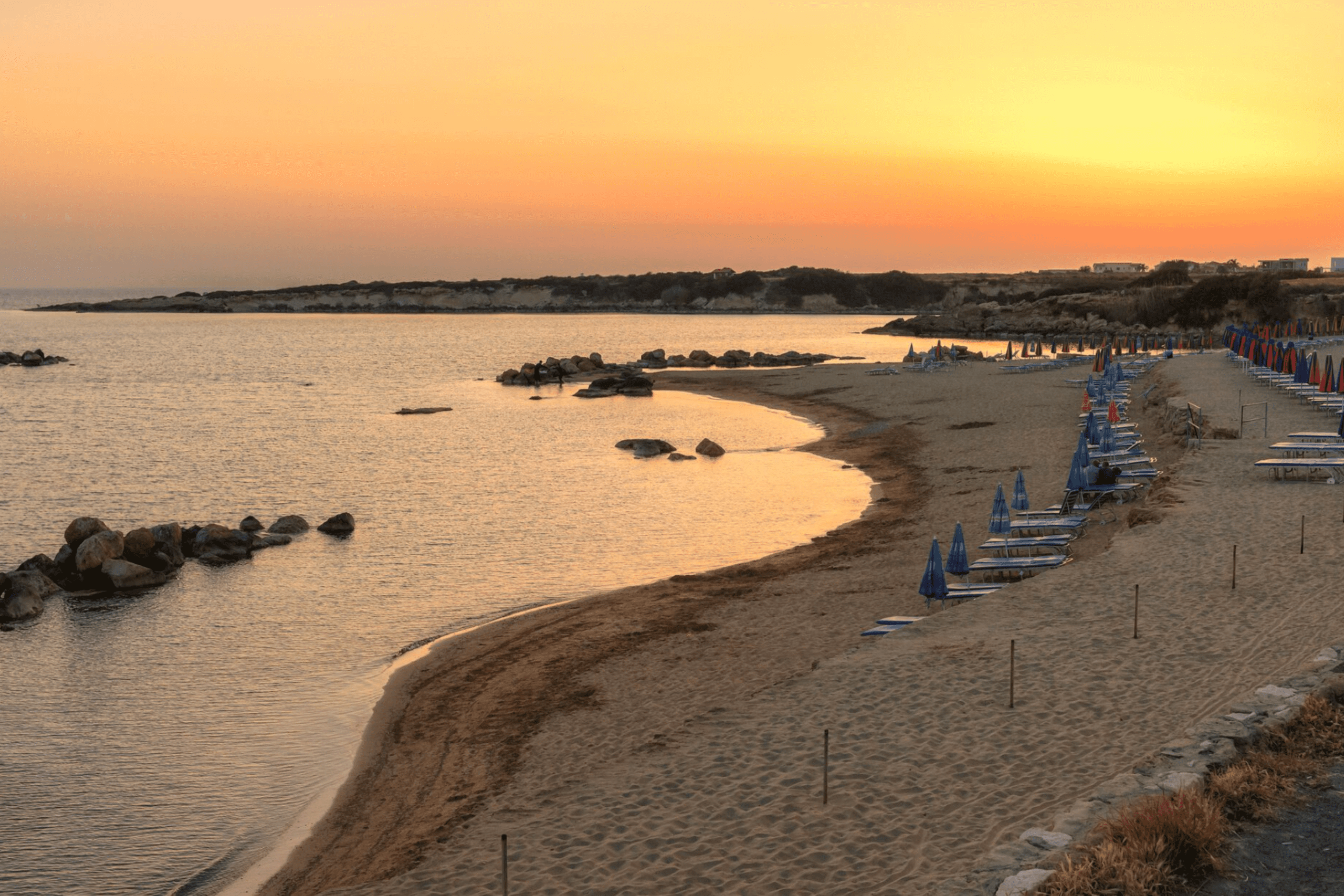
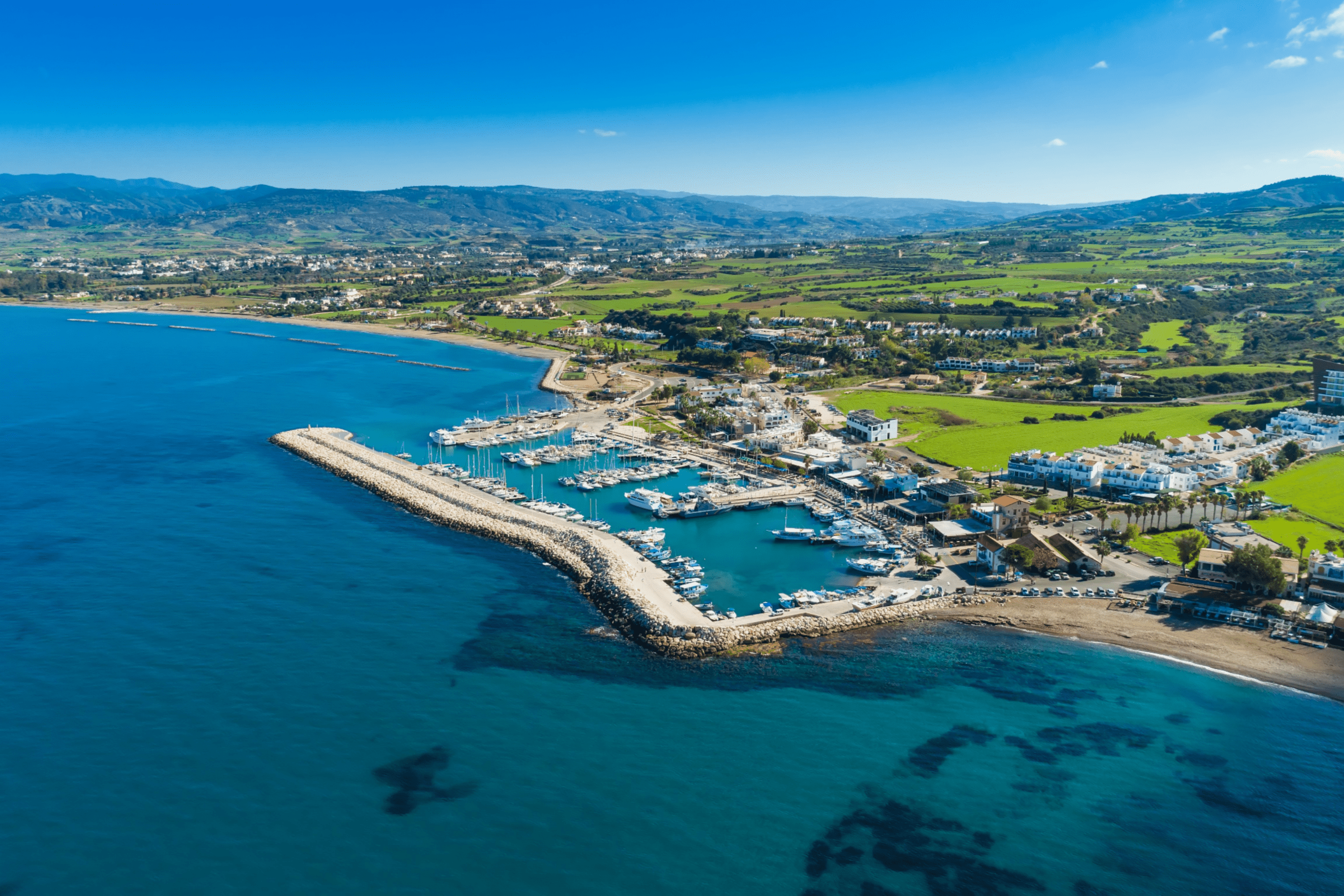
Tourism thrives on outdoor attractions. Beach resorts operate from April through October with peak season in July and August. Water sports facilities, boat excursions, diving centers, and coastal restaurants cater to visitors seeking outdoor experiences. However, the extended season allows tourists to enjoy activities during spring and autumn when crowds decrease and temperatures remain comfortable.
Sports and recreation benefit from climate reliability. Cyprus hosts numerous outdoor sporting events including the Cyprus Rally, part of the World Rally Championship. Marathon running, cycling competitions, and triathlon events occur year-round. Golf courses remain playable throughout winter when northern European courses close. Tennis courts and outdoor gyms operate continuously.

Hiking and nature activities span all seasons. The Akamas Peninsula offers scenic coastal trails. The Troodos Mountains provide forest paths through pine and cedar trees. Spring hiking coincides with wildflower blooms and bird migration. Autumn hiking avoids summer heat while enjoying warm but comfortable temperatures. Even winter hiking remains popular with proper clothing.
Agriculture adapts to climate patterns. Farmers grow citrus fruits, olives, grapes, and vegetables that thrive in Mediterranean conditions. Harvest festivals celebrate local produce with outdoor markets and tastings. The warm climate supports multiple growing seasons for certain crops. Vineyards benefit from hot, dry summers that concentrate flavors in grapes used for wine production.