
History of Cyprus

Articles: History of Cyprus

Stories in this category and its subcategories.

Cyprus Metal Crafts Through Ages

Cyprus Metal Crafts Through Ages

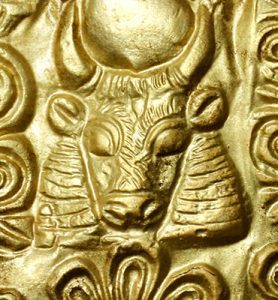
Cyprus holds a unique position in metalworking history. The island gave its name to copper itself, with the Latin term "cuprum" deriving from "Cyprus." For over 6,000 years, Cypriot artisans have shaped metals into tools, weapons, jewelry, and decorative objects. The tradition spans from simple Chalcolithic copper tools around 4000 BCE to Byzantine gold treasures and modern handcrafted silver jewelry. This heritage connects ancient mining operations in the Troodos Mountains with contemporary workshops where craftspeople maintain techniques passed down through generations. myfirstticket.com Historical Background The metal story in Cyprus begins during the Chalcolithic period when early settlers discovered native copper deposits. By 3000 BCE, Cypriots were already working copper to create artifacts of high quality that circulated throughout the Mediterranean.…

Read more
Cyprus War Resistance Stories

Cyprus War Resistance Stories

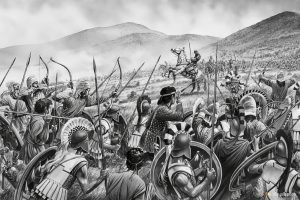
Cyprus has witnessed countless conflicts throughout its 10,000 years of human habitation. The island's position at the crossroads of three continents made it a prize worth fighting for, and its people developed a long tradition of resistance against foreign rule. dzeninfra-ru From ancient sieges to modern independence struggles, Cyprus has been repeatedly conquered, defended, and fought over by armies ranging from Persian emperors to British colonial forces. These conflicts left deep marks on the landscape and shaped the national character of both Greek and Turkish Cypriots who call the island home. Historical Background Cyprus experienced its first major conflicts during the ancient period when Persian forces conquered the island's city kingdoms in the 6th century BC. The Greek population survived…

Read more
Famagusta, Cyprus – History & Facts

Famagusta, Cyprus – History & Facts

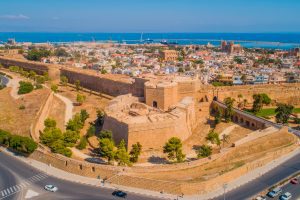
Famagusta sits on the eastern coast of Cyprus, surrounded by two miles of massive stone walls built when Venice controlled the Mediterranean. The old town contains ruins of over 300 churches from an era when the city rivaled Constantinople in wealth. During the Middle Ages, this port served as the gateway between Europe and the Levant, where merchants traded silks and spices in multiple languages. The deepest harbor in Cyprus made Famagusta essential for naval powers across eight centuries of occupation by Crusaders, Venetians, Ottomans, and the British. northcyprusinternational.com The city was founded around 274 BCE by Ptolemy II after an earthquake damaged nearby Salamis. Originally called Arsinoe after the Ptolemaic queen, the settlement grew from a small fishing village…

Read more
Nea Paphos Ancient Capital of Roman Cyprus

Nea Paphos Ancient Capital of Roman Cyprus

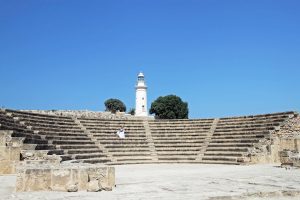
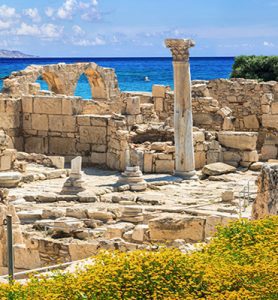
Nea Paphos occupies a coastal plain on the southwestern shore of Cyprus, adjacent to the modern city of Paphos. Founded in the 4th century BC by Nikokles, the last king of nearby Palaipaphos, Nea Pafos then went from strength to strength, particularly under the Ptolemaic kingdom from the 3rd century BC. The city was located on a peninsula surrounded by a natural bay and between the two small hills called Fanari and Fabrika. irecommend-ru Nea Paphos was founded at the turn of the 4th and 3rd century BC as an important harbour located on the sea trade route from Rhodes to Alexandria. Thanks to its strategic location, from the 2nd century BC Nea Paphos became the capital of Cyprus and…

Read more
Roman Road Network Ancient Cyprus Routes

Roman Road Network Ancient Cyprus Routes

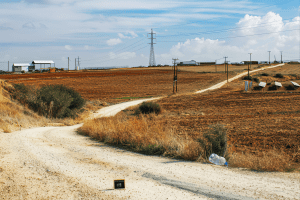
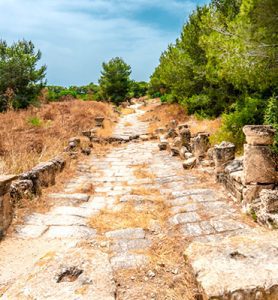
Cyprus already had roads before the Romans arrived. The earliest routes date back to the Bronze Age, and by the end of the Hellenistic period, a road network circled the entire island. These pre-Roman roads connected cities with their surrounding territories and linked major settlements along the coast. However, they were often simple tracks suitable for pedestrians and pack animals rather than the engineered highways Romans built elsewhere in their empire. pixabay-com When Cyprus became a Roman province in 22 BC under Emperor Augustus, the new administration inherited this existing network. The Romans added secondary roads and improved certain routes, but they did not rebuild the entire system to match the standards used in Italy or other provinces. This practical…

Read more
St. Hilarion Castle

St. Hilarion Castle

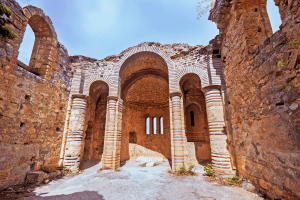
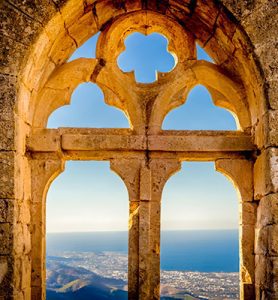
St. Hilarion Castle stands 732 meters above sea level in the Kyrenia mountain range of Cyprus. This medieval fortress features stone walls and towers that appear to grow directly from the rocky peaks. Located just off the main Kyrenia to Nicosia highway, the castle commands the mountain pass between the coast and the central plain. atlasobscura-com The castle is the best preserved of three Byzantine strongholds built along the Kyrenia mountain range, the others being Kantara to the east and Buffavento further west. The fortress consists of three main sections built at different elevations on the mountainside. The lower ward contained stables and living quarters for soldiers. The middle ward housed royal apartments, kitchens, a church, and a large cistern…

Read more
Sanctuary of Aphrodite, Palaepaphos

Sanctuary of Aphrodite, Palaepaphos

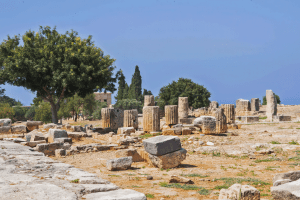
In the village of Kouklia, about 14 kilometers east of Paphos, stand the remains of what was once the most famous shrine dedicated to Aphrodite in the ancient world. For more than 1,600 years, pilgrims traveled from across the Mediterranean to worship at Palaepaphos, the place where the goddess of love was believed to have risen from the sea. Today, the site is a UNESCO World Heritage monument and one of the most important archaeological locations in Cyprus. thisispafos-com The Sanctuary of Aphrodite at Palaepaphos was founded around 1200 BC during the Late Bronze Age. It remained in continuous use until 391 AD, when the Roman Emperor Theodosius I banned all pagan religions. vici-org Palaepaphos was among the most powerful…

Read more
Nea Paphos Harbor

Nea Paphos Harbor

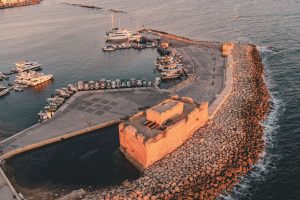
Nea Paphos emerged as one of the most strategically important harbor cities in the ancient Mediterranean. Founded in the late 4th century BC on the southwest coast of Cyprus, this planned city replaced the older settlement of Palaipaphos and quickly became the island's capital. touriste-ru The harbor served dual purposes as both a major naval base and a thriving commercial port, connecting Egypt with the broader Mediterranean world. Today, the archaeological remains spread across 100 hectares near modern Kato Paphos, offering a window into ancient maritime power. Historical Background King Nikokles, the last monarch of Palaipaphos, founded Nea Paphos around 320 BC. After Alexander the Great's death, Cyprus fell under Ptolemaic Egyptian control in 294 BC, where it remained for…

Read more
Troodos Hill Stations Platres and Square

Troodos Hill Stations Platres and Square

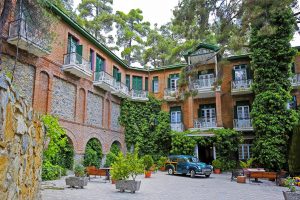
The Troodos Hill Stations refer to two main areas in the Troodos Mountains where the British colonial administration established summer retreats. Platres, located at an altitude of 1,100 meters on the southern slopes, became the premier mountain resort with luxury hotels, villas, and tree-lined walks. Troodos Square, situated near Mount Olympus at approximately 1,700 meters, served as the administrative center where the British governor relocated his entire government during the hot summer months. Together, these hill stations formed a unique mountain retreat system that shaped Cyprus tourism for over a century. facebook-com Historical Background When Lieutenant-General Sir Garnet Wolseley arrived in Larnaca on July 22, 1878, as the island's first High Commissioner, he immediately recognized a serious problem. British troops…

Read more