Gallery Kypriaki Gonia stands as one of Larnaca’s most established independent art spaces. Located at 45 Stadiou Street in central Larnaca, this gallery has operated continuously since 1993. The name “Kypriaki Gonia” translates to “Cypriot Corner,” which accurately reflects its core mission to showcase art by local and international artists. The gallery maintains a focus on both traditional and contemporary artistic approaches, giving visitors exposure to different styles and periods of Cypriot art.
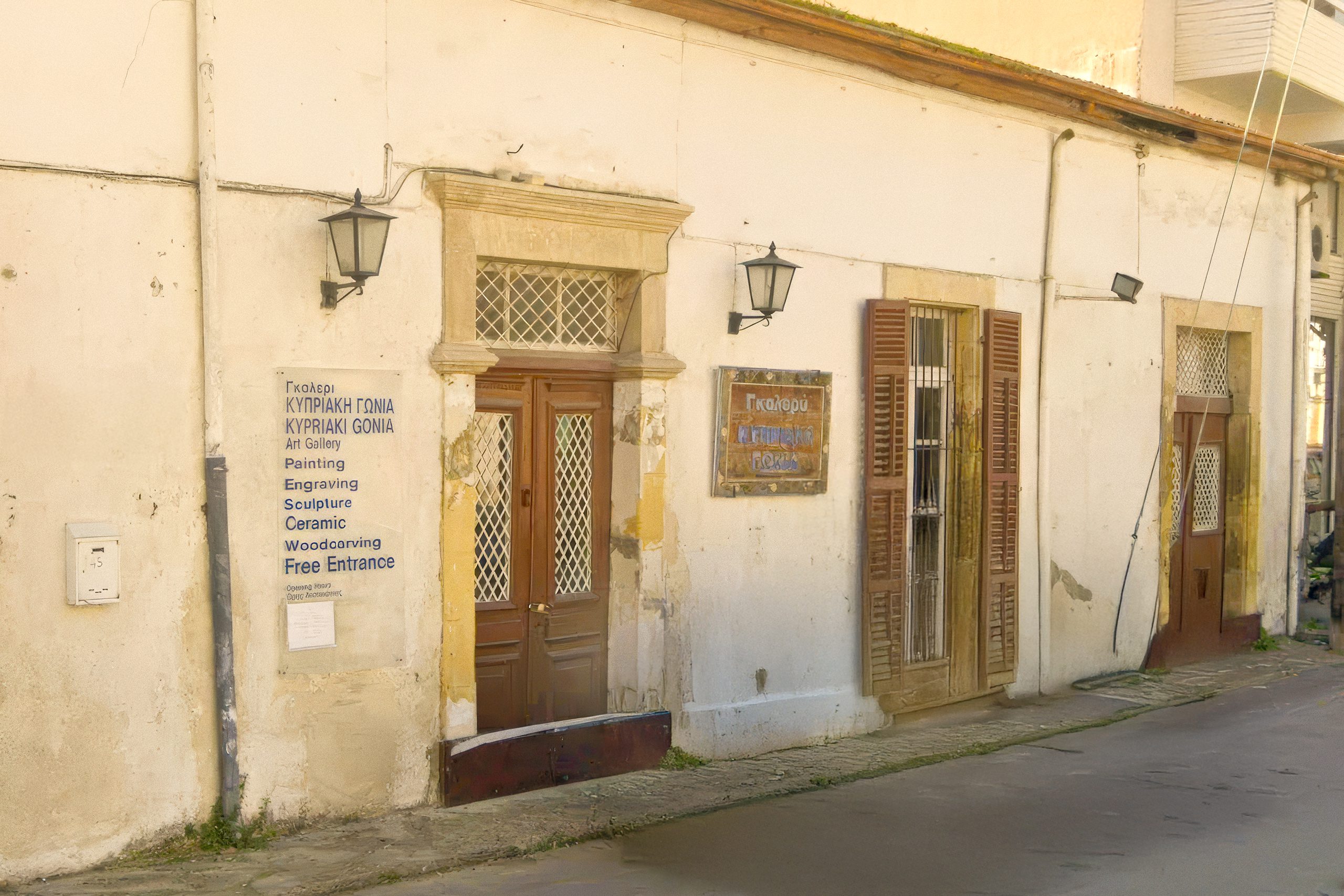
Over three decades, the gallery has built a reputation for consistent quality in its exhibition program. It provides a platform where established artists can present major bodies of work and emerging artists can gain visibility. The space operates as a commercial gallery while also functioning as a cultural venue that contributes to Larnaca’s artistic infrastructure.
Historical Context
By 2013, Gallery Kypriaki Gonia celebrated its 20th anniversary with a significant group exhibition. This show brought together works by 70 Cypriot and foreign artists across multiple media, including paintings, sculpture, ceramics, etchings, and photography. The exhibition received the auspices of the Mayor of Larnaca, and the opening ceremony was performed by Petros Christodoulou. All works were offered at modest prices of up to 200 euros, with 50 percent of revenue directed to the Larnaca Municipality Community Store. This charitable component demonstrated the gallery’s commitment to community service alongside its commercial activities.
At the time of its 20th anniversary, the gallery had already hosted more than 320 artists through approximately 400 solo and group exhibitions. This represents an average of 20 exhibitions per year, indicating a very active program that constantly brings new work before the public.
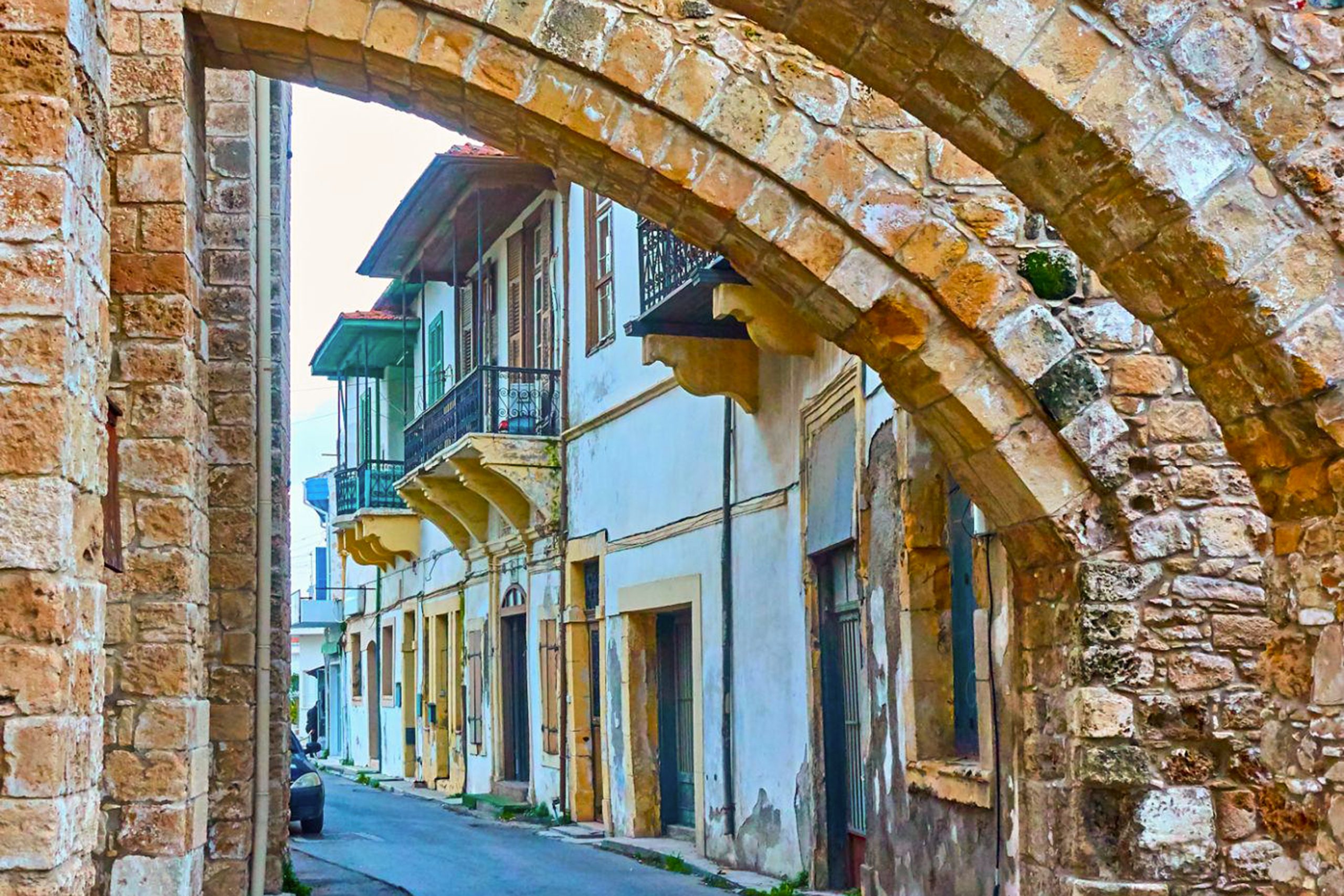
By 2023, approximately 370 local and international artists had exhibited their work at Gallery Kypriaki Gonia through solo, group, and online exhibitions. The gallery participated in the Affordable Art Fair, representing Cyprus’s artistic community at an international platform known for making art accessible to collectors at various budget levels.
Exhibition Program and Featured Artists
The gallery maintains a regular schedule of rotating exhibitions throughout the year. It operates Monday through Friday from 10:00 AM to 1:00 PM and again from 4:30 PM to 7:00 PM. Saturday hours run from 10:00 AM to 1:00 PM. This schedule accommodates both weekday visitors and those who prefer weekend gallery visits.
Recent exhibitions have showcased diverse artistic voices. In April 2024, the gallery presented “A Disappearing World” by Paskalis Anastasi. The exhibition opened with a ceremony performed by Larnaca Mayor Andreas Vyras and ran until April 20. Anastasi’s work often explores themes of cultural change and the transformation of traditional ways of life.
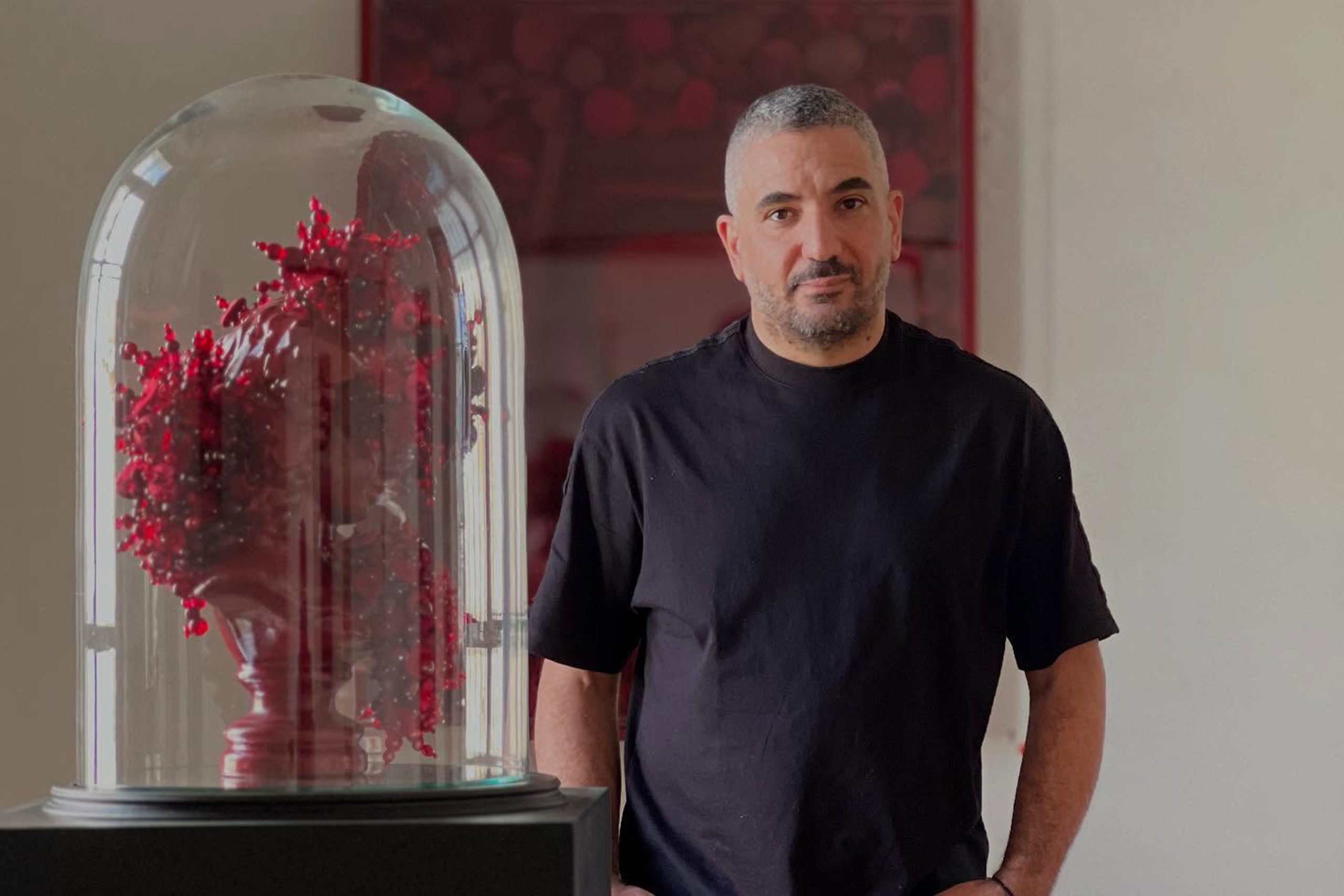
In April 2025, the gallery hosted “Kaleidoscope,” a solo exhibition by Franco-Lebanese abstract artist Alia Corm. Her work draws from dual heritage and the artistic legacy of her grandfather, Georges Daoud Corm, a pioneer of modern Lebanese painting. Corm describes her process as spontaneous, allowing the canvas to guide her as she creates pieces that reflect the relationship between the visible and invisible. Her background in cultural heritage management informs her understanding of cultural narratives and artistic expression.
The gallery also presents thematic group exhibitions that bring together multiple artists around shared concepts. One summer exhibition titled “Interpretations of Blue” featured works by 23 local artists, including Andros Efstathiou, Antonis Tziarrides, Athena Antoniadou, Christina Christofi, Christos Avraam, Christos Michlis, Damianos Zisimou, Elena Tsigaridou, Giorgos Achilleos, Hourig Torossian, Iosif Hadjikyriakos, Koula Kalvari, Lia Boyiatzi, Lia Lapithi, Maria Anaxagora, Maria Trillidou, Nikolas Antoniou, Nikoletta Papamichael, Panayiotis Pasantas, Spyros Agathou, Stavros Antonopoulos, Varvara Georghiou, and Vasos Demetriou. The exhibition ran until September 8, giving visitors an extended period to engage with the diverse interpretations of a single color.
Facts About the Gallery’s Operations
Gallery Kypriaki Gonia operates under private ownership and management, giving it flexibility in programming decisions. Unlike municipal galleries that must balance institutional responsibilities with exhibition schedules, this independent structure allows for quicker responses to artistic opportunities and changing trends in the art market.
The gallery provides art consulting services to private and corporate collectors. These services help clients navigate the art market, understand different artistic movements and techniques, and build collections that align with their interests and budgets. The consulting aspect extends the gallery’s role beyond simple exhibition space to include education and guidance for new collectors.
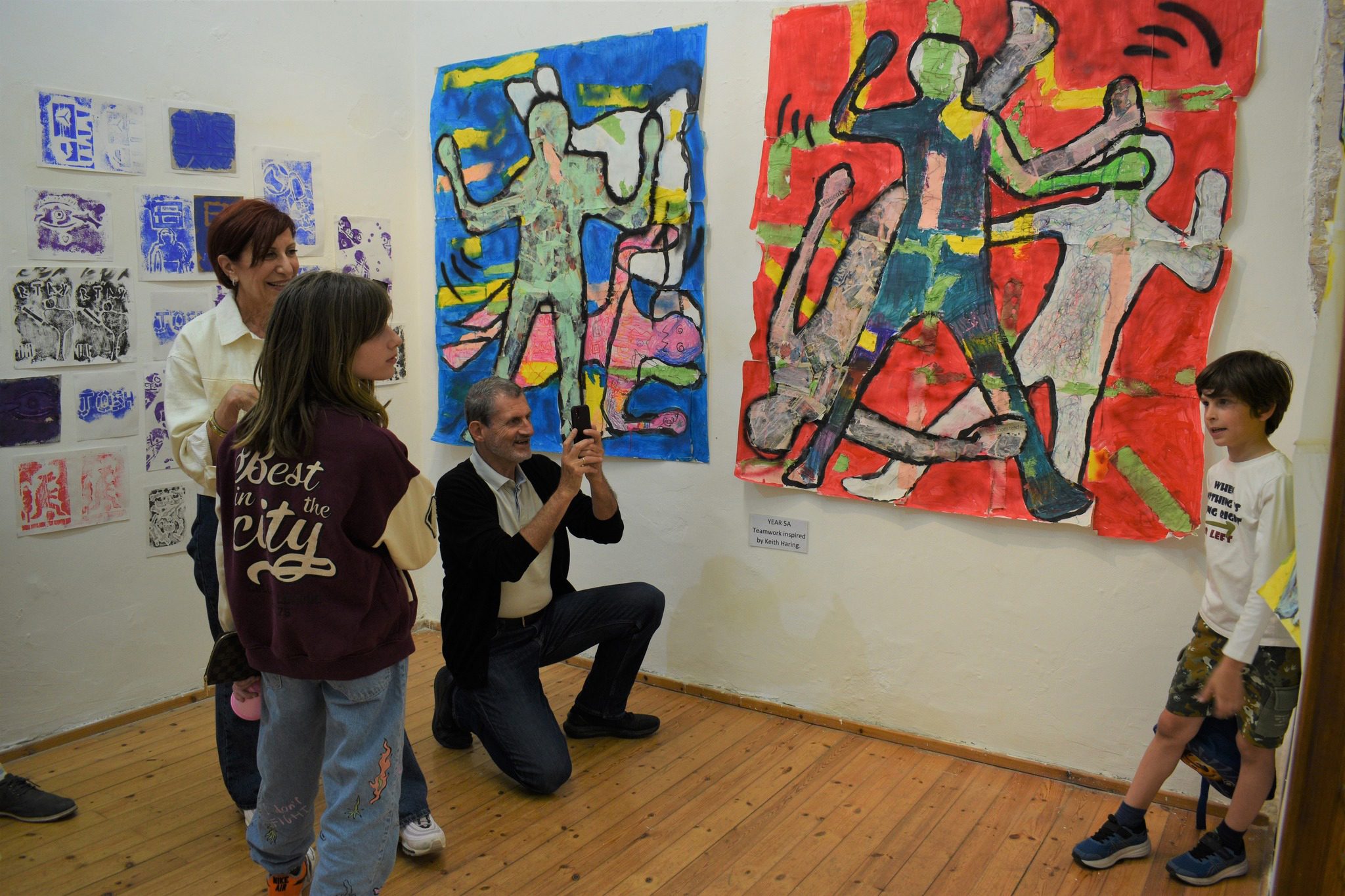
The gallery participates in Cyprus’s broader art ecosystem through collaborations with other cultural institutions. During major cultural events in Larnaca, the gallery often extends its hours and coordinates openings with other venues to create a more vibrant cultural experience for visitors.
Photography policies at the gallery vary by exhibition. Some artists permit photography of their work, while others restrict it to protect reproduction rights. Visitors should ask staff before taking photographs.
Visiting Gallery Kypriaki Gonia
The gallery’s central location makes it accessible on foot from many parts of Larnaca. Visitors staying near the seafront or in the old town can easily walk to Stadiou Street. Public parking exists in the surrounding area, though spaces can be limited during busy shopping hours.
The split schedule with morning and afternoon sessions accommodates different visitor preferences. The afternoon opening at 4:30 PM allows people to visit after work or during early evening strolls through the city center. The morning session provides a quieter time for those who prefer to view art without crowds.
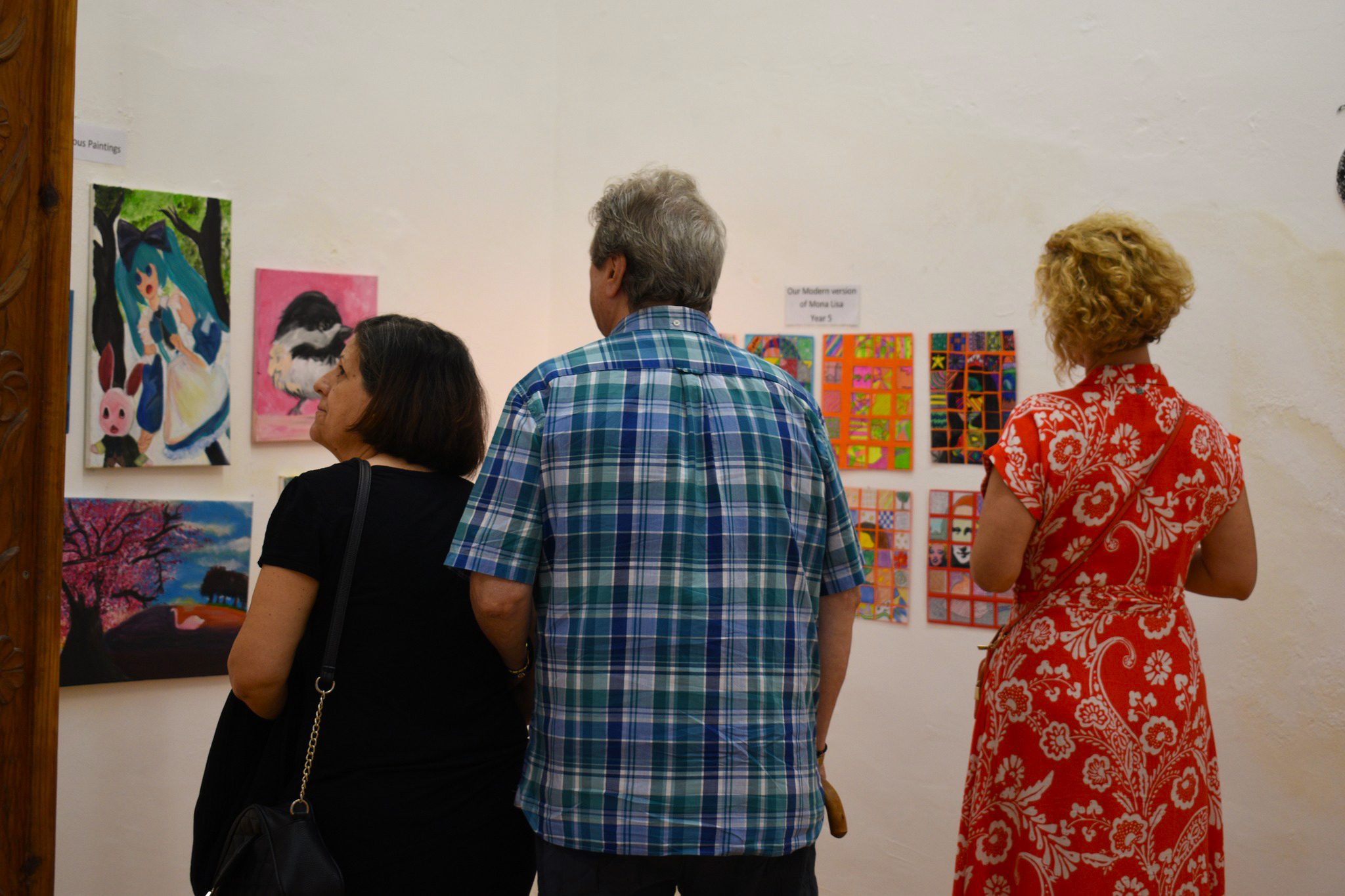
Entry to the gallery is free, though works are available for purchase. Prices vary depending on the artist, medium, size, and the piece’s significance within the artist’s body of work. The gallery staff can provide information about pricing and arrange purchases or holds on specific works.
Exhibitions typically run for several weeks, giving visitors multiple opportunities to see shows. The gallery announces new exhibitions through its website and local cultural listings. Major openings often occur on Wednesday or Thursday evenings, with the artist or a notable figure from the community performing the inauguration ceremony.
Supporting Cyprus’s Artistic Heritage
Gallery Kypriaki Gonia matters because it has maintained consistent support for artistic practice in Cyprus over more than 30 years. In an environment where commercial galleries face economic pressures and uncertain markets, this longevity demonstrates real commitment to art and culture. The gallery provides a model for how independent spaces can sustain themselves while serving public cultural needs. Through hundreds of exhibitions featuring hundreds of artists, it has contributed significantly to the visibility and viability of artistic careers in Cyprus. For anyone interested in understanding the breadth of Cypriot artistic production beyond the major museum collections, this gallery offers essential access to both established and emerging voices. Its presence enriches Larnaca’s cultural life and helps ensure that art remains a living part of the community rather than something confined to institutional settings.