Fauna

Articles: Fauna

Stories in this category and its subcategories.

Cypriot Mouse (Mus cypriacus)

Cypriot Mouse (Mus cypriacus)

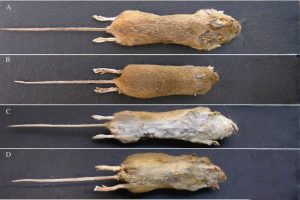
One of the rare photos of a Cyprus mouse from the original paper describing it as a new species © Cucchi, T., Orth, A., Auffray, J.-C., Renaud, S., Fabre, L., Catalan, J., Hadjisterkotis, E., Bonhomme, F., & Vigne, J.-D. (2005). FIGURE 3 in A new endemic species of the subgenus Mus (Rodentia, Mammalia) on the Island of Cyprus. In Zootaxa (Vol. 1241, pp. 1–36). Zenodo. https://doi.org/10.5281/zenodo.172876, CC0, https://commons.wikimedia.org/w/index.php?curid=168764163 Hidden among the vineyards and dry stone walls of the Troodos foothills lives a mouse that science almost overlooked entirely. Smaller than your hand, rarely seen by day, it had been sharing the island with humans for thousands of years before anyone realised it was something genuinely new to science. When they…

Read more
Cyprus Wild Mammal

Cyprus Wild Mammal

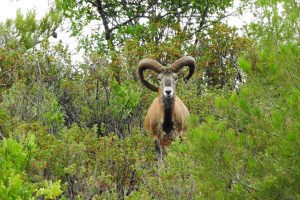
Imagine a rugged hillside in Cyprus, where ancient cedars cling to rocky slopes and the air hums with the distant call of a hidden survivor. This is the realm of the Cyprus mouflon, a wild sheep that has roamed the island's mountains for millennia, embodying the untamed spirit of Mediterranean wilderness. Let’s explore this elusive creature, a living link to Cyprus' prehistoric past that still graces its landscapes today. Sadly, this endemic mammal is listed as Endangered in IUCN Red List. www.inaturalist.org A Gentle Giant of the Hills The Cyprus mouflon, known scientifically as Ovis gmelini ophion, is a subspecies of wild sheep belonging to the broader family of Bovidae, which includes goats, antelopes, and cattle. These animals are ungulates…

Read more
Cyprus Nocturnal Wildlife (Hedgehog)

Cyprus Nocturnal Wildlife (Hedgehog)

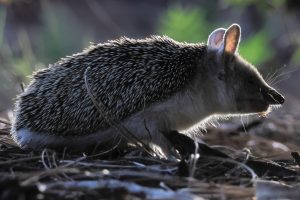
On a warm spring night in a Cypriot village, a small shape moves through the shadows of a lemon grove shuffling, sniffing, pausing to listen. Two enormous ears swivel like satellite dishes. This is the Cyprus Long-eared Hedgehog, Hemiechinus auritus dorotheae, one of the island's most charming and least-known residents. www.inaturalist.org Most people who encounter it simply call it a skantzohoiros the Greek word for hedgehog and smile. But behind that endearing shuffle lies an extraordinary story of ancient seas, human migrations, island biology, and remarkable survival. And if you look closely enough, you will notice something quite unusual about this hedgehog: those ears are astonishingly, almost comically large. What Exactly Is a Hedgehog? Hedgehogs belong to the family Erinaceidae,…

Read more
Cyprus Red Fox

Cyprus Red Fox

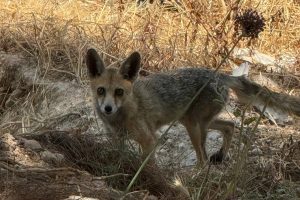
There is an animal on Cyprus that has been blamed for stolen chickens, celebrated in folktales, painted as the ultimate villain of the farmyard and yet, science tells us a very different story. The Cyprus fox, a unique island subspecies found nowhere else on Earth, is one of the most misunderstood creatures in the Eastern Mediterranean. Once you learn the truth about it, you may never look at a pair of amber eyes at dusk in quite the same way again. From the Family of Clever Ones The Cyprus fox belongs to the family Canidae the great clan that includes wolves, jackals, wild dogs, and domestic dogs. Within this family sits the genus Vulpes, the "true foxes," a group of…

Read more
Cyprus Kourkoutas Lizard

Cyprus Kourkoutas Lizard

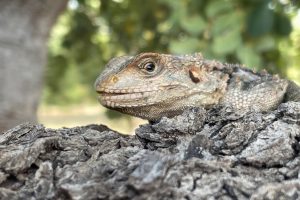
Imagine a creature that looks like a miniature dragon, basking on sun-warmed rocks with starry patterns twinkling on its back. This is the kourkoutas, Cyprus' very own rock agama a nimble lizard that's as much a part of the island's rugged landscapes as olive trees and ancient ruins. But what makes this endemic resident so special, and why does it deserve a spotlight in Cyprus' wildlife tales? www.inaturalist.org Getting to Know the Starred Survivor The kourkoutas, or Cyprus rock agama, is a biggest of lizards in Cyprus that's perfectly adapted to island life. It's not a giant though – growing up to about 35 centimeters from nose to tail tip – but it's a tough little explorer of Cyprus' diverse…

Read more
Cyprus Night Bats

Cyprus Night Bats

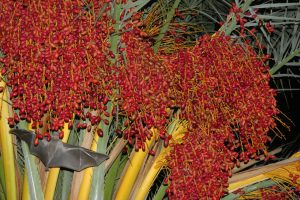
As the last light drains from a Cypriot sky and the air cools over the Troodos foothills, something stirs in the darkness of the old carob trees and ancient limestone caves. Before the stars have properly arranged themselves for the night, the bats are already out dozens, sometimes thousands of them slicing through the warm air in pursuit of mosquitoes, moths, and ripe figs. Cyprus is home to a remarkable diversity of bats, and their story is one of the island's most surprising, most dramatic, and most hopeful wildlife tales. www.inaturalist.org Wings in the Order of Things Bats belong to the order Chiroptera, a name that comes from the Greek words cheir (hand) and pteron (wing) literally, "hand-winged." With over…

Read more
Troodos Lizard

Troodos Lizard

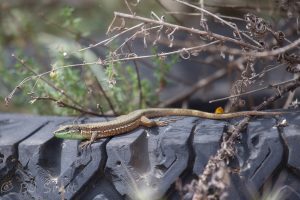
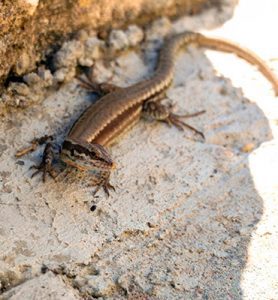
In the rugged heights of Cyprus' Troodos Mountains, a nimble creature darts across sun-warmed rocks, its scales glinting like hidden emeralds. This is the Troodos lizard, Phoenicolacerta troodica, an endemic jewel of the island's wildlife. Let’s explore this shy resident, a survivor of ancient landscapes, and discover why it captivates those who seek it out. A name Phoenicolacerta prefixes the Latin word, Phoenice, meaning "Phoenicia", the coast of the Levant, where most of the species of these lizards are found, with lacerta, "a lizard". The specific name refers to the type locality being in the Troodos Mountains of Cyprus. www.inaturalist.org A Mountain Marvel Emerges The Troodos lizard is a small reptile native only to Cyprus, thriving in the cool, forested…

Read more
Rare Birds of Cyprus Flamingos Herons Storks

Rare Birds of Cyprus Flamingos Herons Storks

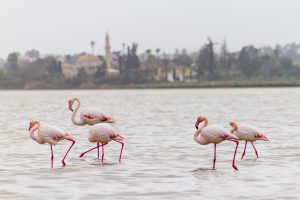
Cyprus sits at the heart of one of the four major migration flyways between Europe and Africa. This strategic location makes the island a critical stopover point for millions of birds traveling between continents each year. The position roughly 50 miles south of Turkey and 60 miles west of Syria places Cyprus directly in the path of birds moving between breeding grounds in Europe and wintering areas in Africa. Among the most spectacular visitors are greater flamingos, multiple heron species, and the elusive black stork. Shutterstock-com These rare birds depend on Cyprus's wetlands, salt lakes, and coastal areas for rest and feeding during their long journeys. The island's network of protected sites provides essential habitat that supports not just individual…

Read more