Explore Cyprus with Our Interactive Map

Explore our top stories and discover ideas worth your time.

Fikardou Rural Museum

Fikardou Rural Museum

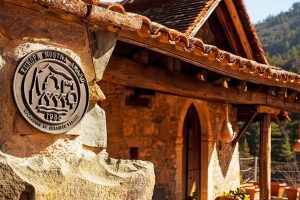
The Fikardou Rural Museum consists of two restored stone houses in the village of Fikardou, located 40 kilometers southwest of Nicosia in the Troodos Mountains. The museum preserves traditional Cypriot rural life through authentic buildings and exhibits from the 16th to 19th centuries. pixabay-com The entire village functions as a living museum, with narrow cobblestone streets and traditional stone houses that transport visitors to another era. The settlement was nearly abandoned during the 20th century when residents moved to urban areas for work and modern amenities. By the 1970s, only a handful of elderly people remained. Historical Background The village name likely derives from the Greek phrase "figa andron," which means "den of fugitives." According to tradition, two dominant clans controlled the region between 400 AD and 800 AD, and fugitives sought refuge in these remote mountains. The earliest written reference to Fikardou dates to 1825 during the Ottoman period. visitcyprus-com Historical connections exist to medieval Cyprus through the Ficardo family. The most notable member was Sir Thomas Ficardo, who served as Chancellor to King James II and Queen Catherine Cornaro in the 15th century. The village belonged to Machairas Monastery during the Byzantine Komnenos dynasty. Inhabitants focused on olive harvesting, grape cultivation, and subsistence farming. The village maintained traditional agricultural practices for centuries. The remote mountain location provided some…

Read more
Temple of Aphrodite at Amathus

Temple of Aphrodite at Amathus

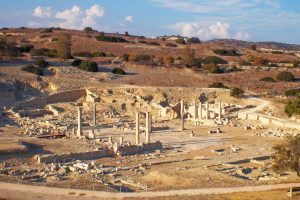
Located on the acropolis of Amathus, this sanctuary was a major rival to Paphos and featured two giant stone vases symbolizing the city's wealth. The Temple of Aphrodite at Amathus stands as an enduring symbol of Cyprus's ancient religious landscape, where devotion to the goddess of love and fertility rivaled the famed sanctuary at Paphos, drawing pilgrims from across the Mediterranean. Perched on the acropolis of the ancient city-kingdom of Amathus, near modern Limassol, this site blended indigenous Cypriot traditions with Phoenician, Greek, and Roman influences, reflecting the island's role as a cultural melting pot. Dedicated to Aphrodite, often syncretized with the earlier Astarte, the temple highlighted Amathus's prosperity through monumental features like two colossal stone vases, each weighing around 14 tons and standing over 1.85 meters tall, which served as emblems of the city's wealth and engineering prowess. As a key center for rituals tied to fertility, beauty, and renewal, it competed with Paphos for prestige, underscoring regional rivalries in ancient Cyprus. Today, the ruins offer insights into millennia of worship, from prehistoric roots to Roman grandeur, fostering appreciation for the island's layered heritage amid ongoing archaeological discoveries. A Major Sanctuary on the Acropolis The Temple of Aphrodite crowned the acropolis of Amathus, a strategic hilltop overlooking the southeastern coast, providing both defensive advantages and panoramic views of the…

Read more

Nissi Beach Cyprus Sun Sea Adventure

Nissi Beach Cyprus Sun Sea Adventure

The Nissi beach stretches 500 meters along a crescent-shaped bay on the eastern coast of Cyprus, approximately three kilometers from Ayia Napa town center in the Famagusta district. The bay's distinctive feature is the small island, or "nissi" in Greek, positioned about 50 meters offshore. The water depth remains shallow throughout the bay, typically staying below waist level even 100 meters from shore, making the entire area accessible for wading and safe for families with children. dom-com The beach actually consists of two connected sections. The main stretch near the islet attracts larger crowds and hosts most water sports activities and beach bars. A second, smaller, quieter section extends to the west, providing more relaxed conditions for visitors seeking less activity. Both areas share the same water quality and sand characteristics that earned Nissi Beach its Blue Flag designation, an international eco-label awarded for excellent water cleanliness, environmental management, safety standards, and proper facilities. Historical Background Archaeological excavations conducted along the western borders of the bay in 2005 revealed firelighting equipment dating back 12,000 years. This discovery suggests the area may have been among the first locations settled by humans arriving on Cyprus. The artifacts included chipped stone tools and evidence of fire use. That shows early inhabitants recognized the bay's advantages, including protected waters, access to marine resources, and…

Read more