Explore Cyprus with Our Interactive Map

Explore our top stories and discover ideas worth your time.

The Cyprus Cyclamen

The Cyprus Cyclamen

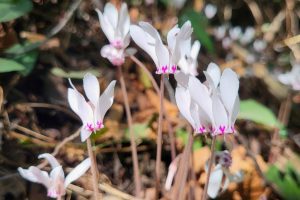
The Cyprus Cyclamen (Cyclamen cyprium) is far more than a delicate wildflower; it is a symbol of the island’s natural beauty and the resilience of its people. Formally designated as the national flower of Cyprus, this endemic treasure thrives in the cool, rocky shadows of the island's mountain ranges. seedscape.net The Mediterranean Rhythm: Growth in Winter In the unique climate of Cyprus, the seasons of life are reversed compared to northern latitudes. For the Cyprus Cyclamen, the scorching, dry summer is a period of "estivation" (summer dormancy), where it hides underground as a tuber to survive the heat. As the autumn rains arrive in September and October, the plant awakens. It uses the mild, wet winter to bloom and grow its biomass, taking advantage of the moisture before the landscape dries out again in May. Botanical Features and Identification While Cyprus is home to three cyclamen species, C. cyprium is the only one that is truly endemic—found nowhere else in the world. Key Characteristics • The Flower: Small, white to pale pink petals that sweep upward and twist at the tips. Each petal features a distinct magenta M-shaped mark at its base.• The Fragrance: It is famous for its intense, sweet lily-like scent that fills the winter air.• The Leaves: Heart-shaped with toothed edges. They are dark green with silver-grey…

Read more
Tombs of the Kings Paphos Roman Burials

Tombs of the Kings Paphos Roman Burials

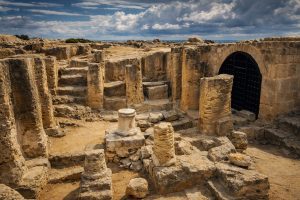
The Tombs of the Kings is an ancient burial complex in Paphos featuring underground chambers carved from solid rock. Located 2 kilometers north of Paphos harbor, this UNESCO World Heritage Site contains elaborate tombs used by high-ranking officials and aristocrats from the 3rd century BC to the 3rd century AD. flickr-com The site consists of a large necropolis spread across a wide area overlooking the Mediterranean Sea. Despite the name, no actual kings were buried here. The Cypriot monarchy was abolished in 312 BC, before most of these tombs were constructed. The name comes from the impressive size and grand architectural design of the burial chambers, which were considered worthy of royalty. The tombs served as the cemetery for Nea Paphos, an ancient city located near the modern harbor. Approximately 100 Ptolemaic aristocrats and high-ranking officials were buried here during the Hellenistic and Roman periods. The site continued to be used until around the 4th century AD and was later repurposed by early Christians as places of refuge during persecution. Historical Background The tombs were built during a time when Cyprus was under the control of the Ptolemaic Kingdom of Egypt, following the death of Alexander the Great. The Ptolemaic dynasty ruled Cyprus from 294 BC until 58 BC, when the island became part of the Roman Republic. This political…

Read more
Pissouri Beach

Pissouri Beach

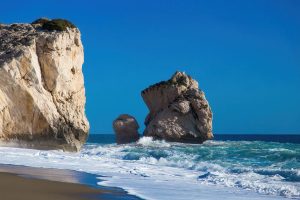
Pissouri Beach stretches 1.5 kilometers along the southern coast of Cyprus between Limassol and Paphos, roughly 30 kilometers from each city. The beach occupies Pissouri Bay, a natural cove protected by the white limestone cliffs of Cape Aspro on both sides. xorolik-livejournal-com The beach features fine golden sand mixed with multicolored small pebbles, creating a distinctive shoreline texture not found at purely sandy beaches. The waters here earned Blue Flag certification, marking compliance with strict European standards for cleanliness, safety, and environmental management. Pissouri divides into two distinct zones: the old village perched on a hillside three kilometers inland and Pissouri Bay, the beach resort area that developed primarily for tourism. From Pine Resin to Tourist Haven The name Pissouri most likely derives from extensive pine resin extraction in the area, as the Greek word for tar is pissa, and resin production began during the Byzantine Empire and continued through the Middle Ages and Frankish era in Cyprus. Alternative theories link the name to the Cypriot dialect word for very dark nights, connected to legends about 300 Alamani saints who arrived at this coast during a pitch-dark night in the 7th century. The ancient geographer Strabo mentioned a city called Boosoura in this region, though exact connections remain unclear. dom-com Medieval records describe Pissouri as royal property where almonds, carobs,…

Read more