Explore Cyprus with Our Interactive Map

Explore our top stories and discover ideas worth your time.

The Cyprus Cyclamen

The Cyprus Cyclamen

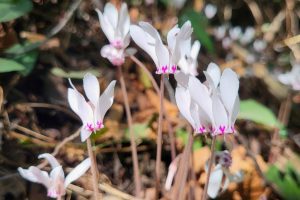
The Cyprus Cyclamen (Cyclamen cyprium) is far more than a delicate wildflower; it is a symbol of the island’s natural beauty and the resilience of its people. Formally designated as the national flower of Cyprus, this endemic treasure thrives in the cool, rocky shadows of the island's mountain ranges. seedscape.net The Mediterranean Rhythm: Growth in Winter In the unique climate of Cyprus, the seasons of life are reversed compared to northern latitudes. For the Cyprus Cyclamen, the scorching, dry summer is a period of "estivation" (summer dormancy), where it hides underground as a tuber to survive the heat. As the autumn rains arrive in September and October, the plant awakens. It uses the mild, wet winter to bloom and grow its biomass, taking advantage of the moisture before the landscape dries out again in May. Botanical Features and Identification While Cyprus is home to three cyclamen species, C. cyprium is the only one that is truly endemic—found nowhere else in the world. Key Characteristics • The Flower: Small, white to pale pink petals that sweep upward and twist at the tips. Each petal features a distinct magenta M-shaped mark at its base.• The Fragrance: It is famous for its intense, sweet lily-like scent that fills the winter air.• The Leaves: Heart-shaped with toothed edges. They are dark green with silver-grey…

Read more
Painted Churches In the Troodos Region

Painted Churches In the Troodos Region

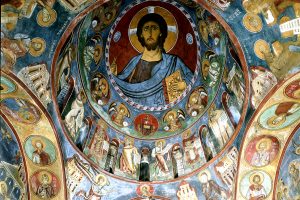
Ten small Byzantine churches scattered across the Troodos Mountains hold some of the finest medieval religious paintings in the Eastern Mediterranean. These UNESCO World Heritage sites preserve 500 years of artistic tradition in their vibrant frescoes. tour-de-cyprus-com Nine of the ten churches stand in the Nicosia District, while one church, Timios Stavros in Pelendri, is located in the Limassol District. These structures date from the 11th to the 16th centuries and display Byzantine metropolitan art of the highest quality alongside unique local characteristics. The churches range from small rural chapels to larger monastery complexes like Agios Ioannis Lampadistis. Their simple exterior architecture contrasts sharply with the sophisticated paintings inside. This striking difference makes them easy to overlook from the outside, but stepping through their doors reveals walls completely covered in colorful religious scenes. Historical Background Cyprus became part of the Byzantine Empire in 965 AD when Emperor Nicephoros Phokas sent a fleet to repel Arab raids. For the next two centuries, Byzantine officials administered the island as a military province. Muslims either left or converted to Christianity, and a period of peace began. Despite high taxes, the island's silk and food trades prospered, and major cities like Kyrenia, Famagusta, Nicosia, and Limassol were founded or expanded. During this stable period, wealthy donors began endowing churches in the Troodos mountains. The…

Read more
Nea Paphos Archaeological Park Roman Mosaics

Nea Paphos Archaeological Park Roman Mosaics

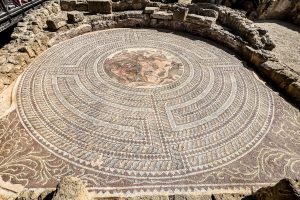
Nea Paphos Archaeological Park preserves the heart of an ancient city that served as the capital of Cyprus for over 600 years. Located on the southwestern coast near modern Paphos, this UNESCO World Heritage Site contains some of the finest Roman mosaics in the eastern Mediterranean, alongside temples, fortresses, and the remains of a once-thriving urban center. Adobe-Stock-com Historical Background Nea Paphos was founded in the late 4th century BC by Nikokles, the last king of Palaipaphos (Old Paphos), about 10 kilometers inland. The new coastal location offered better harbor access and strategic advantages for trade across the Mediterranean. When Ptolemy I of Egypt took control of Cyprus in 294 BC, he made Nea Paphos the island's administrative capital, a status it maintained through the Ptolemaic, Roman, and early Byzantine periods. Adobe-Stock-com The city reached its peak during Roman rule, from 58 BC onward. As the seat of the Roman proconsul, Nea Paphos became a wealthy urban center with impressive public works and luxurious private homes. According to the Acts of the Apostles, Paul the Apostle visited the city in 45 AD and converted the Roman proconsul Sergius Paulus to Christianity. It makes Cyprus one of the first Roman territories to have a Christian governor. The city suffered severe damage from earthquakes in the 4th century AD, particularly the devastating…

Read more