Explore Cyprus with Our Interactive Map

Explore our top stories and discover ideas worth your time.

Isolated Cyprus Villages with Scenic Views

Isolated Cyprus Villages with Scenic Views

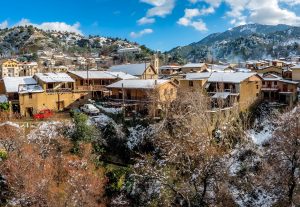
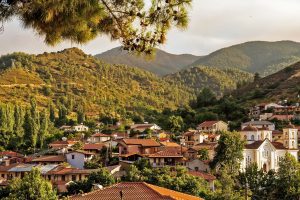
Isolated villages scattered across the Cypriot mountains offer some of the most dramatic views on the island. These remote settlements cling to hillsides and nestle in valleys, far from coastal tourist centers and modern development. shutterstock-com The villages sit at elevations ranging from 900 to 1,380 meters above sea level. Their geographic isolation preserved traditional architecture and ways of life that disappeared elsewhere. Stone houses with wooden balconies, cobblestone streets, and terraced hillsides create scenes that seem frozen in time. Panoramic vistas stretch in every direction from these mountain perches. Visitors can see across valleys thick with pine forests, down to distant coastlines, and toward other villages dotting the landscape. The clean mountain air and reduced light pollution make these locations ideal for photography and stargazing. Centuries of Mountain Settlement People have inhabited Cyprus mountains for thousands of years, though many current villages date from medieval times. During periods when coastal areas faced invasion threats, communities moved inland to the protection of mountain terrain. The Troodos Mountains became a refuge during Byzantine rule. Monasteries appeared first, followed by villages that supported religious communities. The mountains offered natural defense and cooler temperatures during scorching summers. tastecyprus-com Village names often trace back to feudal families or geographic features. Fikardou possibly derives from the phrase "den of fugitives" or from the noble Ficardo…

Read more
Troodos Mountains Biodiversity and Climate Core

Troodos Mountains Biodiversity and Climate Core

The Troodos Mountains rise from the heart of Cyprus as the island’s highest mountain system, with Mount Olympus reaching 1,952 meters above sea level. More than a scenic landscape, this mountain range forms the ecological and climatic core of the island. Its slopes regulate water supply, shape weather patterns, and support an extraordinary concentration of life found nowhere else in the Mediterranean. What makes Troodos truly exceptional is its geological origin. The mountains expose one of the most complete sections of ancient oceanic crust ever discovered on land, creating conditions that shaped a unique and fragile ecosystem over millions of years. britannica-com Historical Background The Troodos Mountains formed approximately 92 million years ago at the bottom of the ancient Tethys Ocean, nearly 8,000 meters below the sea surface. Molten rock from the Earth’s mantle rose through fractures in the ocean floor, solidifying into layers of basalt, gabbro, and peridotite. When the African and Eurasian tectonic plates collided, this section of oceanic crust was pushed upward rather than sinking back into the mantle. Geologists describe this phenomenon as an ophiolite complex, and Troodos represents the best preserved and most accessible example in the world. chooseyourcyprus-com Uplift began around 20 million years ago, with Mount Olympus at its center. Over time, erosion stripped away upper layers and exposed deeper geological formations normally…

Read more

Cape Greco Viewpoints, Cyprus

Cape Greco Viewpoints, Cyprus

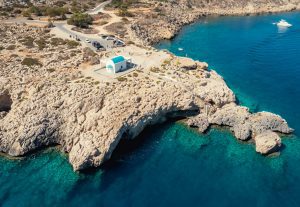
Cape Greco, also known as Cavo Greco, features several distinct viewpoints scattered along its southeastern coastline between Ayia Napa and Protaras. The main viewing platform sits at the highest point of the 385-hectare national forest park, providing 360-degree panoramas of the Mediterranean Sea and surrounding coastline. googleusercontent-com Additional viewpoints appear along the clifftops at various locations, each offering unique perspectives of limestone formations, sea caves, and the famous Blue Lagoon below. These elevated positions range from easily accessible roadside pullouts to platforms requiring short walks along nature trails. The viewpoints attract photographers, nature enthusiasts, and visitors who want to experience Cyprus's dramatic coastal geology without the crowds found at the resort beaches just minutes away. Geological Origins and Historical Development Cape Greco's geological history dates back millions of years. The limestone cliffs and formations seen today were created through a combination of tectonic activity and the erosive forces of the sea and wind. The limestone rock belongs to the Nicosia Formation, deposited during the Pliocene period approximately 5 to 3 million years ago, when this area was part of a shallow tropical sea. As the African and European tectonic plates collided, the seafloor gradually rose to form the island of Cyprus. googleusercontent-com Wave action and weathering have carved the coastline into its current dramatic form. Thirty foot high limestone cliffs…

Read more