Explore Cyprus with Our Interactive Map

Explore our top stories and discover ideas worth your time.

Painted Churches In the Troodos Region

Painted Churches In the Troodos Region

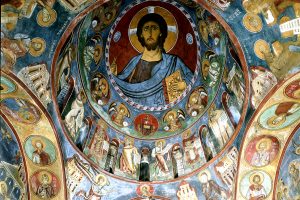
Ten small Byzantine churches scattered across the Troodos Mountains hold some of the finest medieval religious paintings in the Eastern Mediterranean. These UNESCO World Heritage sites preserve 500 years of artistic tradition in their vibrant frescoes. tour-de-cyprus-com Nine of the ten churches stand in the Nicosia District, while one church, Timios Stavros in Pelendri, is located in the Limassol District. These structures date from the 11th to the 16th centuries and display Byzantine metropolitan art of the highest quality alongside unique local characteristics. The churches range from small rural chapels to larger monastery complexes like Agios Ioannis Lampadistis. Their simple exterior architecture contrasts sharply with the sophisticated paintings inside. This striking difference makes them easy to overlook from the outside, but stepping through their doors reveals walls completely covered in colorful religious scenes. Historical Background Cyprus became part of the Byzantine Empire in 965 AD when Emperor Nicephoros Phokas sent a fleet to repel Arab raids. For the next two centuries, Byzantine officials administered the island as a military province. Muslims either left or converted to Christianity, and a period of peace began. Despite high taxes, the island's silk and food trades prospered, and major cities like Kyrenia, Famagusta, Nicosia, and Limassol were founded or expanded. During this stable period, wealthy donors began endowing churches in the Troodos mountains. The…

Read more

Cypriot Lyra

Cypriot Lyra

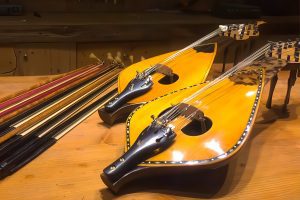
The Cypriot lyra is a bowed string instrument with a distinctive sound and playing style, at the heart of village music traditions and improvisation in Cyprus. It keeps alive ancient modal systems that date back to Byzantine times, blending melody and rhythm in ways that echo the island's rich history. This humble yet expressive tool has shaped Cypriot folk culture for centuries, raising questions about how such a simple device captures the soul of a people. facebook-com A Timeless Voice of the Island The Cypriot lyra represents a key element of the island's musical heritage, a three-stringed bowed instrument that produces haunting, resonant tones unique to Mediterranean folk traditions. Crafted from local woods like walnut or mulberry, its pear-shaped body and goat-skin membrane create a sound that is both melancholic and vibrant, often compared to a human voice in its emotional range. Played vertically on the knee, it allows for intricate bowing and fingering techniques that facilitate spontaneous improvisation, a hallmark of Cypriot music. This instrument is not merely a musical device but a cultural symbol, embodying the blend of Eastern and Western influences that define Cyprus's identity. The Historical Roots of the Lyra The lyra's origins trace back to the medieval Byzantine era, evolving from the ancient kithara and rebab-like instruments introduced through trade and conquest. Archaeological evidence from…

Read more
Cape Greco National Forest Park

Cape Greco National Forest Park

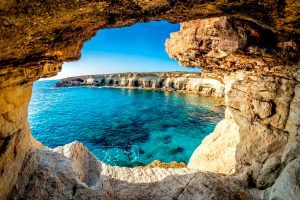
Cape Greco National Forest Park occupies 385 hectares on a rocky promontory at the southeastern tip of Cyprus, nestled between the resorts of Ayia Napa and Protaras. The park was designated as a National Forest Park in 1993 to protect this area of unspoiled natural beauty. The broader Natura 2000 site encompasses 1,876 hectares, including 915 hectares of terrestrial area and 961 hectares of marine zones. tripbucket.com The dramatic limestone cliffs rise 30 feet above turquoise Mediterranean waters, creating spectacular coastal scenery. Sea caves carved by thousands of years of wave action punctuate the coastline, while natural rock arches frame views of the endless blue horizon. The park combines hiking trails, cycling paths, endemic plant species, and coastal beauty in a relatively compact area. Visitors experience Cyprus at its wildest and most beautiful, with pine scented paths overlooking crystal clear waters. The lost juniper forest and current vegetation Cape Greco was originally covered by a dense juniper forest that gave the area its distinctive character. Between 1910 and 1920, these trees were rapidly cut down and burned to power steam flour mills that operated in abundance in the Paralimni area. Since then the slow growing juniper has never fully recovered, though scattered specimens still survive alongside varieties of pine. tripbucket.com Today the vegetation consists mostly of sparse low level growth,…

Read more