Explore Cyprus with Our Interactive Map

Explore our top stories and discover ideas worth your time.

Adaptation of Imported Artistic Techniques

Adaptation of Imported Artistic Techniques

Adaptation of Imported Artistic Techniques in ancient Cyprus involved incorporating styles from regions such as Greece, Egypt, and the Near East, then modifying them to align with local beliefs and values. Rather than exact replication, Cypriot artists infused these elements with distinctive island characteristics, resulting in art that felt authentically Cypriot - unique and rich in significance. This process of selective adaptation transformed external influences into innovative expressions, illustrating how an island on the periphery of empires developed a vibrant creative identity. Metmuseum-org A Creative Synthesis at a Mediterranean Crossroads Cypriot art emerged from the island's position as a nexus of cultural exchange, where imported techniques underwent transformation to reflect indigenous perspectives. External styles arrived through trade, migration, and conquest, but artists selectively reshaped them to emphasize themes central to Cypriot life, such as harmony with nature, divine protection, and communal resilience. Pottery, sculptures, and architectural elements bear witness to this blending, where foreign forms gained new meanings tied to the island's spiritual and social fabric. The outcome was a visual language that balanced innovation with tradition, capturing the essence of a society Ancientcyprus-com navigating diverse influences while preserving its core identity. The Beginnings of Cultural Adaptation The practice of adapting imported techniques traces back to the Bronze Age around 2500 BC, when Cyprus's copper resources attracted merchants from surrounding…

Read more

Fertility and Mother-Goddess Cults

Fertility and Mother-Goddess Cults

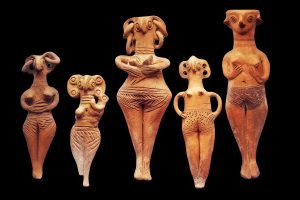
Fertility and Mother Goddess cults in ancient Cyprus were the island's earliest spiritual heartbeat, centered on a powerful female divine force that oversaw birth, growth, and the rhythms of nature. These beliefs weren't about distant deities but a hands-on reverence for life's cycles, helping early communities thrive amid uncertainty. Digging into them reveals how Cypriots turned everyday survival into something sacred, leaving us wondering just how much of that ancient wisdom still echoes today. The Roots of Cyprus's Earliest Beliefs Imagine a time when religion wasn't found in grand temples or holy books, but in the soil under your feet and the changing seasons overhead. That's where Fertility and Mother Goddess cults began in Cyprus - as a practical way for prehistoric people to make sense of a world full of risks like failed crops or harsh winters. These weren't fancy philosophies; they were born from the need to ensure life kept going. The Mother Goddess, often depicted as a nurturing female figure, symbolized the force behind everything that grew or multiplied. She wasn't a queen on a throne but more like the earth's own pulse, connecting humans to the land's bounty. For early Cypriots, from the Chalcolithic period around 4000 BC onward, this wasn't superstition - it was survival wrapped in awe, a way to feel in control of…

Read more
Emphasis on Frontalism and Hieratic Scale

Emphasis on Frontalism and Hieratic Scale

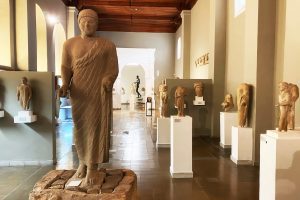
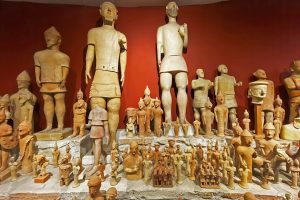
Emphasis on Frontalism and Hieratic Scale in ancient Cypriot art involved depicting figures in direct frontal views, with sizes scaled to reflect spiritual or social significance rather than physical accuracy. This method imbued artworks with a sense of authority and depth, incorporating influences from neighboring cultures to emphasize deities, rulers, or sacred concepts over naturalistic portrayals. The approach created compositions that convey power and divinity through straightforward, impactful forms. A Style Prioritizing Significance Cypriot art from antiquity often avoided precise replication of reality, opting instead for frontalism where subjects face outward directly. Hieratic scale further adjusted proportions, enlarging key elements to denote importance - a deity might dominate over attendants, defying natural dimensions. This was not a limitation but a deliberate strategy to clarify hierarchies, as seen in temple reliefs or vessel decorations, where the format ensured immediate comprehension of narratives. Facebook-com Influences from Surrounding Regions The technique drew from interactions with adjacent civilizations, beginning in the Bronze Age around 3000 BC amid trade with Egypt, the Near East, and Greece. Egyptian art's rigid frontal poses and enlarged rulers influenced Cypriot statues, adopting a formal, unchanging stance. Near Eastern traditions contributed exaggerated scales for monarchs or divinities, while later Greek elements introduced subtle dynamism. As empires like Persia and Rome asserted control, Cypriot adaptations formed a distinctive synthesis aligned with…

Read more