Explore Cyprus with Our Interactive Map

Explore our top stories and discover ideas worth your time.

Waterfront Streets of Cyprus

Waterfront Streets of Cyprus

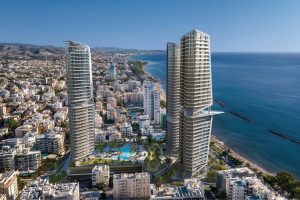
Cyprus waterfront streets stand as living examples of Mediterranean coastal architecture. These narrow lanes wind between stone homes and harbors where fishing boats bob in the water. The combination creates a picture that has defined Cypriot coastal life for centuries. The architecture reflects practical needs adapted over generations, with thick stone walls built to withstand salt air and coastal weather. Shutterstock-com Fishermen positioned their homes steps from the water, creating communities where daily life revolved around the sea. Today these streets preserve traditional building methods and materials while continuing to function as active neighborhoods. The stone structures, colorful boats, and winding pathways offer a direct connection to Cyprus's maritime heritage. Waterfront Architecture in Cyprus The relationship between Cyprus and the sea dates back thousands of years. Ancient ports like Paphos served as vital trade centers connecting the Mediterranean world. By the Bronze Age, Cypriot coastal settlements had already established sophisticated harbor systems. The Romans later expanded these facilities, recognizing the strategic importance of Cyprus as a maritime hub between Europe, Asia, and Africa. In-Cyprus-com Traditional waterfront architecture developed from practical necessity. Fishermen built their homes close to harbors where they moored their boats. Stone became the material of choice, quarried from the island's abundant limestone deposits. These structures were designed to withstand salt air and coastal weather. The proximity of…

Read more
Emphasis on Frontalism and Hieratic Scale

Emphasis on Frontalism and Hieratic Scale

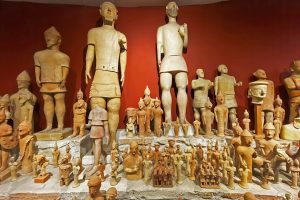
Emphasis on Frontalism and Hieratic Scale in ancient Cypriot art involved depicting figures in direct frontal views, with sizes scaled to reflect spiritual or social significance rather than physical accuracy. This method imbued artworks with a sense of authority and depth, incorporating influences from neighboring cultures to emphasize deities, rulers, or sacred concepts over naturalistic portrayals. The approach created compositions that convey power and divinity through straightforward, impactful forms. A Style Prioritizing Significance Cypriot art from antiquity often avoided precise replication of reality, opting instead for frontalism where subjects face outward directly. Hieratic scale further adjusted proportions, enlarging key elements to denote importance - a deity might dominate over attendants, defying natural dimensions. This was not a limitation but a deliberate strategy to clarify hierarchies, as seen in temple reliefs or vessel decorations, where the format ensured immediate comprehension of narratives. Facebook-com Influences from Surrounding Regions The technique drew from interactions with adjacent civilizations, beginning in the Bronze Age around 3000 BC amid trade with Egypt, the Near East, and Greece. Egyptian art's rigid frontal poses and enlarged rulers influenced Cypriot statues, adopting a formal, unchanging stance. Near Eastern traditions contributed exaggerated scales for monarchs or divinities, while later Greek elements introduced subtle dynamism. As empires like Persia and Rome asserted control, Cypriot adaptations formed a distinctive synthesis aligned with…

Read more
Panagia Asinou Church

Panagia Asinou Church

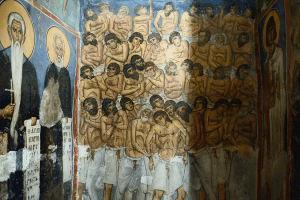
Asinou Church (Panagia Phorviotissa), near Nikitari in the Troodos foothills, preserves one of the Mediterranean’s most complete sequences of Byzantine wall painting, built up in phases from the 12th to the 17th century. Its modest scale, secluded setting, and protective timber roof helped the frescoes survive when many urban churches were altered or lost. This article explains how the church evolved, how its painted program is structured, and what its layered imagery reveals about faith, community life, and historical change in Cyprus. noticketback.com A Church Protected by Its Own Isolation Asinou sits in the foothills of the Troodos range, away from coastal cities and major trade routes. That distance shaped its survival. While many urban churches were altered, damaged, or rebuilt, Asinou remained relatively untouched, sheltered by geography as much as intention. irecommend.ru The setting still feels deliberate. Almond trees and pines surround the church, and the valley softens sound. This sense of removal is not accidental. Byzantine monasteries often sought quiet landscapes where spiritual life could unfold without interruption. At Asinou, that isolation became a form of protection, preserving paintings that would otherwise have been lost. Why It Is Called Panagia Phorviotissa The church's formal name, Panagia Phorviotissa, refers to the 'Monastery of Forvion' (or 'of the vetches'/'of the spurges'), a title linked to rural life and the surrounding…

Read more