Long before saints and churches, Cyprus was home to powerful gods and goddesses whose temples dotted the island and whose myths shaped Mediterranean culture. From Aphrodite rising from the sea foam to warrior deities protecting cities, Cyprus’s ancient pantheon blended Greek, Phoenician, and local traditions into something uniquely Cypriot – and traces of these divine beings still linger in the landscape today.
- A Crossroads of the Divine
- Where Divine Traditions Met and Merged
- The Queen of Cyprus
- Gods of Light and Wild Places
- Eastern Powers and Ancient Goddesses
- Divine Kings and Dying Gods
- Heroes Under Divine Protection
- Divine Details That Surprise
- Divine Power in Sacred Spaces
- Divine Legacies in Modern Cyprus
- Walking Among the Gods
- The Impact of the Gods Today
A Crossroads of the Divine
Ancient Cyprus didn’t worship just one set of deities. Instead, the island’s position at the crossroads of Greek, Near Eastern, and Egyptian civilizations created a rich religious tapestry where different cultures’ gods merged, borrowed from each other, and sometimes became the same deity under different names.
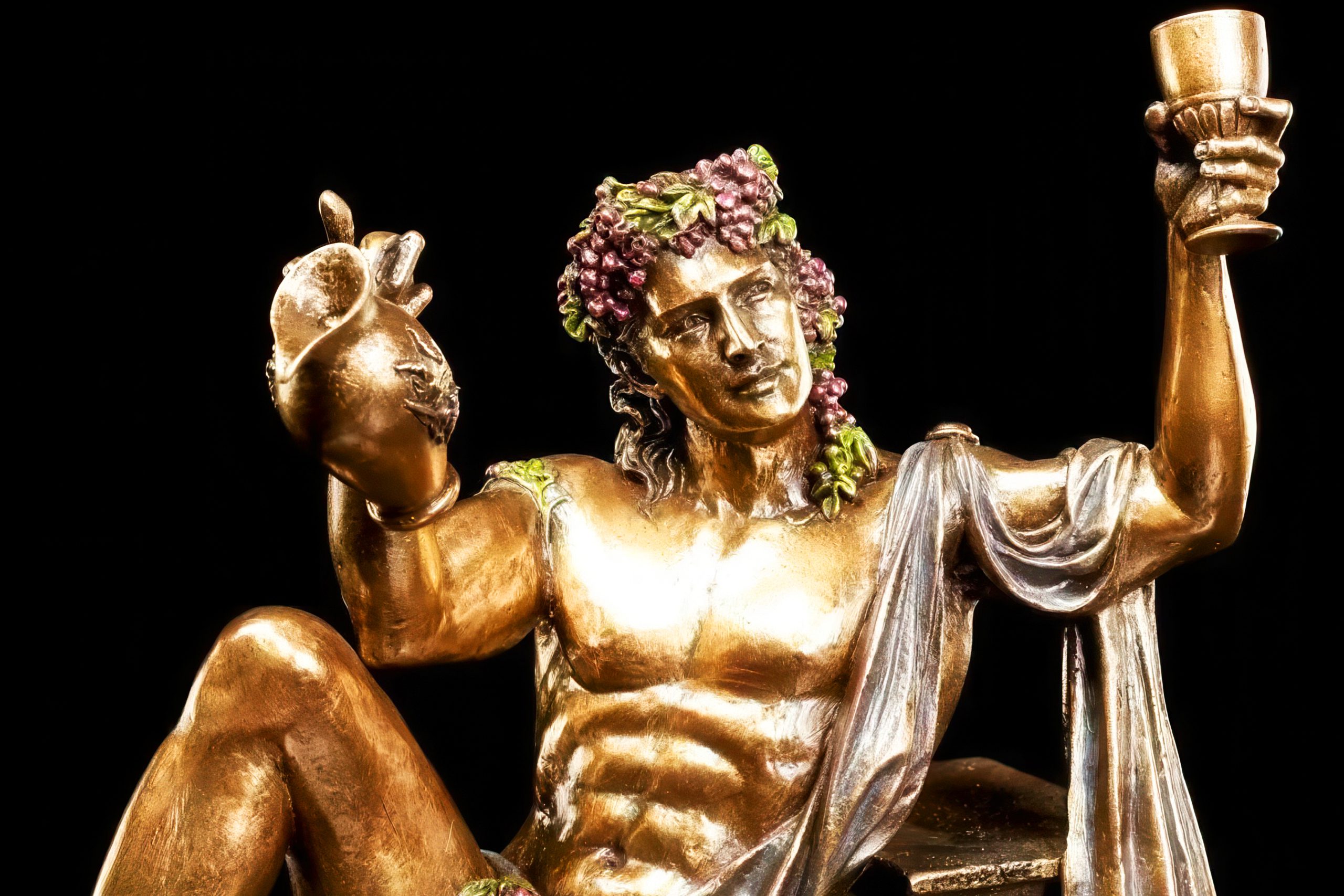
From the Bronze Age onward, Cypriots worshipped a Great Goddess of fertility who would eventually be identified with the Greek Aphrodite. But they also honored male gods adapted from neighboring lands – Phoenician warrior protectors, Greek sky fathers, and mysterious local spirits. By classical times, the island had developed a complex pantheon where Greek Aphrodite and Apollo appeared alongside Near Eastern Astarte and Resheph, creating a unique mythic identity that belonged fully to neither East nor West but to Cyprus itself.
Where Divine Traditions Met and Merged
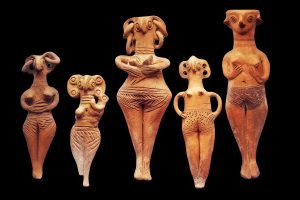
Cyprus’s religious history stretches back thousands of years, with each wave of settlers adding new layers to the island’s spiritual landscape. Archaeological evidence shows that fertility cults existed around Paphos as early as 3000 BCE, with worshippers leaving small terracotta figurines of women emphasizing fertility. These weren’t mere decorations – they were prayers made solid.
As waves of settlers arrived – Mycenaean Greeks in the Late Bronze Age, Phoenician traders in the 12th century BCE, Egyptian merchants seeking Cyprus’s famous copper – each brought their own gods. Rather than replacing old beliefs with new ones, Cypriots syncretized them. When Phoenician settlers brought their goddess Astarte, she merged with the existing fertility goddess and the Greek Aphrodite into a single powerful deity. When Greeks equated the Phoenician warrior god Resheph with their own Apollo, both cultures found common ground in worship.
This religious blending reflected Cyprus’s role as a trading hub where different peoples lived side by side in independent city-kingdoms like Salamis, Kourion, Amathus, and Paphos. Local priesthoods and royal families merged divine and secular power, creating dynasties like the legendary Kinyras line that claimed descent from gods and served as priests.
The Queen of Cyprus
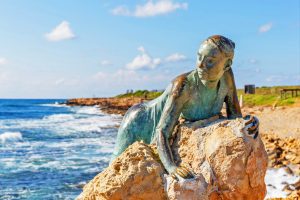
Aphrodite reigned supreme as Cyprus’s greatest goddess, and the island’s claim to her was absolute. Legend claimed she was born from sea foam off Cyprus’s coast at Petra tou Romiou, making the entire island her sacred birthplace. The Greeks called her “Kypris” – literally “Lady of Cyprus” – making the island’s name synonymous with the goddess of love herself.
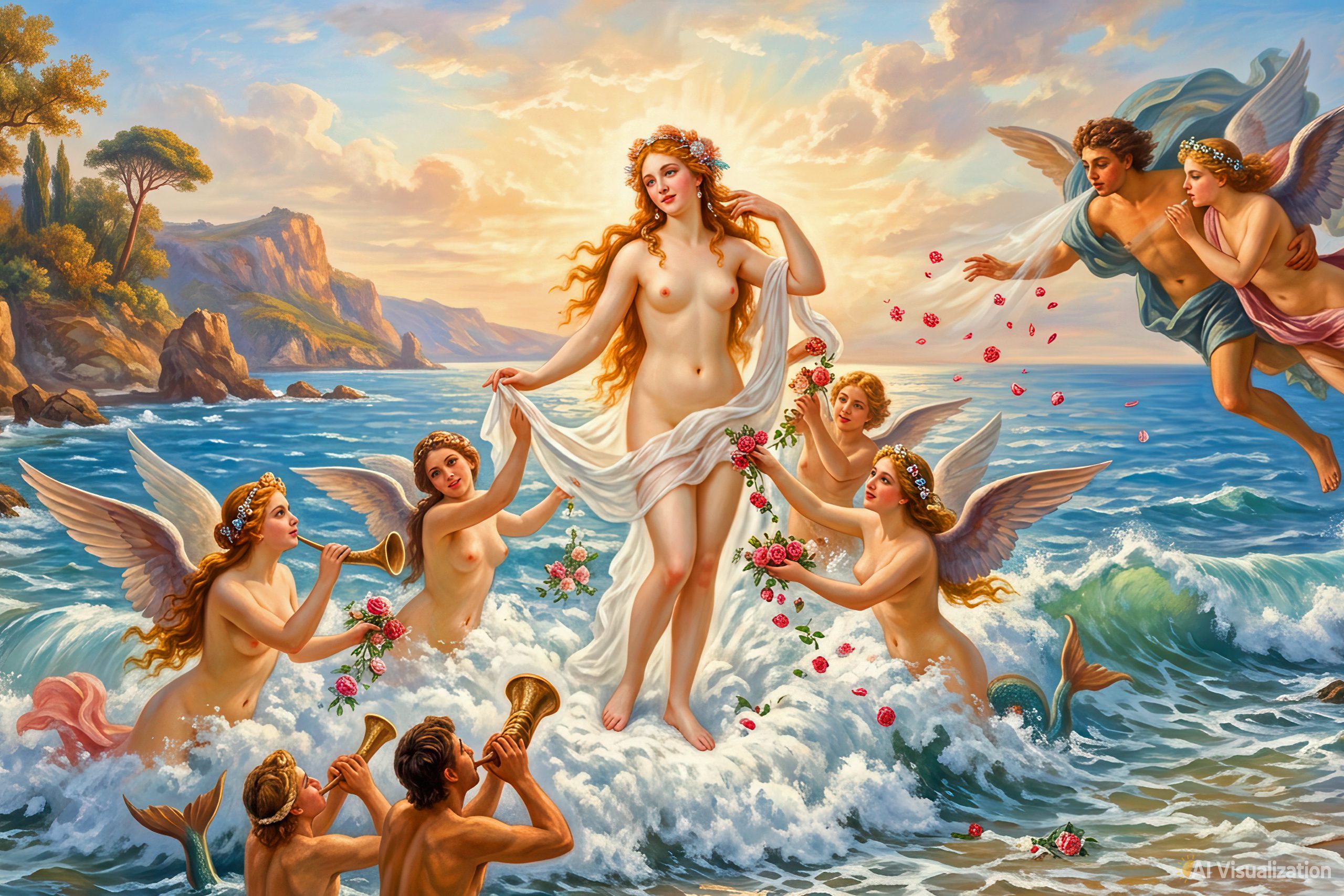
The first temple to Aphrodite in Old Paphos (Kouklia) was built as early as the 12th century BCE, making it one of the oldest continuously-used religious sites in the Mediterranean. Her cult at Paphos became so influential that pilgrims traveled from across the Mediterranean world to worship there. Unlike later Hellenistic images of a nude Venus, Cypriot Aphrodite often appeared modest and fertility-rich – sometimes enthroned, sometimes wearing a tall polos hat, always emphasizing her role as a mother goddess and life-giver.
Hundreds of votive offerings from her cult sites show women with accentuated features reflecting prayers for fertility and childbirth. The Romans later identified her with Venus, continuing her worship on Cyprus for centuries. Her cult titles reflected this diversity: Aphrodite Ourania (Celestial Aphrodite) emphasized her cosmic power, while Aphrodite Pandemos (Aphrodite of all the people) stressed her accessibility.
Gods of Light and Wild Places
Apollo held tremendous importance on Cyprus, worshipped extensively as a god of light, prophecy, music, and healing. His major sanctuary at Kourion featured a magnificent temple complex where worshippers sought protection and divine guidance. Here he was honored as Apollo Hylates – Apollo of the forests – a uniquely Cypriot epithet that connected the Greek god to the island’s wooded landscapes.
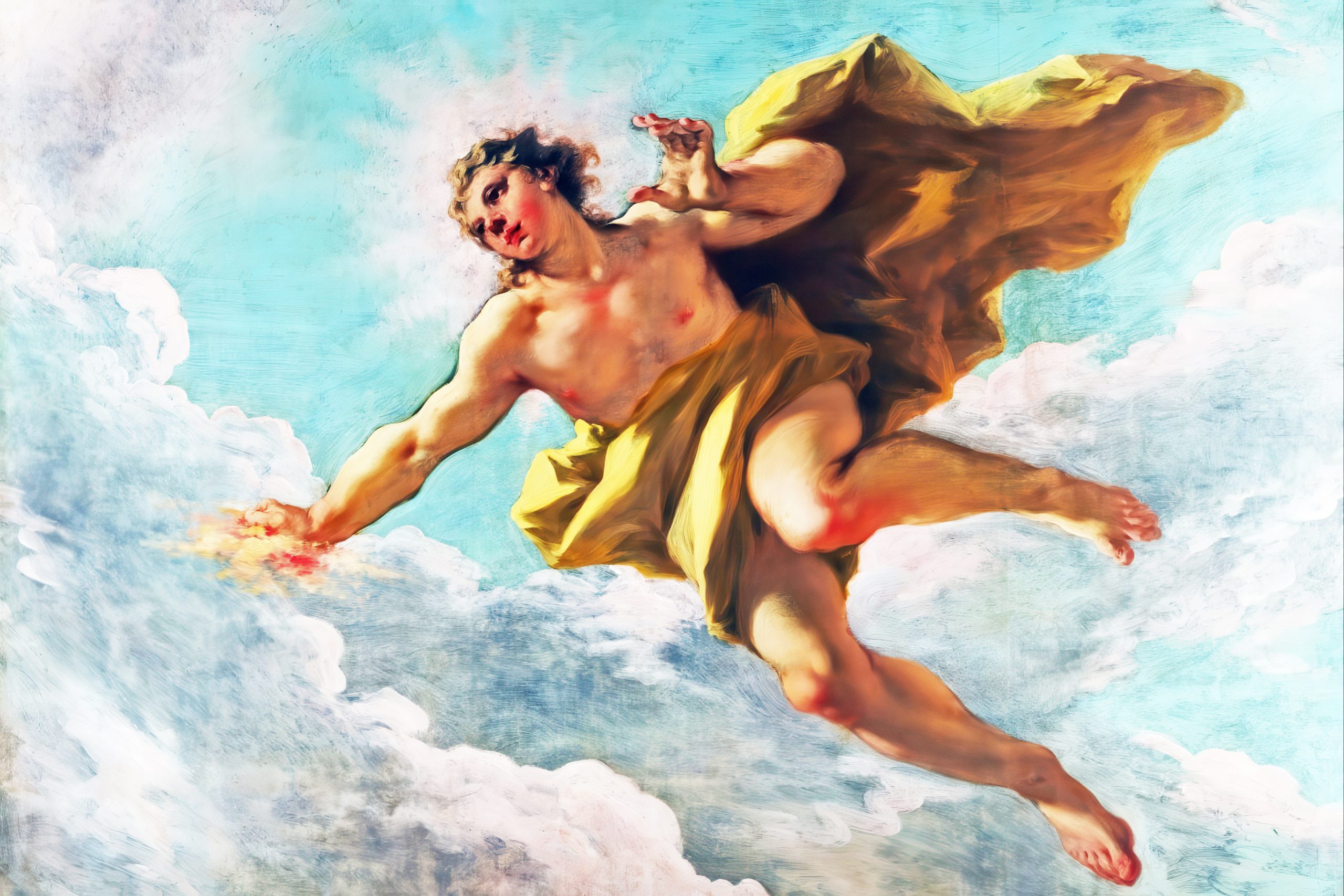
The Greeks on Cyprus equated Apollo with the Phoenician Resheph, probably because both were archer gods associated with plague and healing. This wasn’t theological confusion but practical wisdom – by recognizing divine equivalences, different communities could worship together.
Artemis, Apollo’s twin sister, also commanded strong local cults across Cyprus. As goddess of hunting, wilderness, and childbirth, she blended Greek characteristics with older Near Eastern traditions of powerful female deities connected to nature and fertility.
Eastern Powers and Ancient Goddesses
Astarte was Aphrodite’s Eastern twin – a Near Eastern goddess of fertility, sexuality, and war brought to Cyprus by Phoenician settlers. On the island, Astarte and Aphrodite essentially became identified with each other, sharing symbols like doves and lions. But Astarte retained her warrior aspects longer, typically portrayed as a powerful warrior queen, armed and sometimes accompanied by horses or chariots.
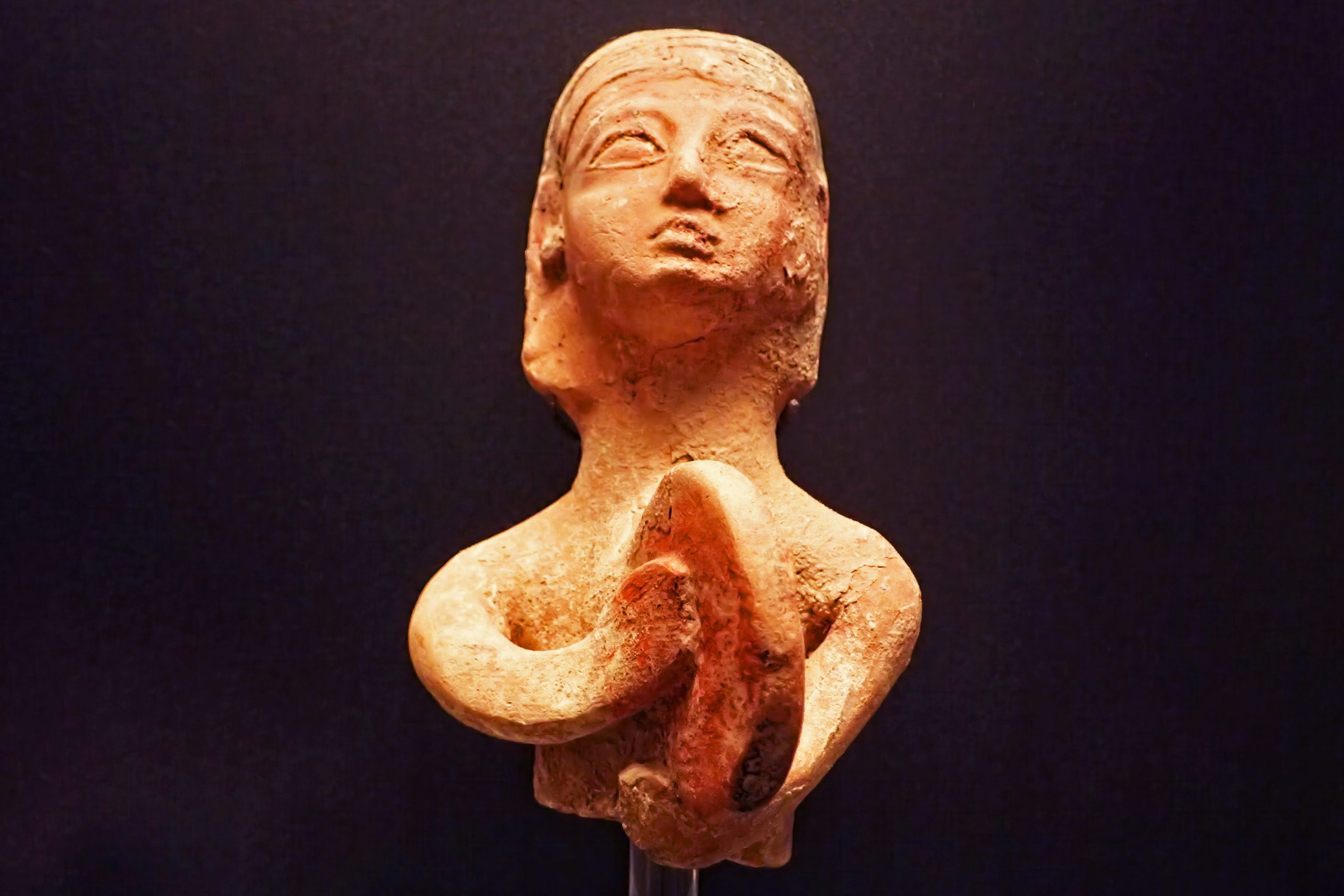
She was worshipped especially in city-kingdoms with strong Phoenician ties like Kition (modern Larnaca) and Amathus. Even more ancient was Anat, a goddess of war and fertility from the Eastern Mediterranean whose worship left traces in Cypriot Bronze Age contexts.
Resheph was a warrior and plague god of Canaan and Phoenicia who became a protective deity in Cyprus. Phoenician settlers established his main cult center at Idalion (modern Dali), where many inscriptions honor “Resheph of Idalion.” In iconography he appeared as an armed man bearing bow, arrows, or club – a guardian god who could both send and avert disease.
Divine Kings and Dying Gods
Kinyras was a legendary king-priest of Paphos who embodied the fusion of political and religious authority. Myth described him as wealthy, handsome, and musical – some said he invented the lyre and brought copper-working to Cyprus. He served as the first high priest of Aphrodite at Paphos, making him a semi-divine figure who embodied sacred kingship.
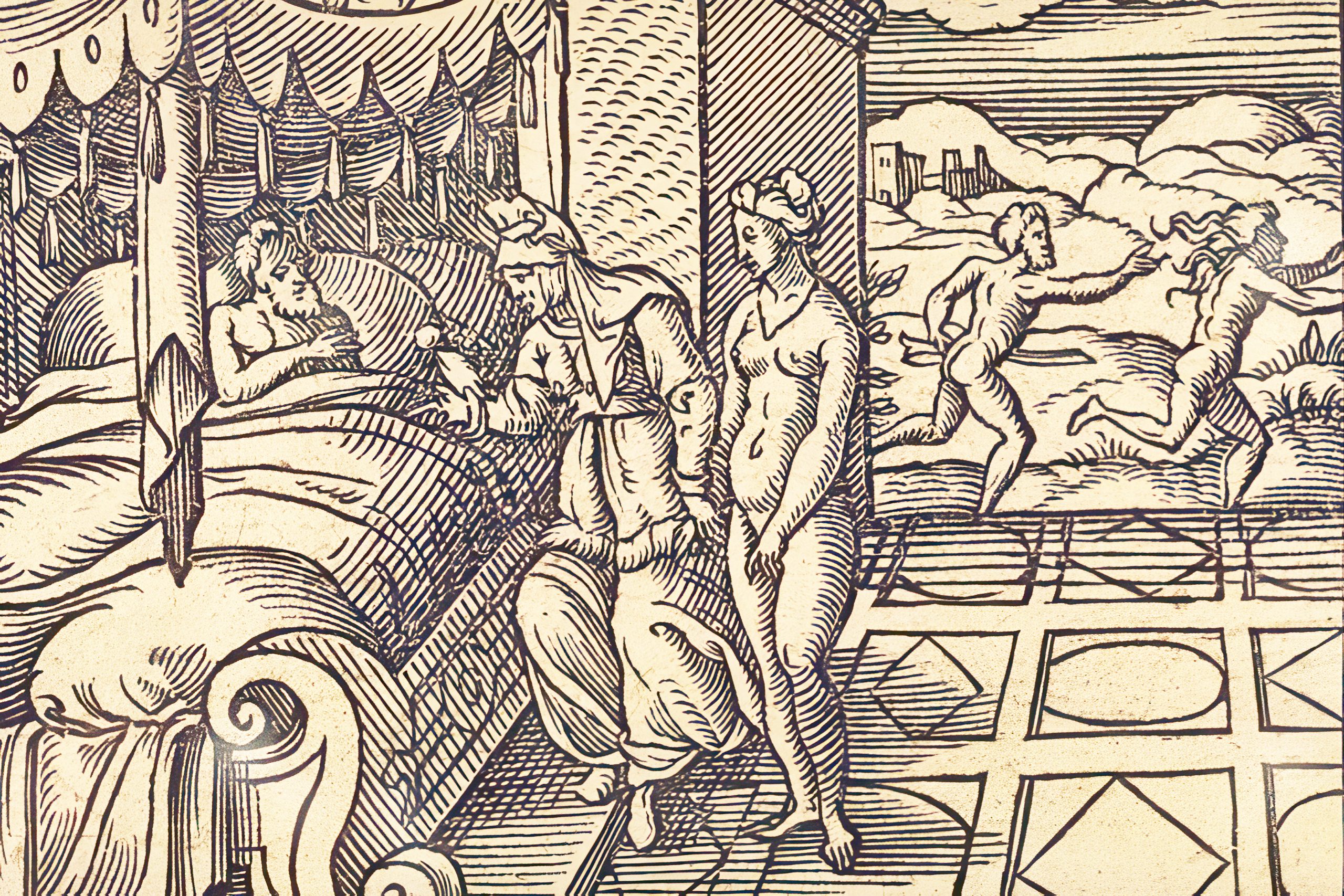
Later kings of Paphos called themselves Kinyradai, claiming descent from him and thus divine legitimacy. Ancient coinage from Paphos shows these priest-kings officiating at temples, underscoring the fusion of religious and political power. But tragedy marked Kinyras’s mythological lineage – his daughter Myrrha was cursed to fall in love with him, and from their union came Adonis, born when the gods transformed the pregnant Myrrha into a myrrh tree.
Adonis became Cyprus’s god of vegetation and rebirth, a beautiful youth who symbolized nature’s cycle of death and renewal. He met Aphrodite at a secluded pool near Cape Akamas (later called the Baths of Aphrodite) and became her lover. Tragically, Adonis was gored by a wild boar while hunting and died in Aphrodite’s arms, his blood transforming into anemone flowers.
The red anemones that still bloom wild on Cyprus each spring are said to carry his blood. Women held annual mourning rites called Adonia, planting “Gardens of Adonis” – pots of fast-sprouting plants that quickly withered – to symbolize his brief life.
Heroes Under Divine Protection
Teucer, the famous archer from the Trojan War, became Cyprus’s legendary founder-hero. Exiled from his homeland after the war, he sailed to Cyprus and established the great city of Salamis under Apollo’s protection. Cypriots honored him not just as a city founder but as a semi-divine protector whose spirit watched over Salamis.
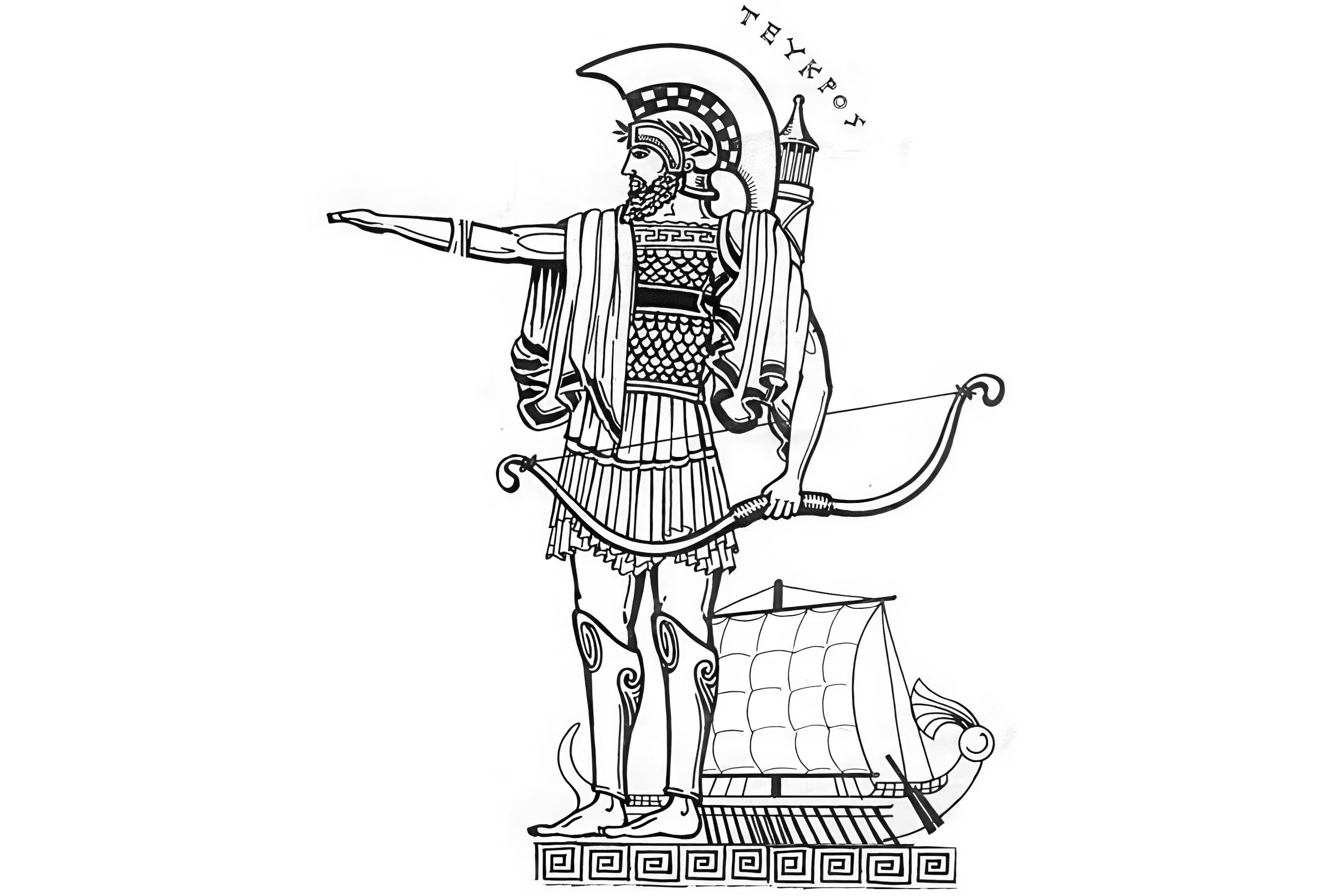
Temples at Salamis honored Zeus Salaminios, a local form of the Greek sky father who protected the city. Pygmalion, another legendary figure, was a king and sculptor whose statue was brought to life by Aphrodite as Galatea. This tale reinforced Cyprus’s identity as Aphrodite’s island, where the goddess could work miracles.
Divine Details That Surprise
- Copper’s Divine Origin – Cyprus’s association with Aphrodite shaped language itself. The island’s ancient name Kypros became Latin “cuprum,” the source of the English word “copper.” Legend said Aphrodite had a golden palace somewhere in Cyprus’s mountains, linking the goddess to the island’s famous metalworking.
- The Bearded Aphrodite – Amathus had a unique cult statue of “Aphroditos” – essentially a male-form Aphrodite with a beard. This unusual representation may have blended Aphrodite with the Phoenician god Melqart, creating yet another example of Cyprus’s religious syncretism.
- Swimming for Beauty – Local folklore claims that swimming around Petra tou Romiou three times brings eternal youth, beauty, and good luck. This tradition supposedly dates back to ancient times when women sought Aphrodite’s favor by ritually circling the spot where she was born.
- Sacred Kingship on Coins – Ancient coinage from Paphos shows priest-kings officiating at temples. These rulers weren’t just appointed by gods – they claimed to be descended from them, making every political act a religious one.
- Names That Still Live – Some modern Cypriots still use “Reshef” as a boy’s name, preserving the ancient god’s memory in contemporary life.
- Forest God of Kourion – Apollo Hylates’s sanctuary at Kourion enforced strict rules: no one could touch the sacred trees in his grove, and violators were supposedly thrown from the nearby cliffs into the sea.
Divine Power in Sacred Spaces
Cypriot Aphrodite was more than a love deity – she embodied life-giving power, sovereignty, and Cyprus’s international importance. Her priests at Paphos formed a sacred kingship lineage that ruled the city for centuries. The goddess carried traits of Near Eastern deities like Astarte and Anat, making her both Greek and Oriental, familiar to traders from Athens and Tyre alike.
Under the Ptolemies and Romans, her cult continued to evolve. Venus, Rome’s equivalent goddess, continued Aphrodite’s worship seamlessly, and Paphos remained a major pilgrimage destination well into the Christian era. Adonis’s cult reflected agricultural cycles crucial to island life, mirroring the annual pattern of summer drought and spring renewal.
Nature spirits added another layer to Cyprus’s divine population. Cypriot nymphs – spirits of springs, groves, and mountains – served as attendants to Aphrodite or Artemis in local myths. These minor divine beings personified specific natural features, making the entire landscape feel alive with supernatural presence.
Divine Legacies in Modern Cyprus
These ancient deities still color Cypriot culture profoundly. Aphrodite remains the island’s national myth – her name appears on hotels, beaches, festivals, and tourism campaigns. The Cyprus Tourism Board markets the island as “Aphrodite’s birthplace,” and visitors flock to Petra tou Romiou seeking the romance and beauty the goddess represents.
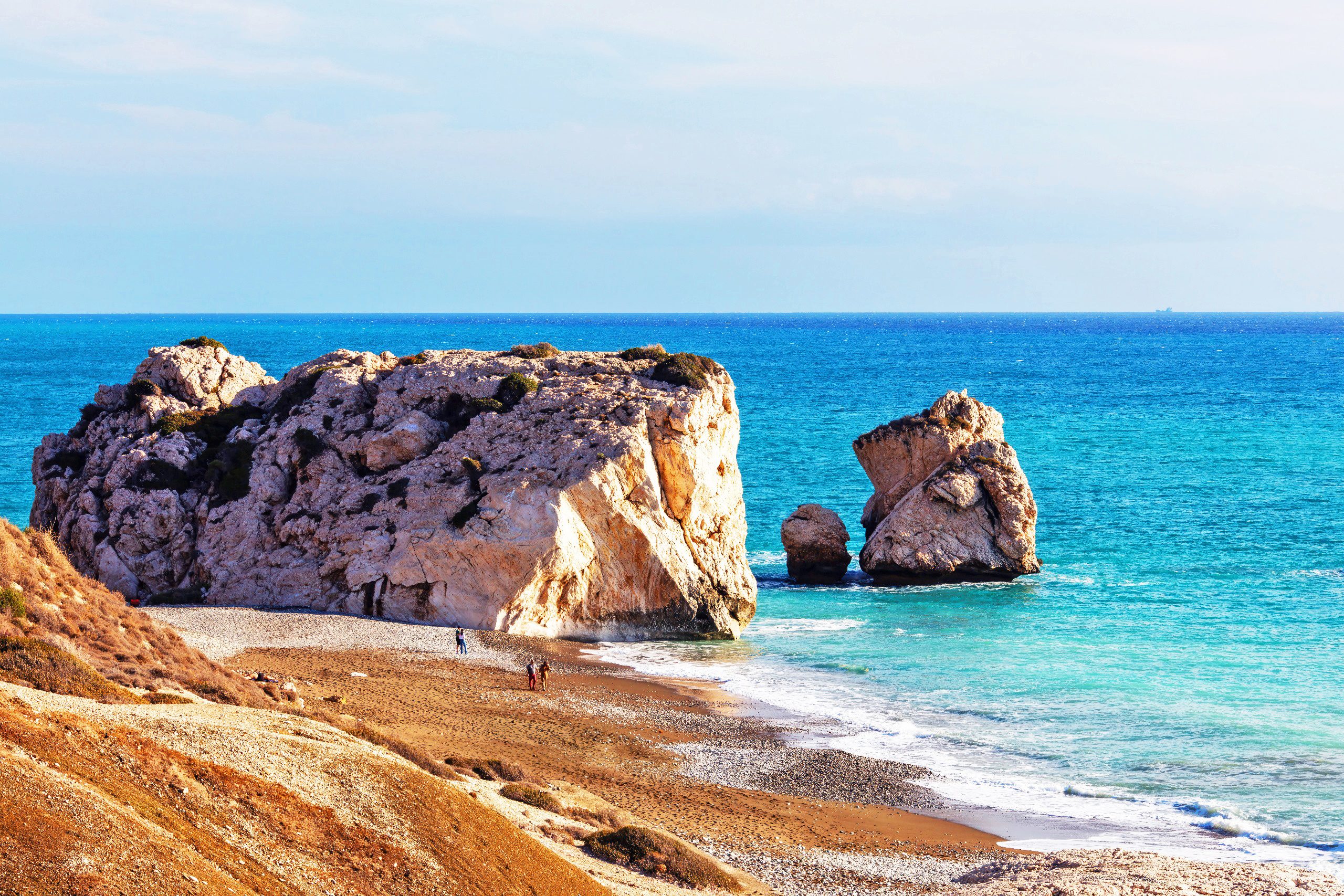
Each year Paphos hosts cultural festivals echoing ancient celebrations in Aphrodite’s honor. Though Christianity replaced pagan worship over 1,500 years ago, many Cypriots regard sites like Aphrodite’s Temple as proud heritage. Place names preserve divine geography – beaches named after Aphrodite, villages near ancient Zeus temples. The tales are taught in schools as foundational mythology, keeping Cyprus’s divine legacy alive.
Archaeological sites dedicated to these gods draw international visitors, contributing significantly to tourism and cultural pride. The ancient deities have become symbols of Cyprus’s unique position between East and West, its ability to blend cultures while maintaining distinct identity.
Walking Among the Gods
- Paphos Archaeological Park (Kouklia) – Walk among the ruins of Aphrodite’s ancient sanctuary at Old Paphos, a UNESCO World Heritage site. The site includes the remains of the Temple of Aphrodite Paphia, where priest-kings once performed sacred rites. Plan at least two hours to explore properly.
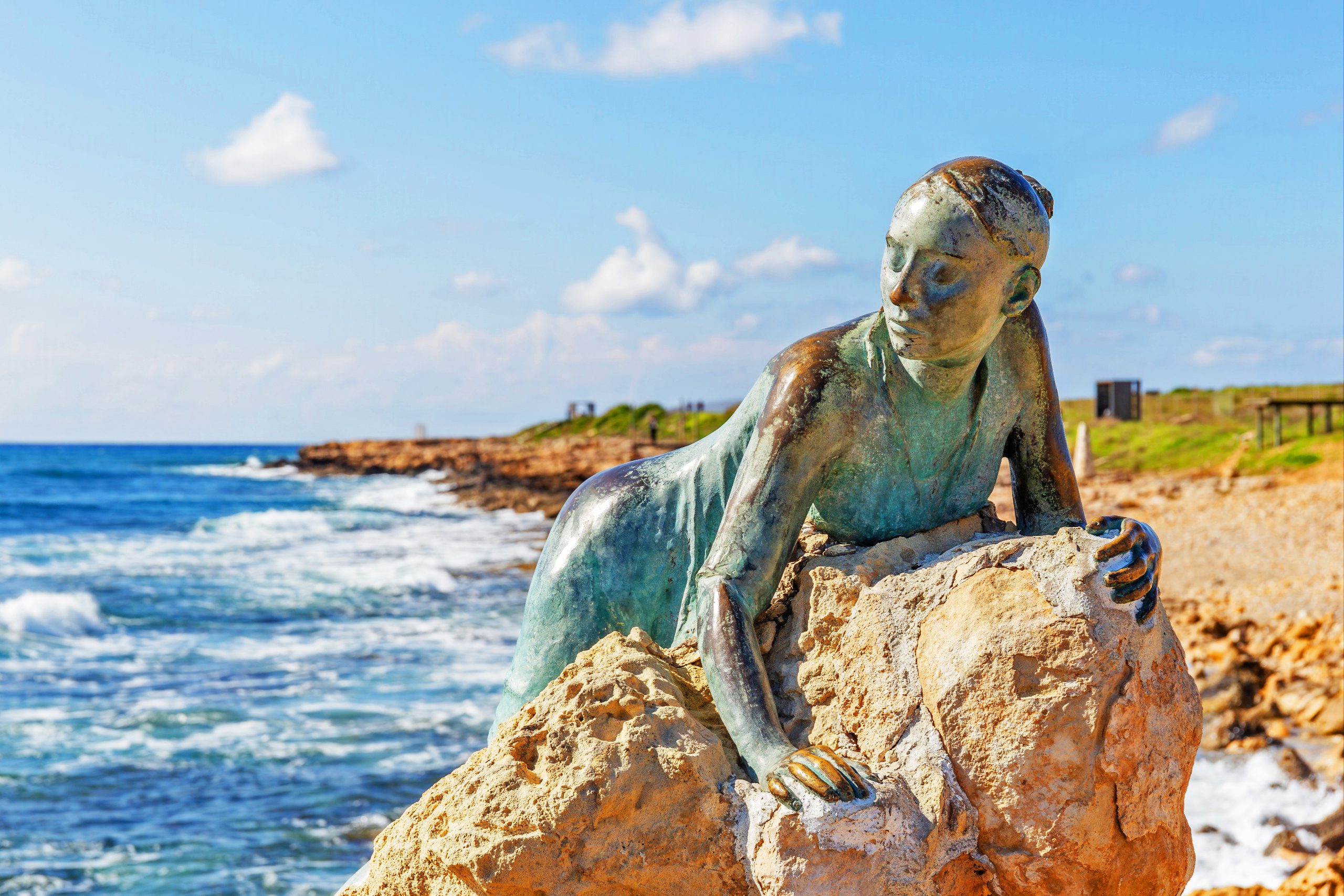
- Petra tou Romiou – The legendary beach-rock where Aphrodite emerged from the waves is easily accessible along the coast road. Many visitors swim in the turquoise waters and photograph the dramatic sea stacks. Whether a visitor circles the main rock three times for good luck is entirely up to them.
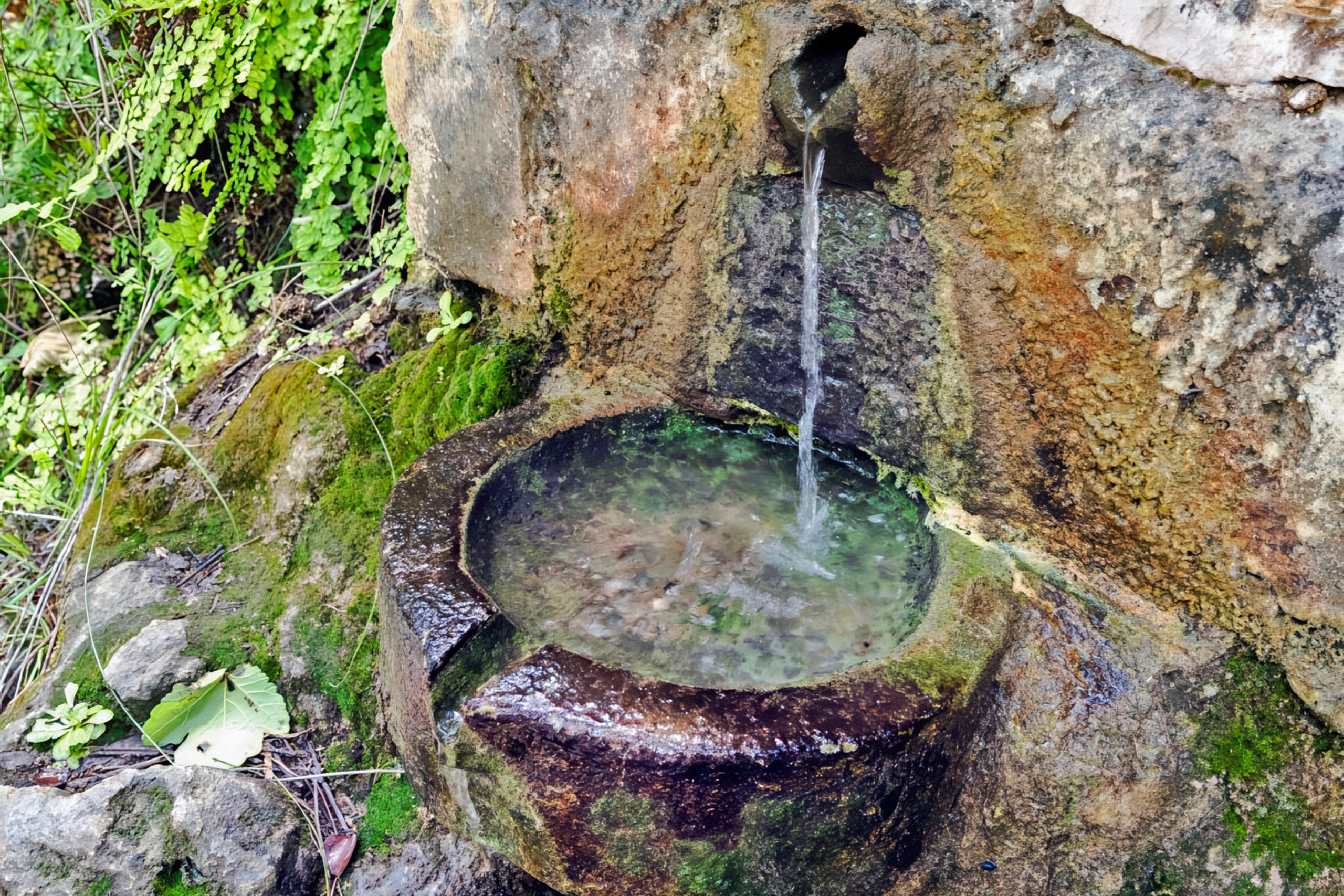
- Bath of Aphrodite – A short hike on Cape Akamas leads to this spring-fed pool shaded by fig trees where legend says Adonis first met Aphrodite. The rocky pool creates an intimate grotto that feels genuinely mythic.
- Sanctuary of Apollo Hylates at Kourion – This extensive archaeological site near Limassol preserves one of Cyprus’s most important Apollo sanctuaries. The clifftop location offers stunning views of the coast.
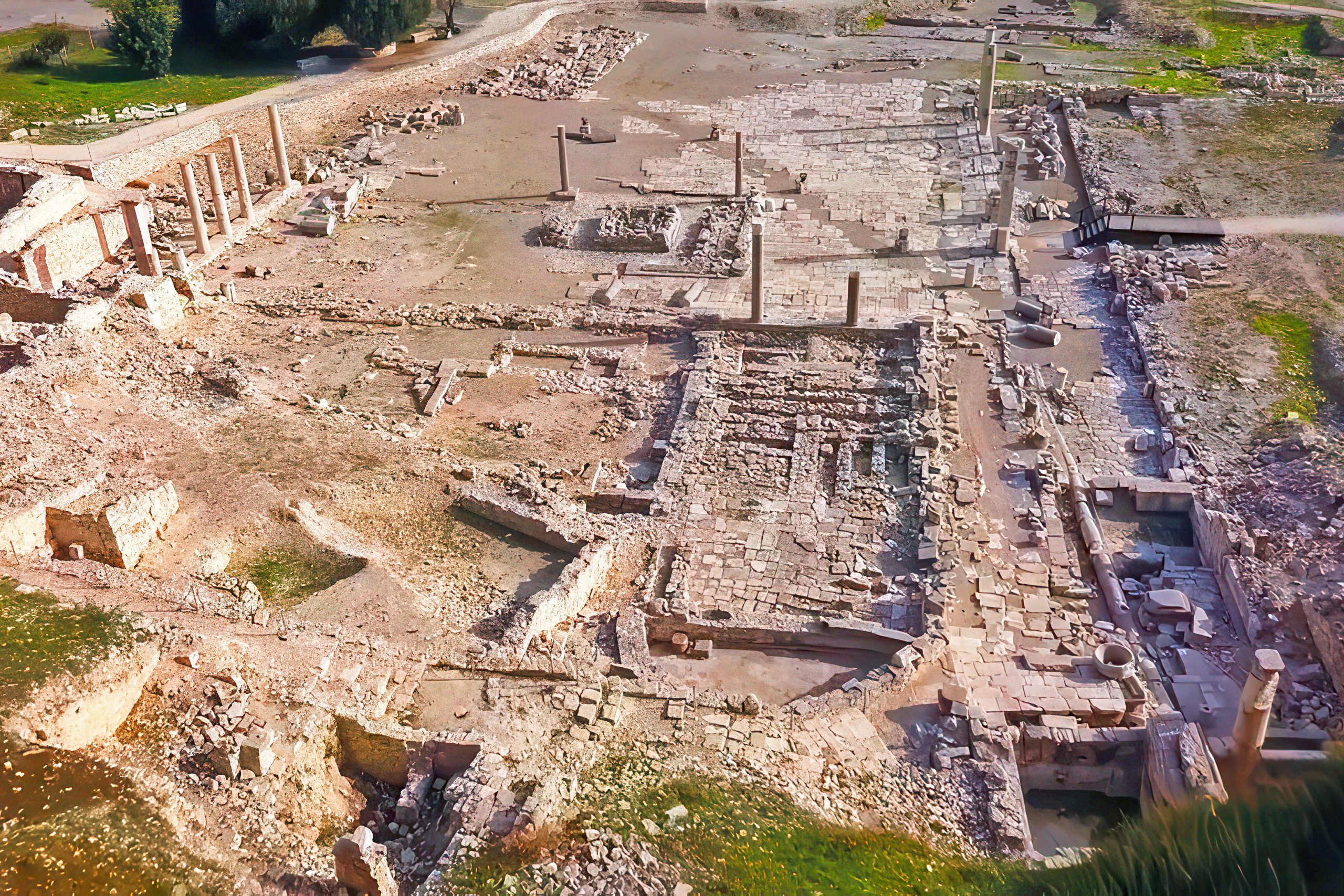
- Amathus Ruins – Near Limassol, the clifftop site preserves the Temple of Aphrodite Amathusia where the mysterious “bearded Aphrodite” once stood. A small museum displays statues and artifacts from this Phoenician-Greek city.
- Salamis Temple Complex – In the Turkish-occupied part of Cyprus near Famagusta, the extensive ruins include remains of the Temple of Zeus Salaminios and other sacred structures, showing how Greeks honored their sky god in this ancient city founded by the hero Teucer.
The Impact of the Gods Today
Understanding Cyprus’s ancient deities means grasping how religion shaped every aspect of island life for thousands of years – from politics and art to agriculture and trade. These weren’t distant, abstract gods but immediate presences honored in daily rituals, credited with victories, blamed for droughts, and thanked for births.
The blending of Greek, Phoenician, and local divine figures created a uniquely Cypriot religious identity that reflected the island’s cosmopolitan character. Cypriots didn’t just passively receive religious traditions – they actively synthesized them into something new, something that worked for their specific needs.
Today, even as Christian churches stand where pagan temples once rose, the old gods haven’t entirely vanished. They live on in place names and folklore, in tourism campaigns and national identity, in archaeological pride and the stories Cypriots tell about their island’s past. When tourists visit the ruins of Aphrodite’s temple or swim near her legendary birthplace, they’re not just seeing archaeological sites – they’re entering a mythic landscape where gods and humans once walked side by side, and where their stories still echo in the warm Mediterranean air.