Traditional villages and settlements

Articles: Traditional villages and settlements

Stories in this category and its subcategories.

Isolated Cyprus Villages with Scenic Views

Isolated Cyprus Villages with Scenic Views

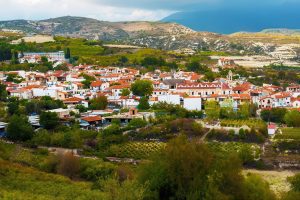
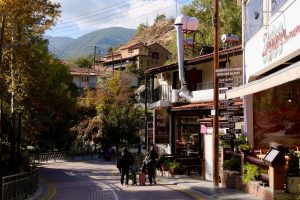
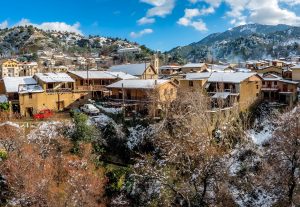
Isolated villages scattered across the Cypriot mountains offer some of the most dramatic views on the island. These remote settlements cling to hillsides and nestle in valleys, far from coastal tourist centers and modern development. shutterstock-com The villages sit at elevations ranging from 900 to 1,380 meters above sea level. Their geographic isolation preserved traditional architecture and ways of life that disappeared elsewhere. Stone houses with wooden balconies, cobblestone streets, and terraced hillsides create scenes that seem frozen in time. Panoramic vistas stretch in every direction from these mountain perches. Visitors can see across valleys thick with pine forests, down to distant coastlines, and toward other villages dotting the landscape. The clean mountain air and reduced light pollution make these…

Read more
Maronite Villages of Cyprus

Maronite Villages of Cyprus

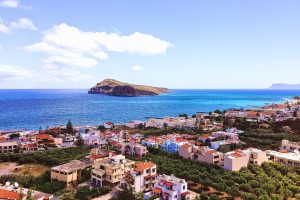
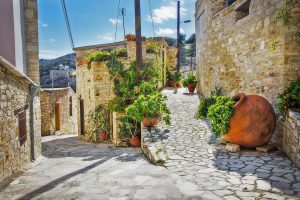
The Maronite community of Cyprus represents one of the island's smallest yet most distinctive religious groups, descended from Arab Christians who fled persecution in modern-day Syria and Lebanon starting in the 8th century. Today approximately 7,500 to 10,000 Maronites live on Cyprus, though their numbers have declined dramatically from an estimated 80,000 in the 13th century when they inhabited 60 villages across the island. aljazeera-com Four traditional Maronite villages remain: Kormakitis, Asomatos, Agia Marina, and Karpasha, all located in the Turkish-controlled part of Cyprus. These communities maintain unique cultural practices, including speaking Sanna, a critically endangered Arabic dialect that preserves traces of Aramaic and represents one of the world's rarest languages. Four Waves of Migration from the Levant The Maronite…

Read more
Vavla Village

Vavla Village

Vavla is a small mountain village situated in the Larnaca district of Cyprus, approximately 38 kilometers west of Larnaca city and 450 meters above sea level. The village lies in the foothills of the Troodos mountains, positioned between the major cities of Larnaca, Limassol, and Nicosia, each within 25 to 40 minutes by car. visitcyprus-com With fewer than 100 permanent residents, Vavla has been officially declared a Preserved Village by the Cyprus authorities due to its traditional white stone architecture built from local Lefkara limestone. The village stands on the geological boundary between Lefkara limestone formations and the volcanic earth of Troodos, creating a unique microclimate that supports rich vegetation, including three rare species and 18 endemic plant varieties. Historical…

Read more
Omodos Village

Omodos Village

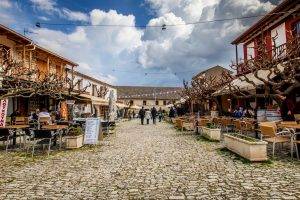
Omodos is a historic mountain village in Cyprus’s Troodos range, known for its Byzantine monastery, traditional architecture, and wine-making heritage. Located 42 kilometers northwest of Limassol at an elevation of 800 meters, the village lies within the Krasochoria district, the traditional wine-producing region of Cyprus. Its location in this wine heartland has shaped the local economy and identity for centuries. The village centers around a large cobblestone square, possibly the largest in Cyprus at 3,000 square meters, dating back to 1910. Stone houses with red-tiled roofs, wooden balconies, and flower-filled courtyards line narrow streets that wind through the settlement. The architecture reflects a careful balance between preservation and modern use, with many traditional homes now serving as guesthouses, wine cellars,…

Read more
Best Villages to Visit in Cyprus

Best Villages to Visit in Cyprus

Cyprus villages offer something that coastal resorts cannot provide: the authentic rhythm of island life unchanged over centuries. Stone houses, narrow cobbled streets, old churches, local tavernas, and village squares where elderly men sip coffee define these settlements. Most sit within the Troodos mountain range or on its foothills, where cooler temperatures and fertile land shaped communities for millennia. Shutterstock-com Unlike sanitized tourist attractions, these villages remain lived in places where generations of the same families have stayed. Each settlement carries its own character, from lace making Lefkara to wine country Omodos to the perfectly preserved ghost village of Fikardou. A visit to even one of these places reveals more about Cyprus than a week spent on any beach. Lefkara…

Read more
Lefkara – Famous Lace Village and Stone Architecture

Lefkara – Famous Lace Village and Stone Architecture

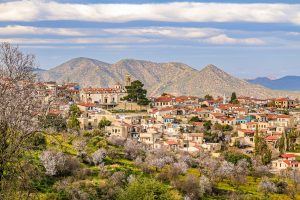
Lefkara is a traditional village in southeastern Cyprus known for its long history of fine lace-making and skilled silversmithing. Located on the southern slopes of the Troodos Mountains, the village combines centuries-old crafts with well-preserved stone buildings. Visitors come from around the world to see the traditional crafts, explore historic houses, and learn about the village’s role in Cypriot culture. Adobe-Stock-com Lefkara consists of two connected settlements called Pano Lefkara (Upper Lefkara) and Kato Lefkara (Lower Lefkara). The name Lefkara comes from Greek words meaning “white mountains,” referring to the light limestone used in local buildings and the surrounding landscape. The village sits about 650 metres above sea level and features narrow cobbled streets, stone houses, and historic buildings that…

Read more
Omodos – Traditional Village & Monastery

Omodos – Traditional Village & Monastery

Omodos is a historic mountain village in Cyprus’s Troodos range, known for its Byzantine monastery, traditional architecture, and wine-making heritage. Located 42 kilometers northwest of Limassol at an elevation of 800 meters, the village lies within the Krasochoria district, the traditional wine-producing region of Cyprus. Its location in this wine heartland has shaped the local economy and identity for centuries. Shutterstock-com The village centers around a large cobblestone square, possibly the largest in Cyprus at 3,000 square meters, dating back to 1910. Stone houses with red-tiled roofs, wooden balconies, and flower-filled courtyards line narrow streets that wind through the settlement. The architecture reflects a careful balance between preservation and modern use, with many traditional homes now serving as guesthouses, wine…

Read more
Kakopetria Historic Village Byzantine Churches

Kakopetria Historic Village Byzantine Churches

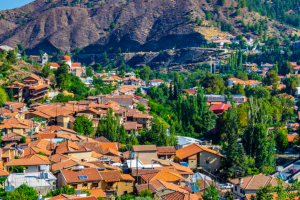
Kakopetria is a mountain village in the Troodos range that combines well preserved traditional buildings with important Byzantine heritage. It lies fifty five kilometers from both Nicosia and Limassol, stands at six hundred sixty seven meters above sea level, and offers a clear picture of Cyprus rural life with several important religious monuments. Shutterstock-com Two rivers, the Kargotis and the Garillis, pass through the village and join to form the Klarios River, which flows through the valley toward Morphou Bay. These rivers shaped the growth of the village and gave it a rich green landscape. Unlike many parts of Cyprus, Kakopetria has flowing water throughout the year. This supports dense vegetation such as plane trees, fruit gardens, and pine trees.…

Read more