Traditional crafts and artisanship

Articles: Traditional crafts and artisanship

Stories in this category and its subcategories.

Phyti Weaving Tradition

Phyti Weaving Tradition

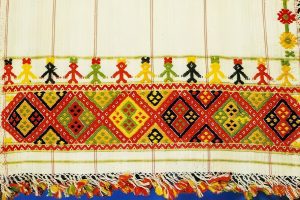
Phyti Weaving Tradition is a distinctive Cypriot craft originating from the village of Phyti, involving highly symbolic woven textiles characterized by bright colors and ritual motifs, originally created for dowries and ceremonial purposes. This handmade art form uses intricate patterns on cotton or linen fabrics to convey themes of protection, fertility, and harmony, passed down through generations of female artisans. Recognized as part of Cyprus's intangible cultural heritage, it embodies the island's blend of ancient symbolism and practical beauty, preserving a legacy of women's creativity in rural life. vkcyprus-com A Timeless Craft of Color and Symbol Phyti weaving stands as a vibrant expression of Cypriot textile heritage, where artisans produce fabrics adorned with geometric designs and bold hues that hold…

Read more

Traditional Shoemaking and Village Footwear

Traditional Shoemaking and Village Footwear

Traditional Shoemaking (Tsamika & Village Footwear) in Cyprus involves handmade leather footwear designed for agricultural and pastoral life, reflecting craftsmanship shaped by the island's environment. Tsamika, a type of sturdy boot, and other village shoes use local materials like goat hide for durability, with simple stitches and soles suited to rocky terrain. This tradition preserves ancient skills, where functionality meets cultural symbolism, offering a glimpse into how rural Cypriots adapted to their landscape through practical art. korali-homemade-com A Timeless Craft of Leather and Land Traditional shoemaking in Cyprus embodies a practical artistry where leather is shaped into footwear that supports the demands of farming and herding. Tsamika boots, with their high ankles and thick soles, and village shoes like low-cut…

Read more
Lefkara Lace (Lefkaritika)

Lefkara Lace (Lefkaritika)

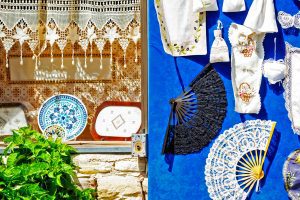
Lefkara Lace (Lefkaritika) is a world-renowned handmade lace tradition from Cyprus, distinguished by its geometric precision, white-on-white stitching, and centuries-old transmission through female artisans. Originating in the village of Lefkara, this craft blends intricate patterns that symbolize nature and life, creating delicate textiles prized for their elegance and cultural depth. Recognized by UNESCO as intangible cultural heritage in 2009, it represents Cyprus's enduring artisanal legacy, where women's hands have woven history into fabric for generations. unesco-org A Timeless Craft of Elegance and Skill Lefkara lace, known locally as Lefkaritika, embodies the island's rich textile heritage, a form of needlework where fine linen threads are drawn and stitched into intricate designs that appear almost ethereal against a white background. Produced exclusively…

Read more
Village Loom Weaving Fythkiotika Regional Var

Village Loom Weaving Fythkiotika Regional Var

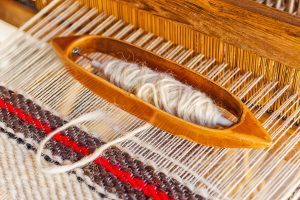
heartlandoflegends-com Village Loom Weaving (Fythkiotika & Regional Variants) is a home-based textile production tradition in Cyprus, combining wool and cotton to create symbolic fabrics that preserve ancient patterns linked to identity and status. Originating in rural villages, this craft involves intricate loom work by women, producing items like bedcovers and rugs with geometric designs that carry meanings of protection, fertility, and heritage. Recognized as part of Cyprus's intangible cultural heritage, it reflects the island's agrarian past and women's role in sustaining cultural continuity through generations. A Timeless Craft of Thread and Tradition heartlandoflegends-com Village loom weaving in Cyprus represents a cornerstone of the island's folk artistry, where domestic looms produce textiles that blend functionality with profound symbolism. Known as Fythkiotika…

Read more
Artisanal and Industrial Fishing Cyprus

Artisanal and Industrial Fishing Cyprus

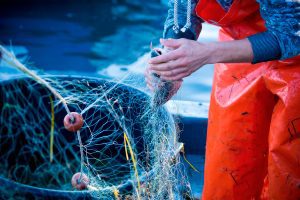
kiprinform.com Fishing in Cyprus faces significant external pressures and rising socio-economic concerns rather than a simple quiet balance. Small-scale artisanal fishers still work close to shore using selective, traditional methods, while a limited number of industrial operations supply markets with consistency and volume. Both exist within the same narrow waters, governed by strict regulation and ecological limits. Understanding this balance explains not only how seafood reaches Cypriot tables, but also how culture, sustainability, and modern life intersect around the sea. An island that learned to read the sea Cyprus has always depended on the Mediterranean in practical ways. Long before engines or harbours, coastal communities relied on observation, memory, and seasonal rhythm. Fishing was guided by wind, water temperature, and…

Read more