Along the Cypriot coast, fishing was never simply a job carried out at sea and forgotten once boats returned to shore. It was a shared way of life that shaped villages, relationships, and daily rhythm. In small coastal communities, fishing organised how people worked, ate, celebrated, and supported one another. Boats and nets mattered, but cooperation mattered more. Understanding Cyprus’s fishing villages means looking beyond catches and techniques to the social systems that grew around them and quietly endured.

- Villages Built Around Shared Work
- A Way of Living Passed Down, Not Designed
- The Sea as a Social Organiser
- Cooperation as the Foundation
- Sharing the Catch, Supporting the Village
- Markets as Meeting Places
- Tools Shaped by Local Knowledge
- Sea Wisdom That Lived in Stories
- Change Without Erasure
- Why These Villages Still Matter
- Experiencing Fishing Villages Today
- Why Life by the Nets Endures
Villages Built Around Shared Work
Community-based fishing villages developed where fishing was not an individual pursuit but a collective responsibility. Boats were small, crews were familiar, and labour depended on trust rather than contracts. Knowledge, tools, and effort were shared because survival demanded it.
Cyprus’s coastline encouraged this structure. Shallow nearshore waters, sheltered bays, and predictable conditions suited small boats operated by families and neighbours. Fishing rarely rewarded isolation. Success came from working together, coordinating timing, and respecting unwritten rules shaped by experience.
In these villages, fishing was not separate from life. It was life.
A Way of Living Passed Down, Not Designed
The roots of Cyprus’s fishing villages stretch back thousands of years. Archaeological evidence shows coastal communities relying on the sea from the Neolithic and Bronze Ages onward. Early fishers used simple vessels and local materials, learning quickly that cooperation reduced risk and waste.
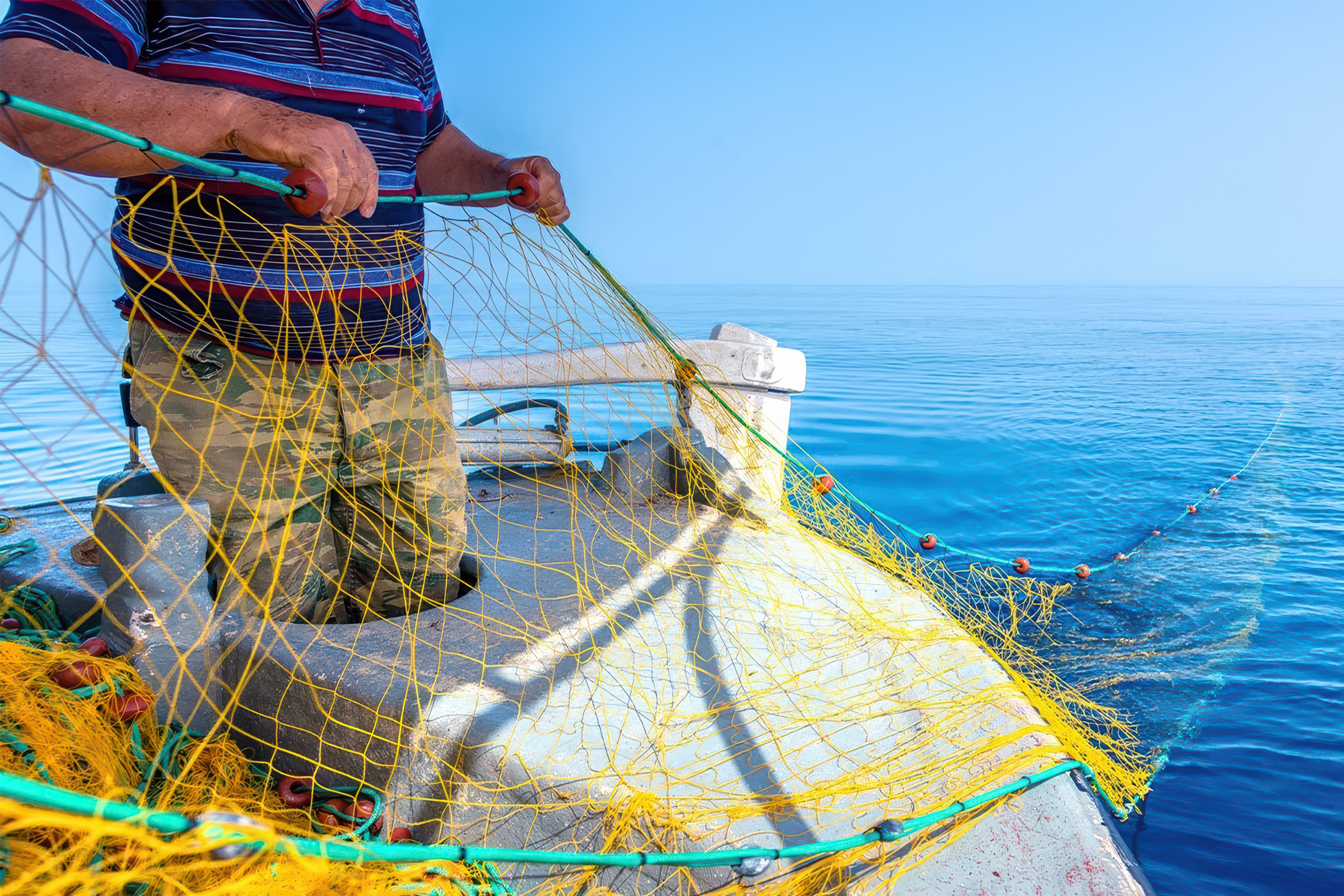
As villages formed, fishing knowledge became embedded in family life. Skills were not taught formally. Children learned by watching, helping, and listening. Net making, boat repair, and reading the sea were absorbed gradually, shaped by repetition rather than instruction.
During medieval and Ottoman periods, these systems became more defined. Coastal insecurity and occasional piracy encouraged small, adaptable settlements rather than large exposed ports. Fishing villages survived by remaining flexible, communal, and closely tied to their immediate environment.
The Sea as a Social Organiser
Fishing structured the day. Departures often took place before sunrise. Returns were expected, noticed, and shared. A boat arriving late or damaged drew immediate attention. Work at sea was matched by work on land, where nets were repaired, gear prepared, and catches divided.
The shoreline functioned as a shared workspace. Nets were spread out to dry or mend, often with several people working side by side. These moments were practical, but also social. News was exchanged, disputes settled, and decisions made informally.
Fishing villages relied on constant interaction. Isolation was neither practical nor desirable.
Cooperation as the Foundation
What truly distinguished these communities was cooperation. Nets were expensive and labour-intensive. Boats required constant care. Sharing resources reduced individual burden and ensured continuity.
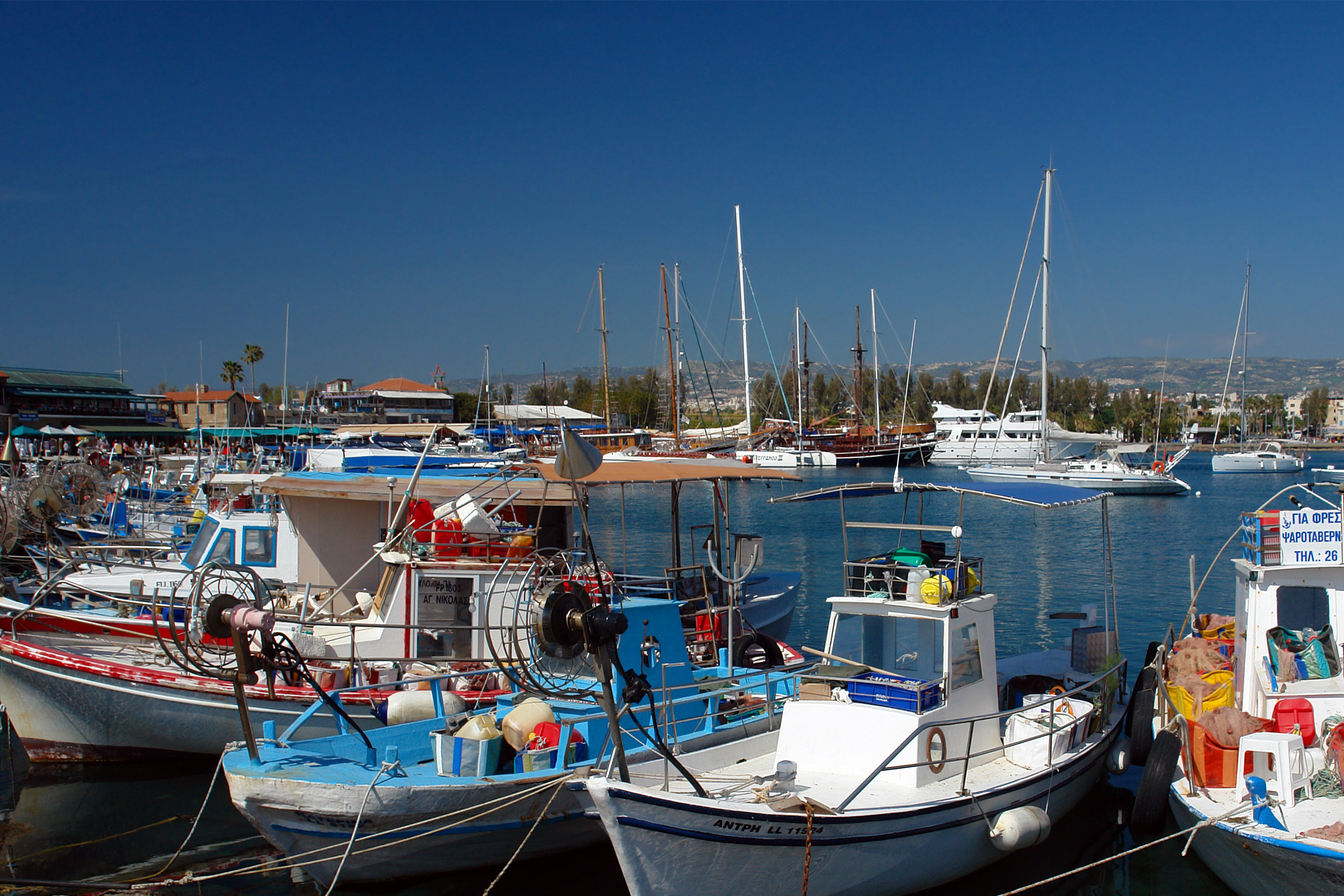
Crews were often family-based, but rarely fixed. During busy periods, neighbours joined in. Experience mattered more than hierarchy. Older fishers guided decisions, not through authority, but through trust earned over time.
When equipment failed, help was expected. When weather turned unexpectedly, others watched from shore. The system worked because everyone depended on the same fragile balance.
Sharing the Catch, Supporting the Village
Once boats returned, dividing the catch followed customs shaped by fairness rather than profit. Shares reflected contribution, but community needs were always considered. Elders, widows, or families facing hardship might receive fish regardless of whether they had worked that day.
Some fish was set aside for communal meals, particularly during religious festivals or village gatherings. These moments reinforced the idea that fishing served the village as a whole, not just individual households.
Selling fish brought income, but giving fish reinforced belonging.
Markets as Meeting Places
Traditional fish markets were simple, informal, and deeply social. Sales took place at harbours, village squares, or directly from door to door. The exchange of fish often came with conversation, advice, or news.
Women played a central role in this system. They handled processing, selling, budgeting, and household management, linking fishing activity to everyday family life. Children sometimes helped deliver fish inland, strengthening ties between coastal and inland communities.
Markets were not just economic spaces. They were where village life remained visible and connected.
Tools Shaped by Local Knowledge
The tools of these fishing villages reflected deep understanding of local conditions. Small wooden boats suited calm coastal waters. Nets were designed for specific species and seasons, minimising waste and effort. Shore-based traps and coordinated methods relied on timing and teamwork rather than force.
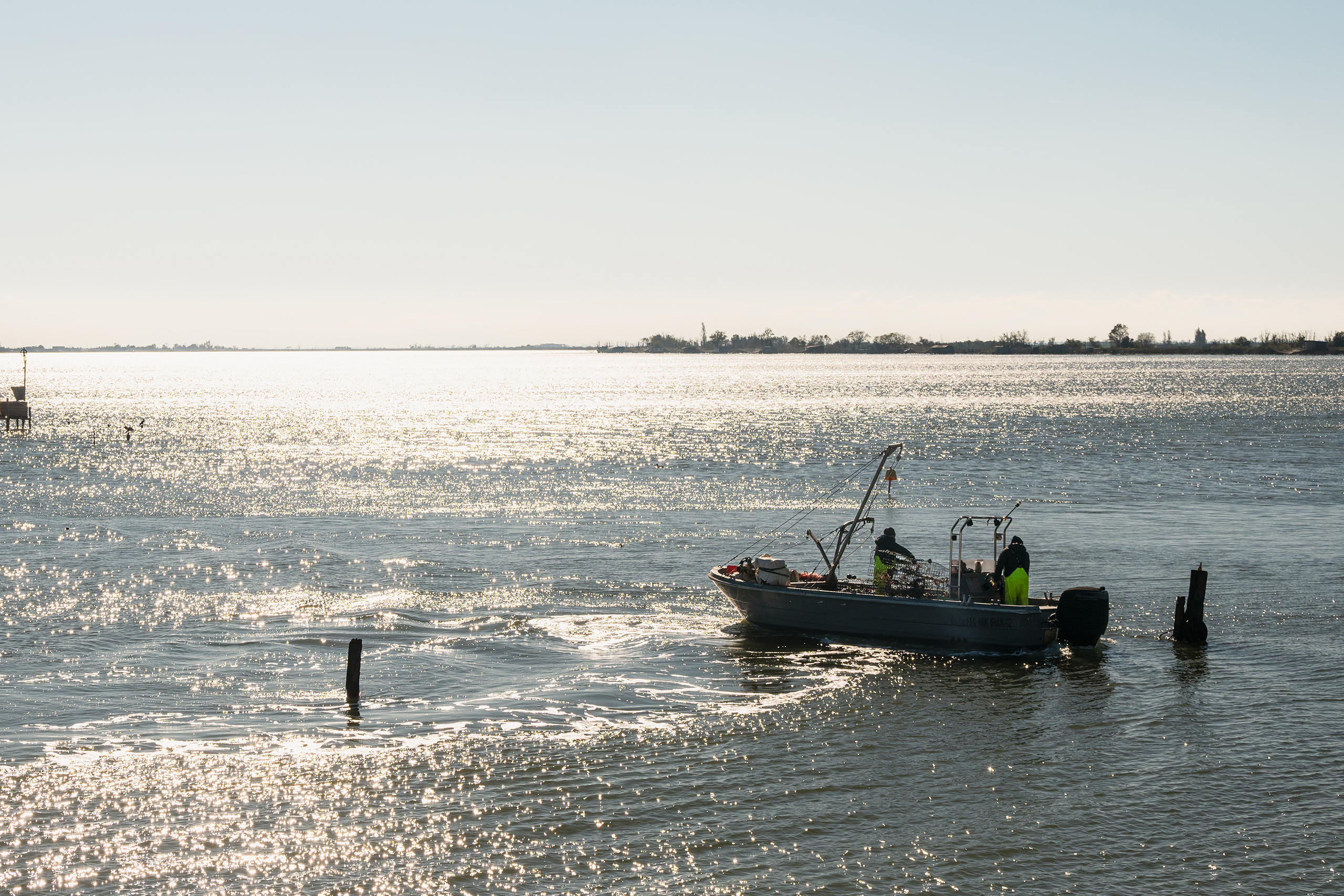
Simplicity demanded skill. Without powerful engines or large crews, success depended on reading the sea, choosing the right moment, and working together efficiently.
The tools were modest, but the knowledge behind them was not.
Sea Wisdom That Lived in Stories
Fishing knowledge in Cyprus was rarely written down. It lived in sayings, habits, and shared observation. Changes in water colour, wind direction, or bird behaviour carried meaning. Moon phases influenced expectations. Silence at certain times was as instructive as conversation.
This oral tradition reinforced humility. The sea was respected, never assumed to be fully predictable. Excess was discouraged not through rules, but through memory of past losses and hard lessons.
Wisdom was cumulative, shaped by generations who knew that the sea rewarded patience more than force.
Change Without Erasure
The twentieth century brought rapid change. Engines, modern gear, tourism, and regulation altered fishing practices. Some cooperative routines faded. Younger generations sought different work. Large communal hauls became rare.

Yet village fishing did not disappear. Family crews remained active. Knowledge continued to pass down, even if practiced less often. Some communities adapted by combining fishing with tourism or cultural preservation, keeping traditions visible rather than frozen.
The system changed, but its values endured.
Why These Villages Still Matter
Community-based fishing villages offer more than nostalgia. They show how cooperation, restraint, and shared responsibility created sustainable systems long before those terms became fashionable. They reveal a way of living where economic activity strengthened social bonds rather than replacing them.
For Cyprus, this heritage remains part of coastal identity. It survives in festivals, small museums, working harbours, and everyday routines that still echo older patterns.
Experiencing Fishing Villages Today
Visitors can still sense this way of life. Early mornings reveal quiet harbours and methodical preparation. Nets lie stretched along the shore. Conversations unfold slowly. Markets reflect the day’s catch rather than abundance for its own sake.

Nothing feels staged. The atmosphere remains practical, calm, and grounded in work that still matters to those who live there.
Why Life by the Nets Endures
Community-based fishing villages help explain Cyprus beyond beaches and resorts. They reveal an island shaped by relationships, shared effort, and respect for limits. Through cooperation and continuity, these communities built a sustainable coastal culture that resisted both excess and isolation.
Life by the nets was never only about fishing. It was about belonging to a place, sharing responsibility, and learning how to live alongside the sea without trying to dominate it. That lesson remains relevant long after the boats return to shore.