Church of the Transfiguration in Palaichori is a 16th-century Byzantine chapel in Cyprus’s Troodos Mountains, renowned for its post-Byzantine frescoes that illustrate the persistence of Orthodox artistic traditions under foreign rule. Part of the UNESCO-listed Painted Churches, it preserves vivid paintings blending theological narratives with symbolic depth, reflecting medieval devotion in a rural setting. This site captures how faith endured and adapted, offering insights into Cyprus’s cultural resilience amid external influences.
sobory-ru
A Testament to Enduring Faith in the Mountains
The Church of the Transfiguration exemplifies the resilience of Byzantine religious architecture in Cyprus’s highland regions, dedicated to Christ’s Transfiguration – a pivotal event symbolizing divine glory and human potential for spiritual elevation. Situated in Palaichori village at an elevation of about 700 meters, amid orchards and pine-clad slopes, the chapel’s modest stone form and interior art reflect the era’s fusion of local Orthodoxy with subtle Western elements. Its construction and frescoes highlight the persistence of Byzantine traditions during Venetian (1489-1571) and early Ottoman (1571-1878) periods, when Catholic or Muslim influences challenged but did not erase island faith. As one of the ten Painted Churches inscribed on UNESCO’s World Heritage List in 1985, it contributes to a group that collectively showcases Cyprus’s medieval religious landscape, where rural isolation fostered artistic continuity amid political shifts.
httpssobory-ru
The chapel’s location in the Troodos, a region of over 60 similar churches, provided a safe haven for Orthodox practices, away from coastal Venetian strongholds. This isolation allowed for the continuation of Byzantine rites, with the church serving as a community center for feasts, baptisms, and protections against natural hardships like droughts or plagues. The name “Transfiguration” ties to the August 6 feast, when light symbolizes Christ’s divine nature, a theme echoed in the frescoes’ glowing halos and radiant scenes. This connection underscores how Cypriot churches often centered on transformative events, mirroring villagers’ hopes for renewal in challenging times.
Archaeological surveys in the Palaichori Valley have revealed prehistoric flint tools and Bronze Age pottery shards dating to 2000 BC, suggesting the area’s long human occupation, where early nature worship may have influenced later Christian emphasis on divine light and change. The chapel’s survival through earthquakes, like the major 1491 event that devastated the region, owes to its solid limestone base and flexible wooden roof, designs that have informed modern studies on medieval building resilience.
From Venetian Era to Cultural Continuity
The chapel’s construction dates to the early 16th century, around 1500-1520 AD, during the Venetian Republic’s rule over Cyprus (1489-1571), a period when the island served as a strategic base for trade with the Levant and defense against Ottoman expansion. Built amid growing tensions leading to the 1570-1571 Ottoman conquest, it likely served as a refuge for Orthodox villagers resisting Venetian Catholic pressures, such as taxes on churches or restrictions on bell-ringing.
The frescoes, executed in the post-Byzantine style, reflect the Palaiologan Renaissance’s lingering influence after the 1453 fall of Constantinople, when Byzantine artists dispersed to peripheries like Cyprus and Crete, bringing emotional humanism to religious art. Under Ottoman rule from 1571, the chapel avoided major alterations, its remote spot allowing discreet services during restrictions on Christian bells or public worship. The 18th century saw minor repairs to the roof and walls to combat mountain humidity, using local materials that preserved its authenticity.
httpssobory-ru
Excavations and surveys since the 1970s, led by the Department of Antiquities with UNESCO support, have uncovered artifacts around the site, including 16th-century pottery shards and silver votives, indicating its use as a pilgrimage spot for blessings related to the Transfiguration, such as spiritual enlightenment or healing from blindness. Pigment analysis reveals use of imported cinnabar for reds and local ochre for earth tones, showing trade links despite isolation. Dendrochronology on wooden beams dates it precisely, confirming responses to environmental stresses like increased rainfall. UNESCO’s listing emphasized its post-Byzantine frescoes as evidence of Orthodox continuity under foreign rule, where Cyprus’s churches became bastions of cultural resistance, preserving Byzantine art forms lost in mainland Greece under direct Ottoman control.
Folklore enriches the narrative: villagers once believed the Transfiguration icon “shone” during feasts, drawing crowds for visions of divine light, a practice tied to the chapel’s role in agrarian rituals celebrating harvest transformations. During British colonial rule (1878-1960), it symbolized national identity, with locals lighting candles as acts of cultural preservation.
A Design of Simplicity and Symbolic Power
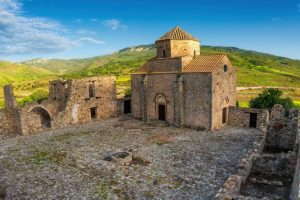
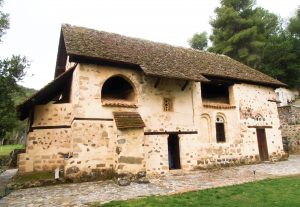
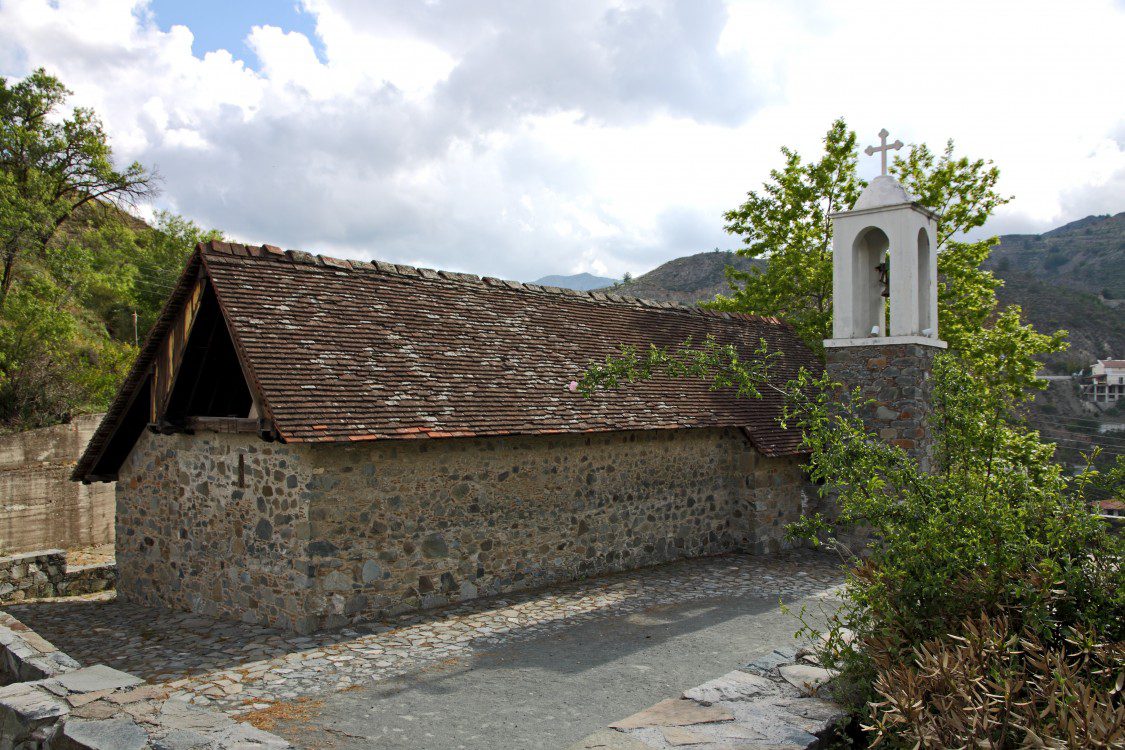
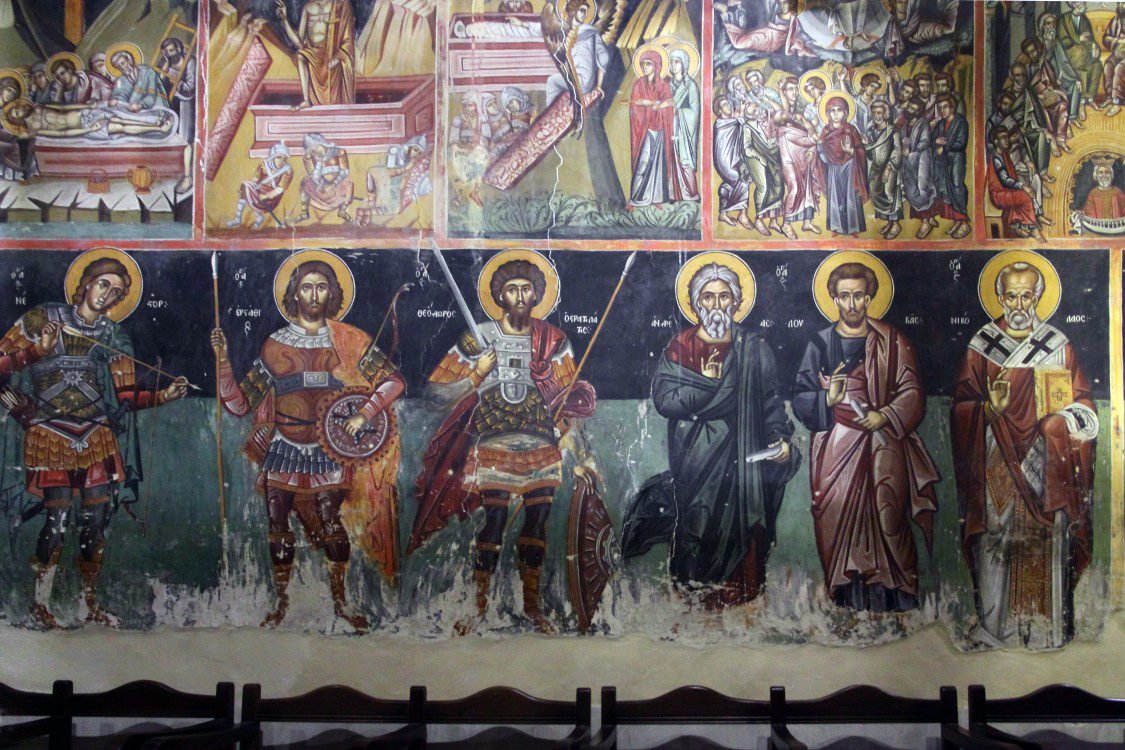
The chapel’s exterior features rough stone walls blending with the landscape, topped by a pitched tile roof suited to mountain snows, measuring about 10 by 5 meters inside. This compact single-nave layout creates intimacy, with small arched windows filtering light to dramatize the frescoes covering walls and ceilings. The paintings, executed in the late 15th century, use fresco secco technique for longevity, depicting the Transfiguration, Virgin’s life, and saints in rich reds, blues, and golds from mineral pigments.
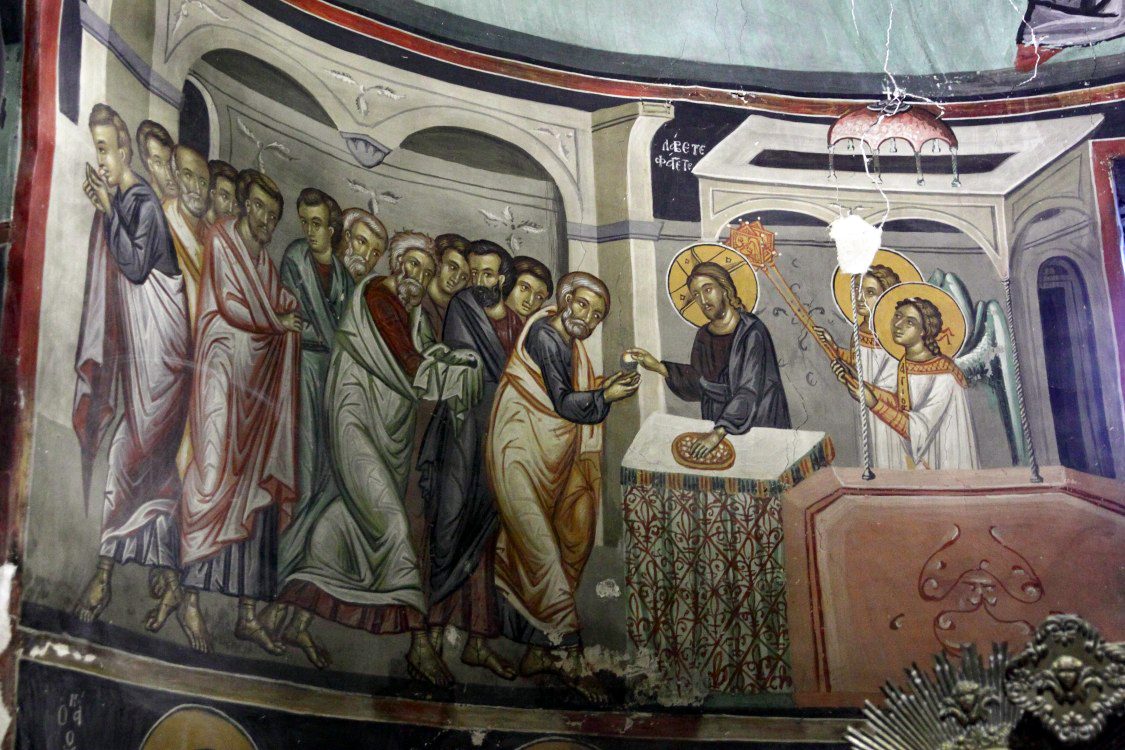
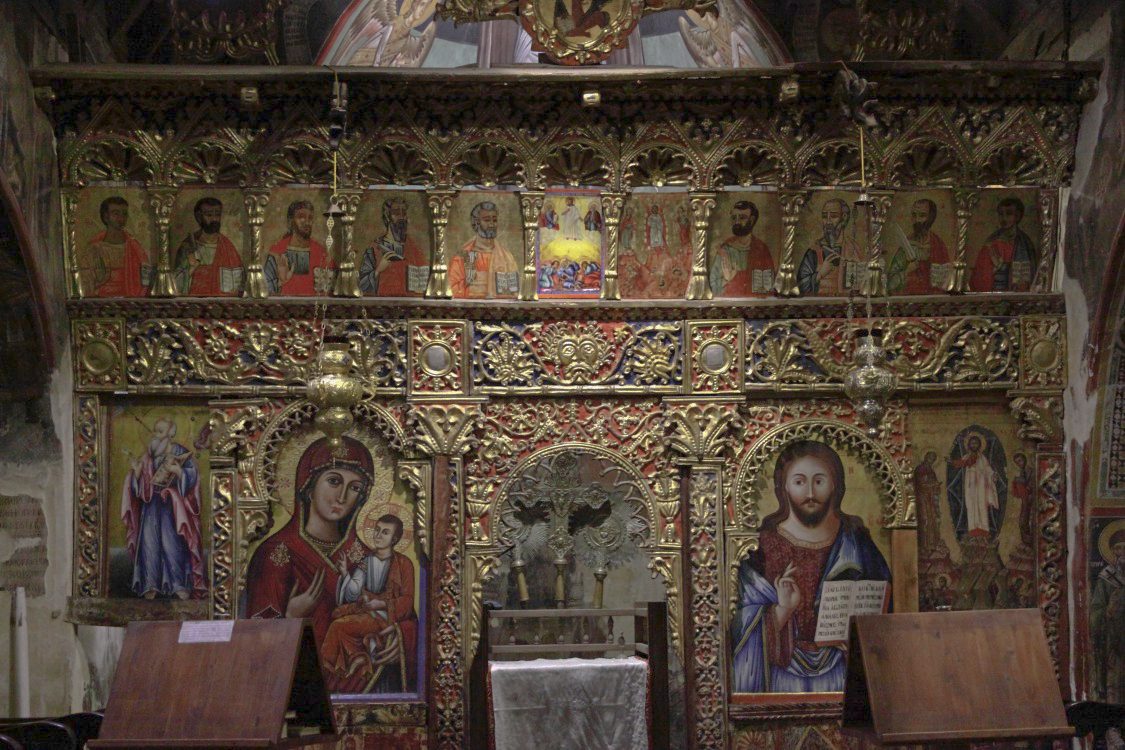
Biblical scenes unfold hierarchically: the apse holds the Transfiguration with Christ in radiant white, flanked by prophets, while walls show apostles’ lives and judgment motifs in the narthex. The style shows post-Byzantine influences with emotional faces and fluid drapery, but Cypriot rustic touches add warmer, more accessible figures, making theology approachable for rural audiences. A small iconostasis separates the nave from the altar, with carved wood panels from the 16th century adding floral motifs amid crosses. The overall design fuses modesty with symbolism, where architecture supports art in conveying faith’s messages.
Acoustic resonance from the vault enhances chants, enhancing the sense of divine presence during liturgies. The altar area, with niches for relics, holds icons that once anchored feasts like the Transfiguration in August, where processions celebrated light as divine revelation. Restorations in the 1990s used vapor-permeable plasters to combat humidity, revealing pigment sources – azurite from imported lapis for blues, local ochre for earth tones – that show trade links even in remoteness. Geophysical scans have detected underground chambers, perhaps for relic storage or water collection, adding to its functional history.
Notable Details That Captivate
The frescoes feature a vivid Transfiguration with apostles in awe, unusual for including local birds like eagles in the divine light, blending scripture with island nature. A donor inscription names a family holding candles, providing evidence of 16th-century folk patronage and social structures. The narthex’s Judgment scene includes sinners with expressive pleas, a post-Byzantine touch blending emotion with symbolic fate. Folklore claims the Transfiguration icon “glowed” during droughts, prompting rain prayers – a tale echoed in iron votives traded nearby for protection. Restorations uncovered a 16th-century layer with geometric borders resembling Italian patterns, traded via Venice. The entrance’s low lintel encourages bowing, a symbolic humility gesture common in Troodos churches.
Excavations have revealed a nearby spring used for baptisms, with stone basins inscribed with fish symbols for early Christianity, traded elements that enhanced rituals. Ottoman-era graffiti on outer walls mixes protective symbols with dates, showing continued use during restrictions.
Unraveling Deeper Layers of Theology
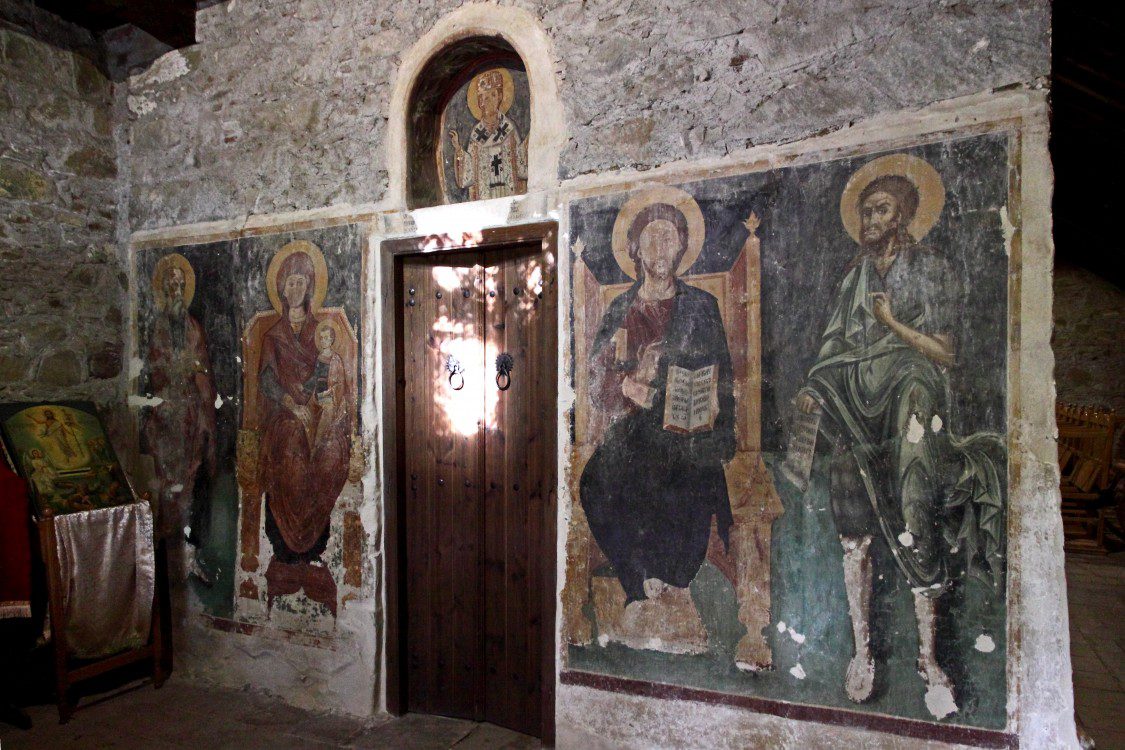
The frescoes serve as a visual theology, illustrating doctrines like divine revelation through cycles that emphasize the Transfiguration’s role in bridging human and divine. Post-Byzantine elements introduce narrative flow and humanism, with figures showing subtle emotions, but Cypriot adaptations add symbolic clarity like gold halos for divinity, blending Western naturalism with Eastern iconography. The chapel’s layout guides the eye toward the altar, symbolizing spiritual progression amid worldly trials.
httpssobory-ru
This fusion positions Cyprus as a cultural frontier, where Ottoman tolerance allowed Byzantine continuity, creating art that resonated with villagers facing nature’s rigors. Excavations have uncovered burial sites with symbolic amulets, suggesting pilgrimages for blessings, tying art to practical faith. Influences from the Venetian Renaissance, spread via rule, brought expressive freedom, allowing rural artists to convey complex ideas through accessible imagery. Socially, donor scenes highlight family piety, a system where contributions ensured spiritual merits and community cohesion in isolated areas.
Resonance in Modern Cyprus
The Church of the Transfiguration connects to Cyprus’s contemporary heritage, inspiring conservation in the Troodos amid rising tourism and climate impacts like increased flooding. As part of the Painted Churches, it attracts those tracing post-Byzantine roots, fostering cultural pride in a diverse society. Modern architects reference its design in sustainable buildings for mountain areas, while artists incorporate fresco motifs in works exploring transformation and renewal. Festivals in Palaichori blend medieval elements with modern gatherings, sustaining traditions of community and adaptation. This continuity highlights Cyprus’s ability to weave ancient theology into current expressions of resilience and identity.
Opportunities for Exploration
The church in Palaichori village opens daily from 9 AM to 4 PM in winter and until 6 PM in summer, with free entry though donations support maintenance. Paths from the road lead through orchards, and informational boards explain the frescoes. Guided tours via the Department of Antiquities cost €10-15, providing context on restorations and theology. Spring brings blooming settings that enhance the visit, pairing well with hikes or other Painted Churches like Asinou. Accessibility involves steps to the interior, with quiet observation recommended to preserve the atmosphere.
A Church of Transformative Light
Church of the Transfiguration matters as a showcase of post-Byzantine artistry, where its frescoes unfold medieval theology in vivid detail, linking Cyprus to broader Orthodox trends under foreign rule. This site embodies the island’s essence: a haven where faith persisted through adaptation, inspiring across ages. Its preservation links to broader legacies, reminding of how narrative art shaped understanding. In a dynamic world, it offers a serene example of lasting harmony.