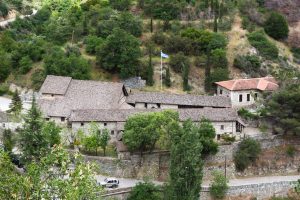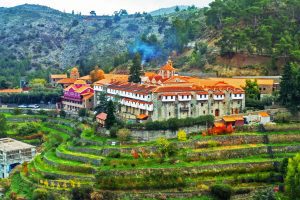
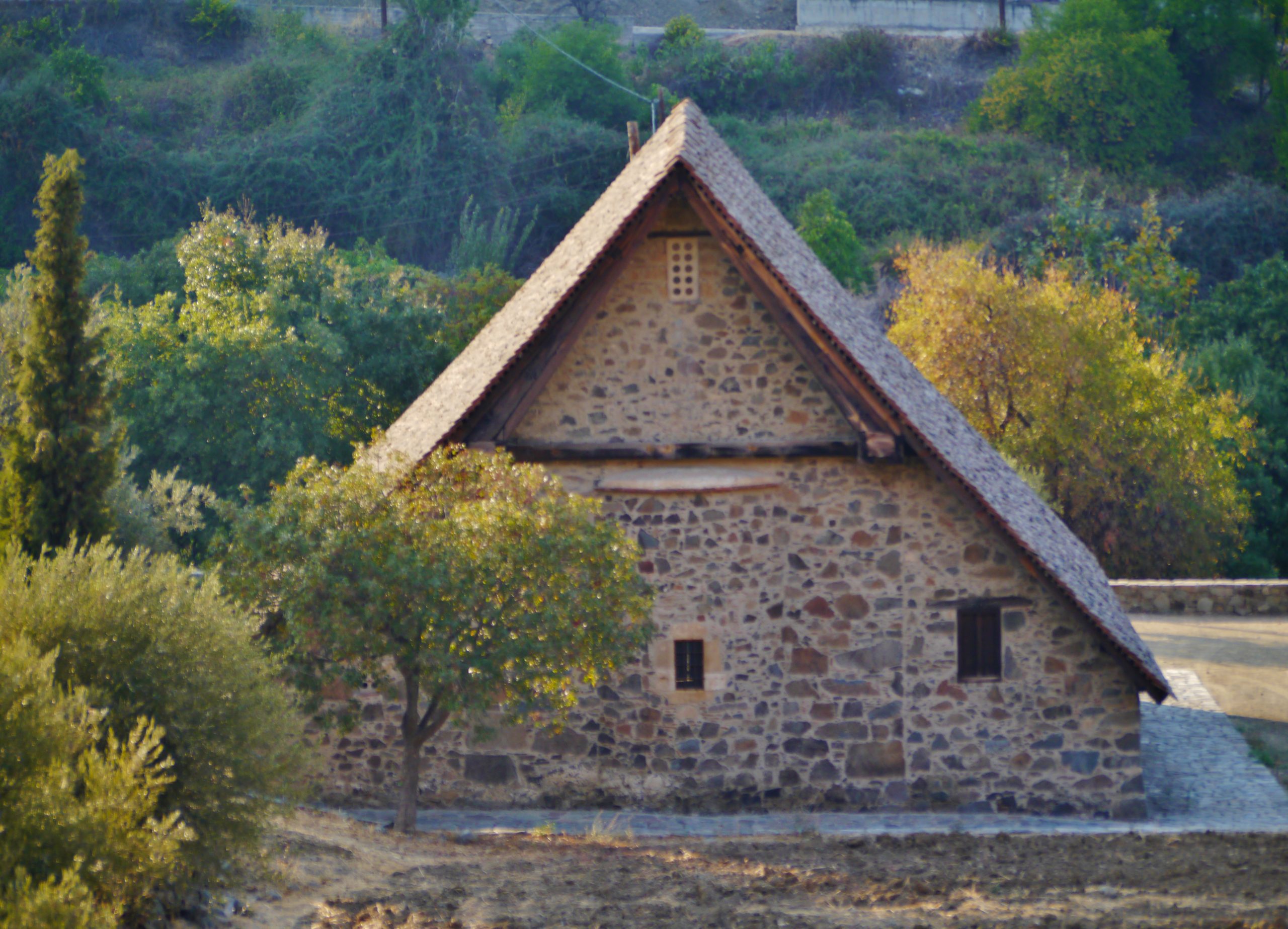
The Church of Panagia Podithou, located near the village of Galata in the Troodos Mountains of Cyprus, is one of the monuments included in the UNESCO World Heritage group known as the Painted Churches of the Troodos Region. Built in 1502, during the period of Venetian rule over Cyprus, the church represents a distinctive moment in the island’s artistic history when Byzantine traditions interacted with Western Renaissance influences. While the building maintains the architectural form typical of Cypriot mountain churches, its wall paintings reveal stylistic changes that reflect exposure to Italian artistic trends. The church stands as a visual document of cultural exchange in the eastern Mediterranean at a time when political authority had shifted but Orthodox religious identity remained strong.
Under Venetian administration, Cyprus became more closely connected to Italian artistic currents, particularly those associated with the Renaissance. Venetian merchants, officials, and clergy moved between Cyprus and the Italian mainland, facilitating the circulation of ideas and artistic models. Despite these influences, Orthodox communities continued to commission church decoration rooted in Byzantine iconographic tradition. Panagia Podithou exemplifies this balance, preserving the theological framework of Orthodox art while incorporating stylistic features inspired by Western painting. The monument therefore illustrates how Cypriot artists and patrons negotiated cultural change without abandoning their spiritual heritage.
Architectural Form and Mountain Adaptation
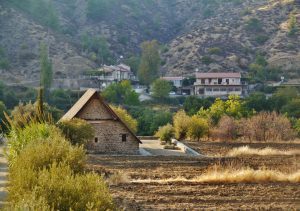
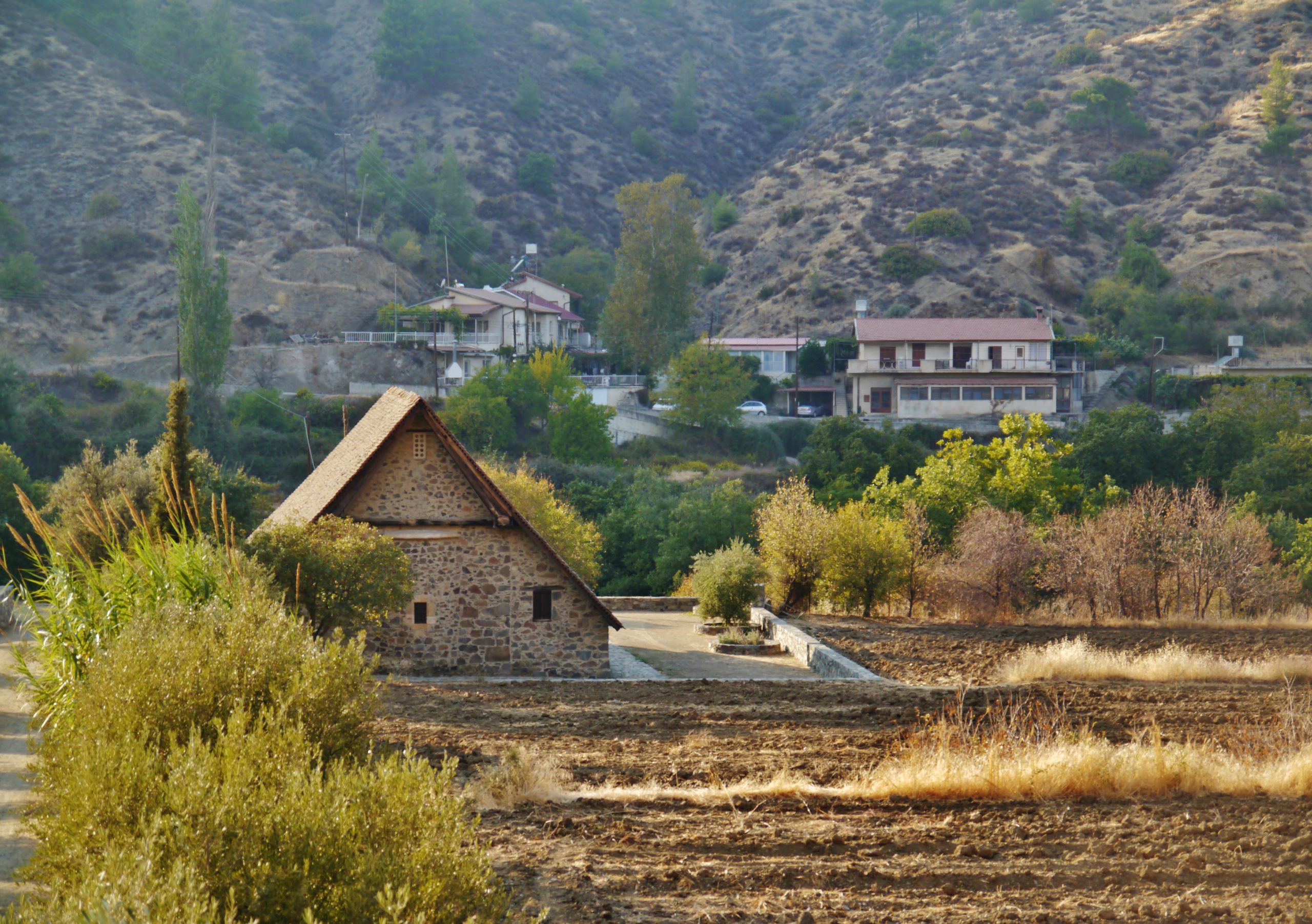
Architecturally, Panagia Podithou follows the familiar type of Troodos mountain churches. It is a small, single-aisled building constructed from local stone and covered by a steep, pitched wooden roof designed to protect the structure from the region’s harsh weather. This protective roof, which extends beyond the walls, shields the masonry and interior decoration from heavy rainfall and winter moisture. The building’s modest exterior blends into the surrounding landscape, reflecting the rural environment and practical priorities of the community that built it.
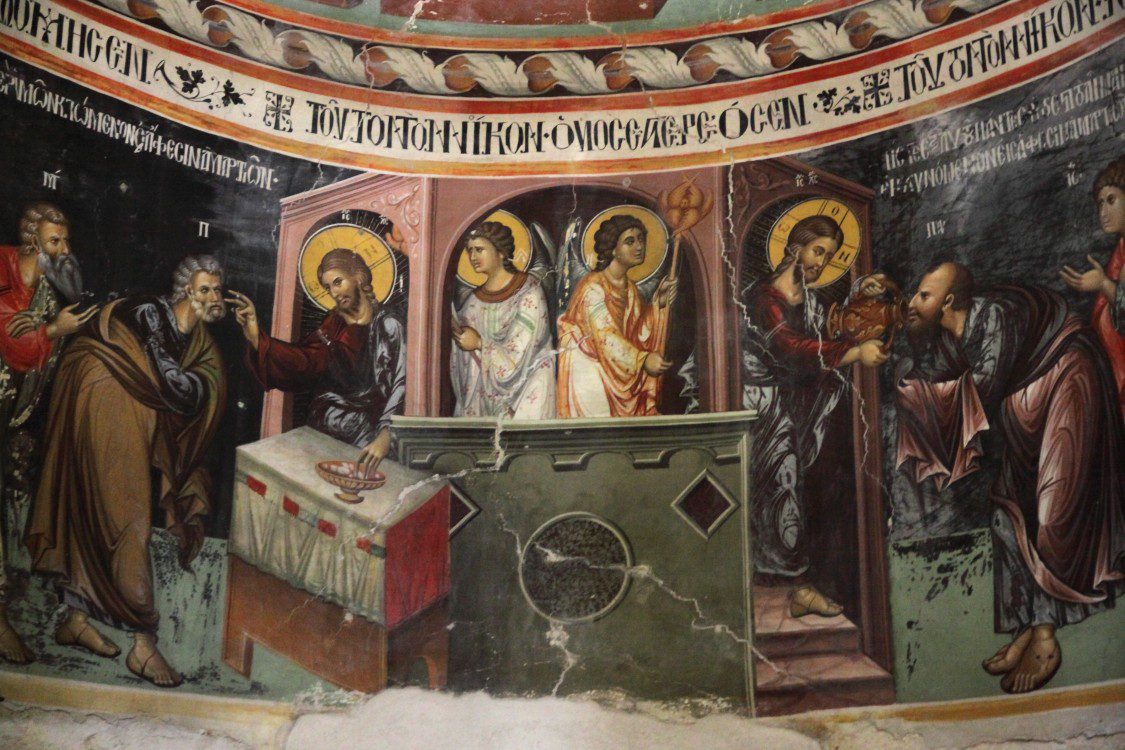
Inside, the church consists of a rectangular nave ending in an eastern apse that houses the altar. The sanctuary is separated from the nave by an iconostasis, maintaining the liturgical arrangement typical of Orthodox worship. The simplicity of the architectural structure provides a unified surface for the painted decoration, allowing the frescoes to dominate the interior experience. The church’s architecture demonstrates continuity with earlier Cypriot mountain churches, even as its decoration signals artistic change.
Frescoes and Artistic Character
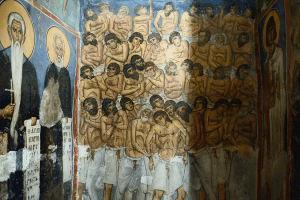
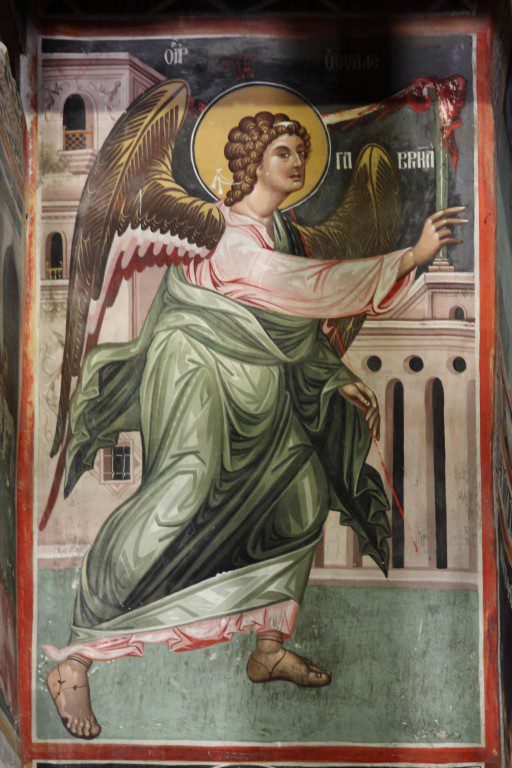
The wall paintings of Panagia Podithou are its most distinctive feature and provide evidence of the gradual influence of Renaissance art on Cypriot painting. While the iconographic themes remain rooted in Orthodox tradition, the treatment of figures and space reveals stylistic shifts. Faces are modeled with greater attention to volume, and garments display more naturalistic folds compared to earlier Byzantine examples. The use of shading creates a stronger sense of three-dimensional form, reflecting techniques associated with Western painting.
Scenes from the life of Christ and the Virgin Mary occupy prominent positions, arranged according to established Byzantine narrative cycles. However, within these traditional compositions, the painter introduces elements such as more dynamic poses and an increased sense of movement. The figures appear more individualized, with expressions that convey emotion more openly than the restrained solemnity typical of earlier Byzantine art. These characteristics suggest familiarity with Italian artistic developments while maintaining the spiritual focus of Orthodox iconography.
Iconographic Continuity and Theological Meaning
Despite stylistic changes, the iconographic program of Panagia Podithou adheres closely to Orthodox theological principles. Christ Pantokrator appears in the dome or upper vault, symbolizing divine authority and cosmic order. Below, scenes from the Incarnation, Passion, and Resurrection present the narrative of salvation. The Virgin Mary occupies a central position, reinforcing her role as intercessor and protector. Saints and church fathers line the lower walls, linking the congregation with the heavenly community.
The frescoes functioned as visual instruction, communicating religious teachings in a clear and accessible manner. The introduction of Renaissance-inspired naturalism did not alter the theological message but enhanced its emotional resonance. By presenting sacred figures in a more relatable and expressive manner, the paintings deepened devotional engagement while preserving doctrinal continuity.
Italian Renaissance Influence and Cultural Exchange
The stylistic features observed in Panagia Podithou reflect the broader cultural environment of Venetian Cyprus. During the late 15th and early 16th centuries, artistic exchange between East and West intensified. Venetian rule brought administrative and commercial connections that exposed Cypriot artists to Western techniques, including perspective, volumetric modeling, and increased attention to anatomical detail. These elements appear subtly in the church’s frescoes, demonstrating selective adaptation rather than wholesale adoption.
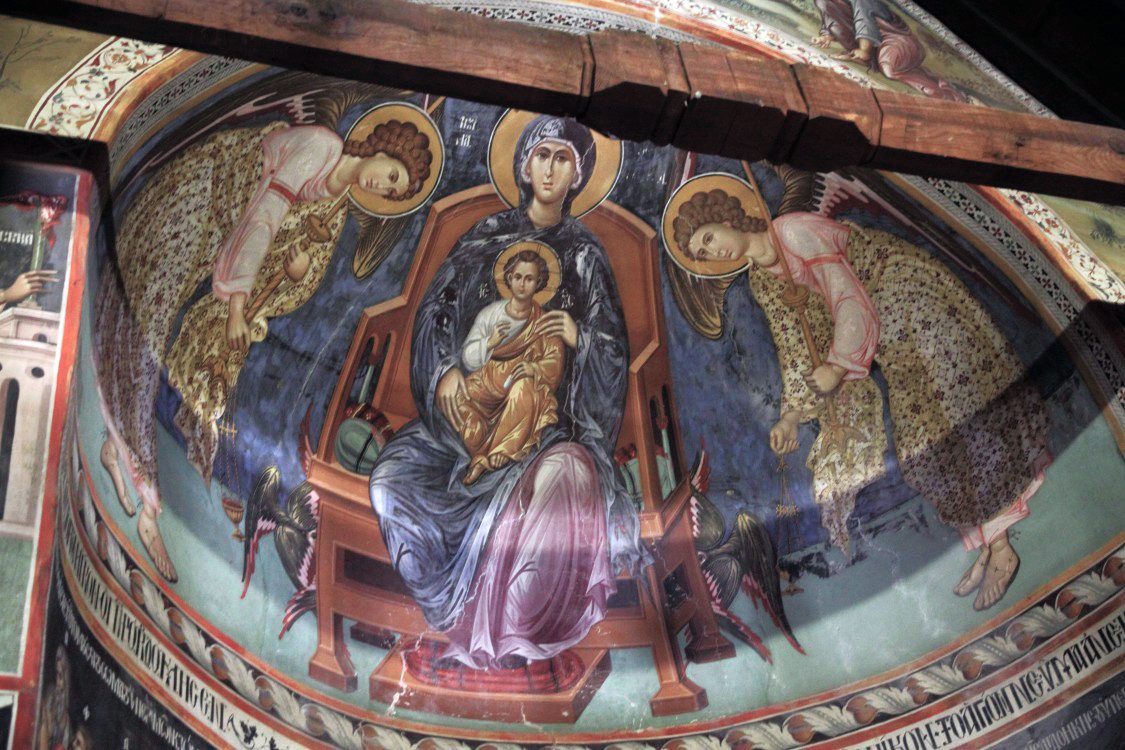
The church therefore stands at the intersection of Byzantine and Renaissance traditions. Its paintings reveal that local artists were aware of Western developments but integrated them carefully within Orthodox iconographic frameworks. This approach allowed Cypriot religious art to evolve while preserving its spiritual identity. Panagia Podithou thus provides valuable evidence of how artistic traditions can adapt across cultural boundaries without losing their core meaning.
Community Role and Religious Life
As the principal church of a small rural community, Panagia Podithou played a central role in local religious and social life. It hosted liturgical celebrations, festivals, and life-cycle rituals that reinforced communal bonds. The investment in elaborate decoration indicates the importance of the church as a symbol of shared faith and identity. Even during foreign political rule, the church remained a space where Orthodox belief and tradition were affirmed.
The balance between architectural modesty and artistic richness reflects the values of the community that supported it. The church served not only as a place of worship but also as a repository of cultural memory, preserving traditions through visual storytelling and collective participation.
Preservation and World Heritage Significance
Today, Panagia Podithou is protected as part of the UNESCO World Heritage listing of the Painted Churches of the Troodos Region. Conservation efforts focus on preserving the frescoes and maintaining stable environmental conditions within the building. The protective wooden roof continues to safeguard the interior from climatic damage, demonstrating the lasting value of traditional architectural solutions.
The church’s recognition highlights its importance as an example of artistic transition in Cyprus. It provides scholars with insight into how Renaissance influences entered Orthodox art while maintaining theological continuity. For visitors, the church offers a vivid example of cultural dialogue expressed through sacred imagery.
The Church of Panagia Podithou stands as a significant monument of late medieval Cypriot art, illustrating the interaction between Byzantine tradition and Italian Renaissance influence during the Venetian period. Its architecture preserves the regional mountain church type, while its frescoes reveal stylistic developments that reflect cross-cultural exchange. By integrating Western artistic elements within Orthodox iconography, the church demonstrates the adaptability of religious art in times of political and cultural change. As part of the Painted Churches World Heritage group, Panagia Podithou continues to represent the enduring dialogue between faith, environment, and artistic innovation in Cyprus.