In Cypriot villages, bread has never been just food. It is routine, ritual, and social glue, baked in wood-fired ovens that anchor neighbourhood life. From ancient grain cultivation to communal baking days, village bread and pies reflect how Cypriots learned to survive drought, celebrate faith, and care for one another. This article explores how village baking worked, why it mattered, and how these traditions continue to shape Cyprus today.
Where Daily Life Began: Wheat, Fire, and the Village Hearth
For centuries, village life in Cyprus revolved around three constants: wheat, fire, and community. Bread was baked not occasionally, but rhythmically, setting the pace of domestic and social life. In rural areas, meals, hospitality, and even religious observance were structured around when the oven was fired and when fresh loaves emerged.
Unlike urban bakeries, village baking was never anonymous. Each loaf carried the mark of a household, a season, and a shared oven. The act of baking was as important as the bread itself, turning daily sustenance into a collective ritual.
The Land That Fed the Oven
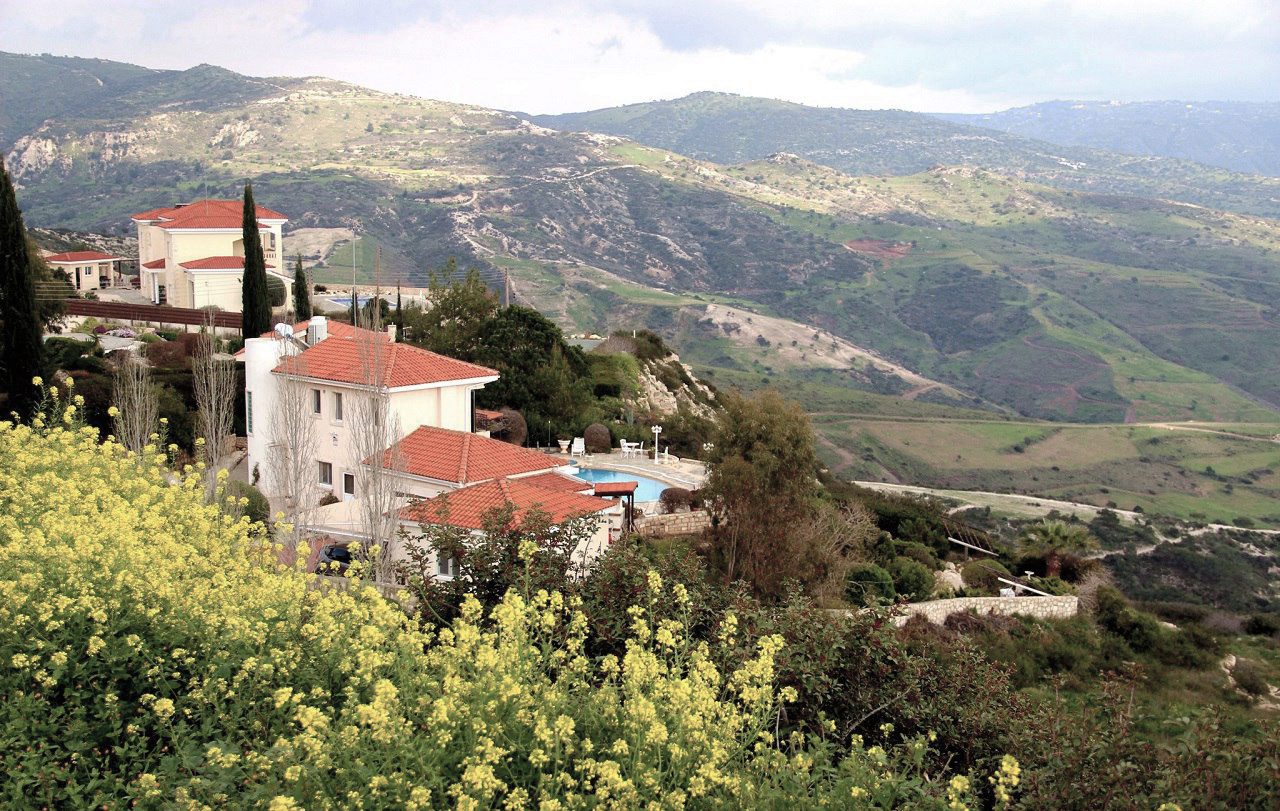
Cyprus’s central plains and foothills supported grain cultivation long before written history. Villages relied on locally grown wheat and barley, shaped by climate rather than industrial yield. Stone-milled flour retained bran and germ, producing darker, denser bread that was nourishing and durable.
When wheat was scarce, barley flour filled the gap. During droughts or hardship, bread adapted rather than disappeared. This flexibility explains why bread remained reliable even in difficult years.
Milling was a household responsibility. Hand mills were common, and flour was often ground only when needed. Preparing bread for a guest could begin within minutes, turning grain into hospitality through effort rather than abundance.
The Fournos: Architecture Built Around Heat
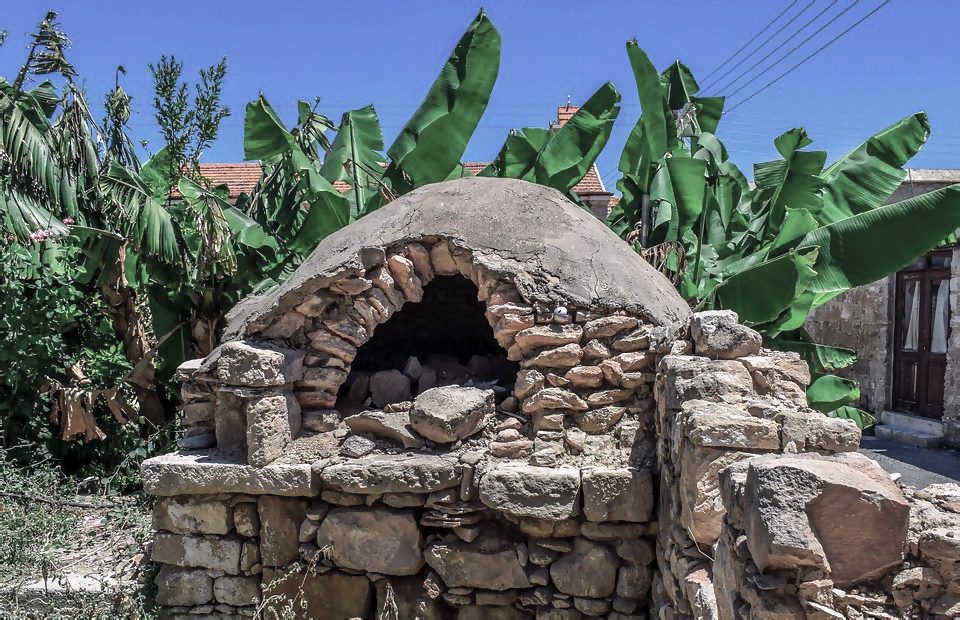
At the heart of village baking stood the fournos, the traditional wood-fired oven. Built from clay, stone, and mudbrick, it was designed to store intense heat and release it gradually. A single firing could bake bread, pies, meats, and rusks in sequence, making the oven a cornerstone of domestic efficiency.
Ovens were whitewashed to protect them from the weather and reflect heat. Firing required skill, patience, and experience. Bakers judged temperature not by tools, but by colour, sound, and instinct.
Fuel mattered. Olive wood burned long and clean, while vine cuttings and pine cones helped start the fire. Before baking, the oven floor was swept and wiped so bread met a clean stone rather than ash.
Baking as a Shared Responsibility
Few households fired an oven alone. Wood was precious, and heat was shared. In many villages, one oven served several families, each baking in turn as temperatures gradually dropped.
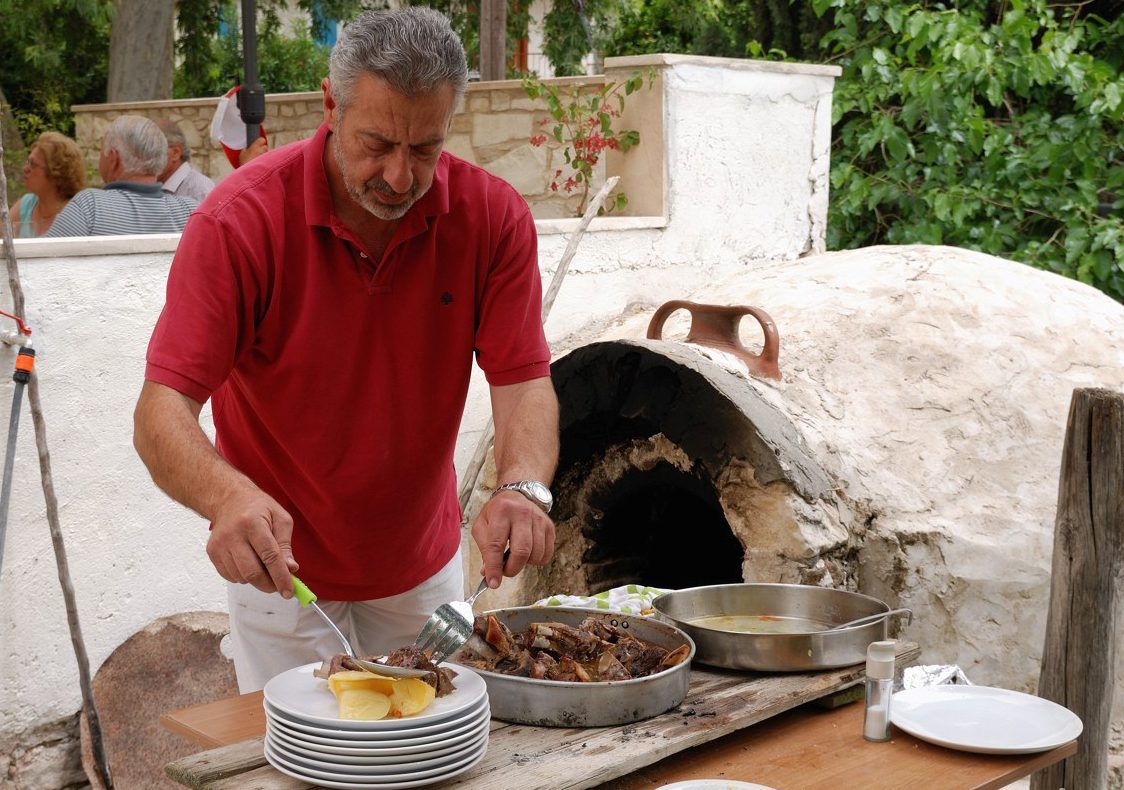
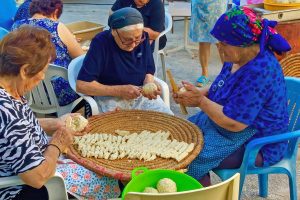
This system created cooperation by necessity. One family fired the oven, and others followed, often leaving bread or pies in return. Baking days became social events, filled with conversation, shared labour, and informal exchange.
Large preparations, such as Easter pies, required many hands. Tasks were divided, stories shared, and work transformed into a gathering. Baking reinforced belonging long before it produced food, weaving domestic labour into community life.
Sourdough and the Meaning of Time
Village bread was leavened with prozyme, a natural sourdough starter passed through generations. It required daily care and patience, reinforcing a slow relationship with food and fermentation.
Starting a new sourdough was often tied to the religious calendar, using blessed water and basil. Dough was fed, warmed, and marked with the sign of the cross. Bread was treated as a blessing, not a product.
In mountain villages such as Omodos, bakers developed arkatena, a rare bread leavened with fermented chickpea foam. This demanding process produced light, aromatic loaves and remains one of Cyprus’s most distinctive baking traditions.
Shaping the Dough: Skill Over Speed
Dough preparation began before dawn. Flour was rubbed with olive oil in a technique known as riziazete, creating tenderness and aroma. Spices such as mahlepi, aniseed, or fennel seeds reflected regional taste and occasion.
Kneading took place in large wooden troughs that retained warmth. Dough was shaped by hand and carried on wooden boards to the oven. Each movement was learned, not written, and passed through observation rather than instruction, reinforcing a practical, embodied knowledge of baking.
Bread for Every Purpose
Village baking produced different breads for different needs, each shaped by function, season, and social meaning.
Everyday breads
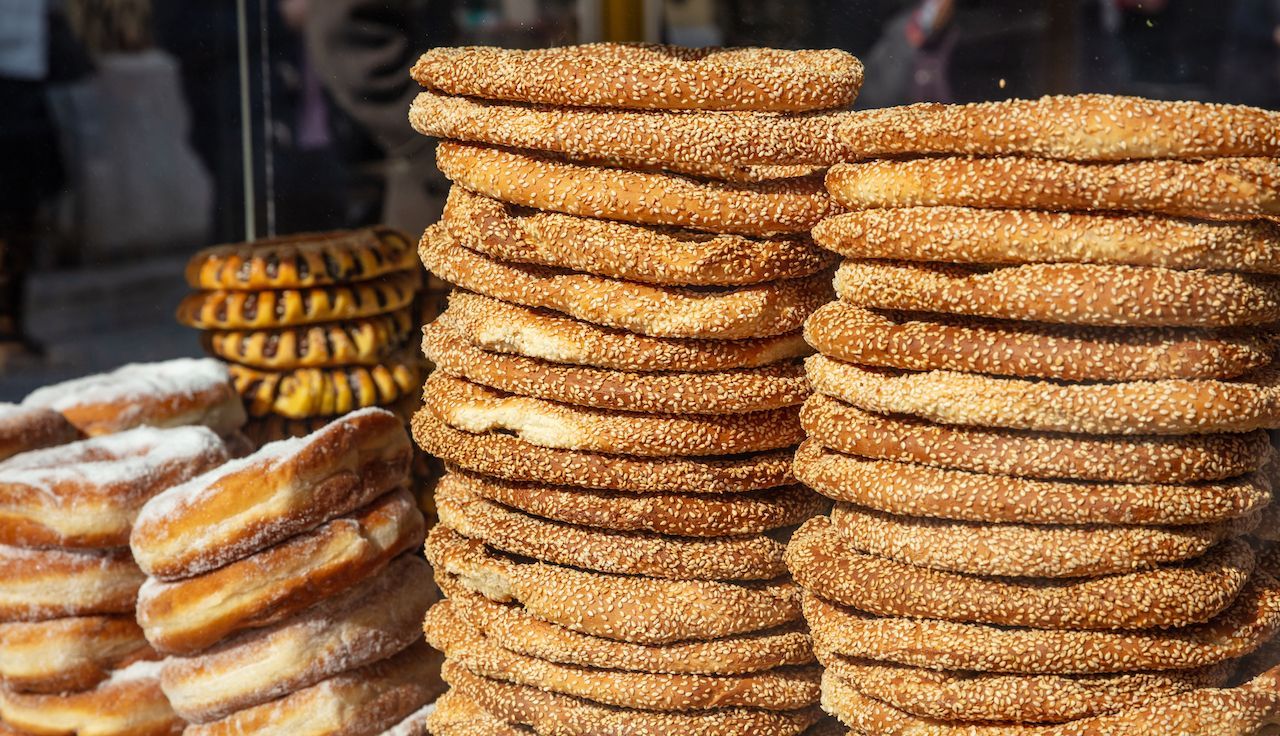
● Koulouri, round or ring-shaped loaves, often coated in sesame
● Daktyla, pull-apart “finger” bread designed for sharing
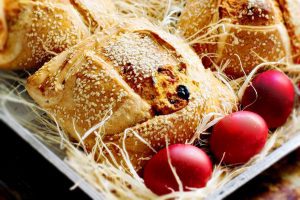
Festive breads decorated loaves marked Christmas, Easter, weddings, and memorials. Dough was shaped into crosses, birds, snakes, or frogs, symbols of protection, fertility, and hope that transformed bread into a carrier of belief and symbolism.
Survival bread
Fresh loaves were dried into rusks that could last months. During hardship, mixed-grain rusks provided essential energy for labourers working long days in fields and mines. Bread adapted to life’s demands rather than resisting them, reflecting resilience built into everyday food practices.
Pies That Traveled With the Worker
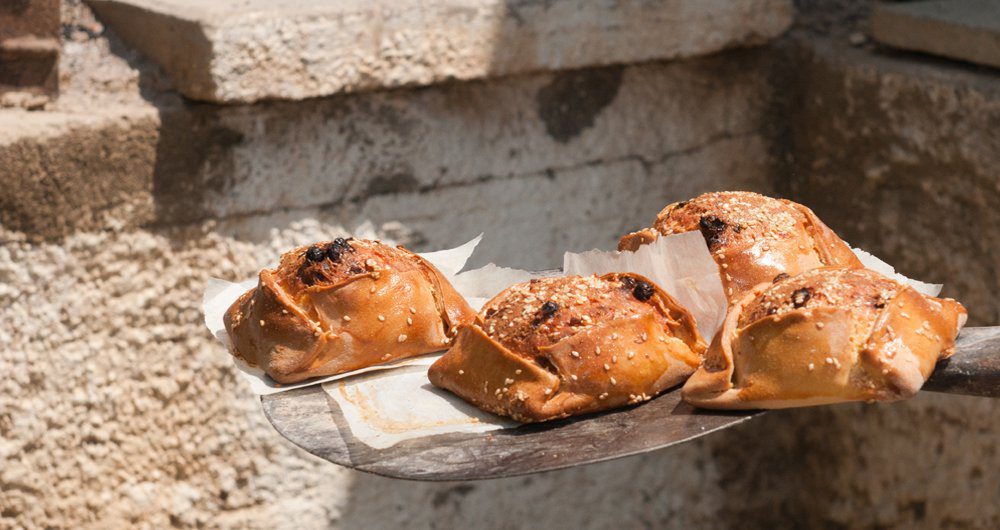
The same ovens baked savory pies designed to be carried and eaten in the fields, bridging the gap between home and labour.
● Elioti, filled with olives, onions, and herbs
● Halloumi breads, cheese baked directly into the dough
● Kolokoti, pumpkin pies balancing sweet and spice
At Easter, no oven escaped the scent of flaounes, rich cheese pies whose baking signaled the end of fasting and the start of celebration. These pies were both nourishment and message, marking time and reinforcing communal rhythms.
Bread as Social Language
Bread functioned as currency, comfort, and connection. Guests were greeted with bread and cheese before questions were asked. Bread accompanied baptisms, weddings, funerals, and memorials, appearing at every threshold of life.
Even conflict was softened through bread. Offering a loaf was a gesture of peace, hospitality, and shared humanity. Eating together affirmed belonging more strongly than words, turning simple food into a social contract.
Why Village Baking Still Matters
Modern bakeries have replaced daily home baking, but the village oven has not disappeared. Across the Troodos and rural Cyprus, communal ovens are being restored, festivals revived, and workshops reopened, often led by local associations and heritage groups.
Visitors now gather where villagers once stood, learning techniques shaped by necessity rather than trend. The fournos remains a symbol of patience, cooperation, and resilience, connecting contemporary interest with centuries of practice.
Village baking endures because it answers a deeper need. It reminds Cypriots that food is not only consumed, but shared, earned, and remembered, linking daily routines with collective identity.
The Quiet Power of the Oven
The story of Cypriot village baking is not about nostalgia. It is about continuity. Bread made in wood-fired ovens carries the memory of land, labour, faith, and community.
As long as smoke rises from village ovens and dough rests under cloth, Cyprus’s rural identity remains intact. The oven does not rush. It waits, warms, and feeds. In doing so, it keeps village life alive.