Explore Cyprus with Our Interactive Map

Explore our top stories and discover ideas worth your time.

Quiet Coast & Natural Beauty

Quiet Coast & Natural Beauty

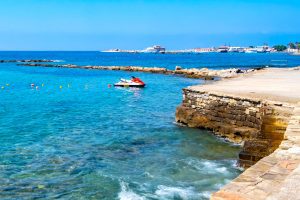
Alykes Beach is a quiet coastal area located near the town of Neapolis in the Famagusta district of southeastern Cyprus. The beach stretches approximately 400 meters along the Mediterranean coast, positioned about 1.8 kilometers from the center of Neapolis. chooseyourcyprus.com Unlike the busier tourist beaches found in major resort areas, Alykes maintains a more tranquil atmosphere that appeals to visitors seeking a relaxed seaside experience. The beach consists of small coves covered with sand, with portions privately owned by local beach resorts while maintaining a spacious public access area. Development of the Coastal Area The Neapolis area developed gradually as a coastal settlement, with the beach remaining relatively undeveloped compared to major tourist zones in Cyprus. The name Alykes likely refers to salt pans or saline areas that historically existed along Mediterranean coastlines, though the modern beach area shows no obvious traces of such features. The beach gained its current character through modest development that balanced tourism needs with preserving the natural coastal environment. Local authorities maintained regulations that prevented excessive construction and kept much of the surrounding landscape in its natural state. The beach infrastructure developed primarily during the expansion of Cyprus tourism in recent decades, yet growth remained controlled compared to areas like Ayia Napa or Protaras just a few kilometers away. This slower development pattern helped Alykes…

Read more
The Silvery Sentinels of Cyprus Slopes

The Silvery Sentinels of Cyprus Slopes

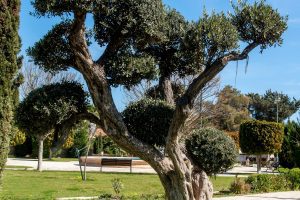
On rocky hillsides and gentle terraces across Cyprus, trees with shimmering silver-green leaves stand like wise elders, their twisted trunks telling stories of centuries under the Mediterranean sun. These are the olive trees, living treasures that have shaped the island’s landscape, diet and culture since the dawn of human settlement here. www.inaturalist.org A Classic Evergreen of the Olive Family Known to science as Olea europaea, the olive belongs to the family Oleaceae within the order Lamiales. In Cyprus it thrives both as the familiar cultivated form in orchards and as the wild oleaster (Olea europaea var. sylvestris), a tougher, smaller-fruited version that grows naturally in maquis and garigue vegetation alongside carob and wild pistachio. www.inaturalist.org Echoes from the Dawn of Cypriot Civilisation Olives have been part of Cyprus since at least the Bronze Age, with ancient pollen records and archaeological finds showing they were already valued for oil and fruit more than 4,000 years ago. Phoenician, Greek and Roman settlers expanded their cultivation, while the wild oleaster formed part of the original maquis shrublands described in 19th-century British forest reports. Over time, centuries of human care turned scattered wild trees into the productive groves that still cloak the island’s lower slopes today. Graceful Form and Enduring Strength The olive is an evergreen tree reaching 8–15 metres, with a short, often…

Read more
Washingtonia Palms

Washingtonia Palms

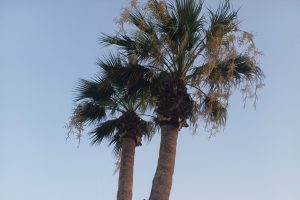
Wander along a bustling coastal promenade in Limassol or through a quiet park in Nicosia, and you might spot these towering fan-shaped trees swaying gently in the breeze. These are the Washingtonia palms of Cyprus – elegant imports from distant deserts that have become familiar landmarks across the island. But how did these American natives find a home in our Mediterranean paradise? www.inaturalist.org A Palm for Dry Lands Washingtonia belongs to the vast palm family, Arecaceae, which includes over 2,500 species worldwide, from the date palms we know so well to the coconut trees of tropical shores. In simple terms, it's a type of fan palm, known for its wide, spreading leaves that look like giant hands fanning the air. Here in Cyprus, we mainly see two varieties: the sturdy Washingtonia filifera and its slimmer cousin, Washingtonia robusta, along with their natural hybrid blends. From Desert Oases to Island Avenues These palms hail from the hot, dry deserts of southwestern America and northwestern Mexico, where they've thrived for thousands of years around precious water sources. Named in 1879 after George Washington, the first U.S. president, they caught the eye of European botanists in the 19th century and were soon shipped across the seas as ornamental wonders. In Cyprus, they likely arrived during the British colonial era around the early 1900s,…

Read more