UNESCO World Heritage sites

Articles: UNESCO World Heritage sites

Stories in this category and its subcategories.

​​Historic Cyprus Churches in Rural Landscapes

​​Historic Cyprus Churches in Rural Landscapes

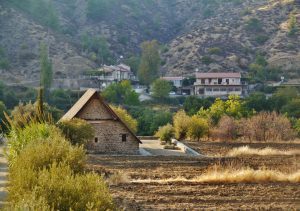
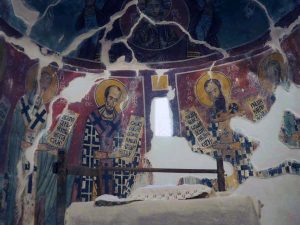
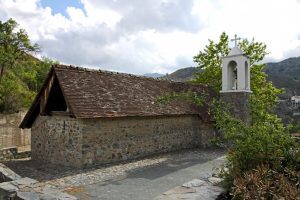
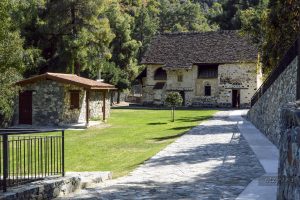
Historic churches scattered across Cyprus's Troodos Mountains preserve Byzantine and post-Byzantine frescoes within humble rural buildings, creating stark contrasts between simple exteriors and elaborate interior decorations. UNESCO recognized ten of these structures in 1985 and 2001 as the Painted Churches in the Troodos Region, acknowledging their outstanding testimony to Byzantine civilization and well-conserved examples of rural religious architecture. In-Cyprus They range from small churches whose rural architectural style is in stark contrast to their highly refined decoration, to monasteries such as that of St John Lampadistis. The churches date from the early 11th to early 16th centuries, spanning 500 years of artistic evolution influenced by Byzantine, Frankish, Venetian, and local Cypriot traditions. Steep wooden roofs with locally manufactured flat tiles…

Read more
Agios Nikolaos tis Stegis

Agios Nikolaos tis Stegis

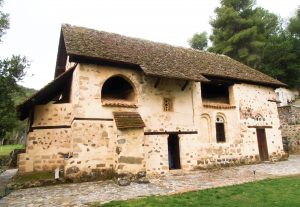
Agios Nikolaos tis Stegis, near Kakopetria in the Solea Valley, is one of Cyprus’s most important painted churches, preserving multiple phases of Byzantine frescoes inside a modest mountain building. Its steep timber roof, added for protection, helped these wall paintings survive centuries of harsh weather and shifting rule. This article explains how the church evolved, what the fresco layers show, and why the site remains a rare visual record of Byzantine life in Cyprus. Agios Nikolaos tis Stegis stands on the western bank of the Karkotis River, near the village of Kakopetria, at an elevation of roughly 700 meters. dreamstime-com This mountain setting explains one of the church’s most defining features. Unlike urban Byzantine churches, which display their domes openly,…

Read more
Paphos Ancient Heart of Goddess Worship

Paphos Ancient Heart of Goddess Worship

Paphos, the ancient city on Cyprus's southwest coast, stood as the unrivaled heart of goddess worship in the Mediterranean, where Aphrodite's cult drew pilgrims from afar to honor her as the embodiment of love, beauty, and fertility. This wasn't just a local shrine; it became a global beacon, blending myth, ritual, and power in a place believed to be her earthly birthplace. Exploring its story reveals how a coastal spot turned into a sacred powerhouse that still captivates imaginations today. A Sacred Hub Born from the Sea www.sovereign.com Picture Paphos as more than ruins – it's where ancient worlds collided in devotion to a goddess who symbolized life's spark. Tucked on Cyprus's edge, with waves lapping at rocky shores and…

Read more
Khirokitia UNESCO Chalcolithic Village Cyprus

Khirokitia UNESCO Chalcolithic Village Cyprus

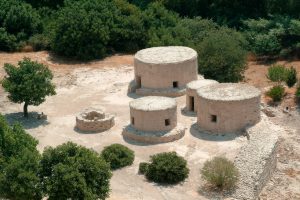
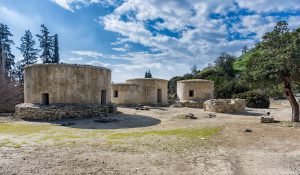
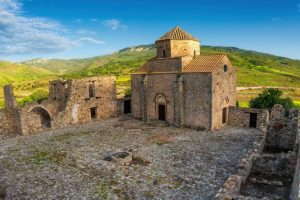
nashaplaneta.net Khirokitia (also spelled Choirokoitia) represents the peak of Cyprus's Aceramic Neolithic period, when communities built permanent settlements without any knowledge of pottery production. The site covers approximately 3 hectares at its maximum extent and consists of circular stone and mudbrick houses clustered together on a hillside. These structures were protected by massive stone walls that enclosed the settlement on multiple sides. The archaeological remains document a sophisticated farming society that thrived for over 1,500 years. Residents cultivated wheat and barley, raised domesticated sheep, goats, and pigs, and supplemented their diet through hunting and gathering wild foods. The settlement's name likely derives from the Greek words for pig (χοίρος) and cradle (κοιτίς), suggesting an area where pigs were raised, though…

Read more
Church of Panagia Podithou Renaissance Cypriot Art

Church of Panagia Podithou Renaissance Cypriot Art

Historical Background and Venetian Context The Church of Panagia Podithou, located near the village of Galata in the Troodos Mountains of Cyprus, is one of the monuments included in the UNESCO World Heritage group known as the Painted Churches of the Troodos Region. Built in 1502, during the period of Venetian rule over Cyprus, the church represents a distinctive moment in the island’s artistic history when Byzantine traditions interacted with Western Renaissance influences. While the building maintains the architectural form typical of Cypriot mountain churches, its wall paintings reveal stylistic changes that reflect exposure to Italian artistic trends. The church stands as a visual document of cultural exchange in the eastern Mediterranean at a time when political authority had shifted…

Read more
Church of Panagia tou Moutoulla Byzantine Art

Church of Panagia tou Moutoulla Byzantine Art

Historical Background and Regional Context The Church of Panagia tou Moutoulla, located in the village of Moutoullas in the Marathasa Valley of the Troodos Mountains, holds a special place among the Painted Churches of Cyprus recognized by UNESCO. Built in 1280, according to an inscription preserved within the building, the church represents the earliest securely dated example of the steep-pitched wooden roof style that became characteristic of mountain churches in Cyprus. Its importance lies not only in its artistic decoration but also in its architectural form, which demonstrates how local communities adapted Byzantine religious architecture to the demanding climatic conditions of the highlands. This combination of artistic heritage and environmental adaptation makes the church a key monument for understanding the…

Read more
Choirokoitia Settlement

Choirokoitia Settlement

Choirokoitia Settlement is a remarkable Neolithic village on Cyprus's southern coast, dating back to around 7000 BC, where early humans first built permanent homes and formed communities. Recognized as the most important site of its kind in the eastern Mediterranean, it reveals how people shifted from wandering hunters to settled farmers, laying foundations for civilization. This ancient spot whispers stories of innovation and survival, sparking interest in humanity's shared journey toward organized life. turbinatravels-com A Window into Early Human Life Choirokoitia stands as one of the earliest and best-preserved examples of a settled Neolithic community in the region, offering a detailed look at the transition from nomadic existence to village life. Located in the Larnaca District on a hillside overlooking…

Read more
Church of the Transfiguration in Palaichori

Church of the Transfiguration in Palaichori

Church of the Transfiguration in Palaichori is a 16th-century Byzantine chapel in Cyprus's Troodos Mountains, renowned for its post-Byzantine frescoes that illustrate the persistence of Orthodox artistic traditions under foreign rule. Part of the UNESCO-listed Painted Churches, it preserves vivid paintings blending theological narratives with symbolic depth, reflecting medieval devotion in a rural setting. This site captures how faith endured and adapted, offering insights into Cyprus's cultural resilience amid external influences. sobory-ru A Testament to Enduring Faith in the Mountains The Church of the Transfiguration exemplifies the resilience of Byzantine religious architecture in Cyprus's highland regions, dedicated to Christ's Transfiguration - a pivotal event symbolizing divine glory and human potential for spiritual elevation. Situated in Palaichori village at an elevation…

Read more
Church of Agios Nikolaos tis Stegis Byzantine Art

Church of Agios Nikolaos tis Stegis Byzantine Art

Historical Background and Monastic Context The Church of Agios Nikolaos tis Stegis, located in the Troodos Mountains of Cyprus near the village of Kakopetria, holds a central place in the island’s medieval religious and artistic heritage. It is one of the most important monuments included in the UNESCO World Heritage listing of the “Painted Churches in the Troodos Region,” a group recognized for preserving exceptional examples of Byzantine wall painting. Agios Nikolaos tis Stegis is especially significant because it is the only surviving katholikon, or main church, of an 11th-century monastery that once functioned as a spiritual, cultural, and economic center in the mountainous interior of Cyprus. Although the surrounding monastic complex has largely disappeared, the church remains as a…

Read more