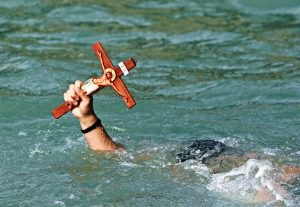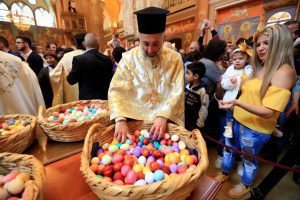
Most visitors to Cyprus know about its Greek Orthodox churches and ancient Christian monasteries, but the island’s religious story is far richer and more complex. For millennia, Cyprus has been home to Jewish communities, Muslim mosques, Armenian and Maronite Christians, Sufi mystics, and Latin Catholic cathedrals – each faith leaving monuments that testify to survival, migration, and remarkable coexistence.
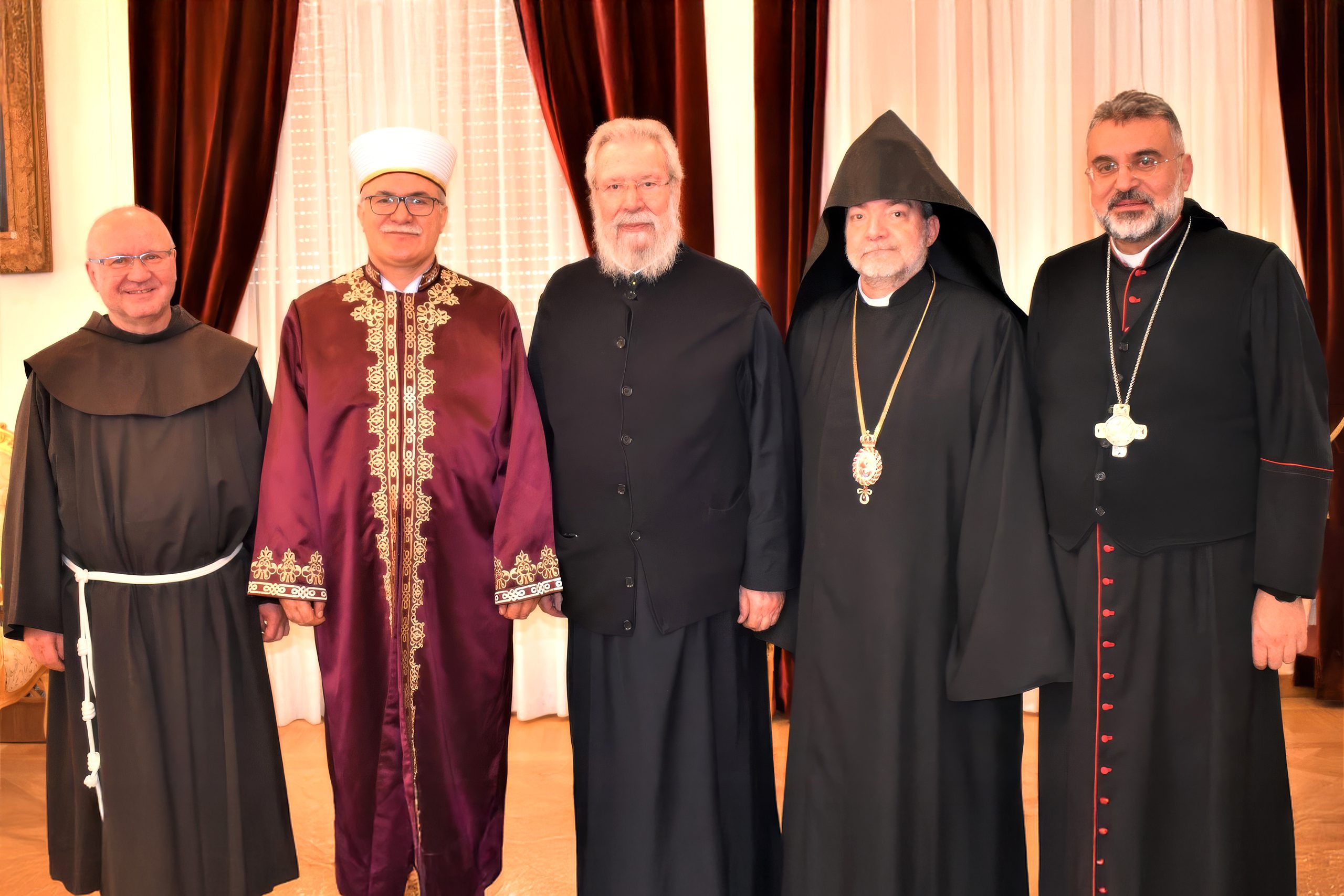
Walking through Cyprus’s cities means encountering this layered religious landscape where synagogues stand near mosques, Gothic cathedrals became prayer halls, and sacred springs were shared by people of different beliefs.
Where Many Faiths Met and Mingled
Cyprus has never belonged to a single religious tradition. Its position at the meeting point of Europe, Asia, and Africa made it a crossroads not only for trade and armies but also for belief systems. Long before Orthodox Christianity became dominant in the medieval period, Cyprus hosted Jewish traders and craftsmen, pagan mystery cults, and early Christian congregations mentioned in the New Testament. Later waves brought Islamic institutions during Ottoman rule, Armenian refugees fleeing persecution, Maronite Christians migrating from Lebanon and Syria, and Western European Crusaders establishing Latin Catholic strongholds.
Rather than existing as isolated enclaves, these religious minorities participated actively in Cyprus’s economy, diplomacy, and urban life. Their monuments – synagogues, mosques, churches of different denominations, and Sufi lodges – aren’t marginal curiosities but integral parts of the island’s cultural fabric. They reveal Cyprus as a religious mosaic where faiths interacted daily, shared spaces, influenced each other’s practices, and sometimes worshipped at the same sacred springs and trees.
Layers of Belief Across Centuries
The Jewish presence in Cyprus dates back to antiquity. Jews arrived as traders connecting Cyprus to Egypt, Syria, and Greece, as craftsmen bringing specialized skills, and as refugees seeking safety from persecution elsewhere. Although their presence was already established in Roman times, it remained relatively limited in scale from the Roman period through the nineteenth century. They played crucial roles in commerce, money exchange, and diplomacy, often serving as cultural intermediaries between Christian and Muslim worlds because of their multilingual abilities and international connections.
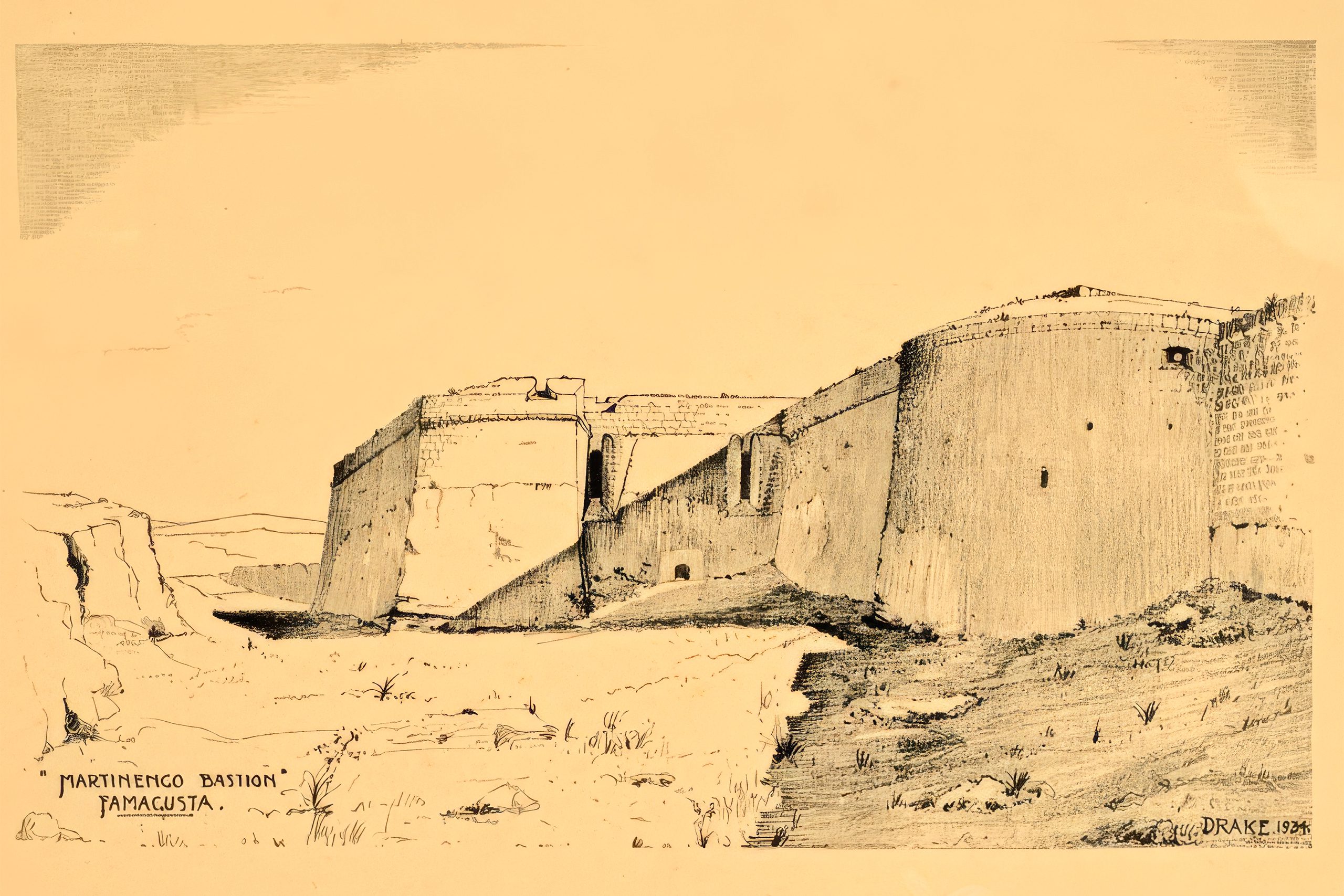
Medieval Famagusta, for example, housed Jewish families near markets and ports, their homes and shops interwoven with Latin Christian, Greek Orthodox, and Muslim neighborhoods. Though few physical remains of this Famagusta Jewish Quarter survive today, urban records and archaeological traces preserve memories of how Jewish life functioned within a genuinely multicultural city.
When Ottoman forces conquered Cyprus in 1571, they brought Islamic institutions and transformed the religious landscape without completely replacing what existed before. Churches became mosques, but often the conversion preserved rather than destroyed the original buildings. The Omeriye Mosque in Nicosia, for instance, was built on the site of a medieval Augustinian church, with Gothic arches still visible alongside Islamic prayer orientation and Ottoman architectural additions. This physical layering visually records religious transition rather than wholesale replacement.
Armenian Christians arrived in Cyprus fleeing various waves of persecution, particularly during the late Ottoman period and the Armenian Genocide of 1915-1923. They established communities in major cities, building churches that functioned as both religious centers and cultural anchors preserving Armenian language, liturgy, and identity in exile. The Armenian Church of Saint Nicholas in Nicosia became the heart of Armenian life on the island, a space where refugees and their descendants maintained connection to a homeland many would never see again.
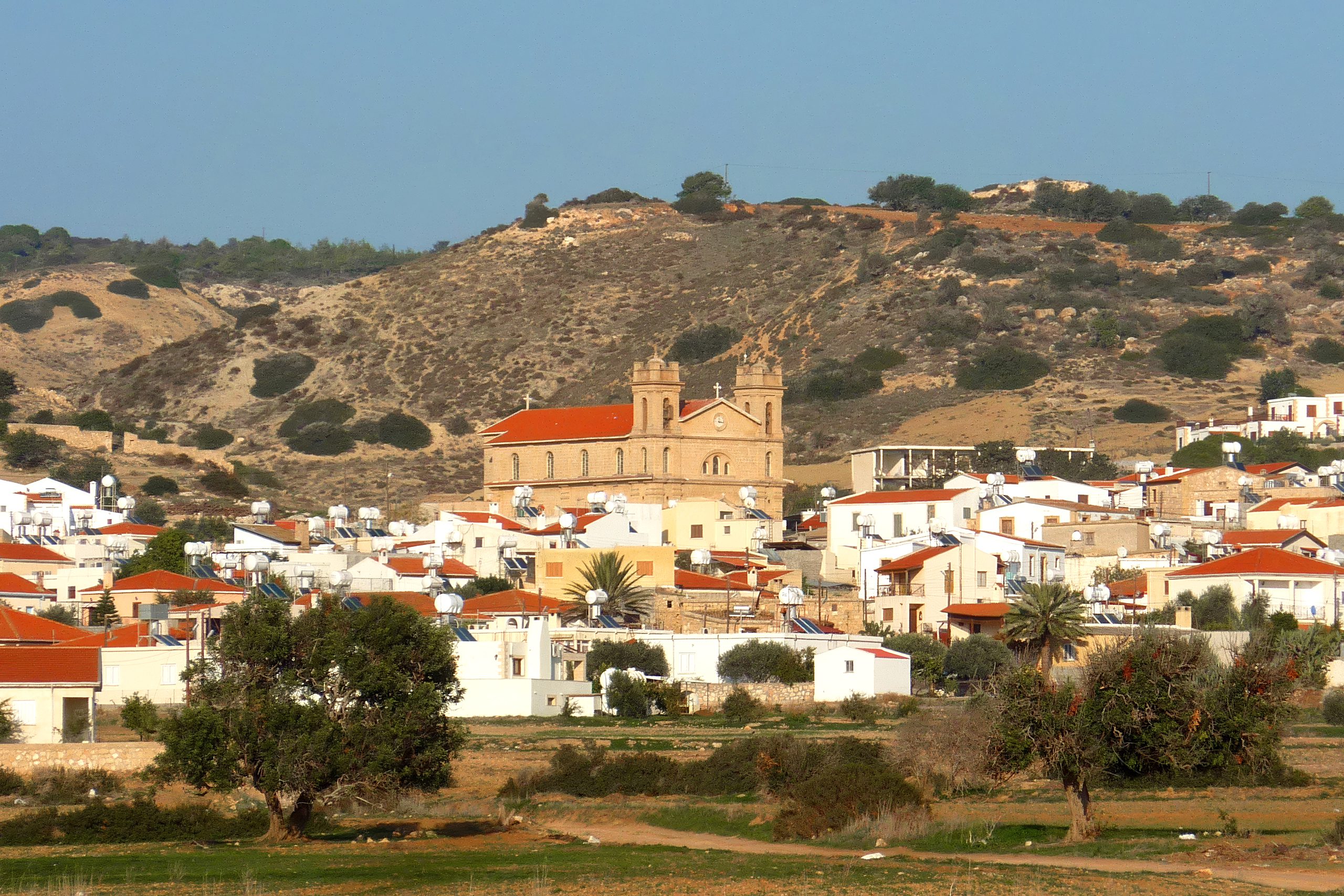
Maronite Christians – an Eastern Christian community with unique ties to both Rome and Middle Eastern traditions – migrated from Lebanon and Syria, settling primarily in northern villages. Kormakitis and surrounding settlements became centers of Maronite life, where churches and monasteries preserved rituals blending Arabic, Greek, and Latin influences. These communities maintained distinctive dialects and customs across centuries, creating cultural continuity despite geographic displacement.
Western European Crusaders and Venetian rulers brought Latin Catholic institutions during the medieval period, constructing Gothic cathedrals, Franciscan and Dominican monasteries, and Western-style bishoprics. Magnificent structures like Saint Nicholas Cathedral in Famagusta and Bellapais Abbey introduced Western architectural styles into the eastern Mediterranean, representing Cyprus’s role in Crusader religious and political networks.
Sacred Spaces That Tell Stories
Monuments associated with Cyprus’s religious minorities share distinctive characteristics that set them apart from the island’s dominant Orthodox Christian architecture. They’re typically embedded in cities and villages rather than isolated in remote locations, built with local stone but incorporating foreign architectural styles, and frequently layered on earlier sacred buildings. Most were designed as community centers as much as worship spaces, housing schools, courts, charitable operations, and social gathering areas alongside prayer halls.
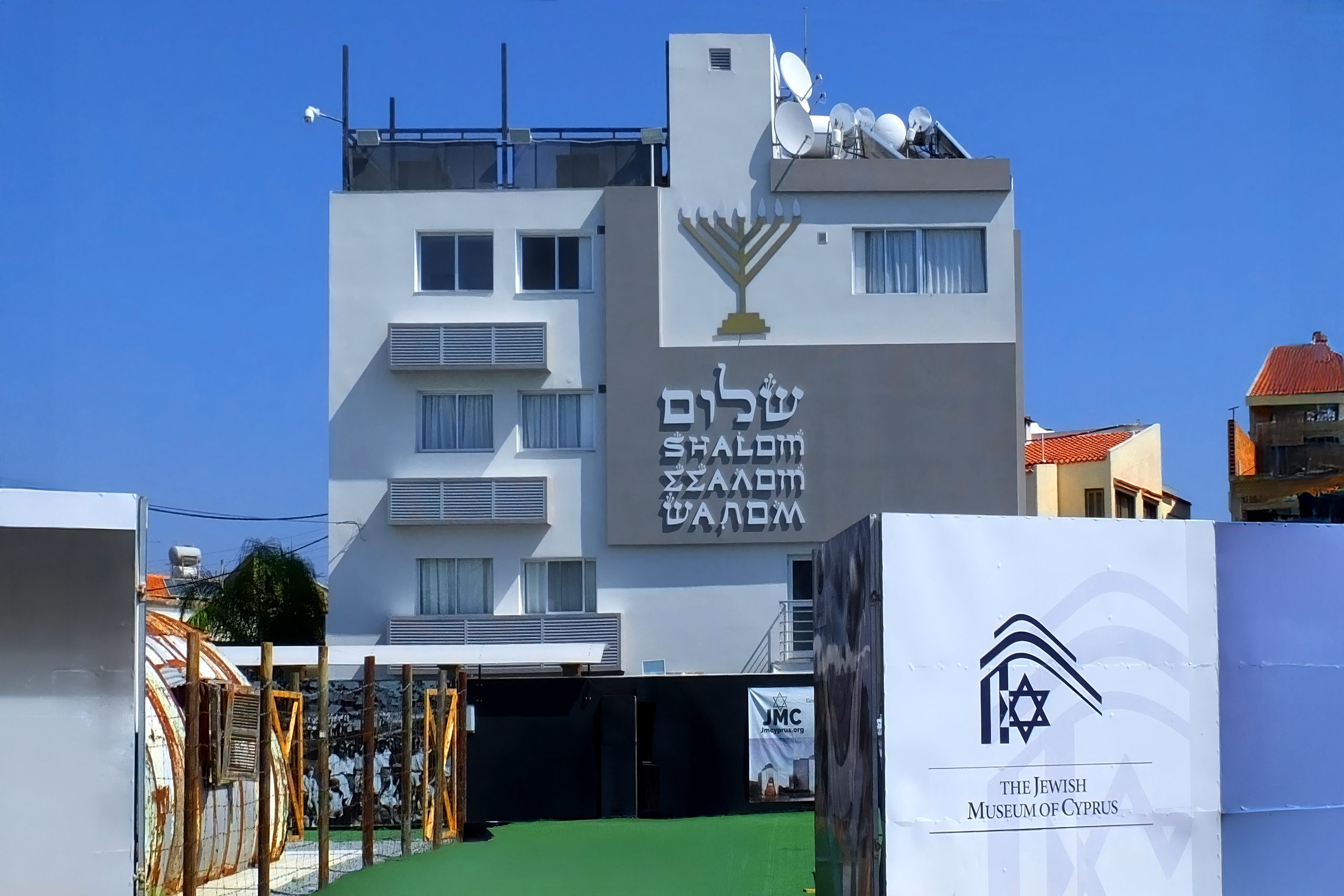
The Larnaca Synagogue (also called the Great Synagogue of Cyprus) serves as the spiritual center of modern Jewish life on the island. Its design combines Mediterranean simplicity with traditional synagogue orientation and ritual layout, emphasizing community gathering over architectural grandeur. The building represents revival rather than disappearance – proof that Cyprus’s Jewish community, though small, maintains continuity after centuries of demographic fluctuation.
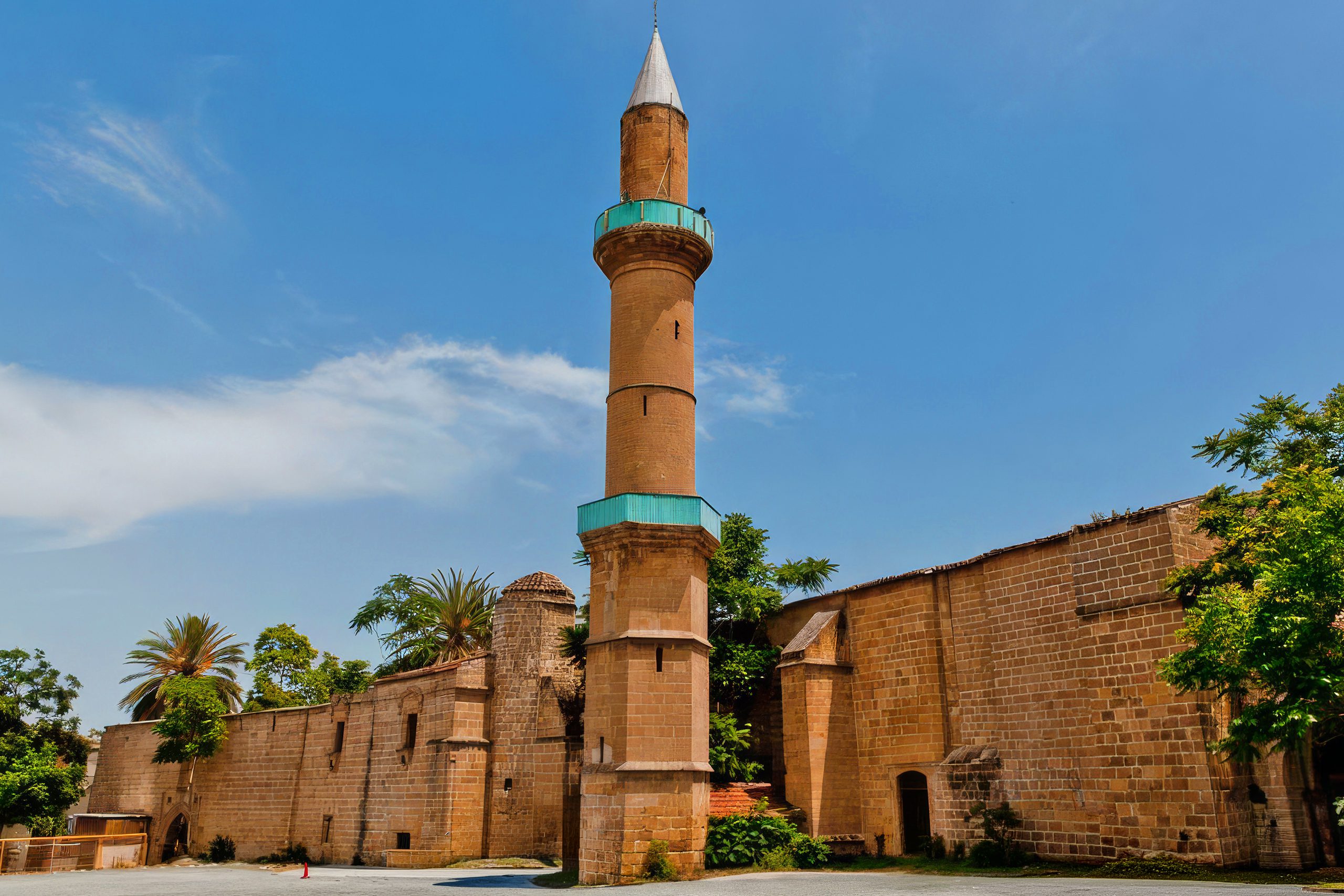
Muslim mosques like Arabahmet Mosque in Nicosia anchor historic neighborhoods, with surrounding houses, fountains, markets, and schools organized around them. The mosque wasn’t just a building for Friday prayers but the organizational center of daily urban life, shaping how the district developed and how neighbors interacted. The Ottoman-era architecture preserves domestic patterns showing how religion influenced residential organization and social relationships.
Sufi tekkes (mystical lodges) represent a different dimension of Islamic practice focused on meditation, chanting, and inner devotional discipline rather than legal observance. These modest structures – usually featuring courtyards, prayer rooms, and burial chambers for revered teachers – welcomed travelers and spiritual seekers regardless of origin. They functioned as sites of spiritual exchange and interfaith contact, practicing a form of Islam emphasizing universal divine love over strict religious boundaries.
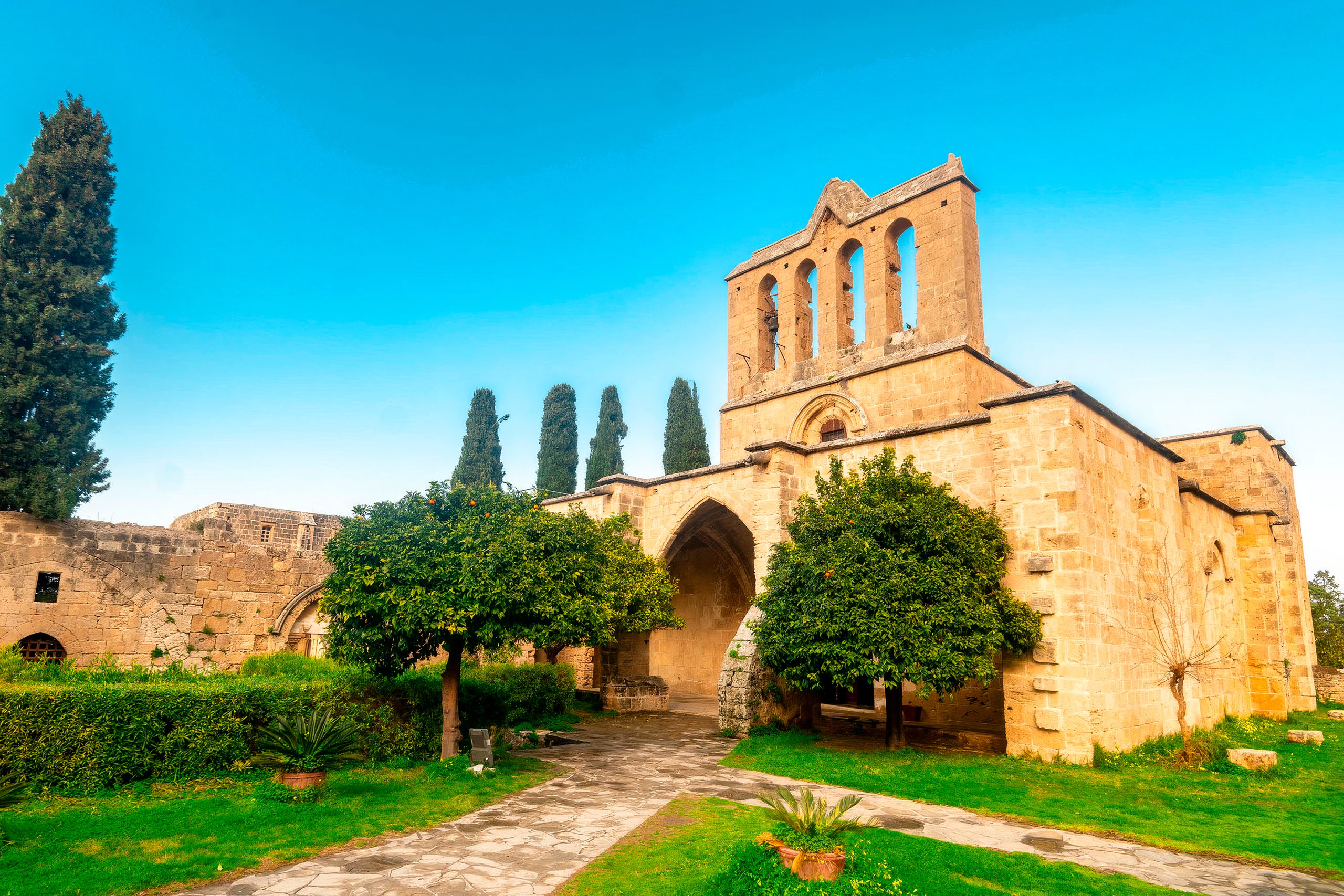
Latin Catholic monuments like Bellapais Abbey showcase Gothic architecture transported to the Mediterranean – pointed arches, ribbed vaults, flying buttresses, and elaborate stone carving. These buildings feel transplanted from France or England, creating striking visual contrast with Byzantine domes and Ottoman minarets visible from the same vantage points.
Surprising Religious Stories
- Jews Before Christians – Cyprus had established Jewish communities before Christianity arrived, meaning Jewish presence on the island predates the Christian era by centuries.
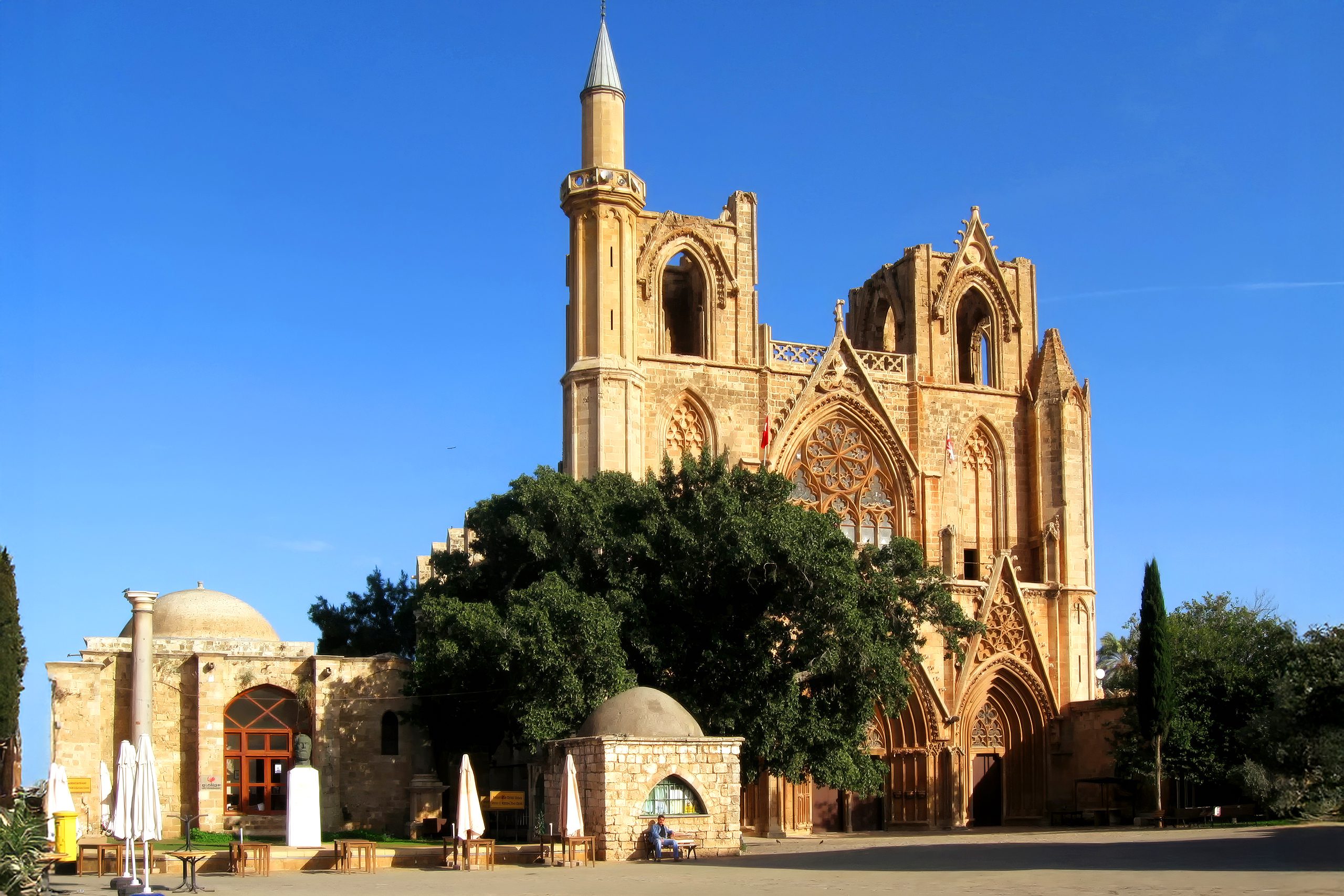
- Cathedrals Becoming Mosques – Several magnificent Gothic cathedrals, including Saint Nicholas Cathedral in Famagusta, were converted into mosques after Ottoman conquest. Rather than destroying these structures, Ottoman authorities added minarets and reoriented prayer direction while preserving the Christian architecture, creating hybrid buildings that tell layered stories.
- Armenian Churches as Shelters – Armenian churches in Cyprus functioned as refugee reception centers during and after the Armenian Genocide, providing shelter, food, and community support for survivors. These religious buildings became literal lifelines for people fleeing extermination.
- Dialects Older Than Modern Greek – Maronite villages like Kormakitis preserve linguistic forms and dialects containing elements older than standard modern Greek, making them living repositories of ancient Mediterranean language patterns that have disappeared elsewhere.
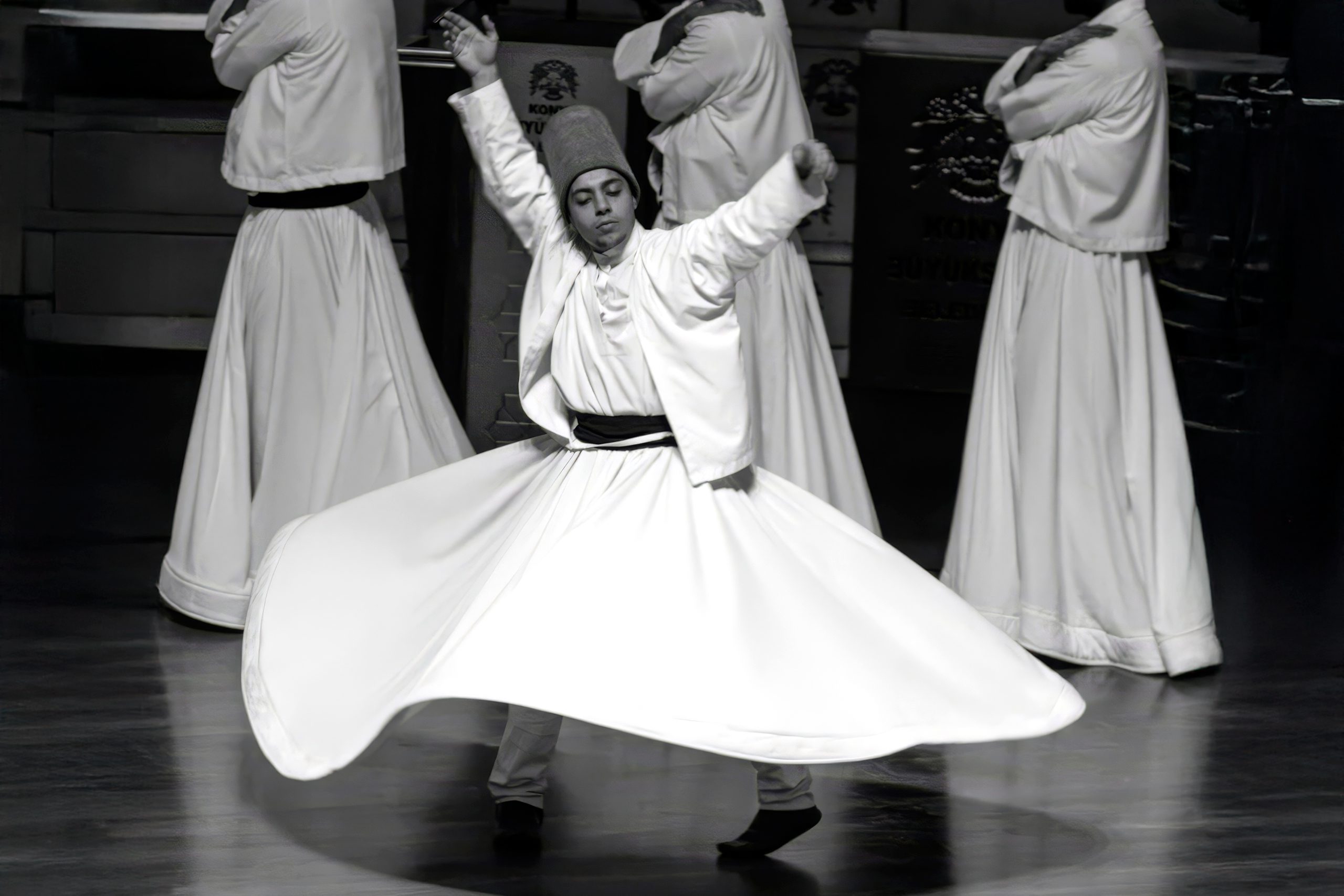
- Sufi Music and Trance – Sufi tekkes practiced spiritual ceremonies involving rhythmic chanting, music, and sometimes whirling or trance states intended to bring practitioners closer to divine consciousness. These mystical Islamic traditions contrast with more legalistic forms of religious practice.
- Shared Sacred Springs – Certain springs, trees, and roadside shrines across Cyprus are visited and revered by Christians, Muslims, and sometimes people of other faiths. These folk sacred sites blur formal religious boundaries, showing how ordinary people often shared spiritual geography regardless of official theological differences.
Beyond the Buildings
Religious communities in Cyprus developed complex institutional structures allowing them to survive as minorities. Under Ottoman rule, the millet system granted recognized religious groups legal autonomy – separate religious courts, tax arrangements, and authority over internal community affairs including marriage, inheritance, and education. This system allowed minorities to maintain distinct identities without forced conversion while still participating in the empire’s economic and political life.
Religious minorities often acted as crucial intermediaries in trade and diplomacy. Jewish merchants connected Christian and Muslim commercial networks. Armenian craftsmen and traders brought specialized skills and international connections. Maronites maintained ties to both Eastern and Western Christian worlds. Religious identity thus functioned as infrastructure for communication and commerce across otherwise divided communities.
These groups contributed distinctive artistic traditions that enriched Cyprus’s cultural landscape. Armenian manuscript illumination brought intricate decorative styles. Hebrew inscriptions added another script to the island’s epigraphic record. Islamic calligraphy transformed Arabic script into visual art adorning mosques and monuments. Maronite liturgical chant preserved ancient musical traditions. Religion shaped Cyprus’s artistic language in multiple directions simultaneously.
Living Faith Today
These religious communities remain active in modern Cyprus, not just as historical artifacts but as living traditions. Jewish, Armenian, Maronite, and Muslim citizens still worship in these spaces, celebrate their festivals, maintain their languages and customs, and pass traditions to younger generations. The monuments aren’t museums but functioning religious centers where services happen, holidays are observed, and communities gather.
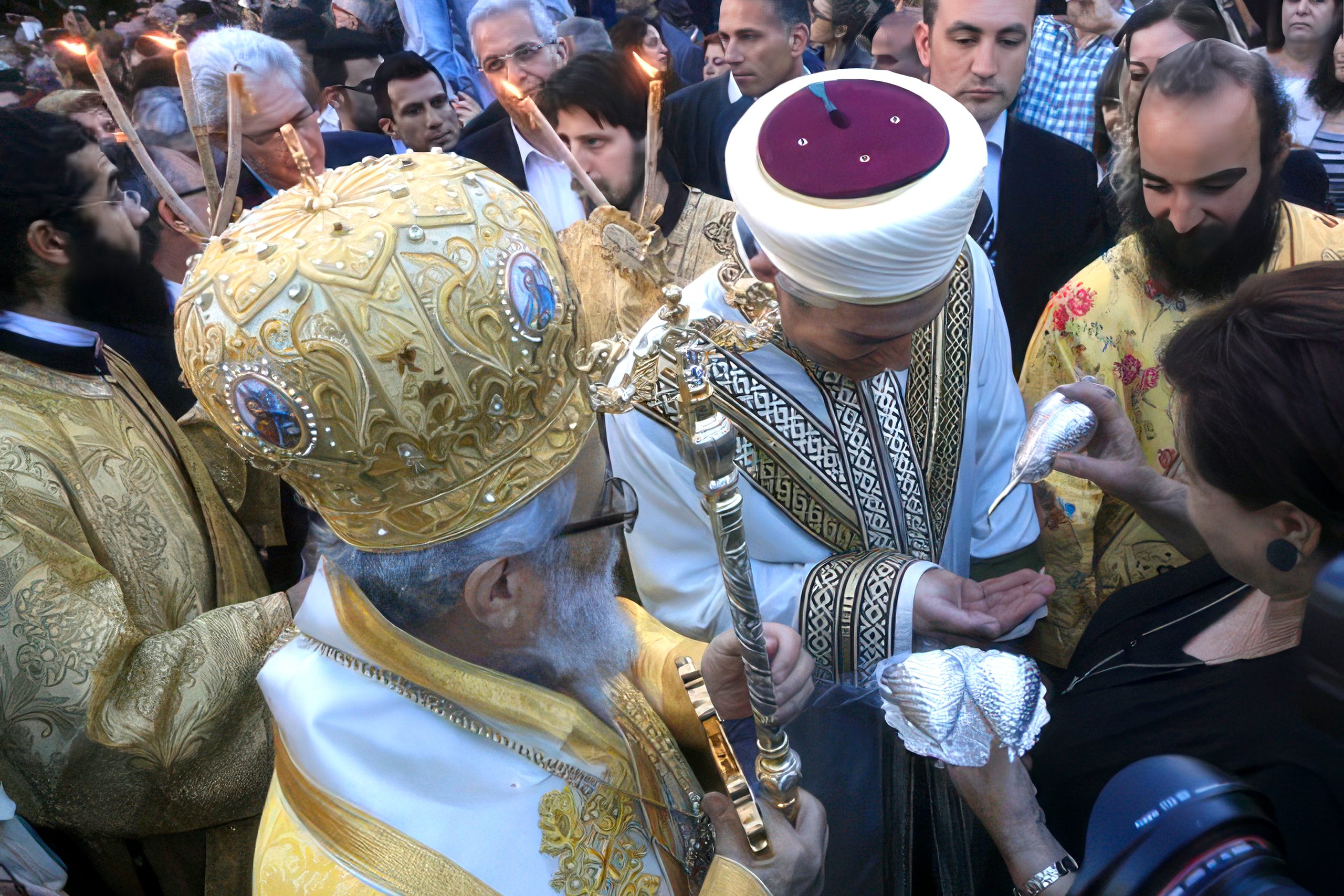
Their continued presence appears in school curricula teaching Cyprus’s multicultural heritage, in tourism materials highlighting religious diversity, and in interfaith dialogue initiatives recognizing shared history. Modern Cyprus officially protects minority religious sites and supports their maintenance, understanding that these monuments represent the island’s complex identity rather than threats to a single dominant narrative.
Contemporary migration adds new layers to this religious story. Foreign workers, refugees, and immigrants bring additional synagogues, mosques, churches, and temples representing faiths previously absent or minimal on the island. Filipino Catholics, South Asian Muslims, African Christians, and others continue Cyprus’s long tradition of religious diversity, building new sacred spaces and adapting existing ones.
The monuments support cultural tourism and academic research, drawing visitors interested in religious architecture, minority history, and Mediterranean cultural exchange. They generate economic activity while educating both visitors and Cypriots about the island’s layered past.
Encountering Different Faiths
- Larnaca Synagogue – The island’s main active synagogue offers a reflective, quiet atmosphere. Visitors are welcome for services or by arrangement, experiencing Jewish liturgy maintained by a small but dedicated community. The space feels intimate and used, not ceremonial or staged.
- Omeriye Mosque (Nicosia) – This central mosque welcomes visitors outside prayer times. Visitors will see Gothic arches from the original church coexisting with Islamic prayer orientation, Ottoman fountains, and contemporary worship. The atmosphere is open and communal, with locals washing for prayer and gathering in the courtyard. Modest dress is required.
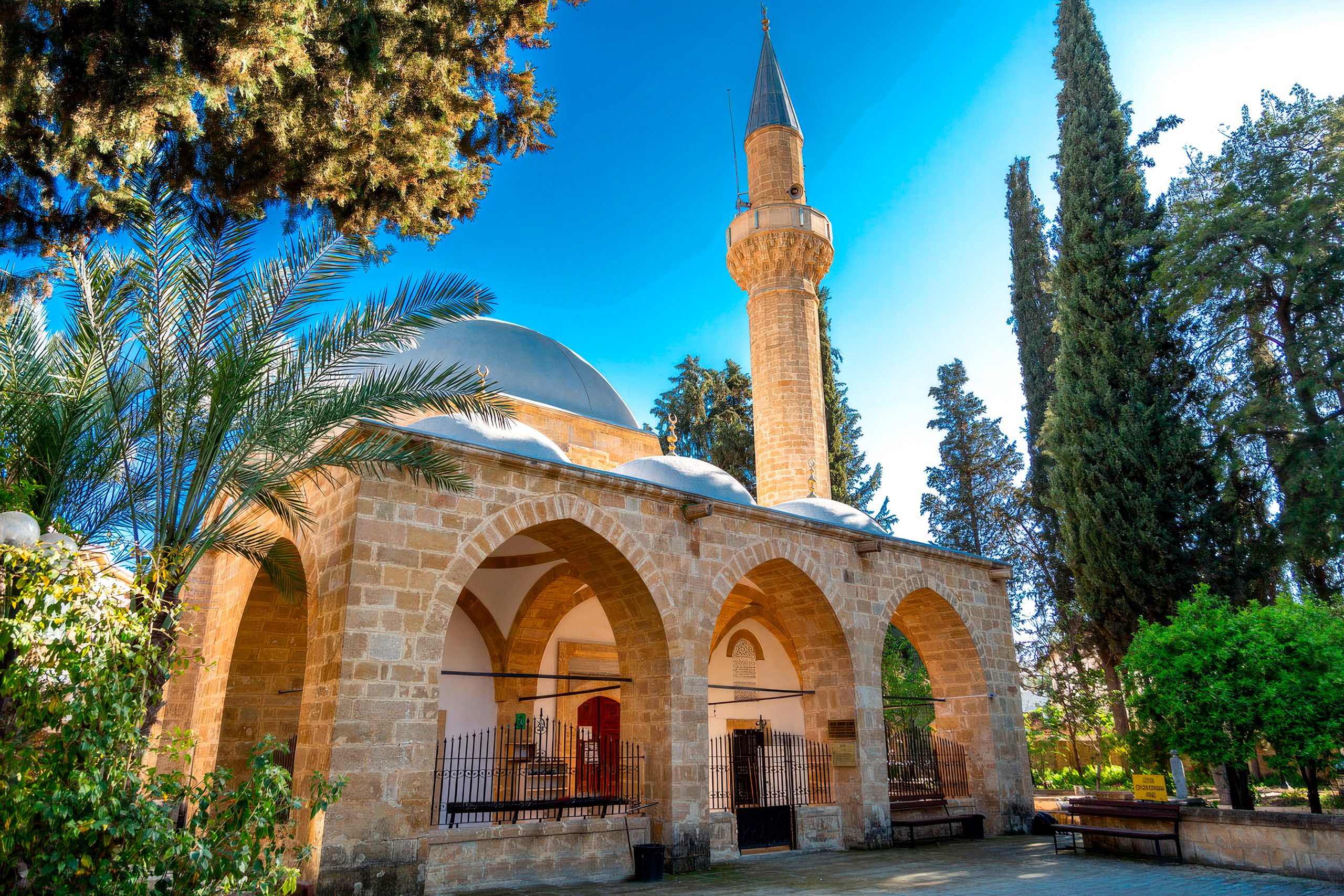
- Arabahmet Mosque (Nicosia) – Experience a neighborhood-focused mosque in a historic Ottoman district. The surrounding streets preserve traditional architecture showing how religion shaped residential patterns. The atmosphere feels lived-in and local rather than monumental.
- Kormakitis Maronite Churches – Visit rural Maronite villages in the Turkish-occupied part of Cyprus to experience Eastern Christian traditions blending Arabic, Greek, and Latin influences. The atmosphere is devotional and village-centered, with churches serving small but devoted communities maintaining centuries-old liturgies.
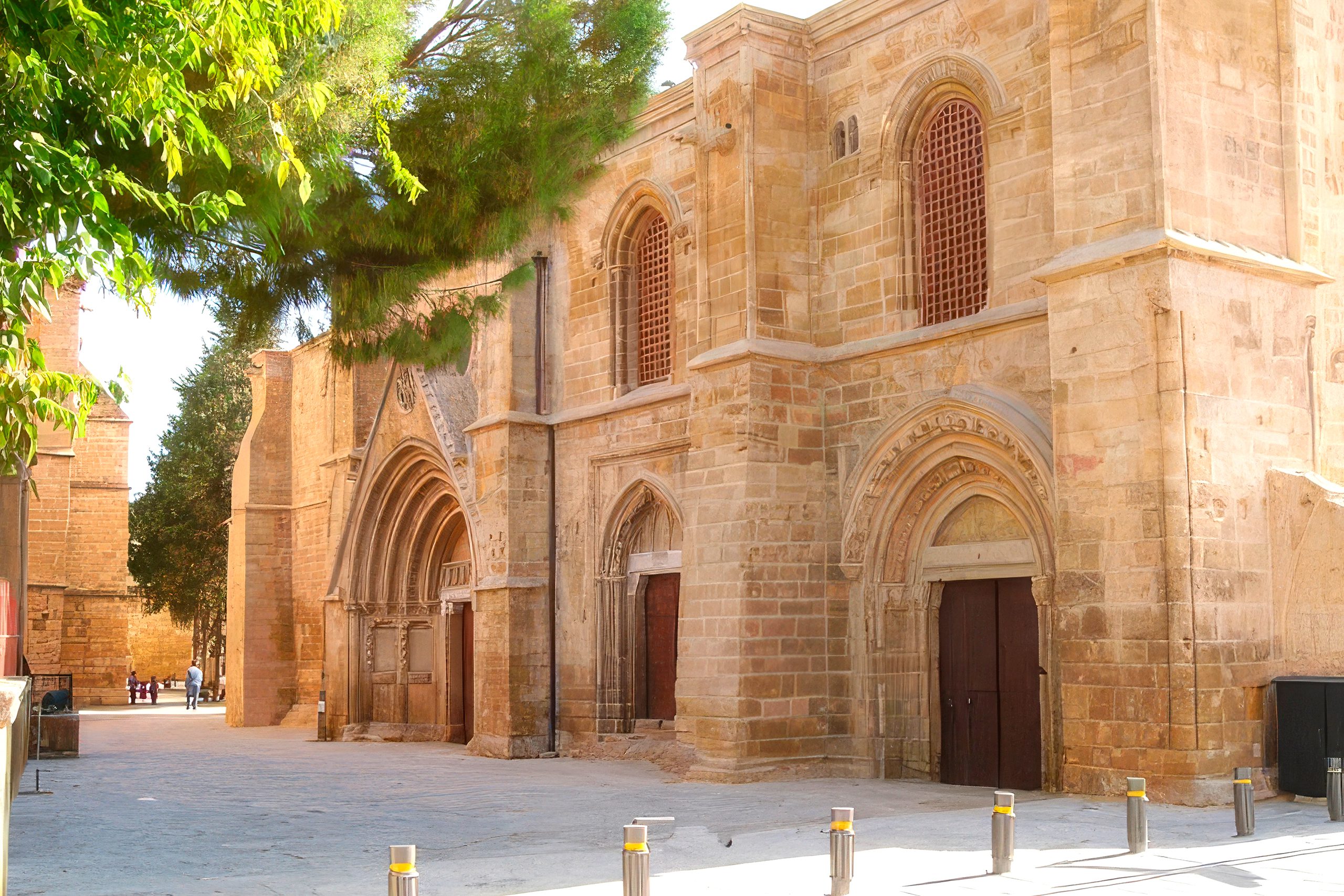
- Armenian Church of Saint Nicholas (Nicosia) – This dignified church serves as the Armenian community’s spiritual center. The interior displays Armenian Christian iconography and commemorates genocide victims. The atmosphere is solemn and memorial, honoring survival and preservation of identity through faith.
- Sufi Tekkes – Several tekkes can be visited, offering calm, meditative atmospheres emphasizing inward spirituality over architectural grandeur. These modest spaces contrast with grand mosques and cathedrals, showing Islamic mysticism’s contemplative dimensions.
- Bellapais Abbey – Though no longer an active monastery, this Gothic masterpiece can be explored as architectural heritage. The setting in mountain foothills provides stunning views alongside medieval European ecclesiastical architecture transported to the Mediterranean.
Why Religious Diversity Matters
Cyprus’s religious history isn’t a single thread but a woven tapestry of belief systems that arrived, adapted, and endured together. Jewish synagogues, Muslim mosques, Armenian and Maronite churches, Sufi lodges, and Latin cathedrals reveal how the island absorbed multiple faiths without losing coherence – each community contributing to a larger cultural ecosystem.
These monuments testify to survival rather than dominance, coexistence rather than exclusion. They show how religion shaped neighborhoods, trade networks, legal systems, artistic production, and personal identity across centuries of political change. To walk among these sacred spaces is to witness a Cyprus built not on one faith but on many – layered in stone, memory, and prayer – still alive in modern worship and still shaping how Cypriots understand their island’s remarkable capacity to hold multiple truths simultaneously.