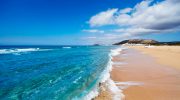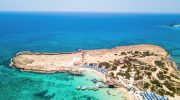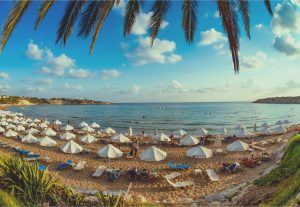
Cyprus earned 66 Blue Flags in 2025, with 64 beaches and 2 marinas recognized for exceptional quality and environmental standards. The Blue Flag certification represents one of the most prestigious international awards for beaches and marinas, granted by the Foundation for Environmental Education.
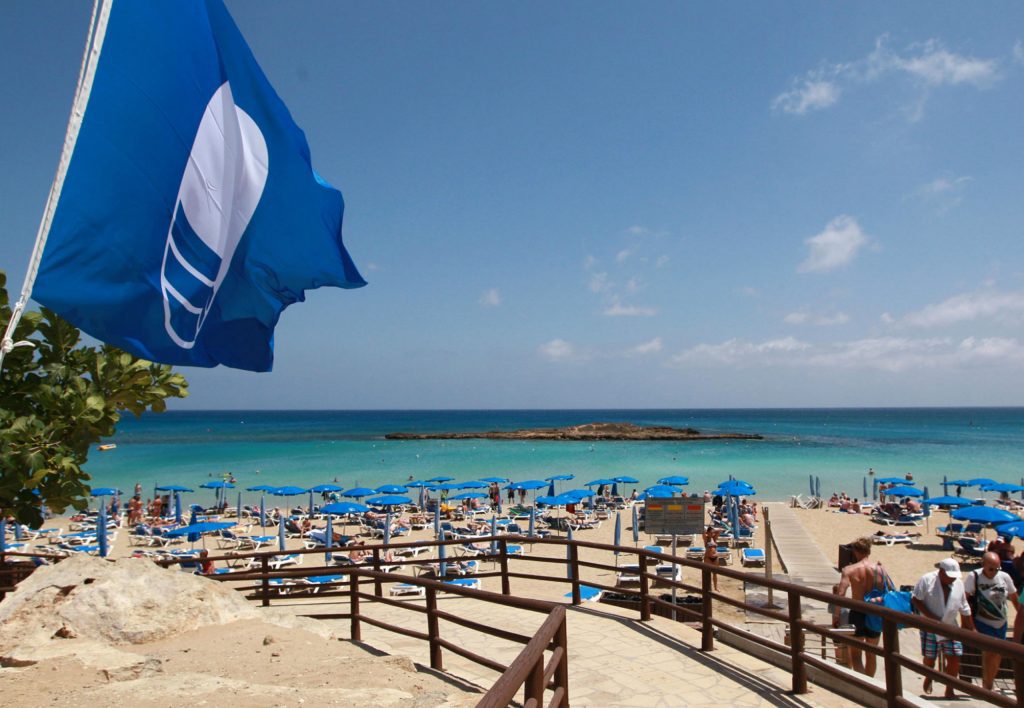
Cyprus consistently ranks as having the cleanest bathing waters in Europe, achieving the highest scores in the Mediterranean year after year. The European Commission’s 2024 report confirmed that Cyprus ranked first in the European Union for bathing water quality in both 2022 and 2023.
This recognition stems from strict compliance with 33 coastal criteria and 38 marina specific standards covering water quality, environmental management, safety, and educational activities. The number of Blue Flags decreased slightly from 78 in 2024, with 16 flags revoked due to non compliance, demonstrating that certification requires continuous effort rather than one time achievement.
What the Blue Flag actually means
A Blue Flag beach must meet at least 30 stringent criteria across four categories: environmental education and information, water quality, environmental management, and safety and services. Water samples must be taken every two weeks rather than the monthly minimum required by European Union directives, with results posted on information boards at each beach to ensure transparency. The beach must contain no industrial or sewage waste influence and maintain low levels of escherichia coli and intestinal enterococci bacteria.
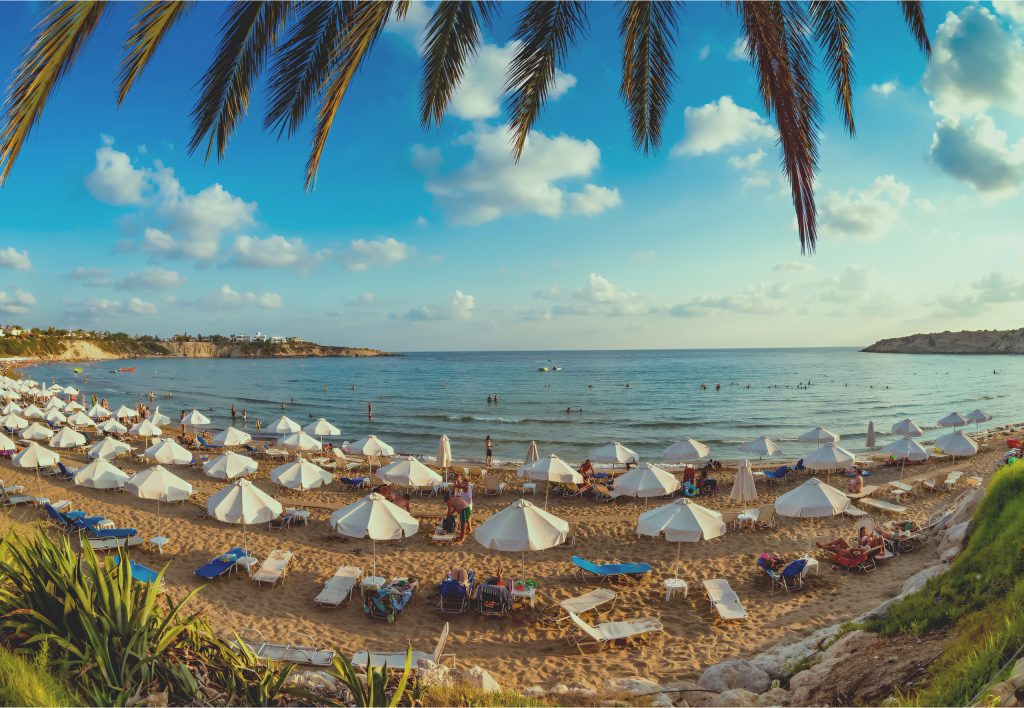
Environmental management criteria include beach cleanliness, proper maintenance of facilities, presence of waste and recycling bins, and protection of local ecosystems. Safety requirements include lifeguards during bathing season, first aid equipment, emergency plans, and accessible facilities for people with disabilities. Education criteria mandate visible information about the Blue Flag program, a minimum of five environmental education events annually, water quality data displays, ecosystem details, facility maps, and posted codes of conduct.
The application and evaluation process
Municipalities or communities that wish to include their beaches in the Blue Flag program must submit applications to CYMEPA, the Cyprus Marine Environment Protection Association which serves as national operator. The National Jury convenes to evaluate applications and recommend to the Foundation for Environmental Education which beaches and marinas qualify.
This jury includes representatives from CYMEPA, the Deputy Ministry of Tourism, State General Laboratory, Public Health Services, Ministry of Education, Union of Cyprus Municipalities, Union of Cyprus Communities, Cyprus Consumers Association, Cyprus Lifesaving Federation, Cyprus Institute of Maritime and Shipping, Deputy Ministry of Shipping, and Ministry of the Interior. CYMEPA conducts at least two inspections per season on all Blue Flag beaches to ensure continuous compliance.
National jury members may conduct additional control visits, and the Foundation for Environmental Education frequently sends external auditors. Water quality sampling is performed by experienced health inspectors, with analyses conducted by the accredited State General Laboratory.
Paralimni Deryneia leads with 18 awards
The municipality of Paralimni Deryneia, which includes the popular Protaras resort area, earned the highest number of Blue Flags in 2025 with 18 total awards. This makes it both a regional record holder and an example of how tourism growth and environmental responsibility can coexist. Ayia Napa came second with 16 Blue Flag beaches. The municipalities of Ammochostos achieved 9 Blue Flags, while Paphos earned 6, Geroskipou received 3, Larnaca got 3, and Akamas obtained 2.
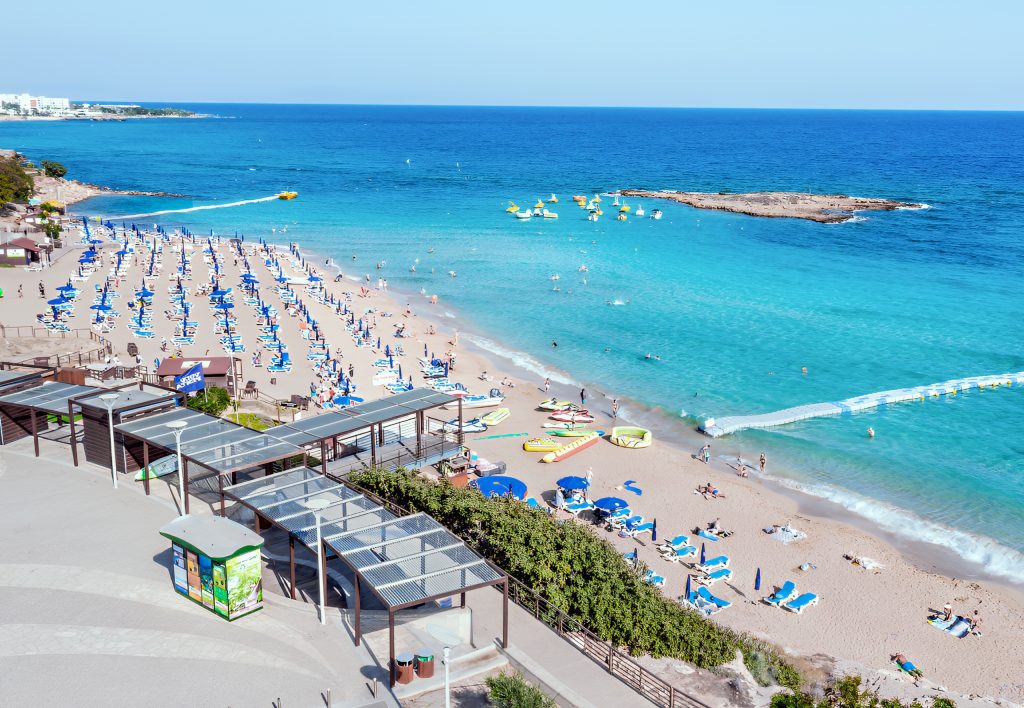
Seven additional beaches belonging to various public councils also received awards, along with the marinas of Limassol and Ayia Napa. Fig Tree Bay in Paralimni received special recognition as host of the 2025 national award ceremony. This beach was the first in Cyprus to receive the Blue Flag back in 1996, establishing a nearly 30 year tradition of environmental excellence. The geographic distribution of Blue Flag beaches across Cyprus ensures that all regions maintain high standards.
Flags can be lowered at any time
The Blue Flag is awarded for one season only and can be withdrawn at any time if criteria are not met. After storms, beach workers must clean up all debris before raising the flag each morning. If water quality tests reveal contamination, the flag must be lowered immediately until the problem is resolved. In 2024, 16 Blue Flags were revoked during the season due to non compliance with various criteria.
The Secretary General of CYMEPA emphasized that flags can be suspended following evaluation visits if standards slip. This strict enforcement ensures that Blue Flag certification remains meaningful rather than becoming an automatic or permanent designation. Local authorities and marina managers bear full responsibility for implementing criteria, requiring constant vigilance and resource allocation. The threat of flag removal creates incentive for municipalities to maintain high standards throughout the entire tourist season rather than just during the initial evaluation.
Economic impact drives government commitment
The government recognizes that beach quality directly affects tourism competitiveness, as travelers increasingly seek destinations that combine sun and sea with environmental responsibility. International Blue Flag recognition attracts visitors looking for quality and safety beyond just pleasant weather. Spain leads global rankings with 749 Blue Flag sites, followed by Greece with 657 and Turkey with 625, placing Cyprus in strong company among Mediterranean competitors.
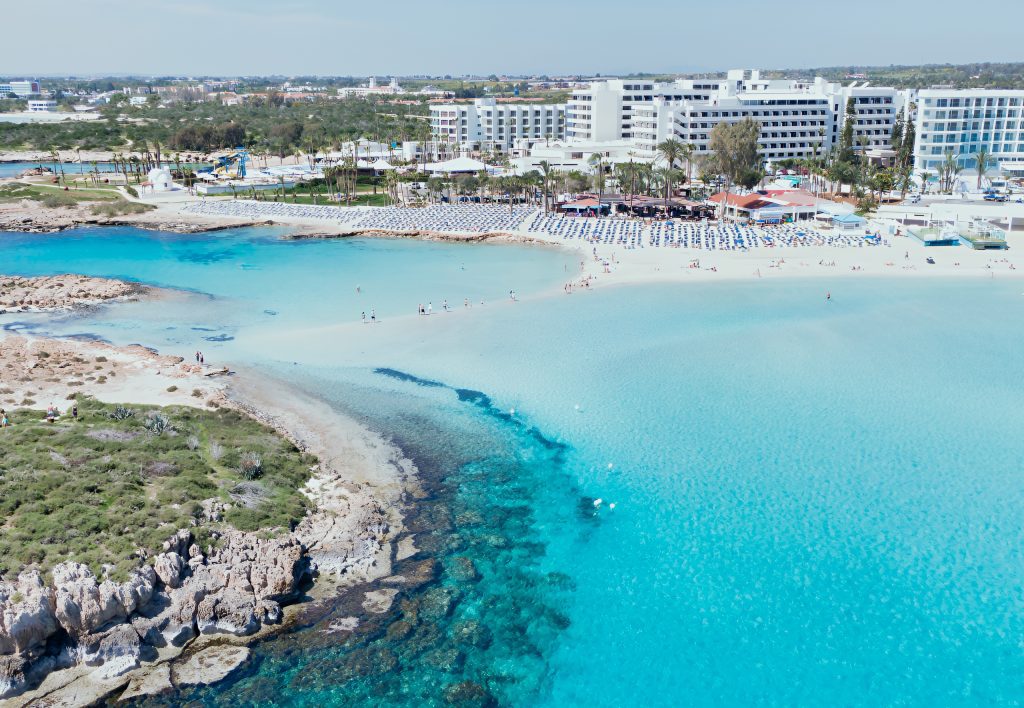
Protecting Cyprus’s Coast for Future Generations
Blue Flag certification protects Cyprus’s most valuable natural asset, the coastline, from degradation that could permanently damage tourism appeal. The program creates measurable standards that prevent a race to the bottom where beaches compete by lowering environmental protections. The educational requirements ensure that both locals and visitors understand their role in preserving coastal ecosystems for future generations.
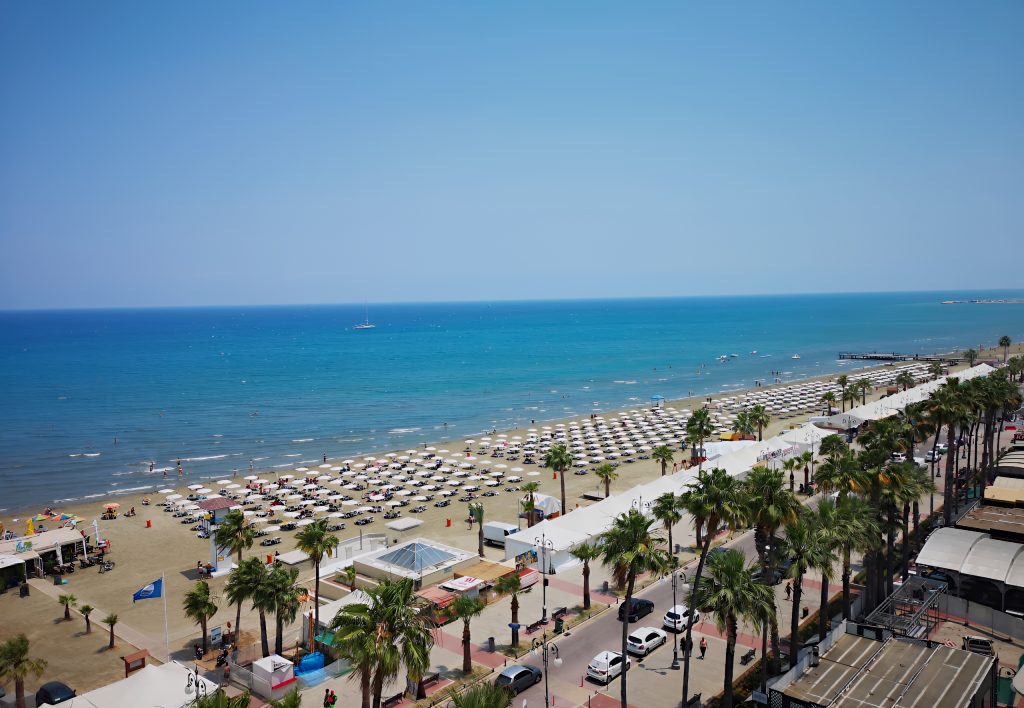
The water quality testing protects public health by identifying contamination before swimmers are exposed to harmful bacteria. For small island economies dependent on tourism, Blue Flag status provides competitive advantage in saturated Mediterranean markets. The program demonstrates that economic development and environmental protection are compatible when proper systems exist.
Cyprus joining the Blue Flag program in 1994, well before European Union accession, shows long term commitment to coastal conservation. The consistent high rankings prove that small nations can achieve world class environmental standards when political will and resources align with public interest in protecting shared natural heritage.