The Fikardou Rural Museum consists of two restored stone houses in the village of Fikardou, located 40 kilometers southwest of Nicosia in the Troodos Mountains. The museum preserves traditional Cypriot rural life through authentic buildings and exhibits from the 16th to 19th centuries.
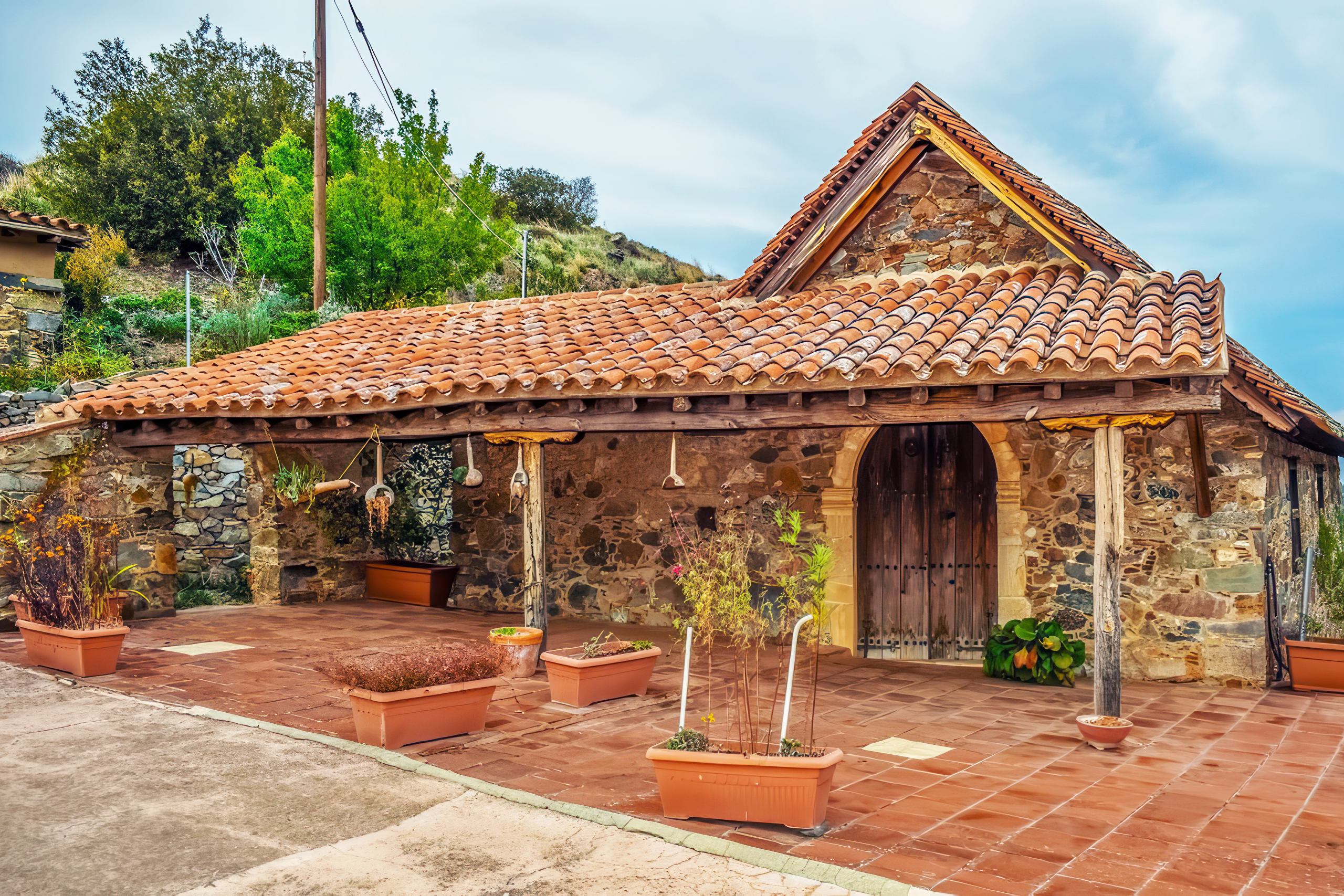
The entire village functions as a living museum, with narrow cobblestone streets and traditional stone houses that transport visitors to another era. The settlement was nearly abandoned during the 20th century when residents moved to urban areas for work and modern amenities. By the 1970s, only a handful of elderly people remained.
Historical Background
The village name likely derives from the Greek phrase “figa andron,” which means “den of fugitives.” According to tradition, two dominant clans controlled the region between 400 AD and 800 AD, and fugitives sought refuge in these remote mountains. The earliest written reference to Fikardou dates to 1825 during the Ottoman period.
Historical connections exist to medieval Cyprus through the Ficardo family. The most notable member was Sir Thomas Ficardo, who served as Chancellor to King James II and Queen Catherine Cornaro in the 15th century. The village belonged to Machairas Monastery during the Byzantine Komnenos dynasty. Inhabitants focused on olive harvesting, grape cultivation, and subsistence farming.
The village maintained traditional agricultural practices for centuries. The remote mountain location provided some security but also created hardships. Residents had to be self-sufficient, producing their own food, wine, textiles, and tools. This isolation preserved traditional building methods and rural customs long after they disappeared from more accessible areas.
The House of Katsinioros Museum
The House of Katsinioros is a two-story stone manor house with a steep-pitched wooden roof. The building features many architectural elements from the 16th century, making it one of the oldest structures in the village. The house was named after its last owner, a family that occupied it for generations before abandoning it during the rural exodus of the mid-20th century.
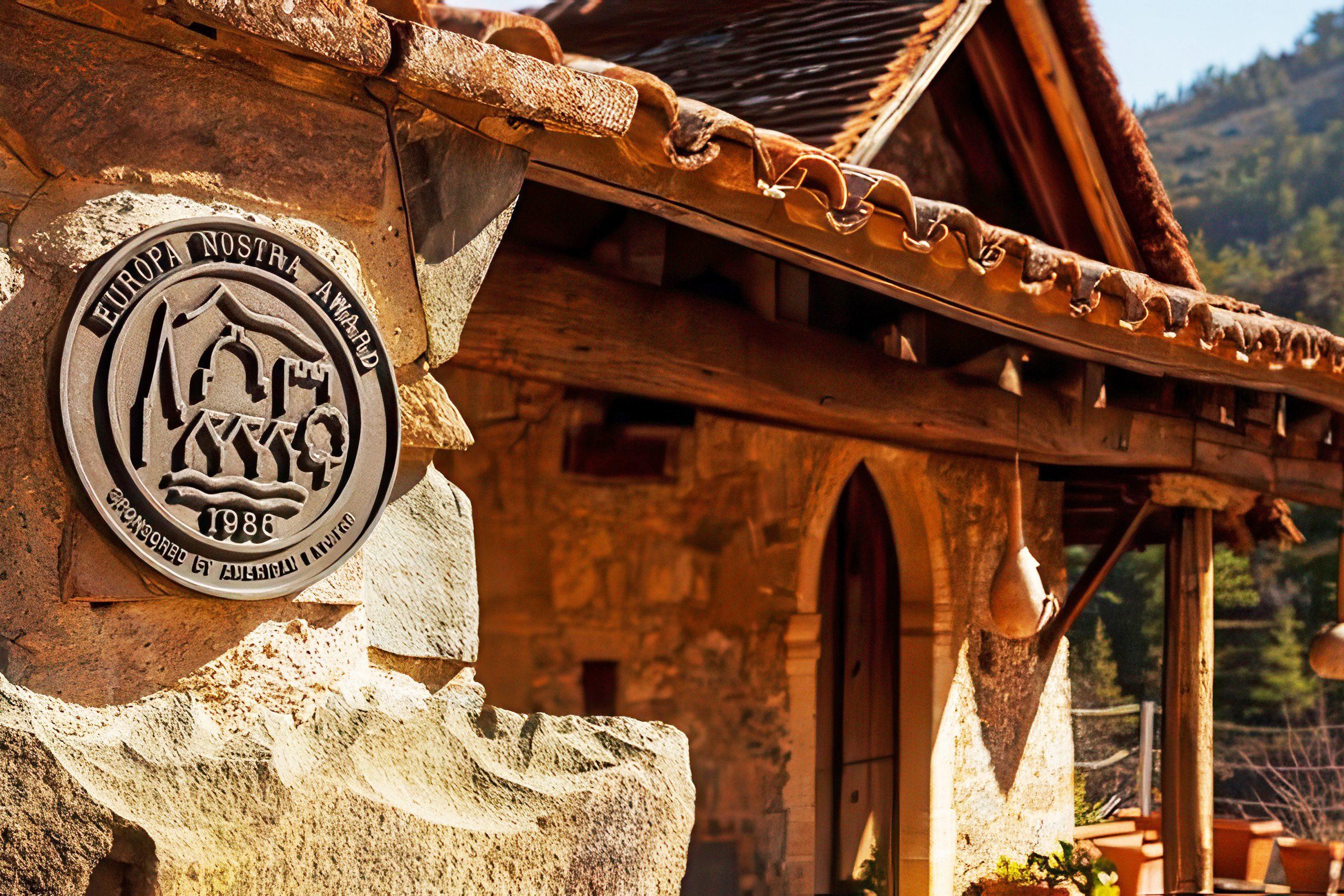
The upper floor served as the main living area for the family. Rooms have been furnished according to historical examples to reflect everyday life in a rural Cypriot house. Visitors see traditional furniture, textiles, cooking utensils, storage chests, and household items that families used daily. The arrangement shows how families organized their limited space efficiently.
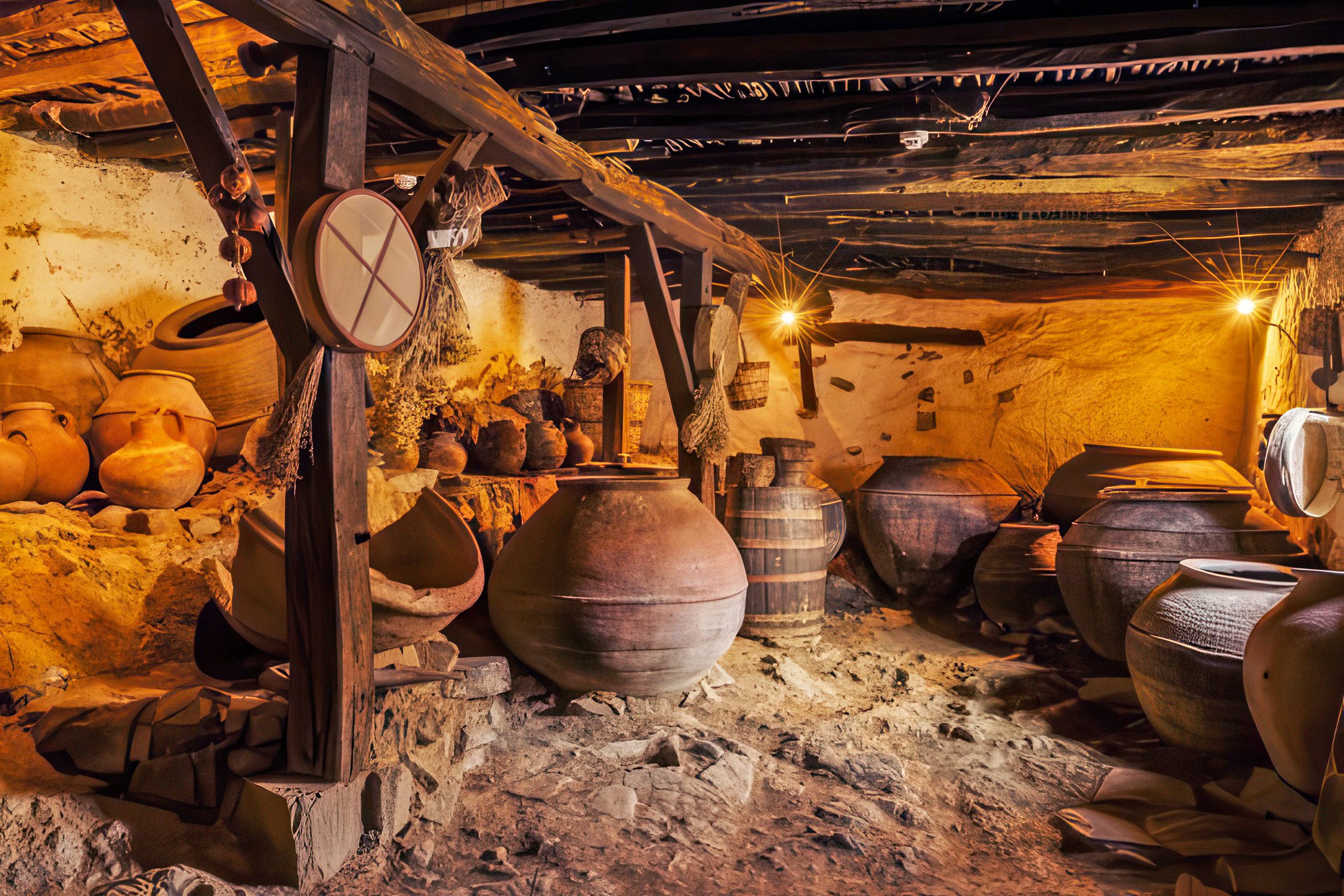
The ground floor functioned as a work area and storage space. A grape press stands ready to process harvests, surrounded by large ceramic storage jars called pitharia. Agricultural tools and utensils demonstrate the variety of work required to maintain a rural household. One particularly notable jar contains an inscription stating that a large fire broke out at Machairas Monastery in 1892, and nothing was saved. This jar apparently came from the monastery after the disaster.
The house includes a traditional wine cellar beneath the floor where families stored wine in large clay vessels. The cool underground temperature helped preserve the wine through Cyprus’s hot summers. Wooden shelving held smaller containers and supplies. The cellar demonstrates the importance of wine production in the rural Cypriot economy and culture.
Traditional Architecture and Construction Methods
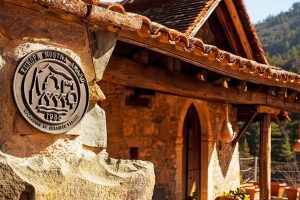
Fikardou’s buildings demonstrate traditional Cypriot mountain architecture adapted to local materials and climate. Houses are constructed from local stone quarried from the mountainside. The stone is cut into rough blocks and laid with mud mortar. Walls are thick to provide insulation against summer heat and winter cold.
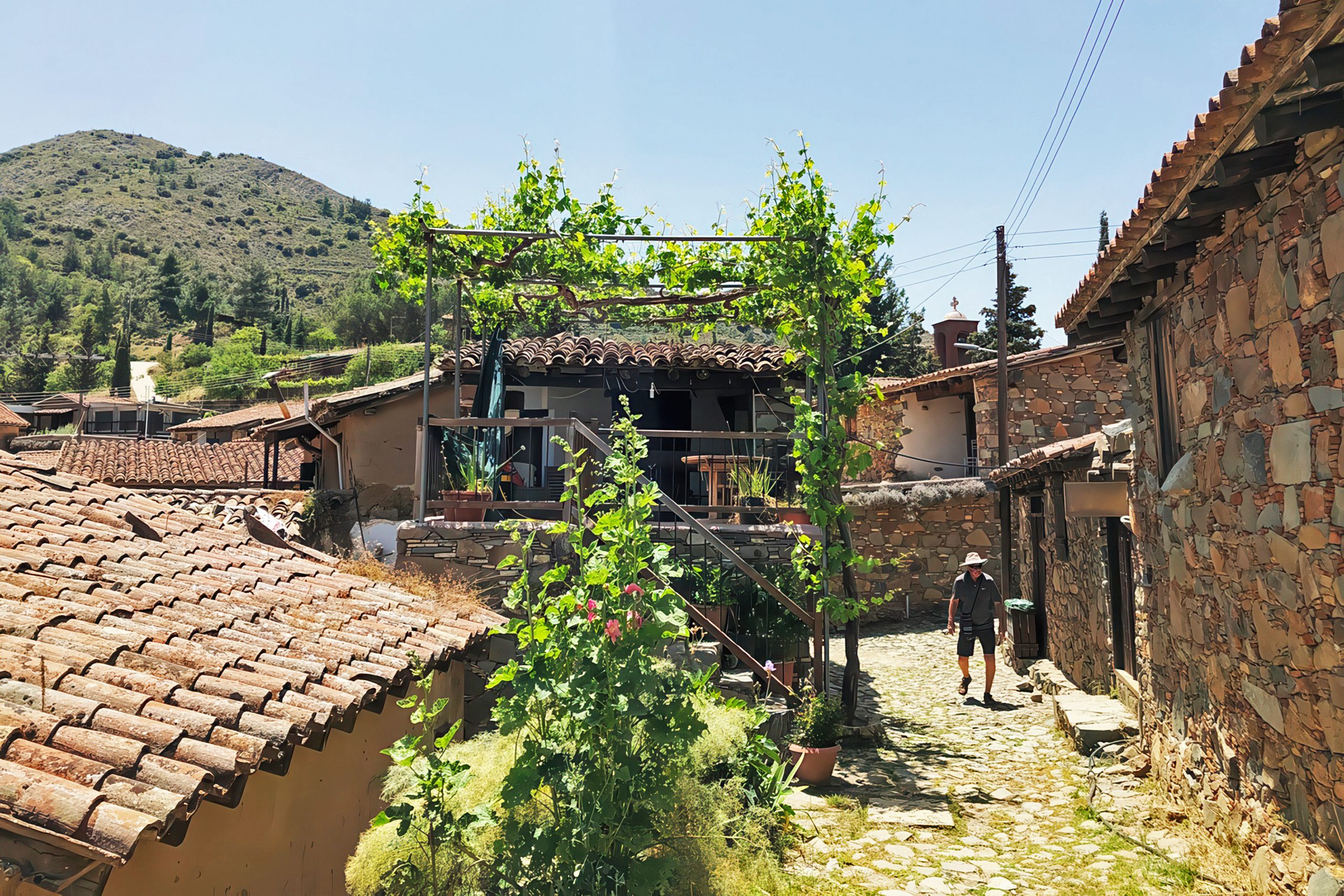
The characteristic steep-pitched roofs handle heavy winter rains and occasional snow. The pitch allows water to run off quickly before it can penetrate into the building. Roofing consists of wooden beams supporting clay tiles called “hooked tiles” because of their curved shape. The tiles overlap in rows, with each layer secured to prevent wind damage.
External access to upper floors adapts to the hilly terrain. Many houses have entrances at different levels because they are built on slopes. The main living quarters on the upper floor often have direct access from uphill, while the ground floor opens onto the lower side of the lot. This design reduces the need for interior staircases and makes both floors easily accessible.
Windows are small to minimize heat loss in winter, with wooden shutters providing additional insulation and security. The interiors feature exposed wooden ceiling beams that support the floor above. Walls are plastered with lime plaster and often whitewashed to brighten the interior and reflect light from the small windows.
Balconies extend from upper floors, providing outdoor living space where families could work or relax while enjoying cooler mountain breezes. The wooden balcony railings often feature decorative carving that shows individual craftsmanship. Each house has distinctive details that reflect the owner’s preferences and the builder’s skills.
Rural Life and Traditional Crafts
The museum exhibits recreate the rhythm of rural life before mechanization and modern conveniences. Agricultural work dominated daily activities, with families cultivating small terraced fields on the mountainsides. Main crops included grapes for wine, olives for oil, wheat and barley for bread, and vegetables for household consumption.
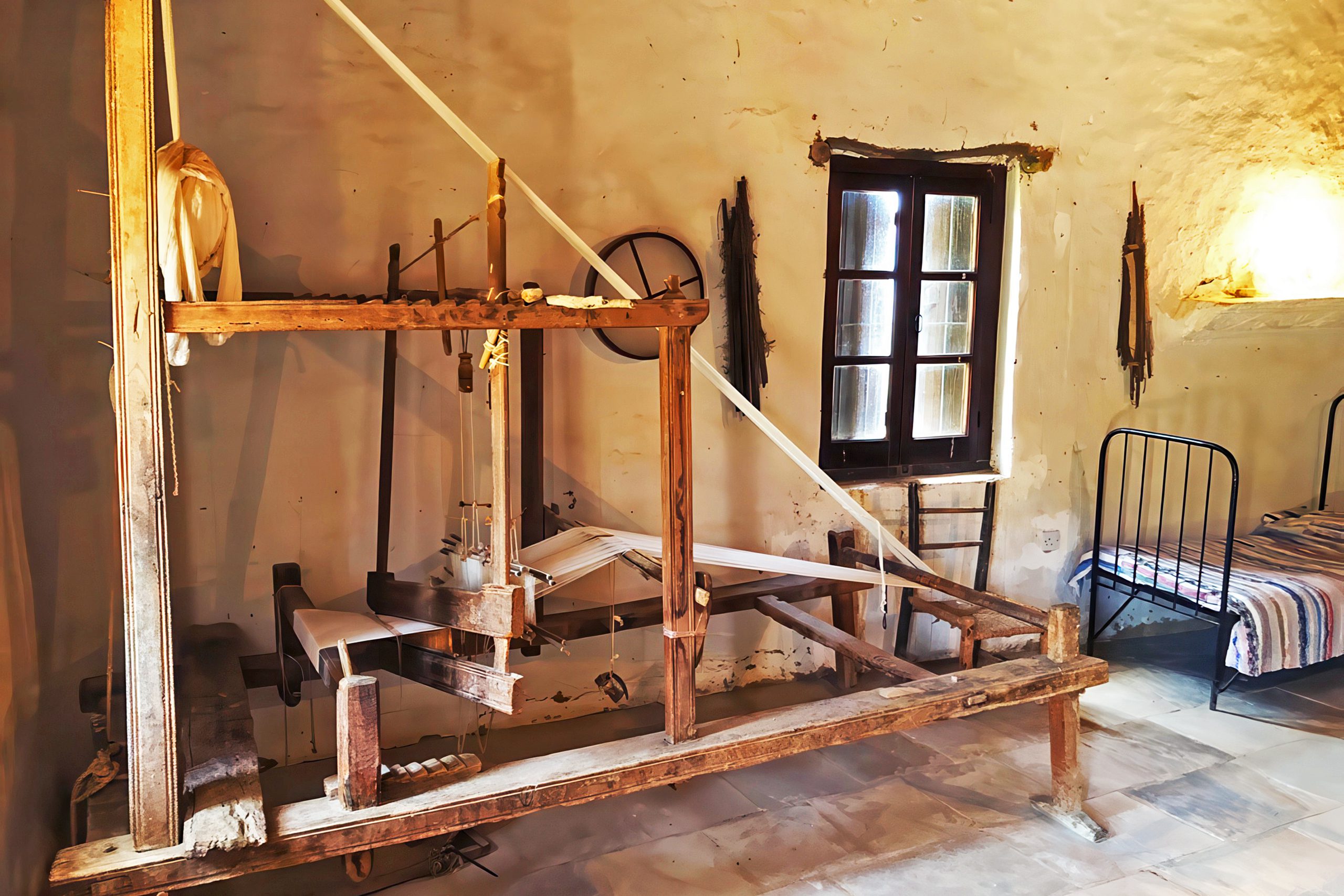
Seasonal activities shaped the year. Spring meant planting and tending young crops. Summer required constant work in the fields during the long hot days. Autumn brought the grape harvest, the most important event of the agricultural year. Families worked together to pick grapes, transport them to the press, and process them into wine. Winter was quieter, with time for indoor work like weaving, tool repair, and food preparation.
Visiting Fikardou Rural Museum
The museum is located about 40 kilometers southwest of Nicosia via the E903 and E904 roads. The drive takes approximately 45 minutes through changing landscapes. The final approach follows a narrow winding road that climbs into the mountains. Parking is available near the village center.
Public transportation is limited. Buses run from Nicosia to the nearby village of Klirou, from where taxis can complete the journey to Fikardou. The bus journey takes about one hour, and the taxi ride adds another 15 minutes. Advance arrangements with a taxi driver are recommended.
The museum typically opens Tuesday through Friday from 9:00 AM to 4:00 PM, and Saturday from 9:00 AM to 5:00 PM. Sunday hours are 10:00 AM to 5:00 PM. The museum is closed on Mondays and public holidays. Entrance fees are modest, approximately 2.50 euros for adults.
Cultural Significance and Modern Relevance
Fikardou Rural Museum preserves knowledge about traditional rural life that would otherwise be lost. The physical buildings, tools, and furnishings serve as three-dimensional documents of how Cypriots lived before industrialization and urbanization transformed society. This heritage helps modern Cypriots understand their roots and maintain cultural continuity.
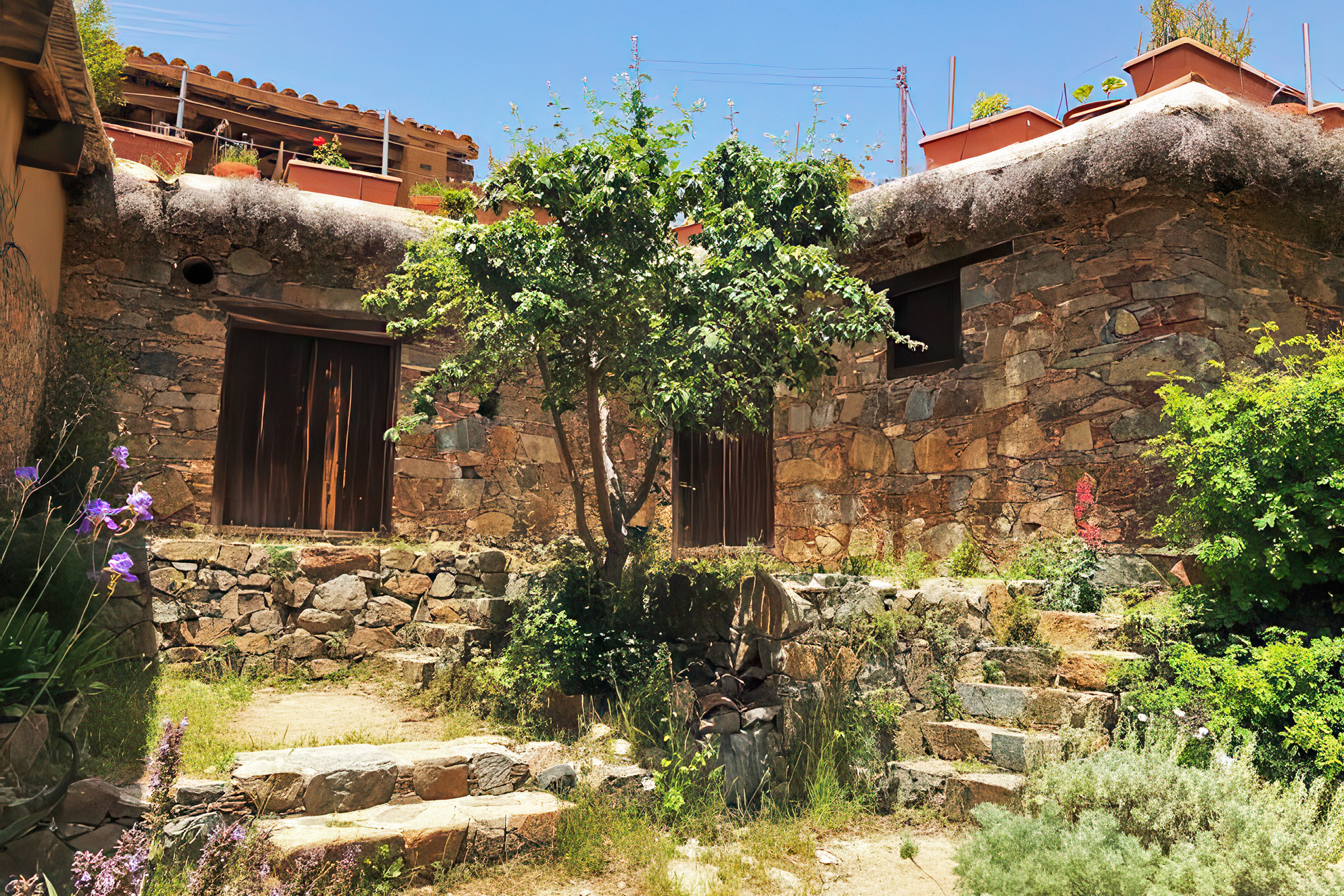
The museum also demonstrates the value of rural heritage to international visitors. Traditional mountain villages exist throughout the Mediterranean, but few have been preserved as completely as Fikardou. The site shows that rural culture deserves the same careful study and protection as urban monuments and archaeological sites.
For younger generations, the museum provides a tangible connection to their grandparents’ and great-grandparents’ lives. The buildings and exhibits make abstract historical concepts concrete and relatable. School groups visit to learn about traditional crafts, agricultural practices, and daily life before modern conveniences.
The successful restoration and ongoing management of Fikardou demonstrate that heritage conservation can revitalize rural areas. The museum attracts visitors who spend money in the local economy. Restored houses provide income for owners who rent them as holiday accommodations. Traditional crafts have been revived to supply tourist demand for authentic products.
The Village Today
Fikardou faces the challenge of balancing tourism with preservation. Increased visitation brings economic benefits but also risks damaging the fragile historic structures and disrupting the quiet atmosphere that makes the village special.
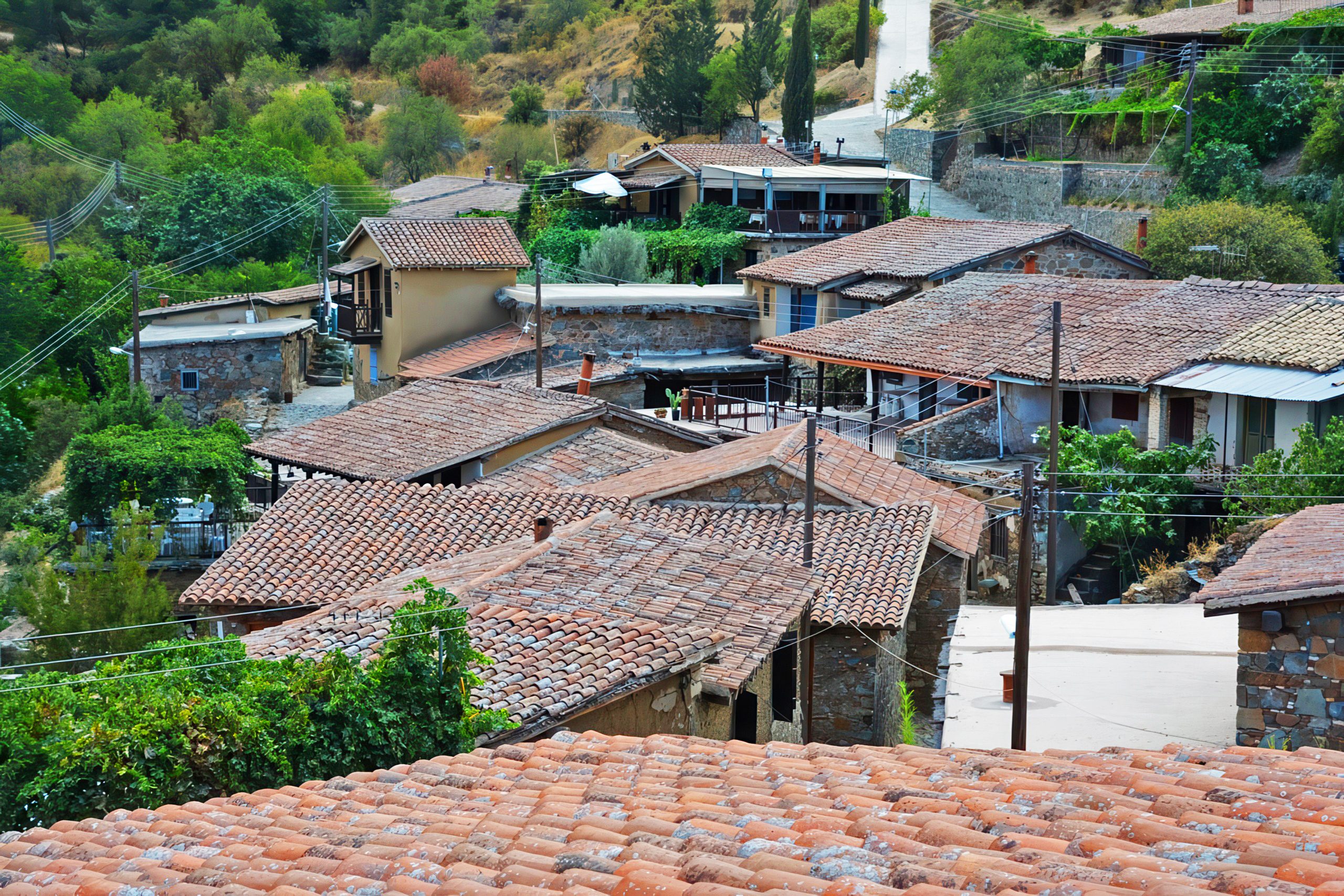
The small permanent population means that Fikardou cannot maintain itself through a traditional village economy. Tourism and heritage management provide the economic foundation that allows preservation. This creates dependency on visitor numbers and government support, both of which can fluctuate.
Climate change poses long-term threats to the physical structures. More intense rainfall events can damage traditional roofs and walls. Longer, hotter summers stress wooden elements. Managing these environmental threats while maintaining authentic materials and techniques requires ongoing attention and resources.
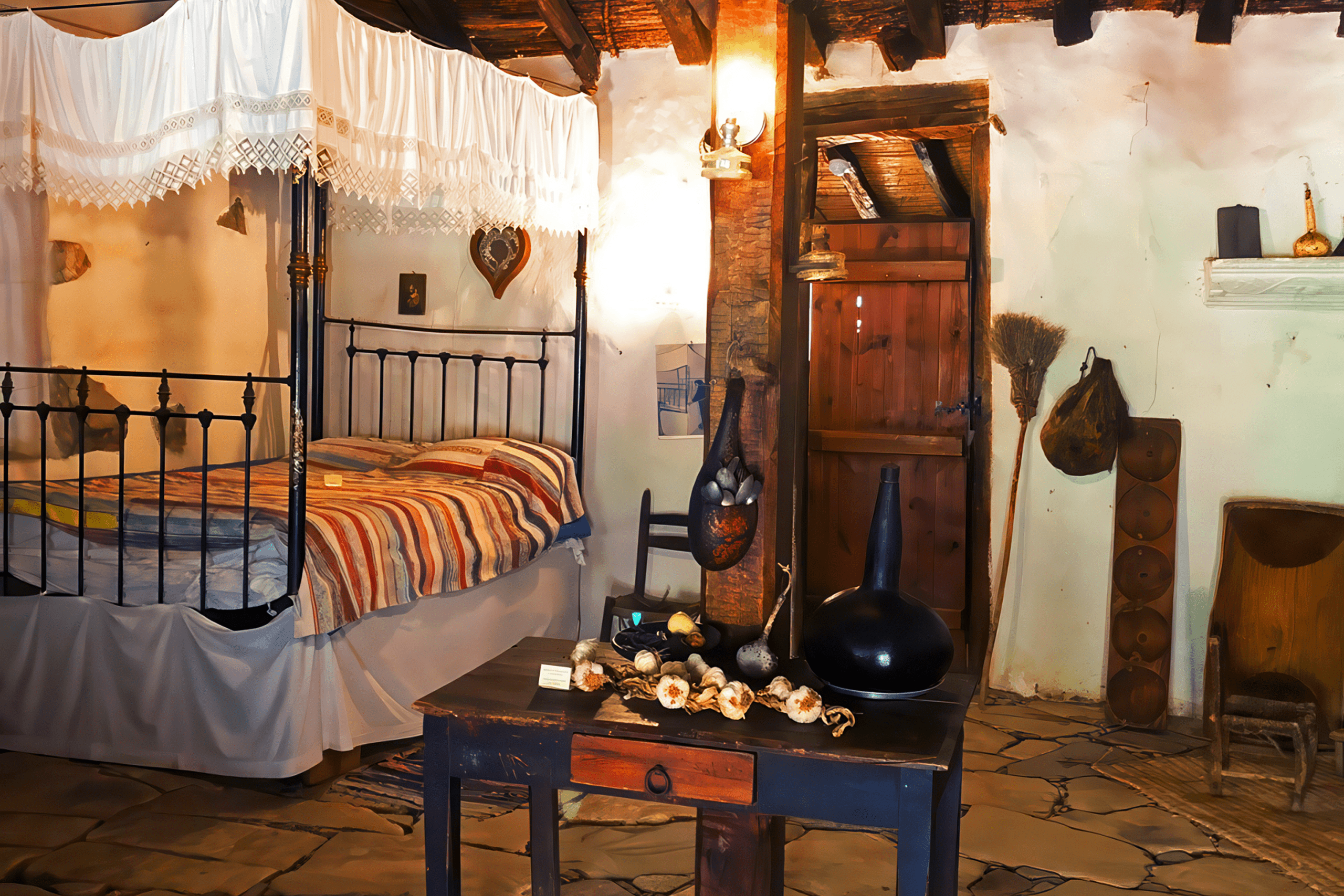
Despite these challenges, Fikardou’s future appears secure. The combination of Ancient Monument status, Europa Nostra recognition, UNESCO Tentative List inclusion, and strong public support creates multiple layers of protection. The village has become a symbol of Cyprus’s commitment to preserving rural heritage, ensuring that resources and attention continue to flow toward its conservation.