Education in Cyprus is overseen by the Ministry of Education, Sports and Youth. The education system is divided into pre-primary education for ages 3 to 6, primary education for ages 6 to 12, secondary education for ages 12 to 18, and higher education for ages 18 and above. Full-time education is compulsory for all children aged between 5 and 15.
State-provided schooling including higher education is paid for by taxes, making public education free at all levels for eligible students. The Cypriot education system follows the Bologna framework, meaning degrees from Cyprus are recognized across Europe and globally, offering students internationally accepted qualifications.
The Three Levels of Schooling
Pre-primary education begins at age 3 and continues until age 6, though it is not mandatory. Public kindergartens operate under the Ministry of Education and follow a structured curriculum preparing children for primary school. Private kindergartens also exist, often offering bilingual or English-language programs.

Primary education lasts six years from ages 6 to 12. The curriculum includes Greek language, mathematics, natural sciences, history, geography, religious education, physical education, music, and art. English language instruction typically begins in the third grade. Primary schools operate as single-shift schools, with classes from morning through early afternoon.
Secondary education divides into two cycles. Lower secondary education, called Gymnasio, covers three years from ages 12 to 15. This level completes compulsory education and awards students the Gymnasio Certificate upon completion. Upper secondary education, called Lykeio, lasts three additional years from ages 15 to 18.
Secondary education takes three forms, though all successful students qualify to enter university. At Lykeion schools, the curriculum remains academic with students choosing between humanities and science streams. Technical schools emphasize scientific subjects and practical applications. Vocational schools focus on workshop practices and industrial training, preparing students for immediate entry into skilled trades.
Public Universities and Research Institutions
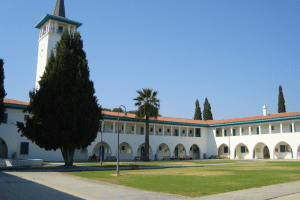
There are three main public state universities in Cyprus. The University of Cyprus, established in 1989, stands as the oldest and most prestigious. Located primarily in Nicosia, the university enrolls approximately 6,000 students and teaches mainly in Greek. It is a top public research university, selective in admissions and offers low-cost education for EU students. The university has gained international recognition for research output, particularly in engineering, humanities, and sciences.
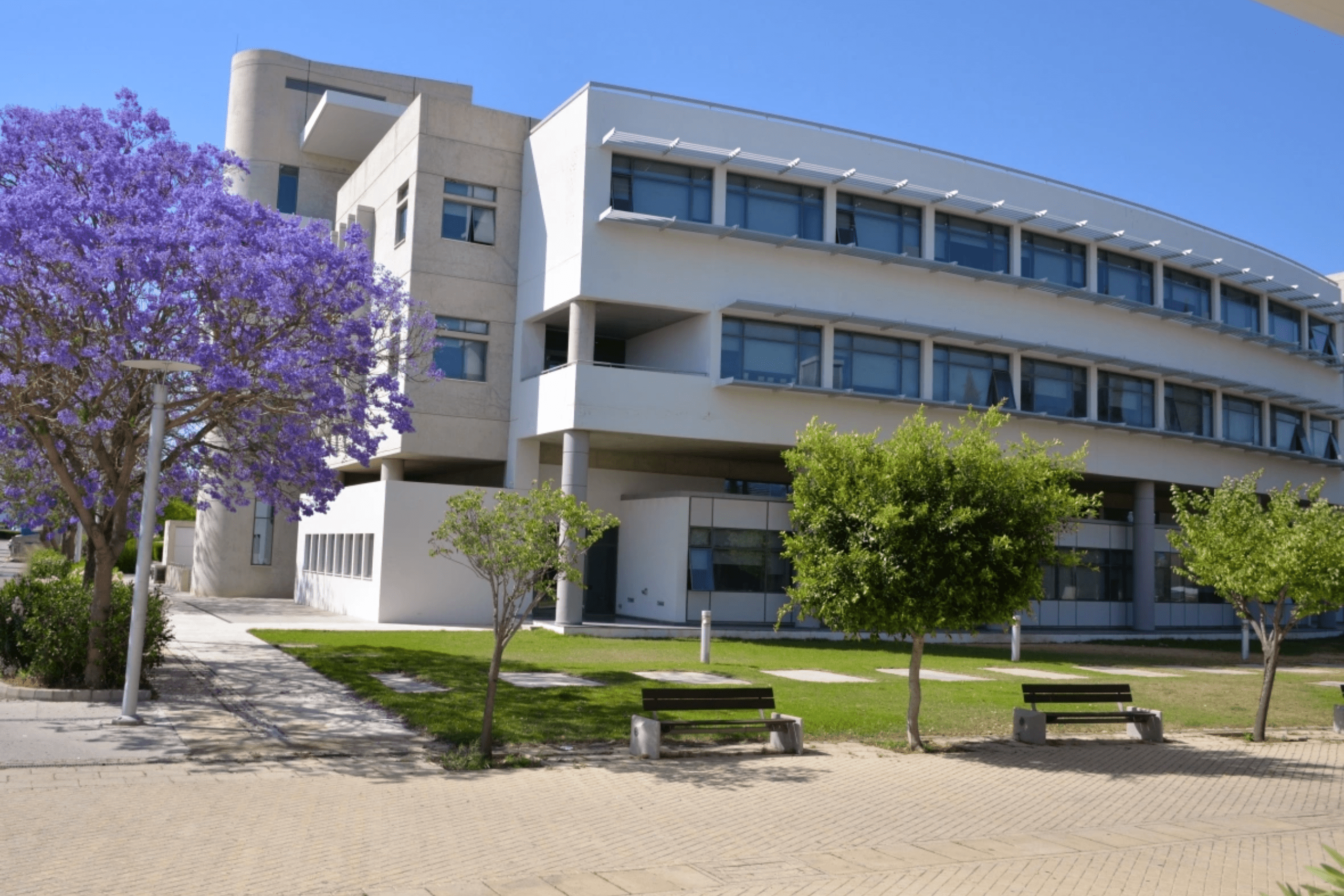
The Cyprus University of Technology, founded in 2004 in Limassol, focuses on applied sciences and technology. It is highly ranked globally, especially for engineering, technology, and applied sciences. The university emphasizes research-driven education with modern, practical focus. Programs include engineering, health sciences, management, communication, and applied arts.
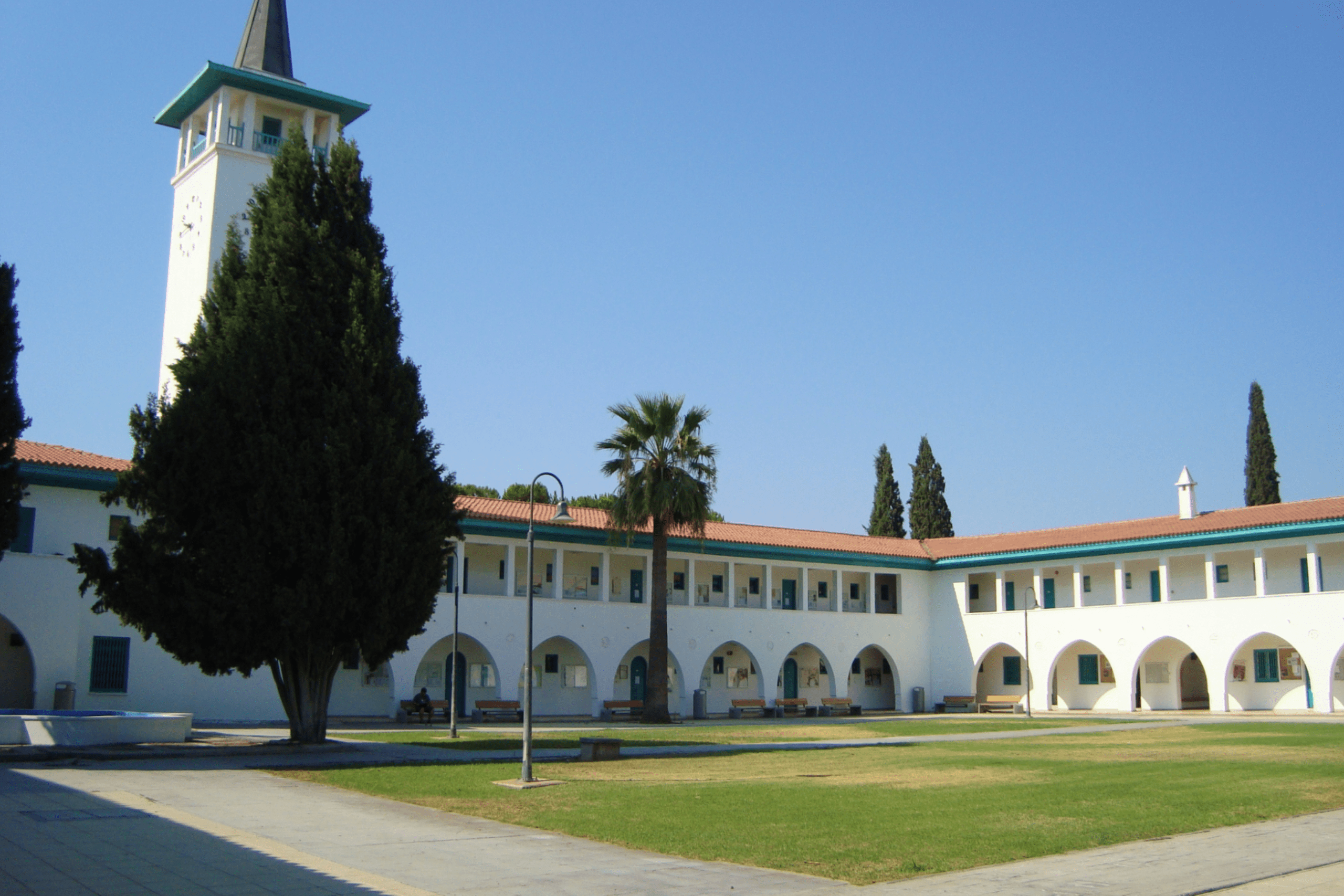
The Open University of Cyprus, established in 2002, aims to fill an important gap in the Cypriot higher education system by offering accredited distance learning degrees at all levels including undergraduate, master, and doctoral programs. Building on its origins as the country’s only university dedicated to distance education, the institution is growing quickly in academic stature and overall reputation.
Private Universities and International Options
Private universities in Cyprus have a more open admissions policy compared to public institutions. As long as applicants meet the minimum academic and English proficiency requirements, they are typically accepted. Some universities even have rolling admissions and issue conditional offers.
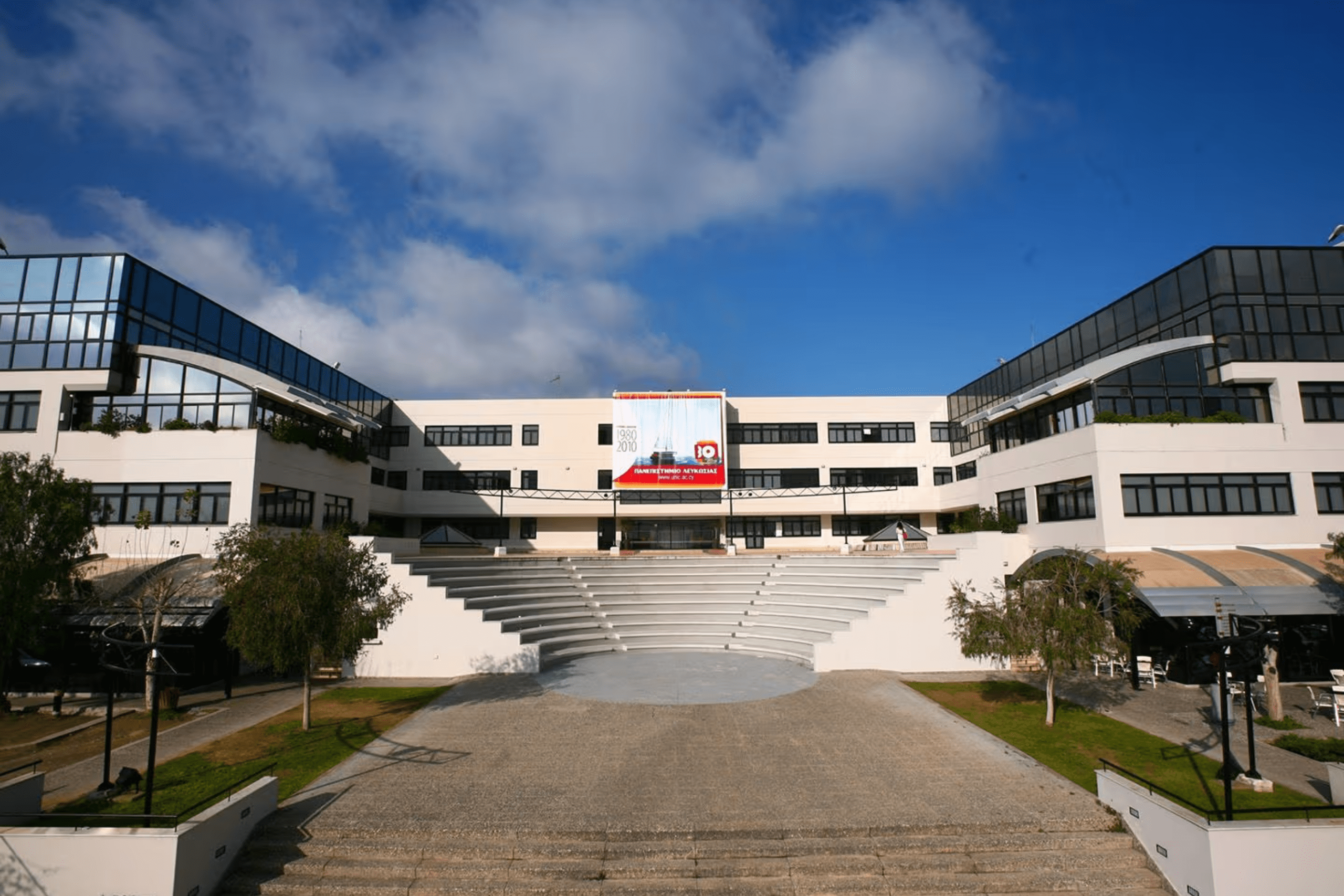
The University of Nicosia ranks as the largest private university in Cyprus. It is popular among international students and offers programs in medicine, business, information technology, and more. The university is well-ranked and internationally recognized, with modern facilities and strong faculty. Many programs are taught entirely in English, attracting students from across Europe, Asia, Africa, and the Middle East.
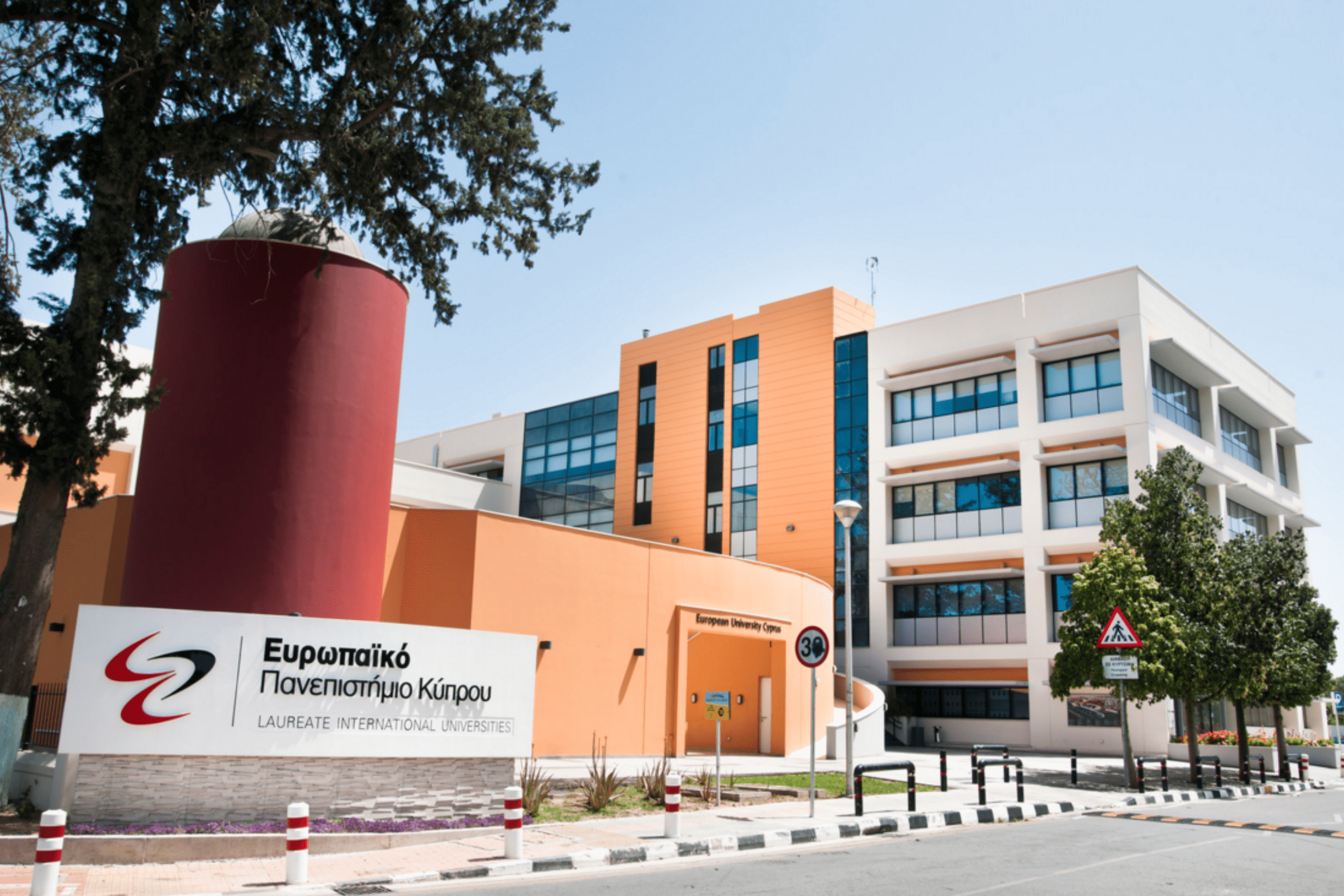
European University Cyprus teaches students according to European and American educational standards. It is famous for business, law, dentistry, and health sciences. The university offers both Greek and English-taught programs across multiple campuses.
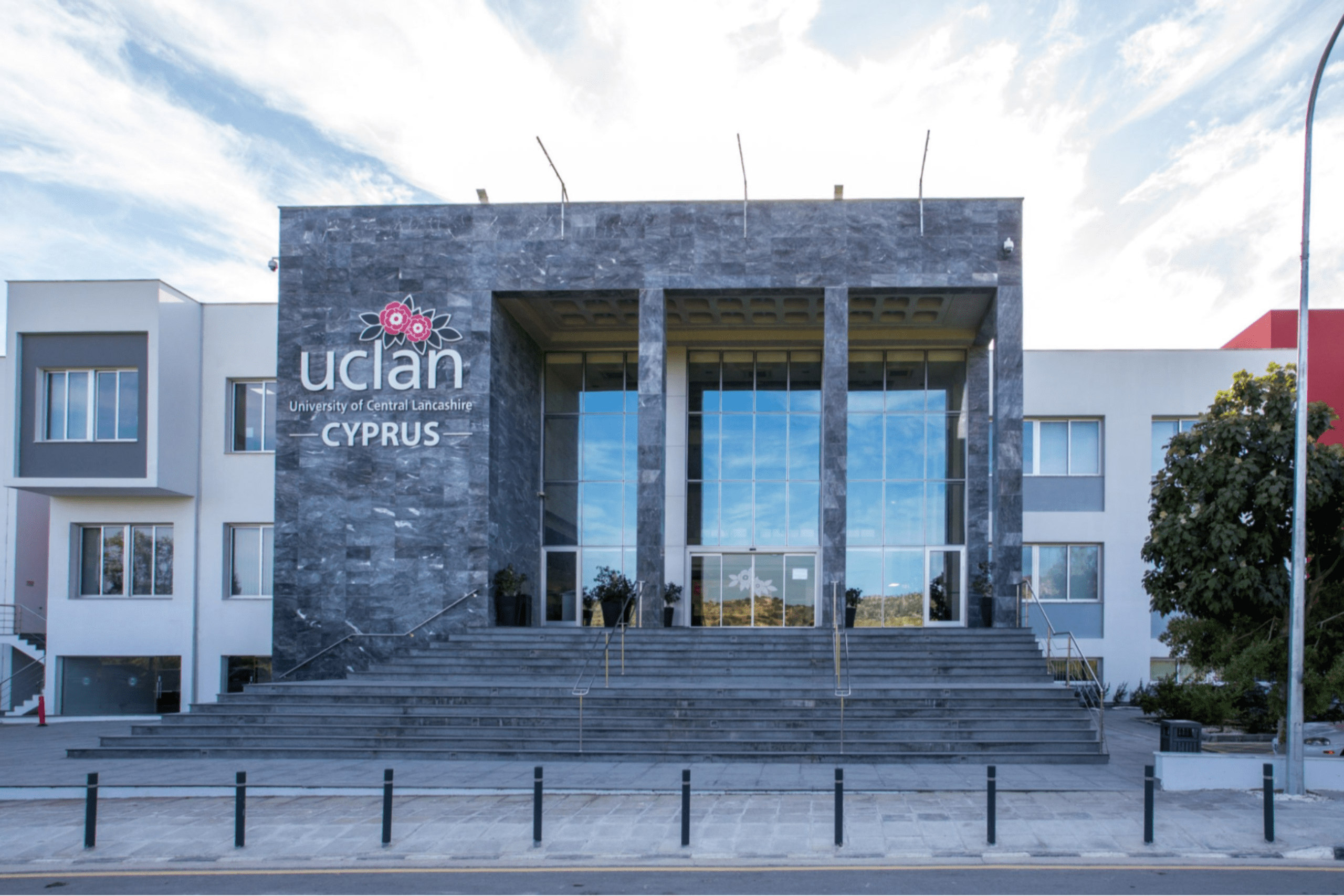
The University of Central Lancashire Cyprus, established as a branch campus, is the oldest British university in Cyprus and regularly ranks among the world’s top educational ratings. Double accreditation, both British and Cypriot, allows university graduates to receive two diplomas. Classes are held in English, which is also the language of everyday communication among students from different countries.
Tuition Fees and Living Costs
Public universities in Cyprus prioritize EU citizens and local students. Admission is merit-based, especially at the undergraduate level. For postgraduate and PhD levels, international applicants are considered more frequently if they meet academic and research standards. EU students at public universities benefit from very low or no tuition fees, while non-EU international students pay moderate fees compared to other European destinations.
Private universities charge tuition fees that vary by institution and program. Bachelor’s degree programs typically cost between 3,500 and 8,500 euros per year. Graduate programs range from 4,200 to higher depending on the field of study. Medicine and dentistry programs command higher fees, while humanities and social sciences remain at the lower end.
Living costs in Cyprus are moderate compared to many European countries. Students can expect to spend approximately 600 to 800 euros monthly on accommodation, food, transportation, and personal expenses. University residences and shared apartments near campuses offer affordable housing options. Many universities also provide on-campus accommodation specifically for international students.