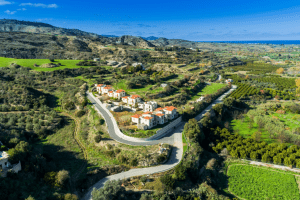
Cyprus’s rural economy developed around livestock farming for thousands of years before modern tourism. Goats, sheep, and donkeys formed the backbone of village life, providing milk, meat, wool, transportation, and labor. These animals adapted perfectly to the island’s hot, dry climate and rocky terrain.
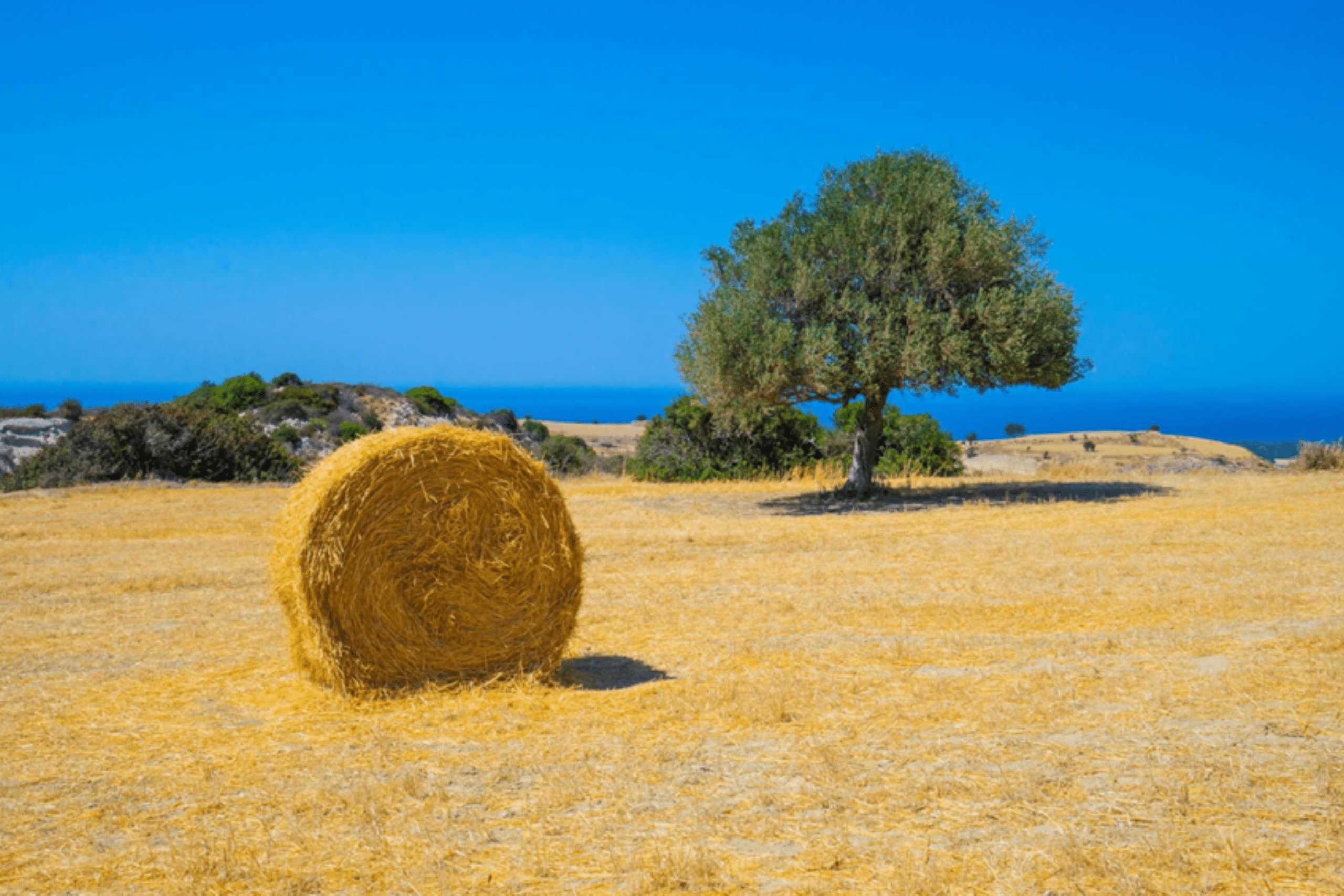
Families raised small herds using methods passed through generations, with women typically managing milk production and cheese making while men handled field work and shepherding. The livestock fit naturally into Cyprus’s agricultural cycle, grazing on wild plants during rainy months and consuming crop residues during summer.
This system created self-sufficient communities where nearly every household maintained animals. Archaeological evidence shows Cypriots domesticated these species during the Aceramic Neolithic Period around 7000 BCE, making livestock farming one of the island’s oldest continuous traditions.
Ancient Origins of Cypriot Animal Husbandry
Prehistoric settlers brought domesticated animals to Cyprus during the early Bronze Age around 2500 BCE. These people possessed navigation skills that allowed them to transport household goods and livestock across the Mediterranean. They introduced pigs, sheep, goats, and cattle to the island. Evidence from Bronze Age sites like Politiko Troullia shows communities consumed sheep, goat, cattle, and pig while also hunting fallow deer for ritual feasts.
The indigenous Cyprus Fat-tailed sheep developed over millennia of breeding in local conditions. This triple-purpose breed produced milk, coarse wool, and meat, typically appearing white with brown head markings.
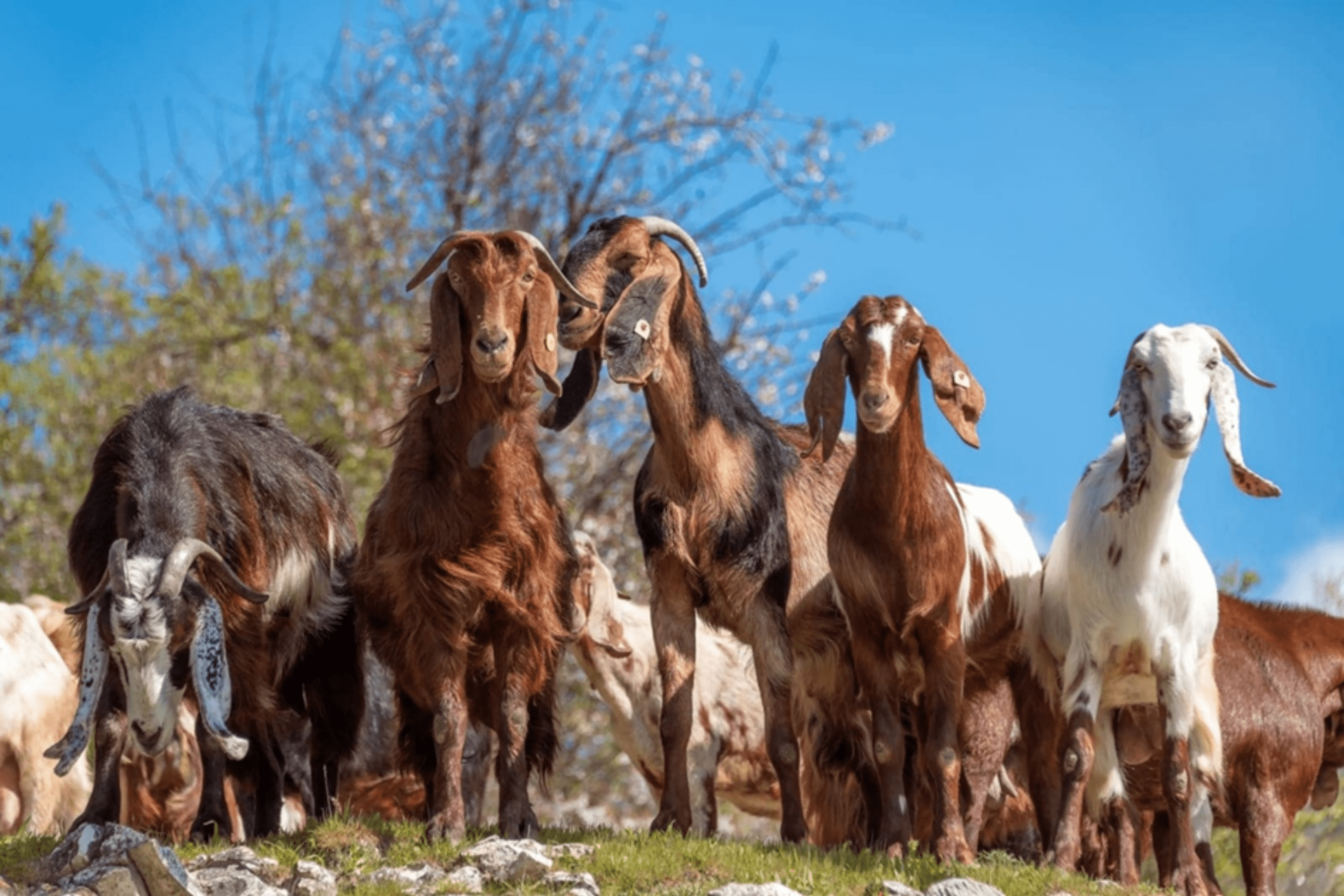
Cyprus goats descended from stock originally domesticated in the Middle East during the Mesolithic Era between 10,000 and 12,000 BCE. These animals spread throughout the Mediterranean as humans colonized coastal regions. The indigenous Cyprus goat naturally evolved multicolored coats, though white variants appeared in mountainous areas. Damascus goats were introduced later from Syria, recognizable by their extremely long ears. According to local belief, ear length indicates breed purity. The Nubian breed also became popular for milk production.
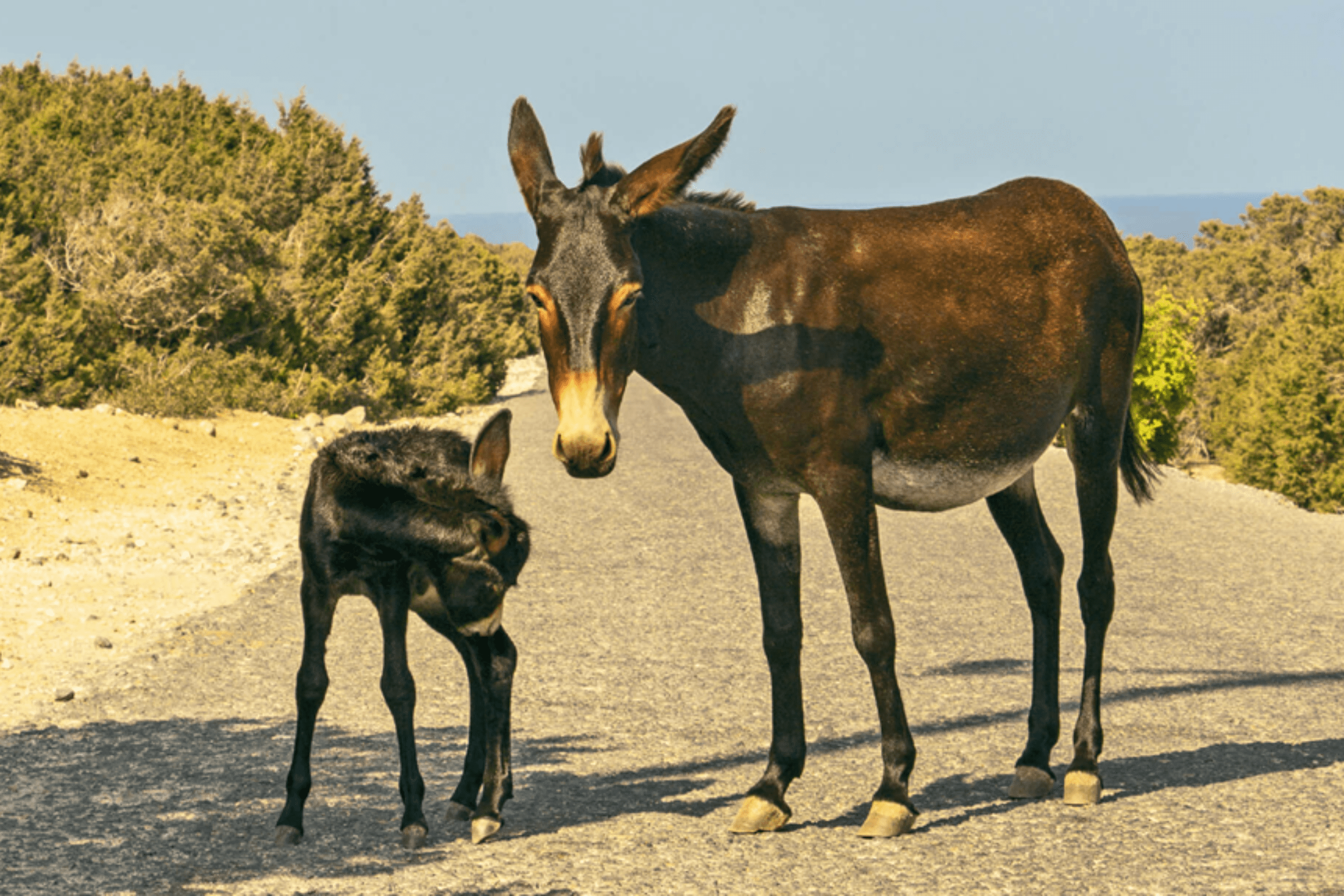
The Cyprus donkey traces ancestry to African and Asian wild asses modified over time by Catalan bloodlines. Two principal strains developed on the island. A large dark type with pale belly probably derives from European stock, while a smaller gray African variant represents about 20 percent of the population. Archimandrite Kyprianos recorded in 1788 that feral donkeys inhabited the mountainous Akamas and Karpasia regions. Oxen arrived as draft animals during the early Bronze Age and remained essential for plowing fields until mechanization in the 20th century.
Characteristics of Traditional Livestock
The Cyprus Fat-tailed sheep possesses distinctive long tails that nearly touch the ground in young lambs. This breed differs dramatically from Australian sheep, which undergo tail docking to prevent maggot infestation. The fat tail stores nutrients, helping animals survive drought periods common in Mediterranean climates. The sheep produce an average of 130 liters of milk annually, though this varies by individual animal and environmental conditions.
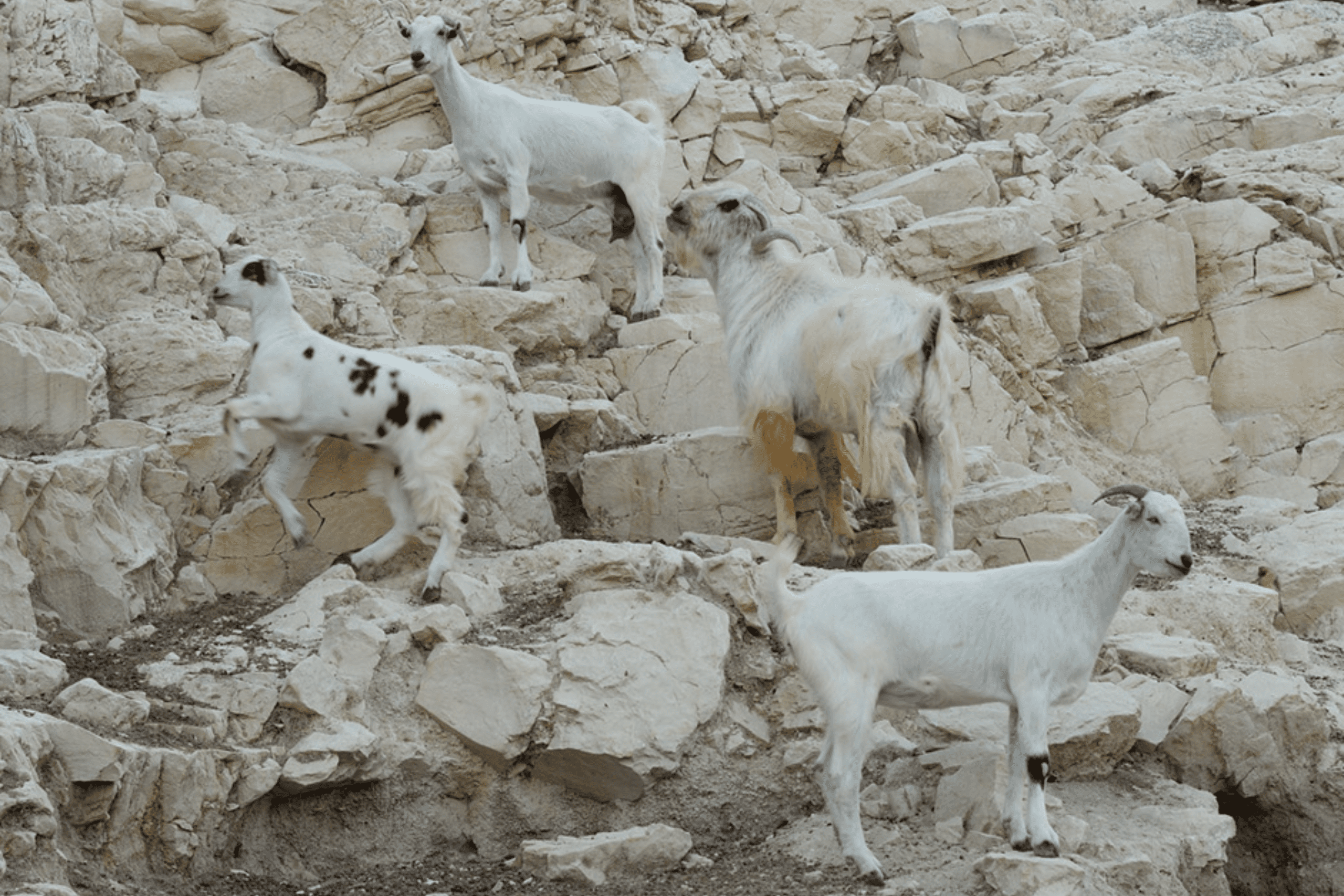
Cyprus goats display remarkable adaptability to rocky terrain and can balance on steep slopes while browsing carobs, herbs, and wild plants. Damascus goats, introduced from Syria, became prized for milk production despite their unusual appearance with long drooping ears. These animals often have multicolored coats showing mixed patterns of brown, black, white, and gray. Indigenous Cyprus goats originally dominated but crossbreeding with superior Damascus and other breeds created mixed herds.
Donkeys served multiple essential roles in rural communities. These animals carried shepherds’ food, clothing, and supplies during long days with flocks. They transported farm produce, water containers, and building materials across rough terrain unsuitable for carts. Donkeys pulled small plows in terraced fields too narrow for oxen. Their calm temperament and sure footing made them ideal for mountain paths and rocky ground.
Interesting Details About Rural Animal Life
Traditional Cypriot shepherds developed sophisticated systems for managing mixed flocks. Sheep and goats grazed together under single shepherds, particularly in the northeastern Karpaz peninsula. The shepherd walked ahead with a donkey carrying supplies while dogs controlled the flock from behind and sides. This arrangement allowed one person to manage large groups across vast territories. Flocks presented mixed appearances due to crossbreeding practices where superior rams or bucks from improved breeds ran with indigenous females. The resulting offspring combined hardiness of native stock with better production traits from imported genetics.
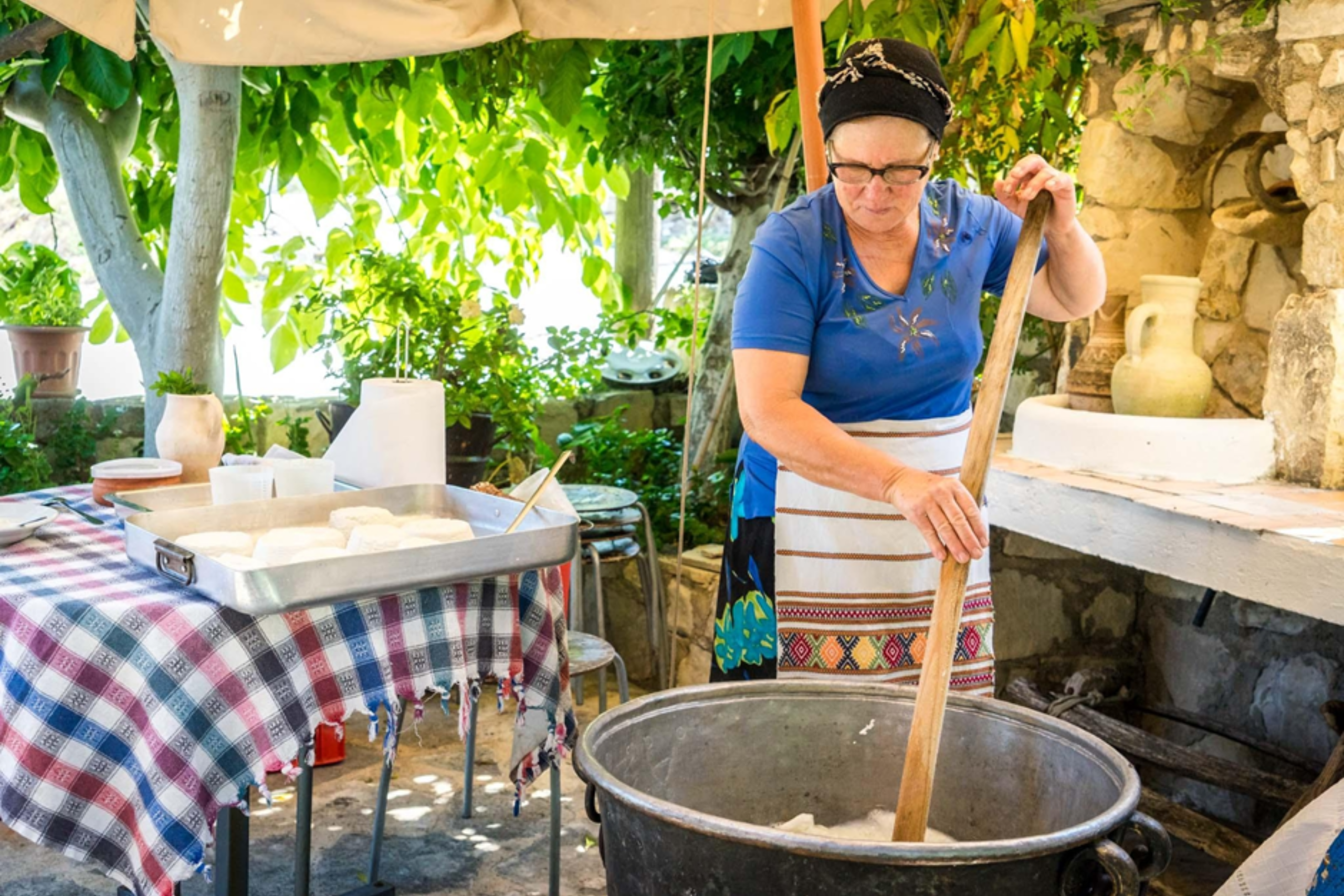
Village cheese-making cooperatives typically consisted of 10 to 15 women, led by whoever owned the most goats. These groups pooled milk and shared labor during production periods from February through June when milk was most abundant. Women possessed specialized knowledge about fermentation timing, curd cutting techniques, and proper folding methods. Traditional halloumi used natural fermentation from indigenous milk bacteria rather than commercial starters. Some producers added savoury herb during boiling to give special aroma and flavor.
The Role of Livestock in Daily Village Life
Rural families depended on their animals for basic survival needs. Goat and sheep milk provided fresh dairy, yogurt, and cheese that formed dietary staples. Halloumi preserved milk for months when stored properly in brine or olive oil, creating food security during periods when fresh milk was unavailable. Farmers ate halloumi as midday snacks during field work breaks, always combined with bread. The cheese rarely generated income because families consumed most production themselves. Meat came from male animals marketed young, leaving breeding females and replacement stock.
Experiencing Traditional Rural Life Today
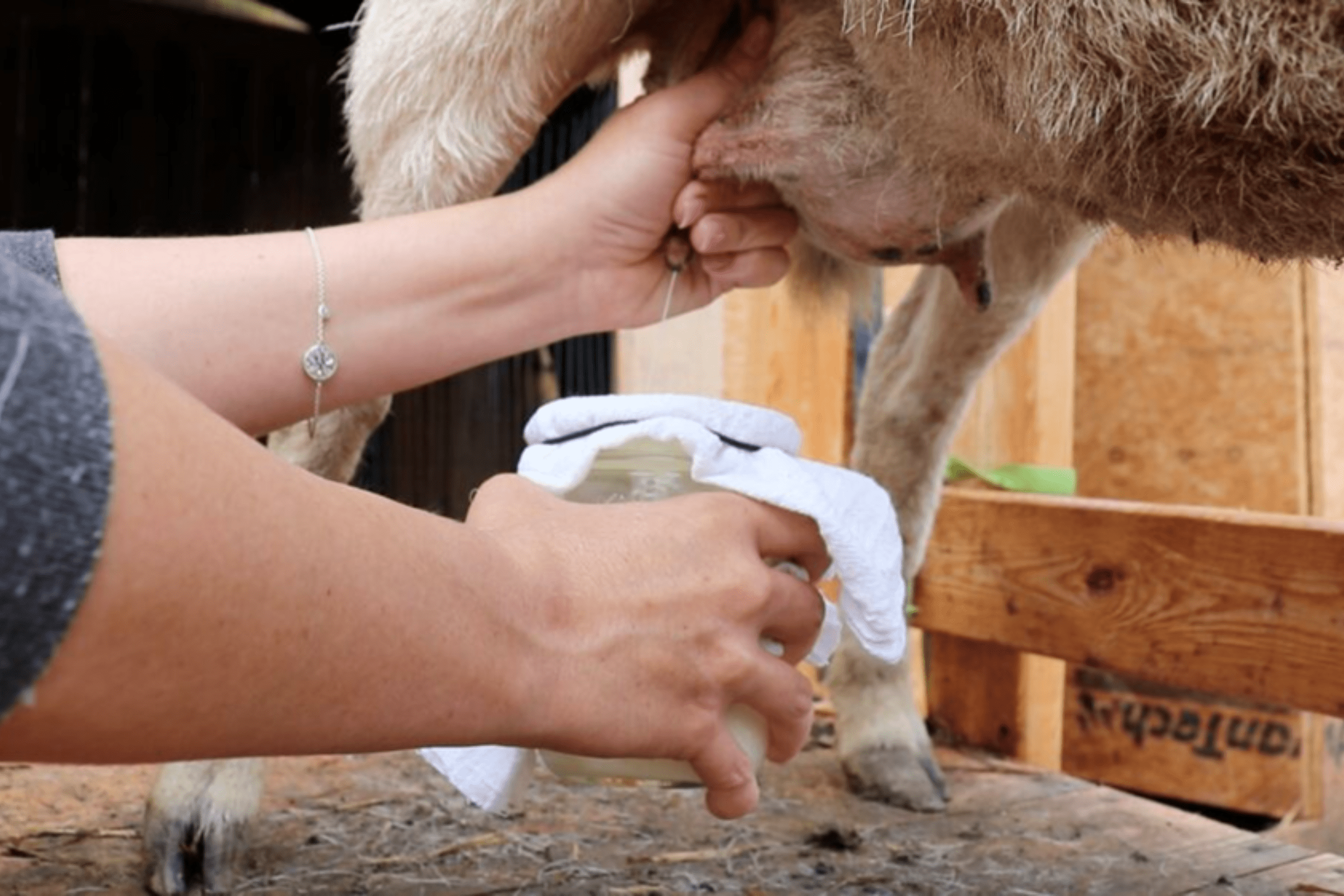
Several agrotourism farms allow visitors to interact with traditional livestock. The Royal Goat Farm near Paliometoxo village maintains goats, sheep, donkeys, rabbits, and various poultry in settings that replicate traditional village arrangements. Visitors can observe morning milking, watch animals graze on farm premises, and learn about daily care routines. The farm is constructing a traditional restaurant featuring seasonal Cypriot dishes made with farm products. Similar operations throughout Cyprus offer authentic experiences of rural life.
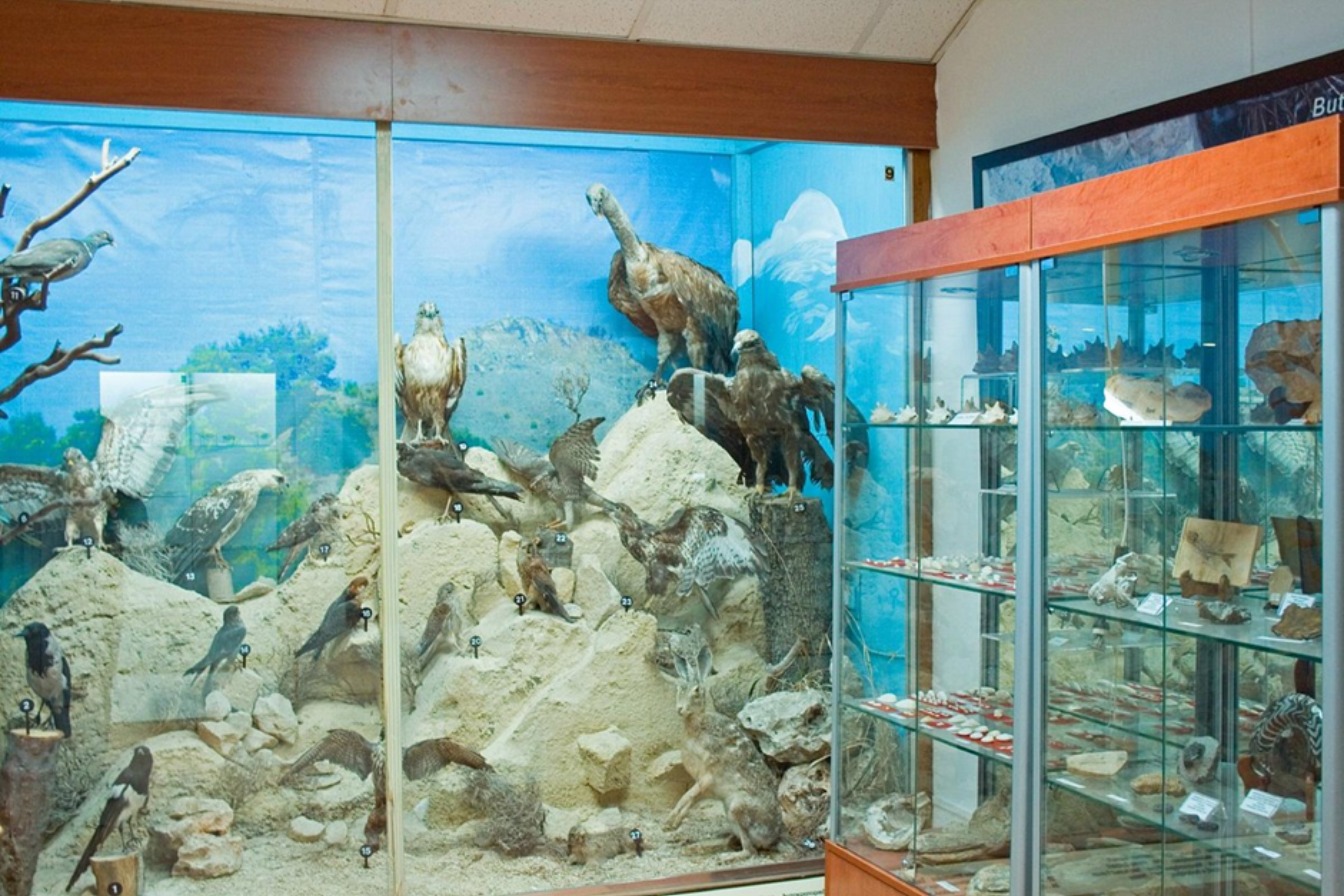
The Cyprus Museum of Natural History in Limassol displays exhibits showing domestic animals that lived in traditional Cypriot yards. Educational materials explain how these animals provided necessities essential for survival. The museum documents archaeological evidence of animal domestication during prehistoric eras. Villages in the Troodos Mountains and Karpaz Peninsula maintain active shepherding traditions where visitors can observe flocks managed by traditional methods. Shepherds occasionally welcome respectful observers interested in learning about daily routines.
Living Heritage of Rural Animal Husbandry in Cyprus
Traditional animal husbandry represents essential knowledge about sustainable agriculture adapted to Mediterranean conditions. The practices developed over 9,000 years created systems that worked within environmental limits while providing reliable food security. Indigenous breeds possess genetic adaptations to Cyprus’s climate, diseases, and available forage that make them irreplaceable resources. Loss of these breeds would eliminate traits needed for resilient agriculture under climate change conditions.
The cultural significance extends beyond practical considerations. Livestock farming shaped Cypriot village social structures, gender roles, seasonal rhythms, and community cooperation patterns. Cheese-making cooperatives taught women business management and collective decision-making. Shepherding required detailed environmental knowledge about plant varieties, weather patterns, and animal behavior. These skills created cultural identity tied to specific landscapes and traditional practices. When rural youth abandon villages for cities, this knowledge disappears along with native breeds and artisanal production methods.