Cyprus experiences some of the highest temperatures in Europe during summer months. This Mediterranean island has developed specific daily routines that adapt to the intense heat. The midday break stands as the most distinctive feature of Cypriot life, shaping everything from work schedules to social patterns.
Summer temperatures in Cyprus regularly exceed 30 degrees Celsius along the coast. In the central plains, particularly around Nicosia, the mercury climbs even higher. The capital city sees average highs of 37 degrees Celsius in July and August. During heat waves from Africa, temperatures can reach or exceed 40 degrees Celsius from May to October.
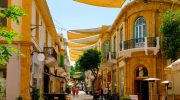
The hottest period of each day occurs between noon and 4 PM. The sun reaches its peak intensity during these hours, making outdoor activities uncomfortable and potentially dangerous. Humidity levels drop very low near midday, ranging from 15 to 30 percent on the central plain. This combination of high heat and low humidity creates conditions that demand behavioral adaptation.
Cyprus enjoys over 300 days of sunshine annually. The warm season lasts about eight months, beginning in April and ending in November. Even in December and January, the island averages six hours of bright sunshine per day. During the six main summer months, sunshine averages 11.5 hours daily.
The Traditional Siesta Practice
The siesta represents Cyprus’s most direct response to midday heat. From June 15 to August 31, an optional three-hour afternoon break runs from 2 PM to 5 PM. Many businesses, particularly smaller shops, close during this period. The practice is not merely about personal comfort but reflects genuine physical necessity.
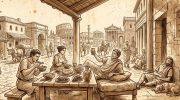
Working through the middle of the day in summer heat reduces productivity and increases health risks. The siesta period gives workers time to escape the intense sun, rest in cooler indoor spaces, and recover energy for the remainder of the day. This tradition dates back thousands of years to ancient Rome, when people would stop at the sixth hour of daylight for lunch and rest.
Small shopkeepers value this tradition strongly and argue that summer weather makes it impractical to work during peak heat hours. Air conditioning helps but does not solve the problem entirely, especially for smaller businesses. The current law maintains required closure periods for most retail operations during high summer, though debate continues about whether this should remain mandatory.
How Daily Schedules Adapt
Cypriots structure their entire day around avoiding peak heat hours. Many workers and residents complete their most demanding tasks early in the morning when temperatures remain tolerable. This early productivity allows for the midday break without sacrificing overall work output.

Lunch typically occurs between 1 PM and 3 PM. Many businesses close for lunch between 1 PM and 3 PM, following the Spanish-style siesta pattern. Restaurants usually start serving lunch from noon, but most customers arrive during the traditional timeframe. The midday meal often becomes a lengthy social affair in shaded tavernas.
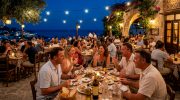
Dinner happens much later than in Northern Europe. Restaurants rarely open before 7 PM, and most customers arrive from 8 PM onwards. This late dining schedule reflects the working hours that extend into evening after the afternoon break. The cooler evening temperatures make dining outdoors pleasant, extending social time well into the night.
Morning Activity Patterns
The early morning hours see intense activity across Cyprus. People wake early to take advantage of cooler temperatures for exercise and outdoor tasks. Gym sessions, walks with friends, and outdoor work all happen before 9 AM when possible. By starting the day at dawn, residents can accomplish significant work before the heat becomes oppressive.

Tourist sites and historical ruins receive recommendations for early morning visits. Exploring ancient sites like Kourion works best when visitors arrive before the sun bakes the stones. The same principle applies to beach activities. Beaches are quieter in early morning hours, offering calm waters and smaller crowds.
Physical exercise during summer requires careful timing. Health advisors recommend training either very early in the morning between 6 AM and 8 AM, or in the early evening from around 7:30 PM onward. Temperatures remain warm during these periods, but the sun’s intensity decreases significantly. Working out during midday hours in 40-degree heat creates genuine health hazards.
Evening Routines and Social Life
Late afternoon and evening become the second major activity period. After 5 PM, when the siesta ends and shops reopen, the streets fill again with people. The temperature remains hot but becomes more bearable than during peak hours. Many people go swimming after 5 PM, as the cooler air makes beach time more comfortable.
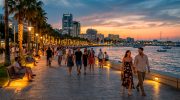
Evening hours stretch longer during summer months. The extended daylight and pleasant temperatures encourage outdoor socializing. Cafes, restaurants, and public spaces remain busy until late at night. This pattern creates a vibrant nightlife that extends well past midnight in tourist areas.
The evening schedule also allows for activities postponed from midday. Shopping, errands, and social visits all happen during these hours. Businesses that closed for siesta reopen with extended hours to accommodate customers who avoided the afternoon heat.
Seasonal Schedule Variations
Cyprus adjusts work schedules seasonally to accommodate changing temperatures. From September 15 to May 31, typical office hours run from 8 AM to 1 PM, then resume from 3 PM to 6 PM Monday through Friday. When summer arrives from June 1 to September 14, the afternoon shift extends by one hour. Offices reopen at 4 PM instead of 3 PM and close at 7 PM.
Government offices maintain more consistent hours throughout the year. They operate Monday to Friday with flexible start times between 7:30 AM and 8:30 AM and closing times between 3 PM and 4 PM. This schedule differs from private sector patterns and gives public servants shorter Fridays and earlier finish times.
Banks follow their own seasonal schedule. During winter from September 1 to April 30, banks open Mondays from 8:30 AM to 1 PM and again from 3:15 PM to 4:45 PM. Tuesday through Friday, they operate only from 8:30 AM to 1 PM. In summer from May 1 to August 31, all banking days run from 8:15 AM to 1 PM.
Mountain Escape Alternative
The Troodos Mountains provide a climate refuge during intense summer heat. Higher altitudes offer temperatures approximately 4 degrees Celsius cooler than coastal areas. At the highest points, the difference increases even more. This mountain region attracts both residents and tourists seeking relief from coastal heat.

Mountain villages like Kakopetria and Omodos maintain cooler temperatures year-round. Afternoons and evenings in these areas feel noticeably more comfortable than the city or seaside. Forest areas and waterfalls provide additional cooling. Visitors can enjoy outdoor activities like hiking and walking trails without the oppressive heat of lower elevations.
The mountains offer a different daily rhythm. While coastal areas shut down during midday, mountain villages remain more active throughout the day. Agro-tourism houses provide accommodation, and traditional taverns serve local food in naturally cool environments. Some residents spend entire summers in mountain areas to escape coastal heat.
Health and Safety Considerations
The intensity of Cyprus summer heat creates genuine health concerns. Dehydration occurs quickly in the dry heat. Health experts recommend drinking water constantly throughout the day, even when not feeling thirsty. Carrying water becomes essential for any outdoor activity.

Sun protection requires serious attention. High SPF sunscreen is mandatory, along with hats and sunglasses. Lightweight, loose clothing made from natural fabrics like cotton or linen helps maintain comfort. Dark or thick materials should be avoided entirely during summer months.
The sun’s strength between noon and 3 PM makes outdoor exposure potentially dangerous. Even short periods in direct sunlight during these hours can lead to sunburn, heat exhaustion, or heatstroke. Most locals actively avoid outdoor spaces during peak hours, staying in air-conditioned areas or shaded locations.
Cultural Attitudes Toward Time
The siesta and late-night schedules reflect broader cultural attitudes about time. Cyprus follows a Mediterranean approach that values relaxation and personal connections over rigid punctuality. The concept of rushing is not preferred. A slower rhythm of life is associated with wellbeing and happiness.
This cultural preference affects expectations around meetings and social gatherings. People often arrive 10 to 15 minutes late to appointments without apology, as this flexibility is culturally accepted. However, professional services like taxis and scheduled pickups maintain punctuality.
The climate-driven routines in Cyprus demonstrate how environment shapes culture and daily life. The midday break is not laziness but practical adaptation to genuine physical conditions. Early morning productivity and late evening activity allow residents to maintain normal lives despite extreme temperatures. This pattern has developed over centuries and continues to define the rhythm of life on this Mediterranean island.