Imagine wandering through the sun-drenched fields of Cyprus, where a plant towers like a sentinel from ancient myths, its yellow blooms catching the breeze. This article invites you on a gentle journey to discover the giant fennel, a resilient Cypriot native that bridges legends of fire-thieves and hidden fungal treasures, leaving you pondering the quiet wonders hidden in everyday landscapes.
A Gentle Giant’s Greeting
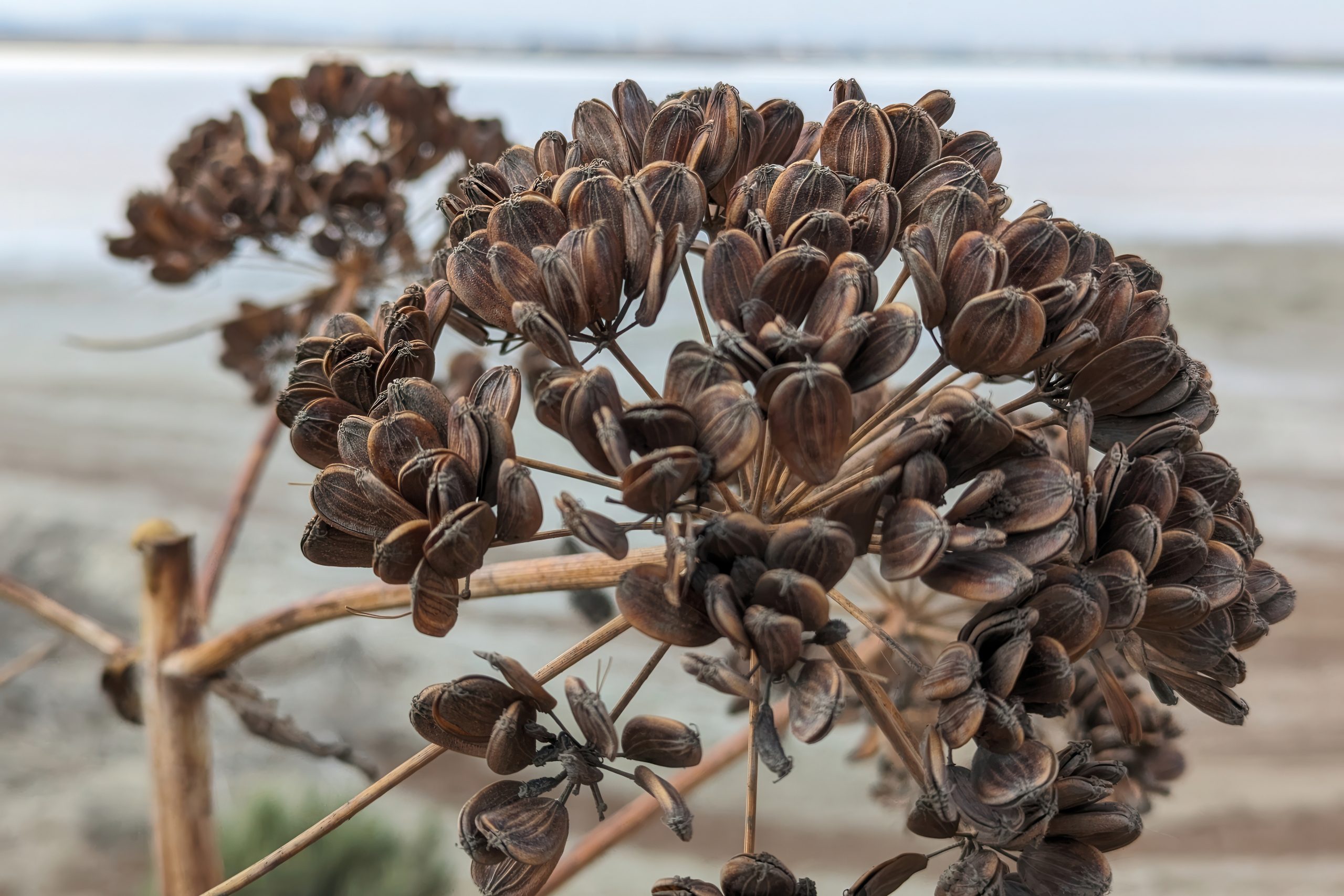
The giant fennel, known scientifically as Ferula communis, is a member of the vast carrot family, Apiaceae, which includes familiar herbs like parsley and dill. It’s a perennial plant that dies back each summer only to burst forth anew, standing tall in open meadows and reminding us of nature’s enduring cycles in the Mediterranean world.
Echoes from Mythical Times
In the mists of ancient history, giant fennel played starring roles in Greek legends that echoed across the sea to Cyprus. Prometheus, the daring Titan, famously hid stolen fire from the gods inside its hollow stem to gift humanity warmth and light. Followers of Dionysus, the god of wine and revelry, wielded staffs made from its stalks wrapped in ivy and topped with pine cones as symbols of joy and fertility during ecstatic festivals.
On Cyprus itself, historical accounts from 19th-century explorers describe locals crafting stools and decorative items from its sturdy wood, a practice rooted in the island’s long tradition of resourceful living amid its rocky terrains.
Portrait of a Towering Wonder
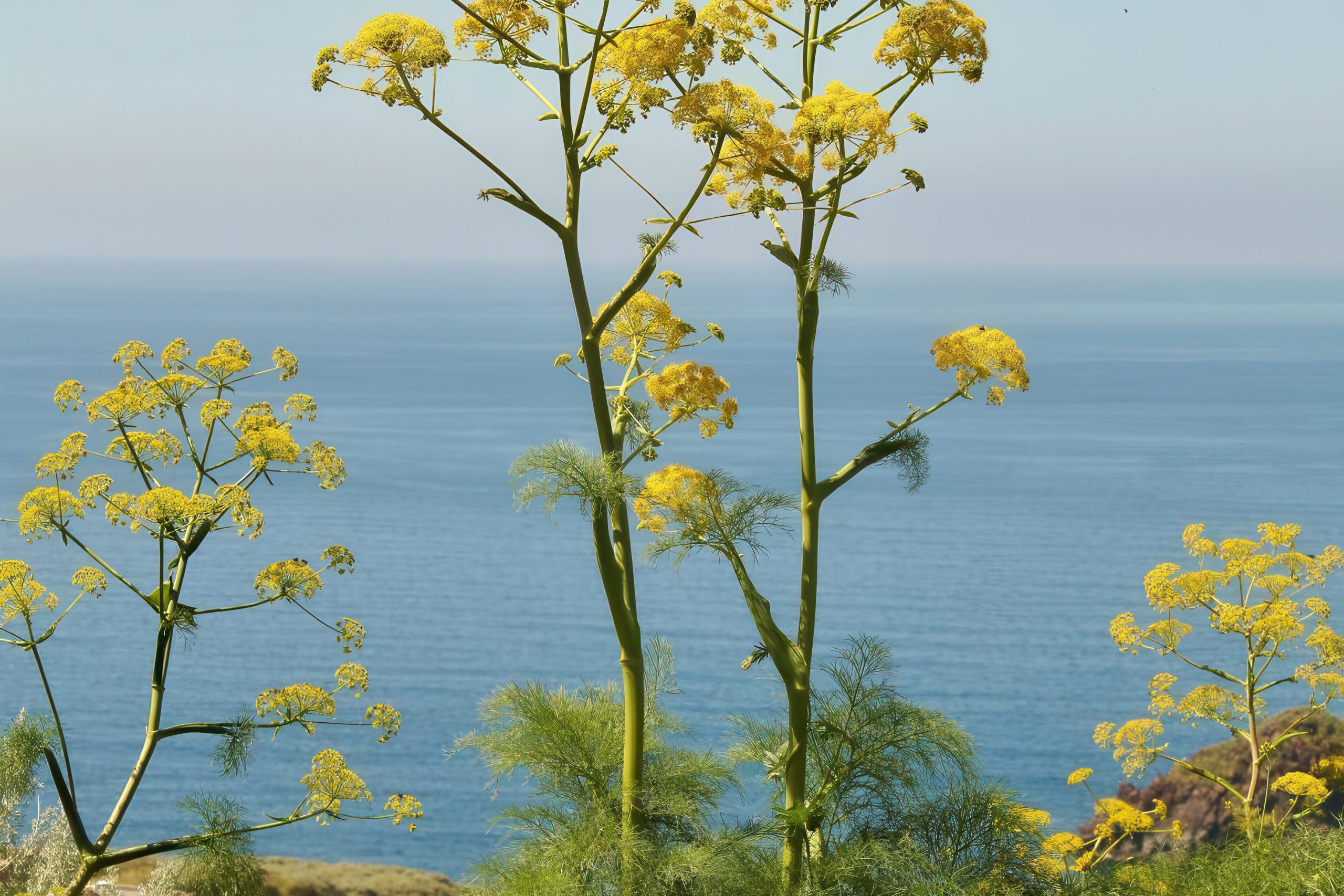
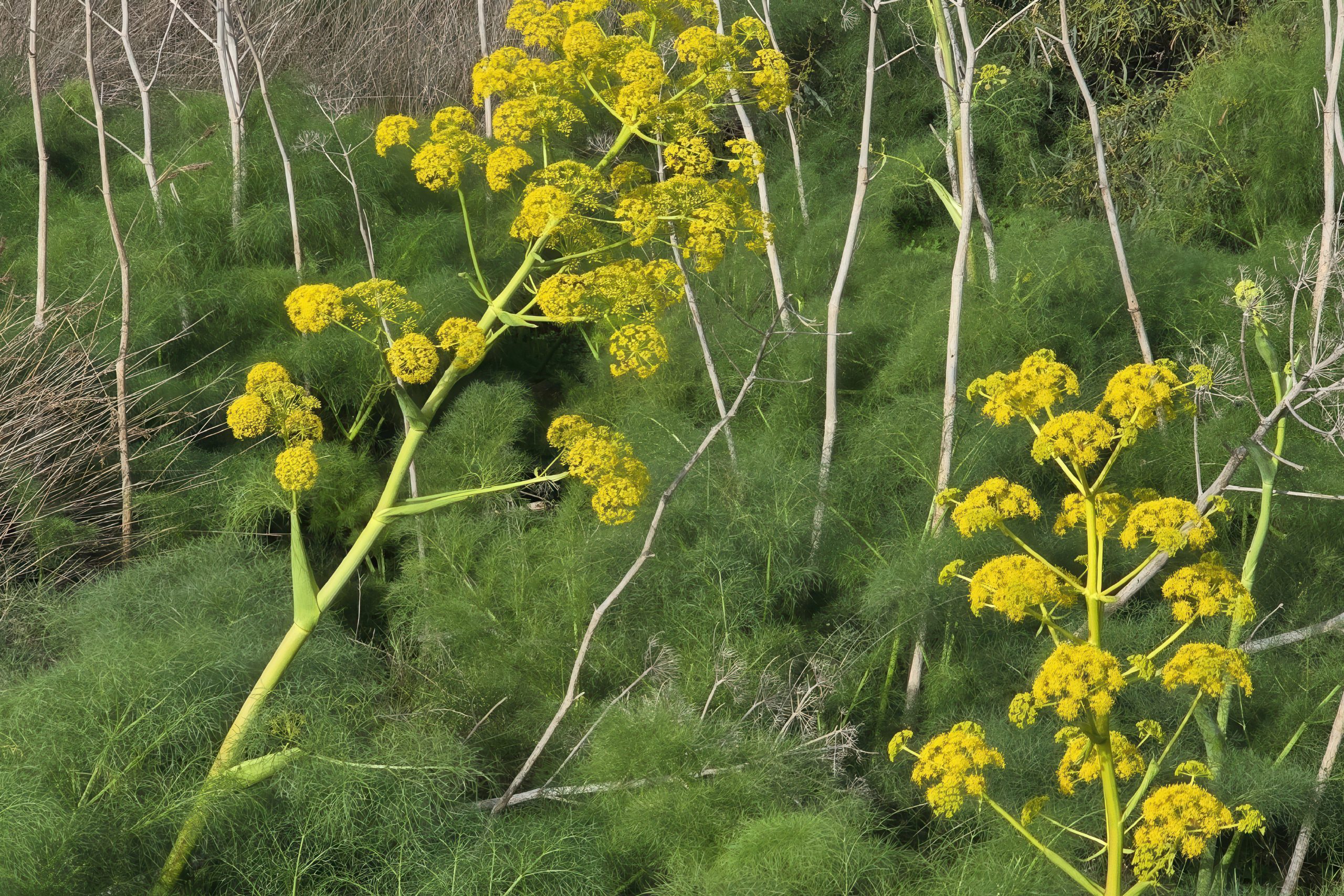
Picture a plant that can stretch up to three meters high, with a thick, hollow stem as robust as a walking staff, crowned by feathery leaves that divide into delicate, fern-like clusters. Come spring, from March to May, it unfurls round clusters of yellow, scentless flowers that dot the landscape like sunny umbrellas. In Cyprus, it’s locally called “anathrika,” a name echoing the ancient Greek “narthex,” meaning “rod” or “staff,” perfectly capturing its straight, supportive form. While not endangered listed as Least Concern by the IUCN it’s a hardy survivor in sandy, stony soils up to 600 meters elevation.
Delightful Discoveries
Here’s a quirky tidbit: the giant fennel’s stem burns slowly from the inside without charring the outer bark, making it a natural torch in folklore perhaps why Prometheus chose it for his fiery heist! In Cyprus, shepherds once avoided letting goats nibble it due to potential toxicity, turning it into an unwitting guardian of pastures. And surprisingly, its resin, once harvested as a latex-like gum, inspired the name of ferulic acid, a compound now prized in modern skincare for its antioxidant powers.
Hidden Alliances Below Ground
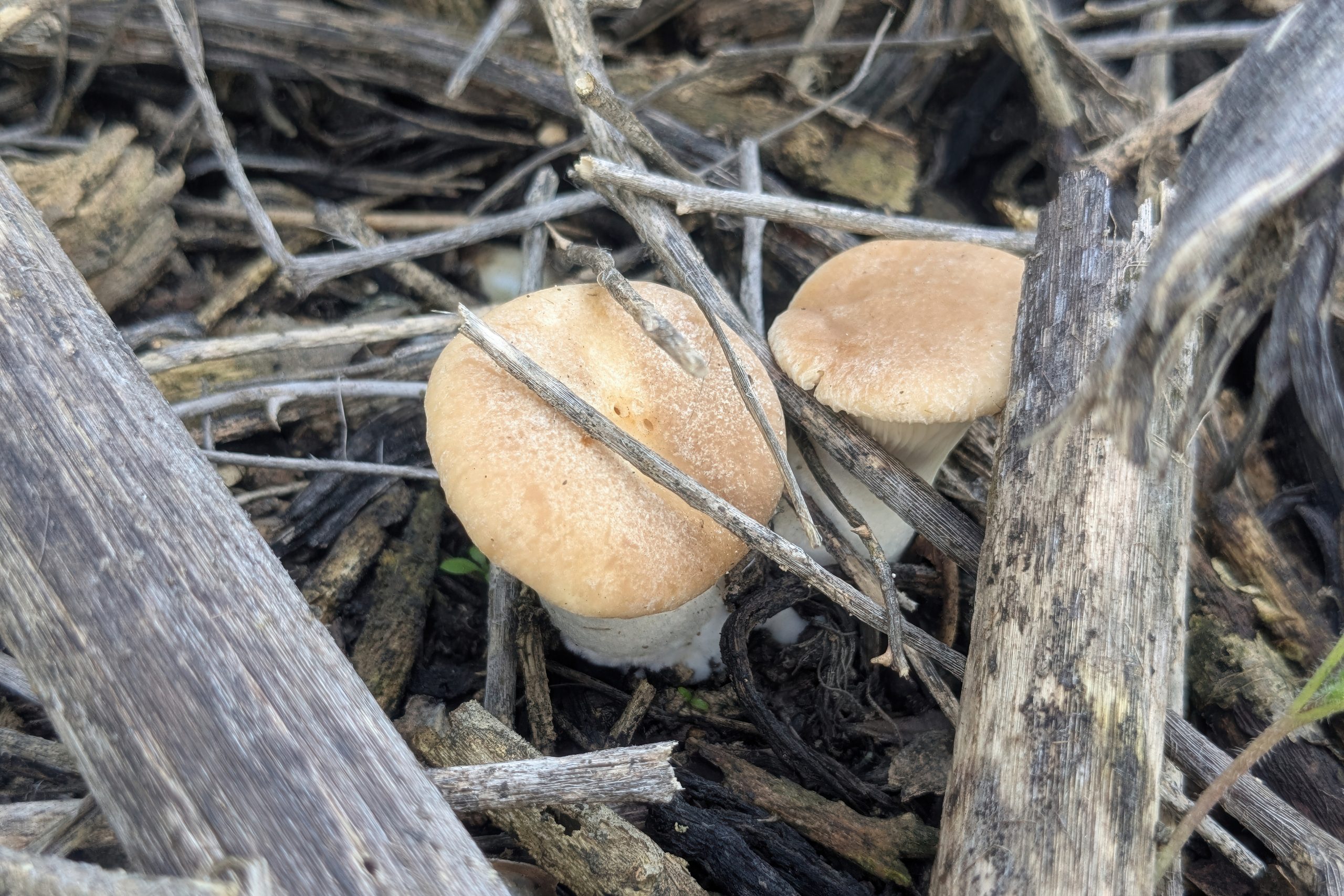
Delving a bit deeper, this plant forms a fascinating underground partnership with the king oyster mushroom (Pleurotus eryngii), known locally as “anathrika mushrooms” for sprouting at its roots. This mycorrhizal bond sees the fungus aiding the fennel in absorbing nutrients from Cyprus’ nutrient-poor soils, while the plant provides sugars in return a subtle symbiosis that boosts both in the island’s limestone-rich earth.
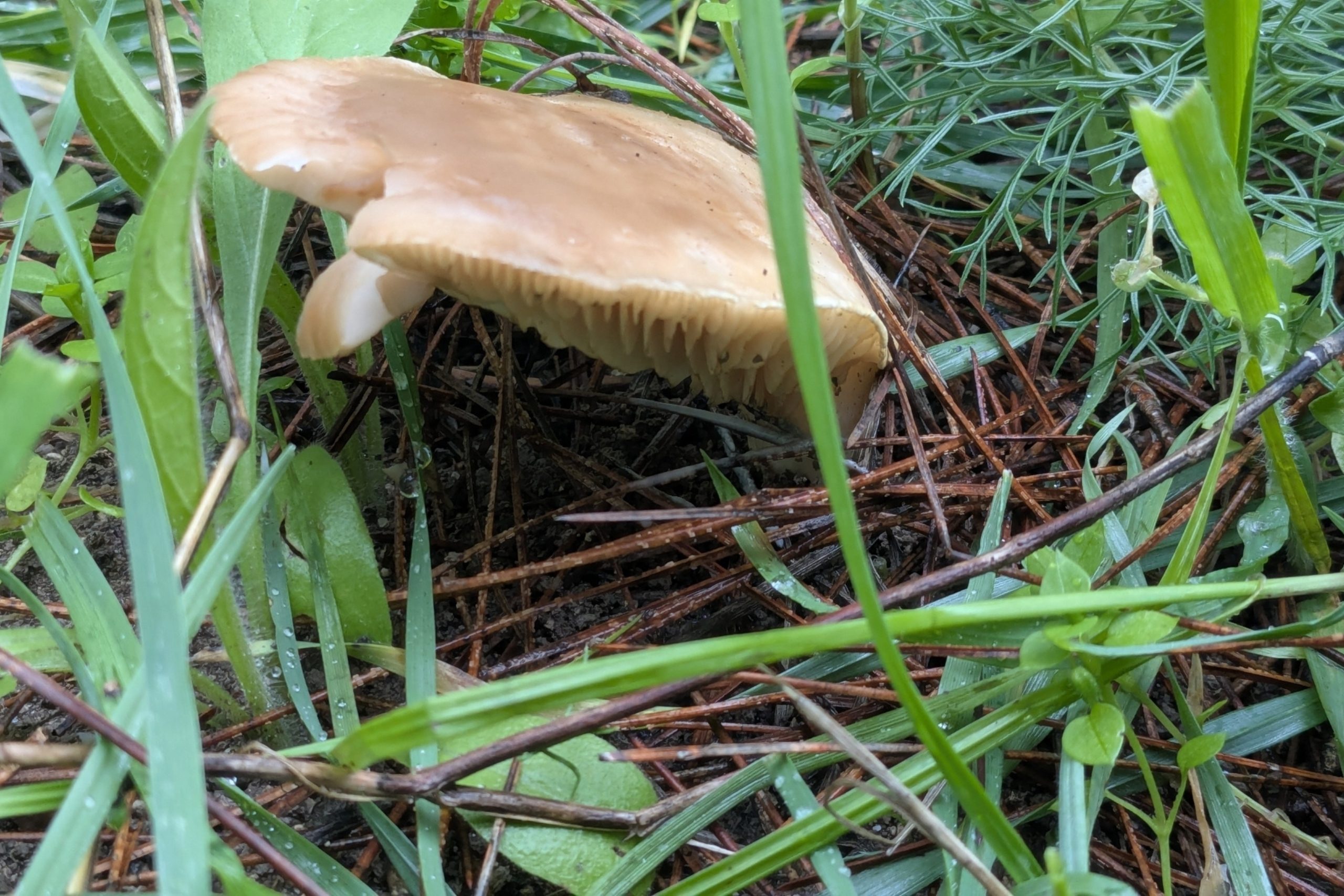
Botanically, as part of the Apiaceae, it shares traits with over 3,000 species worldwide, but in Cyprus, ethnobotanical records note its use in traditional remedies for rheumatism, though caution is advised due to varying chemotypes that can be poisonous to livestock.
Threads to the Present
Today, giant fennel weaves into Cyprus’ cultural fabric, symbolizing resilience in a land shaped by ancient myths and modern eco-tourism. Its name lives on in everyday language – plaster casts for broken bones are still called “narthex” in Greek Cypriot dialect, a nod to its historical use in splinting fractures. In a changing climate, it stands as a beacon for biodiversity, supporting rare butterflies and even inspiring sustainable crafts, reminding islanders of their deep-rooted harmony with nature.
Wandering Among the Wild Ones
Spot this majestic plant across Cyprus’ widespread distribution, from coastal plains near Larnaca to the Akamas Peninsula’s rugged paths or Troodos foothills, especially in spring when its blooms paint the scenery gold. Strolling rural trails offers a serene experience feel the soft rustle of its leaves, inhale the faint earthy aroma, and imagine holding a piece of mythology in your hands, all while keeping a respectful distance to preserve its habitat.
A Legacy Etched in the Earth
Knowing about the giant fennel enriches our view of Cyprus as a living tapestry of history and ecology, where a simple stalk connects gods, humans, and hidden fungi in a dance of survival. It invites us to cherish the island’s wild heritage, fostering a deeper appreciation for the quiet partnerships that sustain life on this sun-kissed Mediterranean gem.