Explore Cyprus with Our Interactive Map

Explore our top stories and discover ideas worth your time.

Akrotiri Peninsula – Protected Wetlands & Wildlife

Akrotiri Peninsula – Protected Wetlands & Wildlife

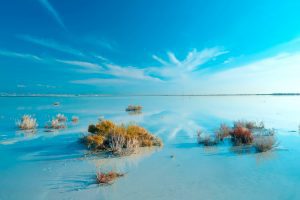
The Akrotiri Peninsula in the Limassol District marks the southernmost tip of Cyprus and also the southernmost part of Europe. This 123 square kilometer area contains the largest complex of natural wetlands on the island, centered around Akrotiri Salt Lake. allaboutlimassol.com The peninsula hosts over 300 recorded bird species, more than 800 indigenous plant species representing roughly 40 percent of all plants found on Cyprus, and critical habitats ranging from coastal sand dunes to Mediterranean juniper forests. Most of the peninsula lies within the British Sovereign Base Area of Akrotiri, territory retained by the United Kingdom when Cyprus gained independence in 1960. From Ancient Island to Protected Reserve The Akrotiri Peninsula was once a small island that merged with the rest of Cyprus through processes spanning thousands of years, creating what geologists call a double tombolo. The Kouris River carried sediment to create a land bridge on the western side at least 56,000 years ago, while the Garilis River later formed a second connection on the eastern side. This gradual process trapped seawater between the two land bridges, forming Akrotiri Salt Lake. The south cliffs of the peninsula, known as Aetokremmos, host the earliest known archaeological site in Cyprus and are believed to be the first part of the island inhabited by people during the pre-Neolithic period. The site contains…

Read more
Omodos – Traditional Village & Monastery

Omodos – Traditional Village & Monastery

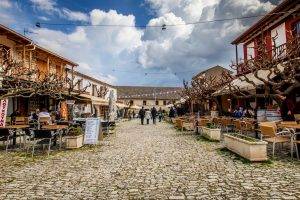
Omodos is a historic mountain village in Cyprus’s Troodos range, known for its Byzantine monastery, traditional architecture, and wine-making heritage. Located 42 kilometers northwest of Limassol at an elevation of 800 meters, the village lies within the Krasochoria district, the traditional wine-producing region of Cyprus. Its location in this wine heartland has shaped the local economy and identity for centuries. Shutterstock-com The village centers around a large cobblestone square, possibly the largest in Cyprus at 3,000 square meters, dating back to 1910. Stone houses with red-tiled roofs, wooden balconies, and flower-filled courtyards line narrow streets that wind through the settlement. The architecture reflects a careful balance between preservation and modern use, with many traditional homes now serving as guesthouses, wine cellars, and small museums. Globeguide-com Historical Foundation According to local legend, the village formed around a miraculous discovery. Residents from the neighboring villages of Ano and Kato Koupetra, which no longer exist, observed a mysterious fire appearing in the bushes at night. When they investigated at dawn, they found no trace of fire. After this event repeated over several nights, they excavated the site and uncovered a small cave that contained a wooden cross. A chapel was built above the cave to house the sacred relic, and this structure became the foundation of the Monastery of the Cross. Orthphoto-net The…

Read more

Wild Chamomile of Cyprus

Wild Chamomile of Cyprus

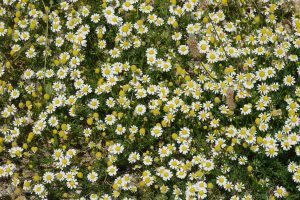
Imagine wandering through the sun-kissed fields of Cyprus, where a delicate flower with daisy-like petals sways in the breeze, releasing a soothing apple-like aroma that whispers of healing and calm. This is wild chamomile, a humble herb that has graced the island's landscapes for millennia, offering comfort to weary souls. But what secrets does this unassuming plant hold in its tiny blooms, and why does it continue to captivate us? www.inaturalist.org Unveiling the Humble Herb Wild chamomile, known scientifically as Matricaria recutita, is a member of the vast Asteraceae family, which includes sunflowers and daisies, showcasing how even the smallest relatives can pack a punch in nature's pharmacy. It's an annual plant that pops up in disturbed soils, roadsides, and meadows, thriving in the Mediterranean's mild winters and warm summers. Simply put, it's nature's resilient wanderer, adapting to wherever the wind scatters its seeds. Roots in Time: From Ancient Remedies to Island Lore The story of wild chamomile in Cyprus stretches back to antiquity, intertwined with the island's rich tapestry of civilizations – from the Mycenaeans to the Romans and Ottomans. Historical texts, like those referenced in ancient Greek manuscripts and echoed in Cyprus' ethnobotanical records from the Troodos Mountains, reveal its use by early healers for soothing ailments, much as Dioscorides described in his "De Materia Medica" around 50…

Read more