Perched on a rocky hilltop 250 meters above the Mediterranean Sea, the ruins of Vouni Palace stand as a remarkable architectural anomaly in ancient Cyprus. This site represents the only known example of Persian palace design not just on the island but throughout the entire eastern Mediterranean, built during one of history’s most intense power struggles between two great civilizations.
Historical Background
Around 500 BC, Cyprus found itself caught in the crossfire of the great wars between the Persian Empire and the Greek city-states. The island’s ten kingdoms split into opposing camps, with some supporting the Persians and others backing the Greeks. This division led to bitter conflicts across Cyprus, on both land and sea.
The ancient city of Soli, located near modern Lefke on the northwest coast, firmly supported the Greek cause. This position threatened Marion, a nearby pro-Persian kingdom situated close to present-day Polis. King Doxandros of Marion, a ruler loyal to the Persian Empire, decided to take action against his pro-Greek neighbor.
In 500 BC, Doxandros established a military settlement on a strategic hill overlooking Soli. The location was perfect for surveillance. From this elevated position, Persian forces could monitor all sea traffic along the coast and observe every activity in the city below. What began as a simple military outpost would transform into one of ancient Cyprus’s most impressive royal palaces.
From Fortress to Royal Residence
The settlement remained a military installation for roughly half a century. Then in 449 BC, the Greeks defeated the Persians in a decisive battle, fundamentally changing the political landscape of Cyprus. The pro-Persian inhabitants of Vouni were expelled and replaced by people from Soli. A pro-Greek prince took control, and the military fortress evolved into a genuine royal palace.
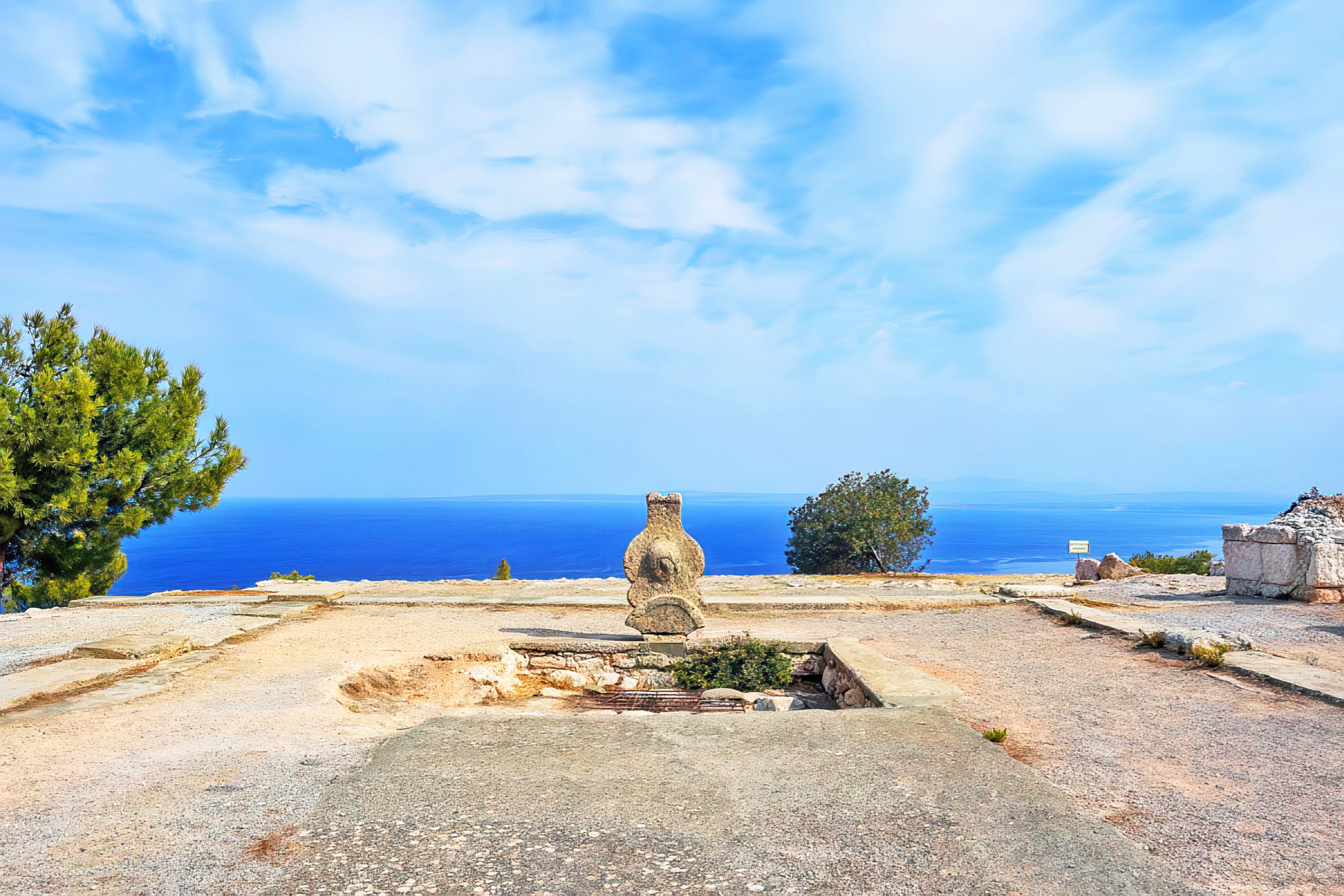
Archaeological evidence shows that the palace underwent four distinct construction periods. The initial building phase in 500 BC created the core structure with strong eastern architectural features. The design followed Persian tradition with a tripartite division of official buildings, separate living quarters, extensive storage rooms, and sophisticated bathrooms.
During the Persian period between 500 and 450 BC, workers made minor modifications and added more rooms. The third phase from 450 to 390 BC brought dramatic changes. Under Greek rule, architects replaced many eastern features with Greek design elements, added a second story with mud brick walls, and significantly altered the overall character. The final period from 390 to 380 BC saw only minor adjustments to the existing structure.
Architectural Features That Set Vouni Apart
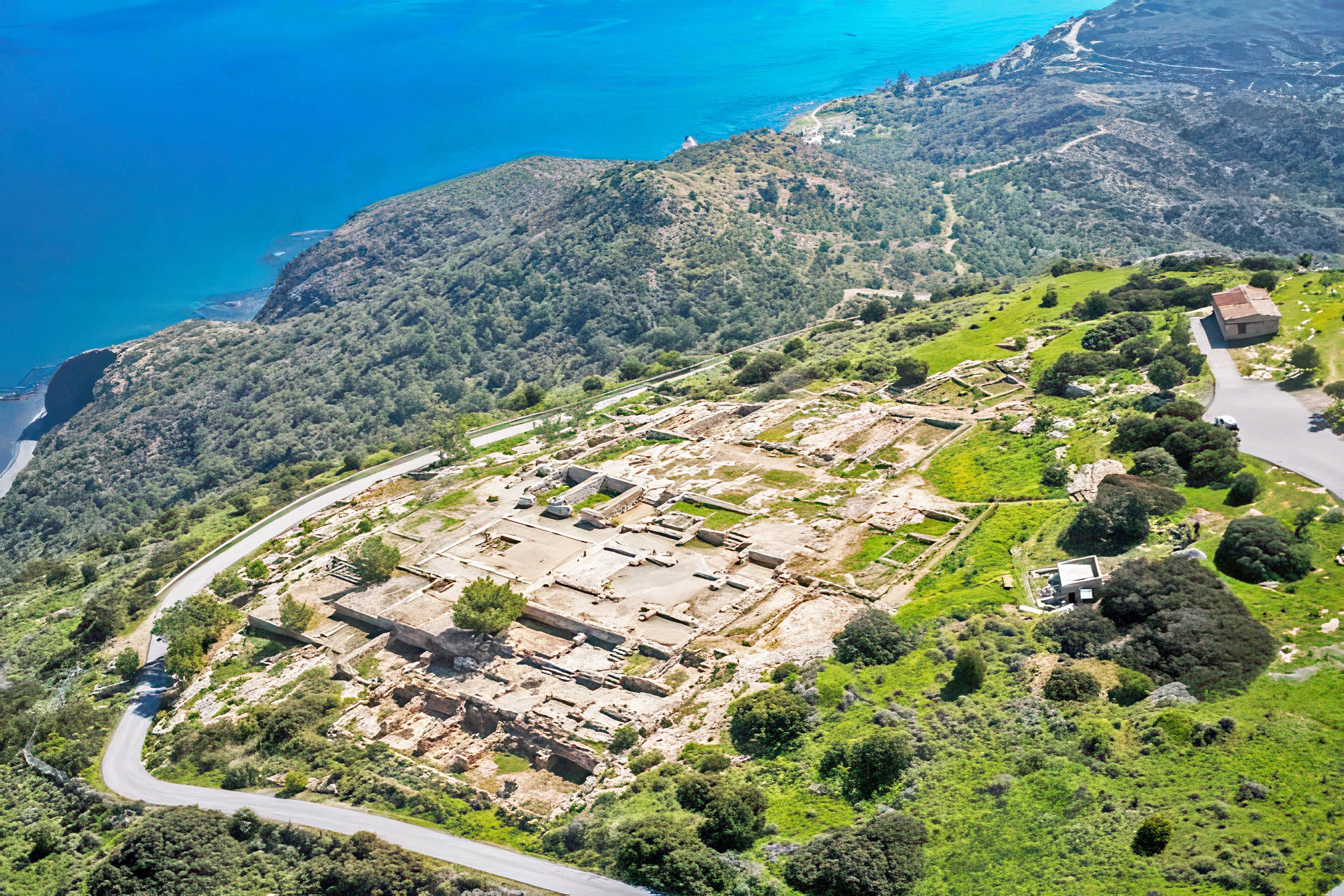
The finished palace complex occupied three terraces carved into the hillside. At the highest point stood a temple dedicated to Athena, perched on the precipitous edge overlooking the land. The middle terrace contained the palace itself and various religious buildings. The lowest terrace held residential structures with stone foundations and mud brick upper stories that housed most palace inhabitants.
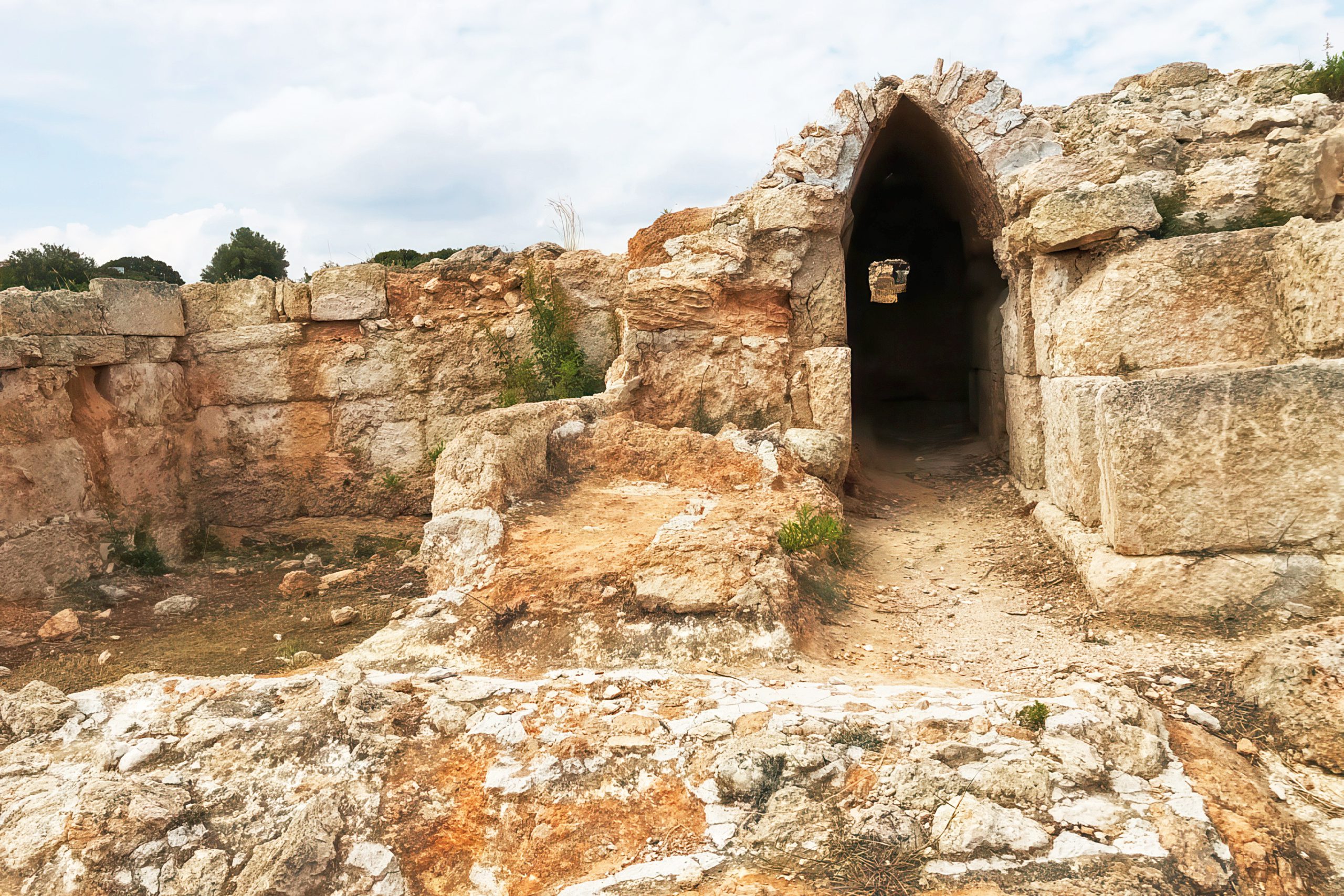
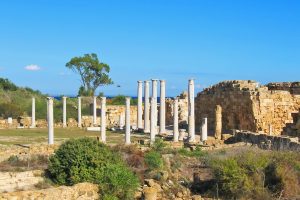
The palace eventually grew to include 137 rooms, making it an enormous complex for its time. The central courtyard featured columns that supported the roof of a covered walkway around the court’s perimeter. These columns used hard limestone from the Vouni rock itself, with bases made from light-green limestone quarried from Paradisotissa, located 1.5 kilometers northwest.
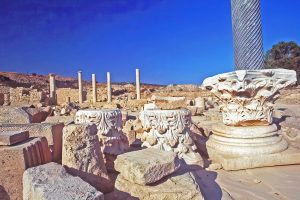
One preserved column capital shows a distinctive Cypriot interpretation of the Egyptian Hathor design. The capital displays a female head carved in relief on two sides, wearing rosette earrings and crowned with an arch-shaped diadem. Above her head sits a small structure with an open gate on the front and a niche containing a uraeus serpent symbol.
The courtyard held another remarkable feature in its center. A large standing stone stele, believed to have been brought from elsewhere, was designed to hold a windlass for drawing water from a well. This stone has become the recognized symbol of Vouni Palace.
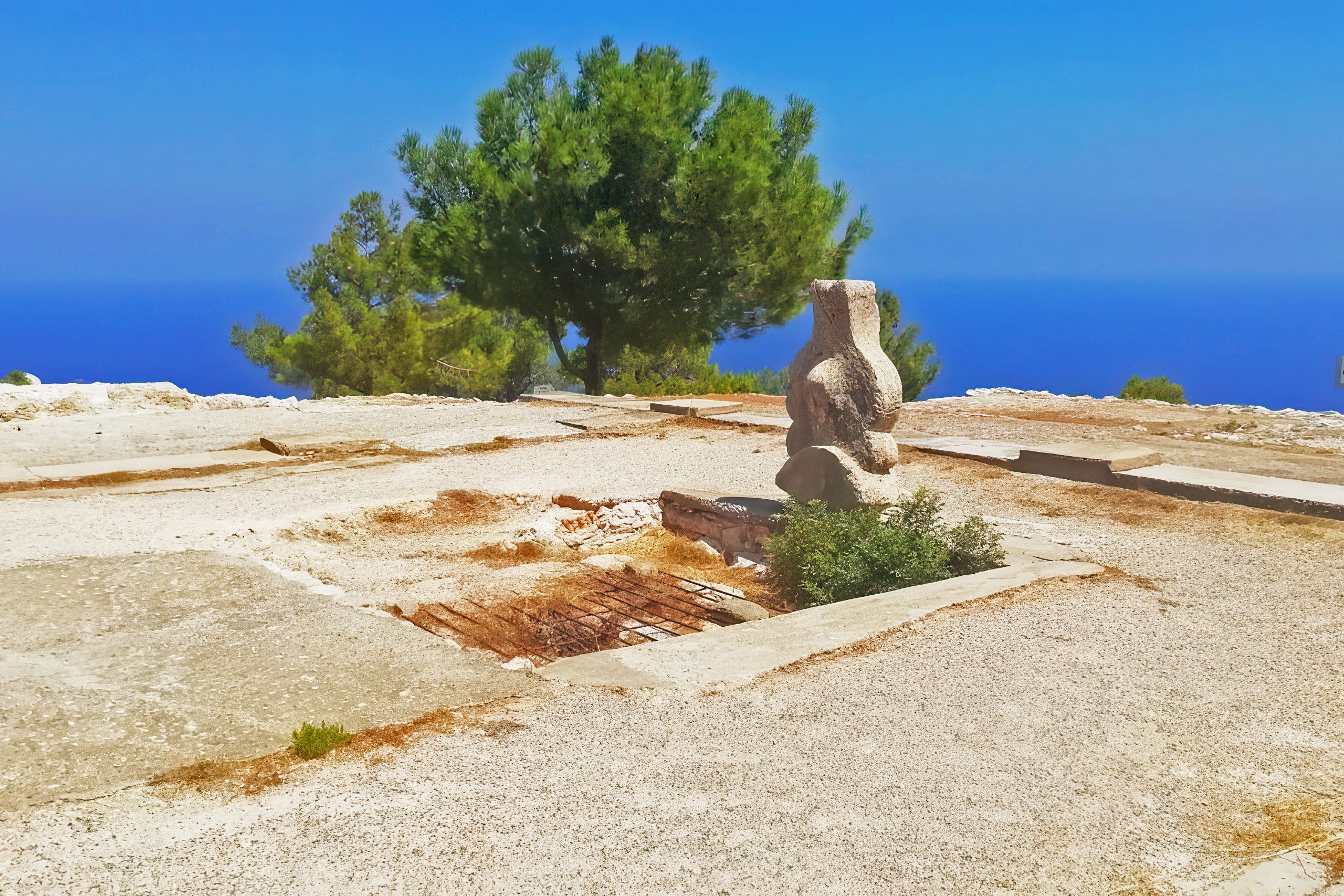
The palace boasted advanced water management for its era. Engineers designed three different types of conduits to carry water throughout the complex. Terracotta pipes and open cemented drains collected rainwater from the roof, while covered drains ran beneath the floors. These underground channels opened into round cemented basins before flowing to storage cisterns. The drainage system carried rainwater from open spaces both inside and outside the palace to washrooms, bathrooms, and storage tanks.
The eastern side of the palace contained most storage facilities, but archaeologists also discovered bathrooms in this section. These baths represent some of the earliest known examples of fully equipped Roman-style bathing facilities, providing valuable insight into ancient hygienic practices.
The Swedish Discovery and Rich Treasures
The Swedish Cyprus Expedition conducted excavations at Vouni from spring 1928 to autumn 1929. Led by archaeologist Einar Gjerstad, the team included Erik Sjöqvist, Alfred Westholm, and architect John Lindros. Their systematic work laid the foundation for understanding all aspects of Cypriot archaeology and established chronologies for the island’s prehistory and early history.
The excavations revealed that Vouni was a palace of extraordinary wealth and luxury. Among the most spectacular discoveries were the Vouni Treasures, which provided crucial evidence about life in the palace. Archaeologists found a baked clay cup blackened by the fire that destroyed the complex, offering a haunting reminder of the palace’s violent end.
The treasure trove included magnificent gold bracelets that rank among the finest known examples of Persian goldwork. Workers also uncovered ornate silver cups and bowls that demonstrated the sophisticated tastes of the Cypriot elite for luxuries from the Achaemenid court. The monetary component of the treasure comprised 248 silver coins, almost all minted in Cyprus, plus four Persian darics. These coins bore stamps from various Cypriot city kingdoms including Marion, Kiton, Lapithos, and Paphos.
Stone sculptures found at the site included the famous Vouni head, crowned by a diadem decorated with relief ornaments showing rosettes and dancing figures, bordered by traditional wave patterns. Another important discovery was a life-size statue of a young woman in the Ionian-Greek style, standing with her left leg forward, dressed in traditional garments.
Excavators also found terracotta sculptures, jewelry including earrings, various pottery items such as bowls and jugs, tools like spindle whorls and loom weights, and an incense burner. The abundance of weapons and military dedications, particularly arrowheads from the late sixth to early fourth century BC, has led some scholars to suggest the palace may have served military functions throughout its existence.
The Mysterious End After Just 120 Years
The palace’s history lasted only about 120 years, a remarkably brief period for such an elaborate complex. In 391 BC, Evagoras seized control of the kingdom of Salamis and attempted to extend his power across the entire island. Several cities, including Soli, asked the Persians for help to fight against Evagoras. With Persian assistance, Soli regained its political strength.
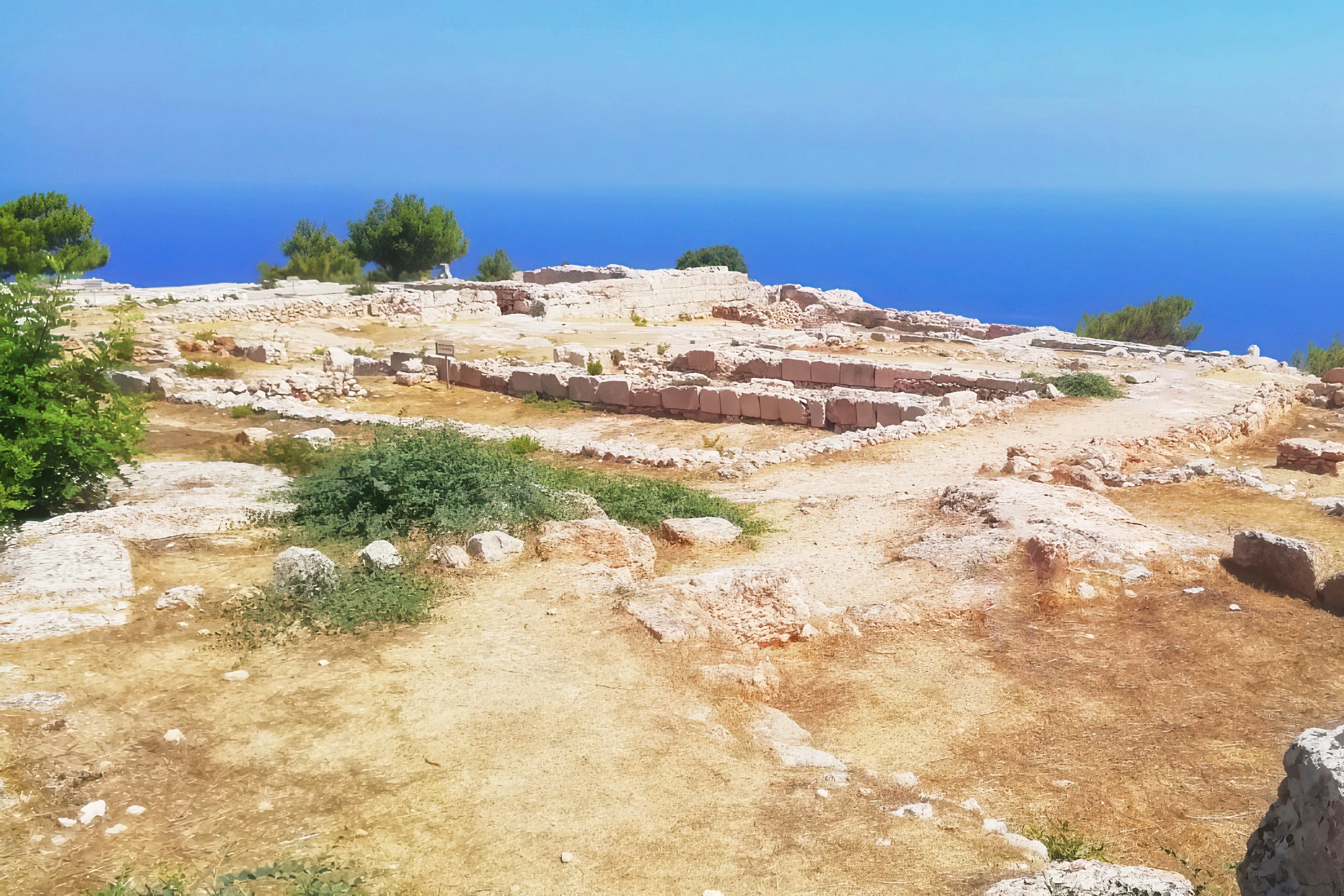
In 380 BC, disaster struck. The palace was destroyed by fire in circumstances that remain mysterious. The inhabitants evacuated, and the site was abandoned. Historical documents reveal that people from Soli later returned to further destroy the foundations, eliminating what they saw as a continuing threat to their city.
The exact cause of the fire and the reason for the evacuation continue to puzzle historians. Some scholars suggest the destruction occurred during conflicts between Greek city-states and Persian-backed rulers. Others point to the timing coinciding with the razing of nearby Marion, marking the general decline of Persian influence in the region.
What Remains for Modern Visitors
Today, visitors reach Vouni by following a narrow, winding road that climbs steeply up the hill. The ancient name of this settlement remains unknown, as Swedish archaeologists dismissed the theory that these ruins belonged to Aipeia, the predecessor of Soli, since no finds earlier than the fifth century BC were discovered.
The site sits within defensive walls that followed the edge of the plateau and can still be traced for most of their course. Several towers once reinforced these walls, protecting what may have been a small fortified town or, more likely, a royal summer residence.
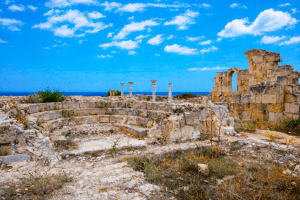
While little stands upright today, the massive blocks of stone from former buildings and rooms create a vivid impression of the palace’s former glory. The layout remains clear enough for visitors to understand the original structure. The ground is uneven, so comfortable walking shoes are essential for exploring the ruins.
Vouni Palace remains an essential stop for anyone interested in understanding how the great powers of the ancient world competed for control of Cyprus. The site demonstrates how architectural styles reflected political allegiances, how wealth and luxury coexisted with military tension, and how a single hilltop could watch over a rival city for more than a century before vanishing in flames. Despite its brief existence, this unique Persian palace in the Greek world left an indelible mark on Cyprus’s archaeological heritage.