Near the town of Morphou in northwestern Cyprus, an artificial hill once rose from the fertile plain where the Ovgos River flows toward the sea. For over 600 years during the Bronze Age, this spot was home to potters who made beautiful ceramics, copper workers who processed metal from nearby mines, and families who buried their dead in tombs cut into the rock. Bulldozers destroyed much of the site before archaeologists could study it, but what they found in three short years changed how we understand Bronze Age Cyprus.
Historical Background
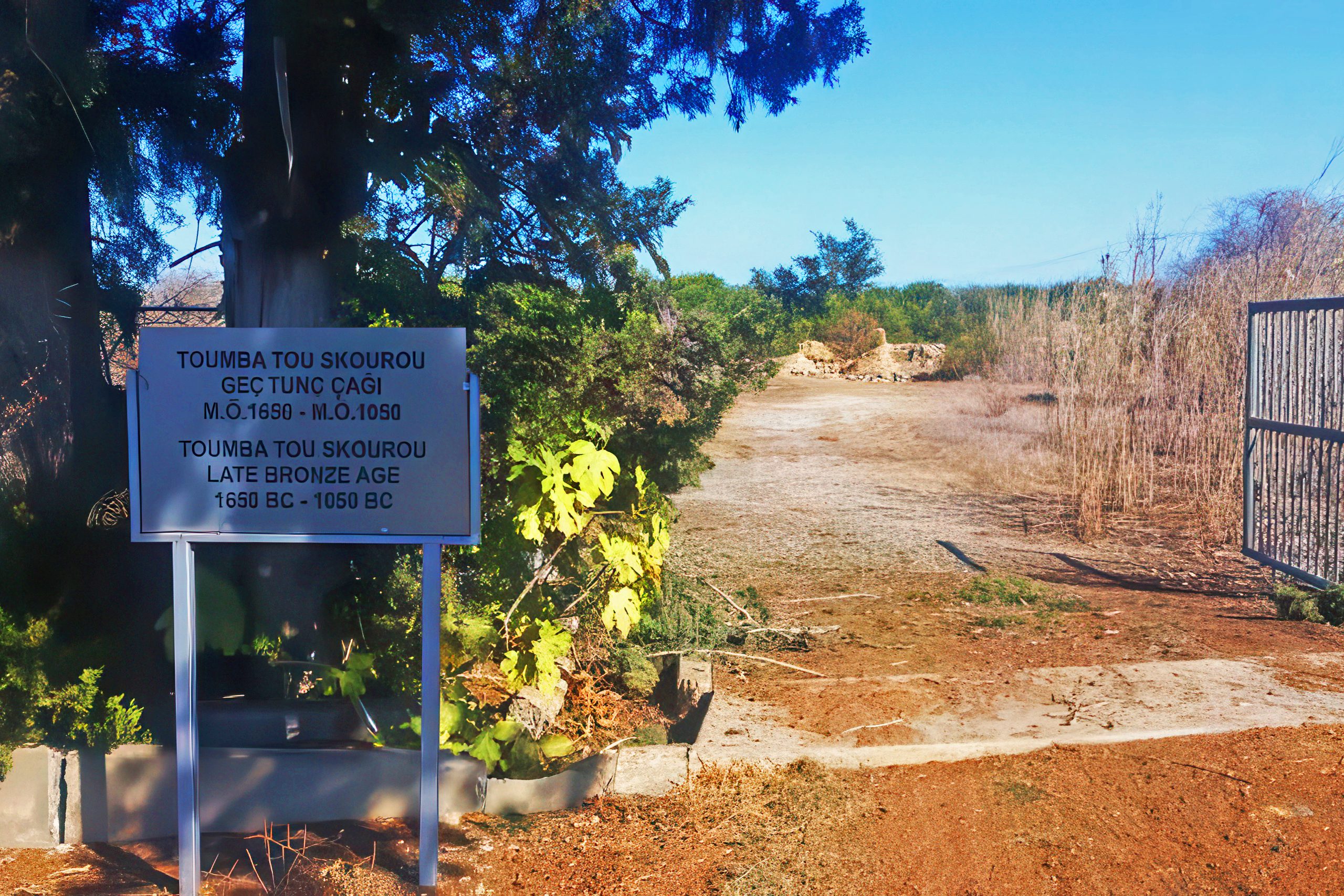
Toumba tou Skourou was a Late Bronze Age settlement and cemetery located 4 kilometers from central Morphou on Cyprus’s northwestern coast. The name means “Mound of Darkness” in Greek, though scholars debate where this unusual name came from. The site consisted of an artificial mound about 10 meters high, 12 meters wide, and 20 meters long, created from the accumulated debris of centuries of human activity.
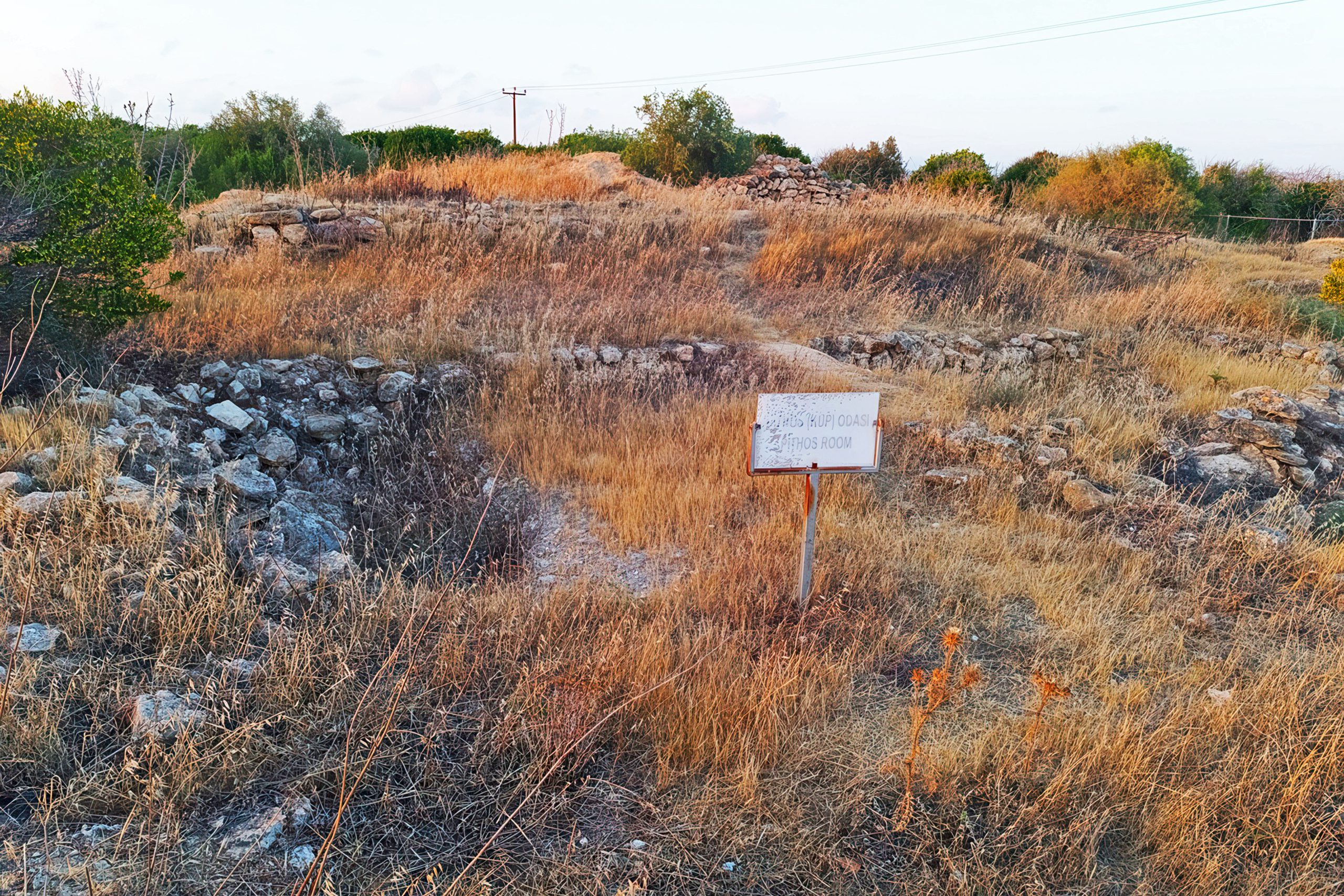
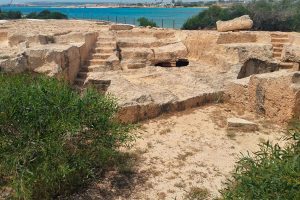
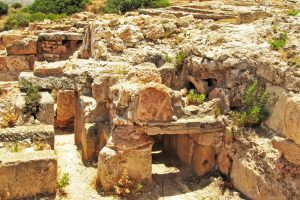
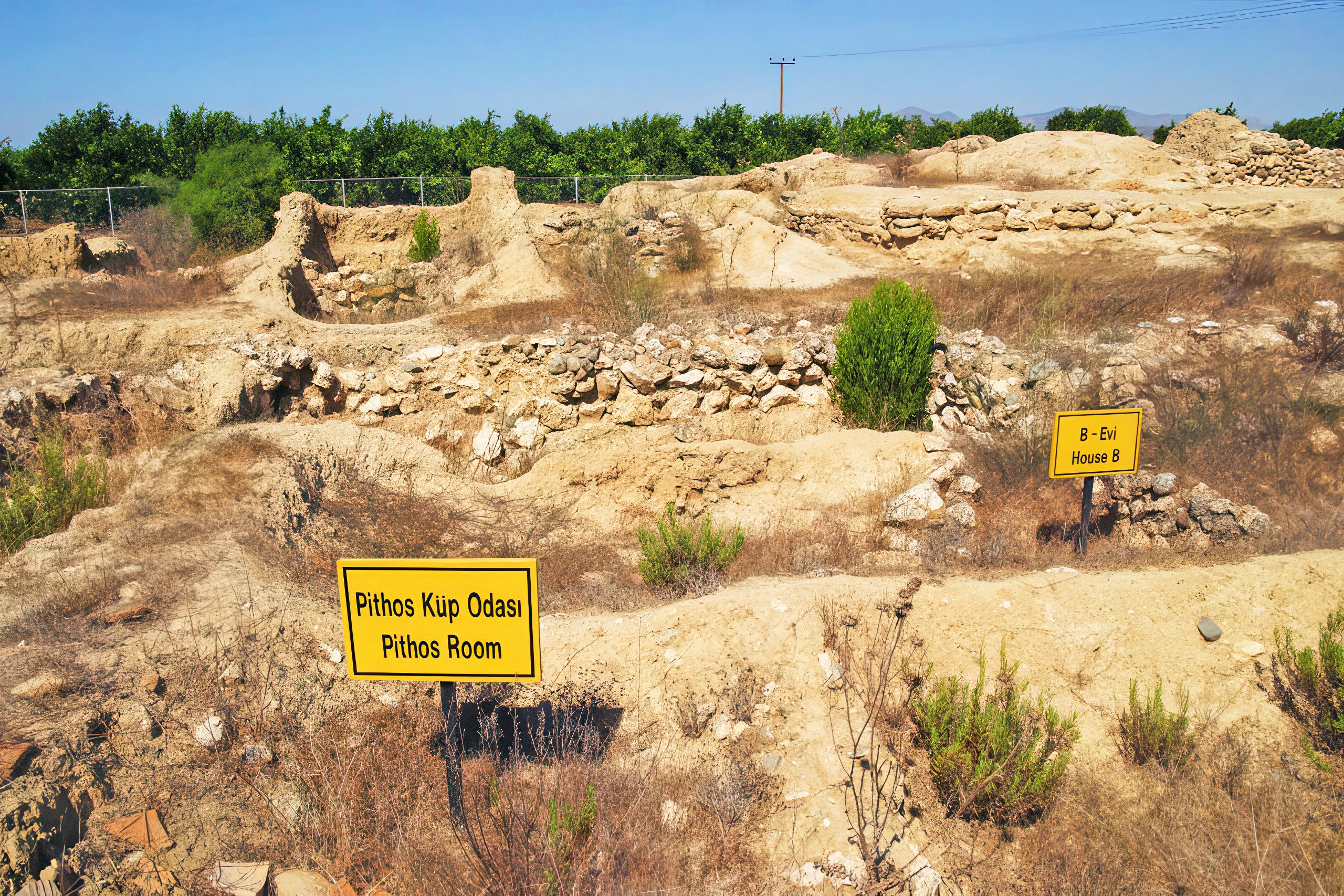
The settlement flourished from the Middle Bronze Age through the Iron Age, roughly 1650 BC to 750 BC. During its peak, Toumba tou Skourou functioned as an industrial center where craftspeople made pottery and processed copper from mines in the nearby Troodos Mountains. The site also contained residential areas, storage buildings with large pithoi (clay jars), and at least six chamber tombs with twelve burial chambers in total.
The Harvard Excavations and Their Sudden End
In 1971, Harvard University and the Museum of Fine Arts Boston launched excavations at Toumba tou Skourou under the direction of Emily Vermeule, a famous classical archaeologist. Vermeule had already made her reputation with work in Greece and was eager to explore Cyprus’s Bronze Age connections to the Aegean world.
The team worked for three seasons from 1971 to 1973. They uncovered pottery workshops, residential buildings, copper processing facilities, and tombs filled with grave goods. Nearly 2,000 photographs and drawings documented their findings. The work revealed how this small coastal settlement fit into larger trade networks between Cyprus, Crete, and mainland Greece.
But tragedy struck in 1974 when Turkey invaded Cyprus. The political crisis forced excavations to stop immediately. Vermeule and her team left Cyprus and never returned to the site. Much of what they had uncovered remained only partially studied. The definitive publication of their work didn’t appear until 1990, nearly 20 years after the excavations began.
What Was Lost Before Archaeology
The real tragedy at Toumba tou Skourou happened before archaeologists ever arrived. During the 1960s and early 1970s, landowners in the Morphou area cleared land to plant orange groves. These citrus orchards were profitable, and farmers used bulldozers to level any hills or mounds that interfered with irrigation systems.
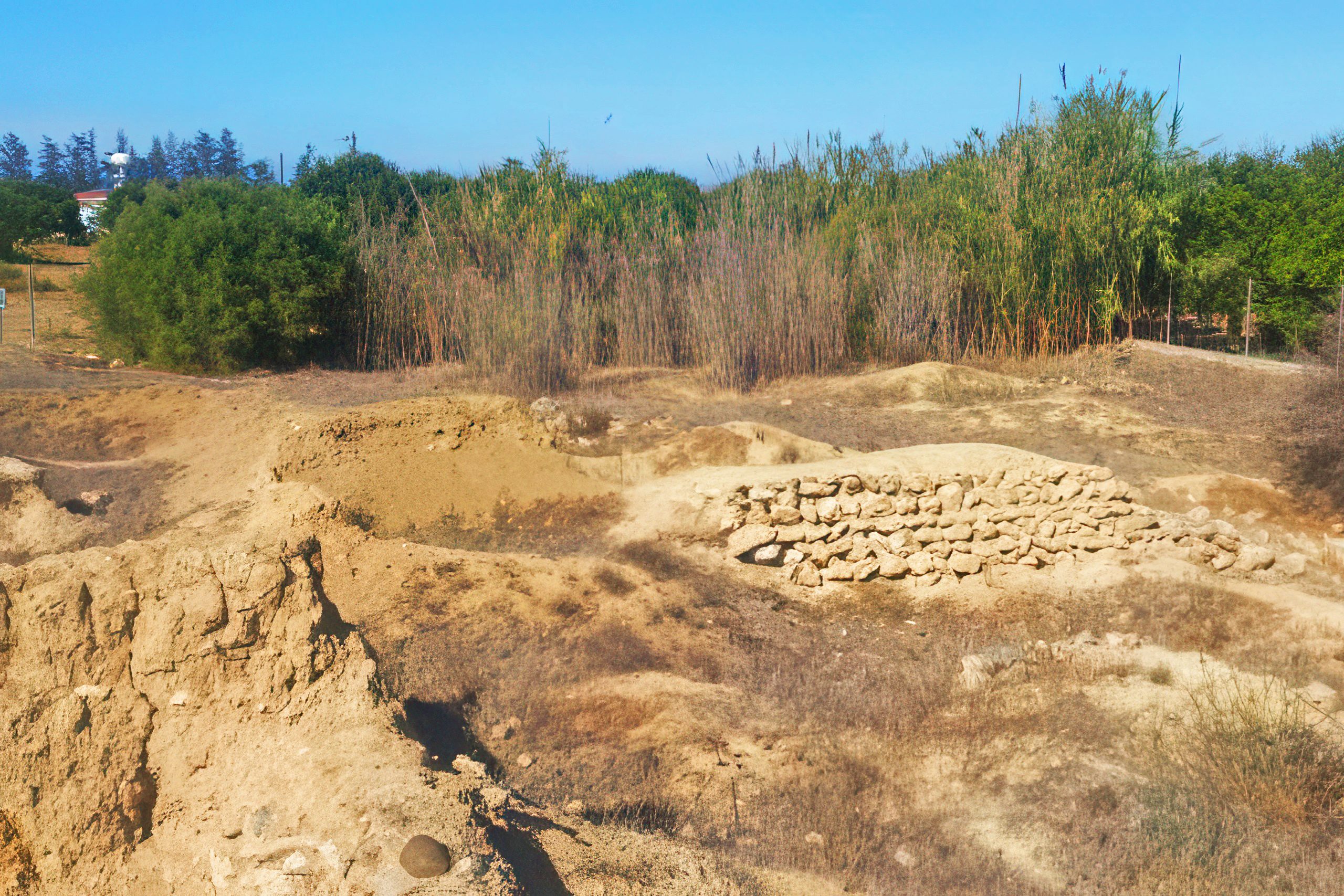
Nobody realized that beneath these hills lay ancient settlements. Bulldozers scraped away the upper layers of Toumba tou Skourou, destroying buildings, streets, and countless artifacts. According to Vermeule’s reports, several mounds that once made up the site complex were completely flattened before excavations could begin.
What archaeologists found was only a small portion of what originally existed. They excavated what remained before more destruction occurred, but they knew they were seeing just a fragment of a much larger Bronze Age town. This makes Toumba tou Skourou both precious and frustrating for scholars studying ancient Cyprus.
The Potter’s Quarter and Ceramic Industries
The excavations revealed that Toumba tou Skourou specialized in pottery production. Workshop areas contained kilns for firing ceramics, storage areas for clay, and spaces where potters shaped vessels on wheels. The sheer quantity of pottery fragments amazed the excavators.
The pottery showed strong connections to other parts of Cyprus and the wider Mediterranean. Local styles called Red Polished Ware, White Slip Ware, and Base Ring Ware were common. But imported pottery from Crete and mainland Greece proved that Toumba tou Skourou participated in long-distance trade networks.
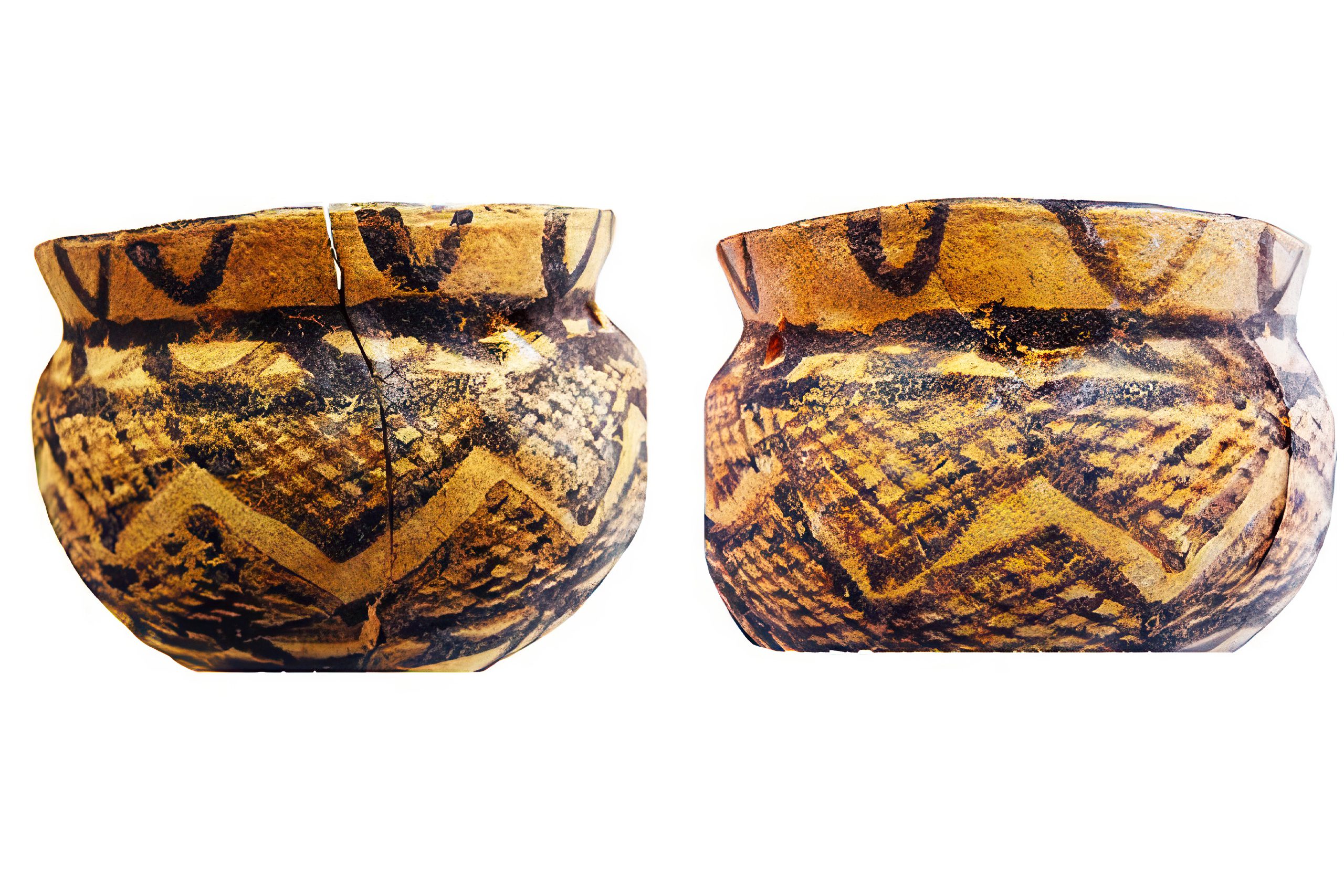
Some of the pottery had unusual decorations. Geometric patterns, parallel lines, wavy designs, and cross-hatched lozenges covered many vessels. The variety of styles suggests that multiple generations of potters worked here, each adding their own touches to traditional designs. The quality ranged from simple utilitarian vessels to fine tableware that would have graced wealthy homes.
The presence of both plain cooking pots and decorated serving vessels tells us about daily life. Families cooked stews in plain pots, served food in painted bowls, and stored grain and oil in large storage jars. This pottery wasn’t just made for export but also for local use.
Why Toumba tou Skourou Matters to Archaeology
Despite the destruction caused by bulldozers, Toumba tou Skourou remains important for several reasons. First, it provides evidence about northwestern Cyprus during the Bronze Age, a region that received less archaeological attention than eastern and southern sites like Enkomi and Kition.
Second, the pottery from Toumba tou Skourou helped archaeologists refine their dating systems for Bronze Age Cyprus. The careful documentation of pottery styles in different layers allowed scholars to create more precise chronologies. This work continues to influence how archaeologists date other Cypriot sites.
Third, the site demonstrates connections between Cyprus and the Aegean world, especially Crete. The presence of imported pottery and local imitations of foreign styles shows how Bronze Age Cyprus participated in Mediterranean-wide cultural exchanges.
Finally, Toumba tou Skourou represents the type of medium-sized settlement that was typical across Bronze Age Cyprus. While major centers like Enkomi get most attention, smaller towns like Toumba tou Skourou were where most people actually lived and worked.
The Site Today and Its Uncertain Future
After 1974, no further excavations occurred at Toumba tou Skourou. The site is located in the northern part of Cyprus and falls under Turkish Cypriot administration. Political complications make new archaeological work difficult.
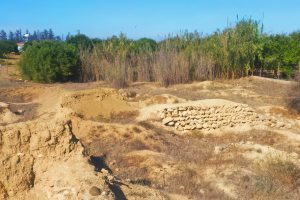
The orange groves that destroyed parts of the site still exist. What remains of the ancient settlement lies beneath agricultural land that continues to be farmed. There are no visible ruins for visitors to see, and the site is not developed for tourism.
The artifacts excavated by Harvard are divided between the Cyprus Museum in Nicosia and collections in the United States. The massive publication by Vermeule and Wolsky in 1990 documents everything found during the excavations, but this book is expensive and hard to find outside major university libraries.
For archaeologists who study Bronze Age Cyprus, Toumba tou Skourou exists primarily through published reports, photographs, and the objects stored in museums. The physical site itself remains largely inaccessible and unprotected.
A Settlement Lost and Partially Recovered
Toumba tou Skourou matters because it shows us a Bronze Age community that lived between the great centers of power. These weren’t kings or palace officials but craftspeople, farmers, and traders who made a living through pottery, copper processing, and agriculture. Their tombs show they had wealth and connections but also reveal the everyday details of how families lived and died.
The settlement’s destruction before full excavation makes it bittersweet. We can see enough to know something important existed here, but we’ll never know the full story. The buildings that were bulldozed might have contained palace archives, temples with inscriptions, or workshops that would have revolutionized our understanding of Bronze Age Cyprus.
What remains in museums and publications preserves a fragment of that lost world. The pottery, the copper tools, the ostrich eggs with their carved decorations, and the 552 vessels from a single tomb all testify to a prosperous community that thrived for centuries on the shores of Morphou Bay. They left their mark in the archaeological record even though modern development tried to erase them completely.