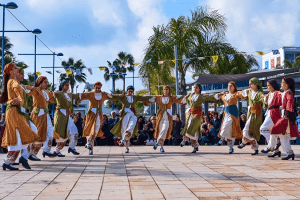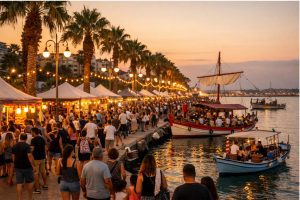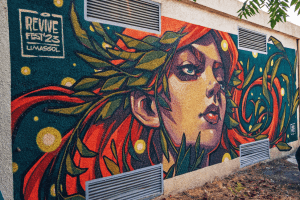
Cyprus is often described through its beaches and ancient monuments, but some of the island’s most revealing cultural moments happen in public streets, squares, and parks. Across cities and towns, music spills into old neighbourhoods, walls become canvases, and everyday spaces are temporarily reshaped by performance and visual art. Street arts and music festivals offer a direct way to experience modern Cypriot creativity as it is lived, shared, and shaped in real time. Rather than separating culture from daily life, these events place it exactly where people already are.
- When the City Itself Becomes the Venue
- From Traditional Gatherings to Contemporary Festivals
- What These Festivals Share, Despite Their Differences
- Creative Clusters That Shape the Island’s Energy
- Street Art as Part of the Urban Conversation
- Why Festivals Leave a Lasting Mark
- Where to Experience This Side of Cyprus
- How It Tends to Feel on the Ground
- Why This Matters for Understanding Cyprus Today
When the City Itself Becomes the Venue
What distinguishes Cyprus’s street arts and music festivals is not scale, but placement. Performances rarely stay confined to formal halls. Instead, they unfold across pedestrian streets, municipal gardens, historic squares, waterfront paths, and occasionally repurposed industrial sites. The city is not just a backdrop. It is part of the performance.
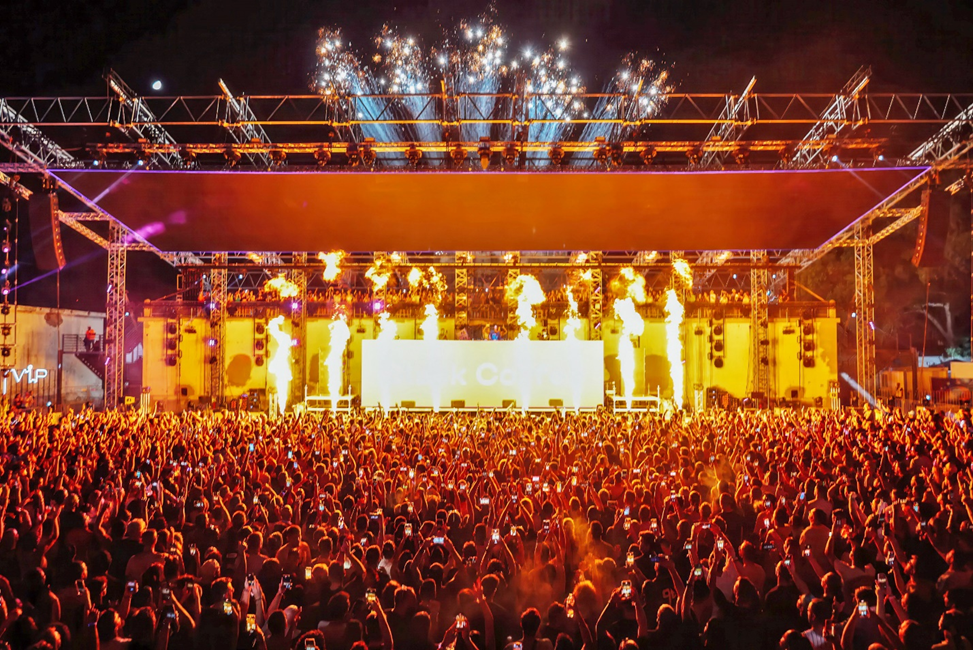
This approach changes how people experience art. Audiences do not arrive, sit, and leave. They move, pause, follow sound, and discover things unintentionally. A concert might lead into a street theatre scene. A mural might become the focal point of a gathering. Culture becomes something encountered rather than scheduled.
From Traditional Gatherings to Contemporary Festivals
Public celebration has long been part of Cypriot life. Village festivals, religious feast days, and seasonal events once structured how communities gathered. In recent decades, that tradition has expanded into a more contemporary festival culture shaped by independent organisers, municipalities, cultural foundations, and artist collectives.
What makes this evolution distinctive is how little separation there is between heritage and modern expression. Contemporary music, performance art, and large-scale murals are frequently placed within historic settings. Medieval streets host electronic soundscapes. Old neighbourhoods frame modern visual narratives. Rather than feeling contradictory, this layering reflects Cyprus itself, an island where continuity and change coexist naturally.
What These Festivals Share, Despite Their Differences
Although Cyprus’s festivals vary in size and focus, they tend to share a few defining traits.
First, they spread across space rather than concentrating in one location. Audiences are encouraged to walk, explore, and drift between experiences.
Second, they mix disciplines freely. Music, theatre, visual art, installations, and workshops often coexist within the same event, creating an environment rather than a single program.
Third, they are designed to be open. Many are free or low-cost, family-friendly, and multilingual by default. Locals, visitors, artists, students, and migrant communities frequently share the same space, with art acting as a common point of connection rather than a barrier.
Creative Clusters That Shape the Island’s Energy
Instead of one dominant festival scene, Cyprus has developed several creative clusters, each with its own character.
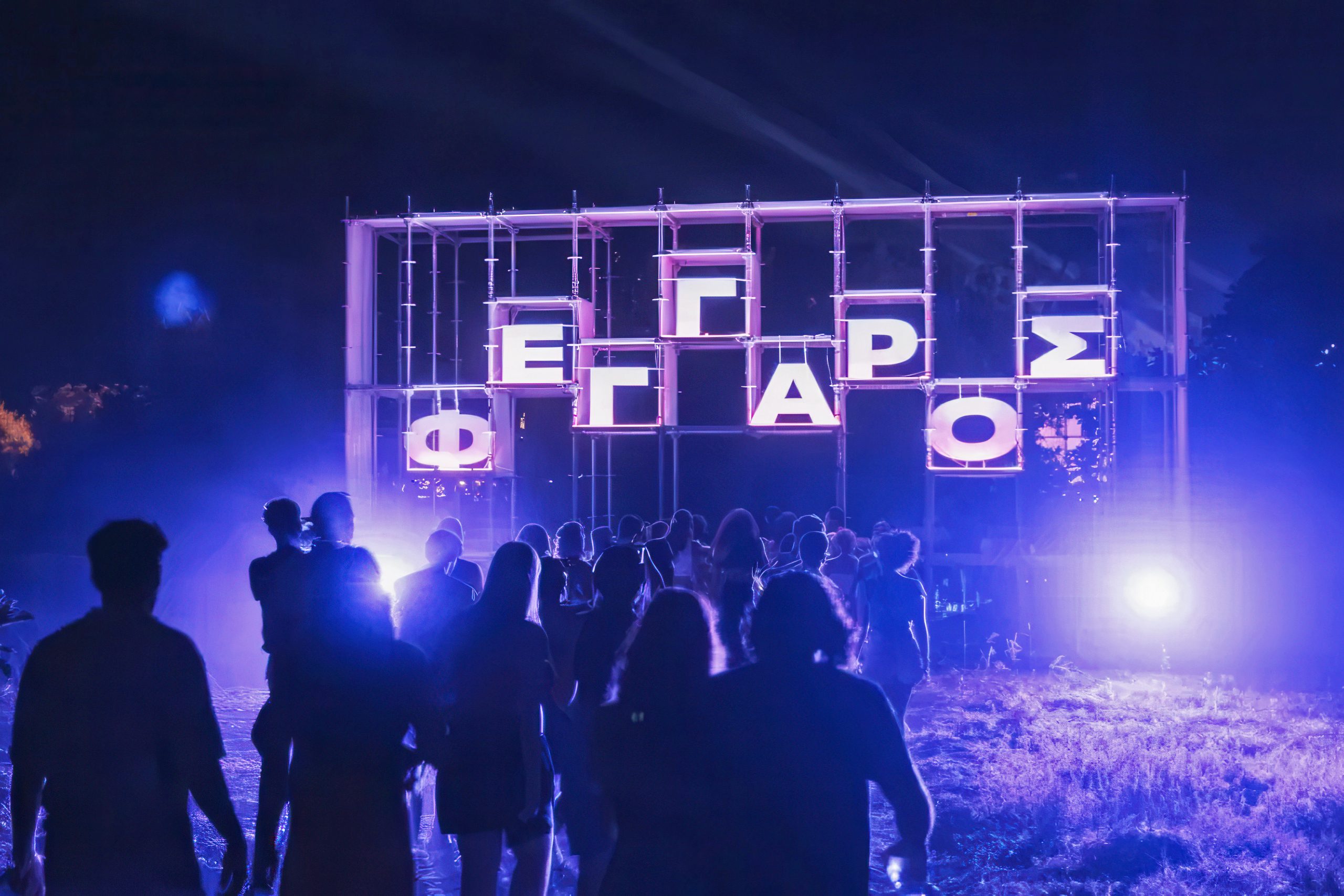
In villages and smaller towns, independent music festivals have played a major role in building a local creative identity. Fengaros Festival, often cited as a turning point for Cyprus’s independent music culture, s known for its distinctive village-based roots, integrating performances into rural settings like Kornos to create an atmosphere that feels communal rather than commercial.
In urban centres, particularly Nicosia, festivals frequently reimagine public gardens and historic quarters as temporary cultural zones. Events like ABR Festival (formerly AfroBanana) have successfully reimagined the capital’s city centre, showing how encouraging residents to see familiar places differently.
Limassol has become a hub for large-scale electronic music events like Beonix Festival, which utilizes repurposed industrial sites like ETKO near the port. The reuse of these sites adds atmosphere and gives performances a sense of place that cannot be replicated elsewhere.
Alongside these, Cyprus also maintains a quieter but significant tradition of classical and chamber music festivals held in heritage venues. Their presence alongside street-level creativity highlights the range of the island’s cultural life rather than dividing it into “high” and “popular” forms.
Street Art as Part of the Urban Conversation
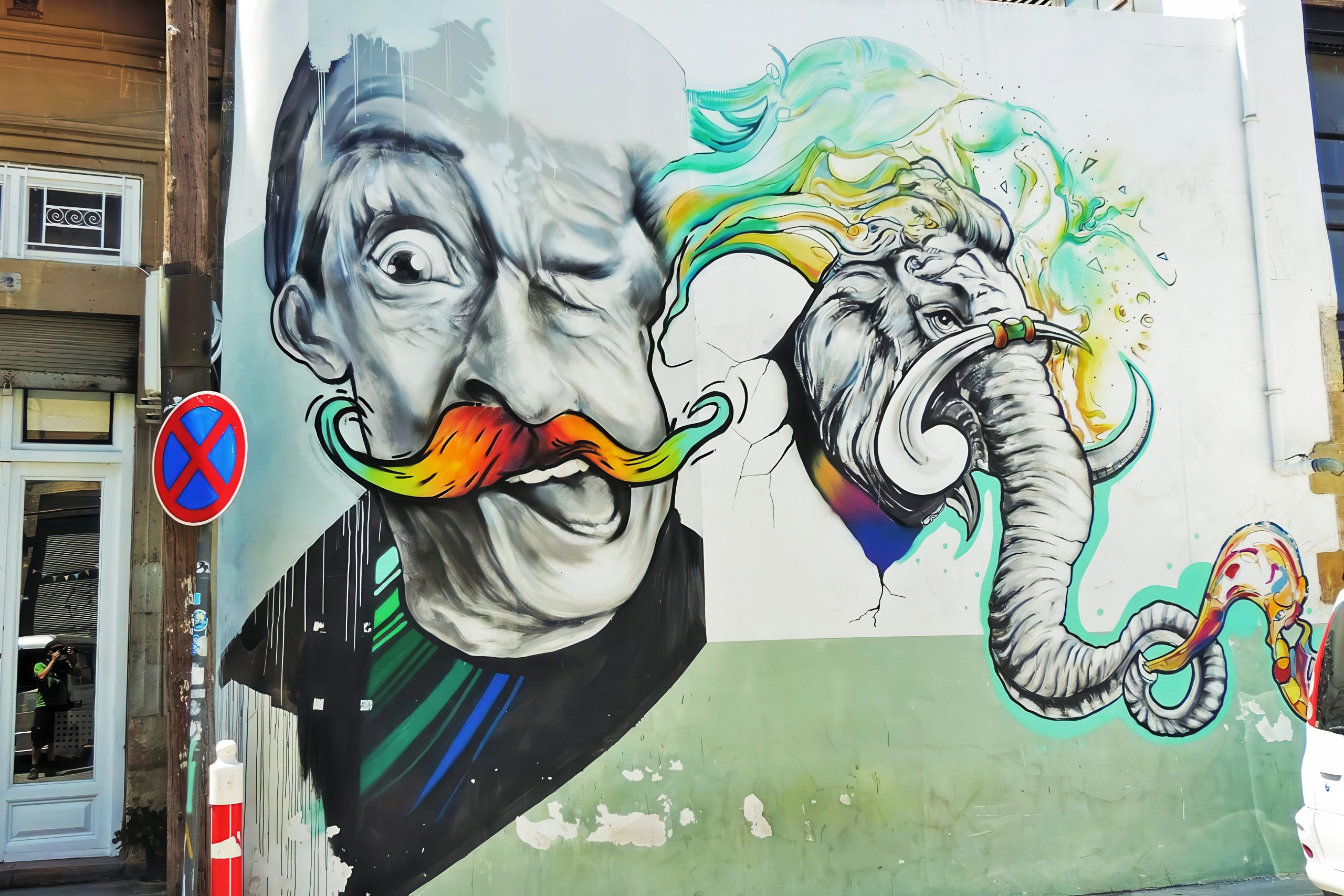
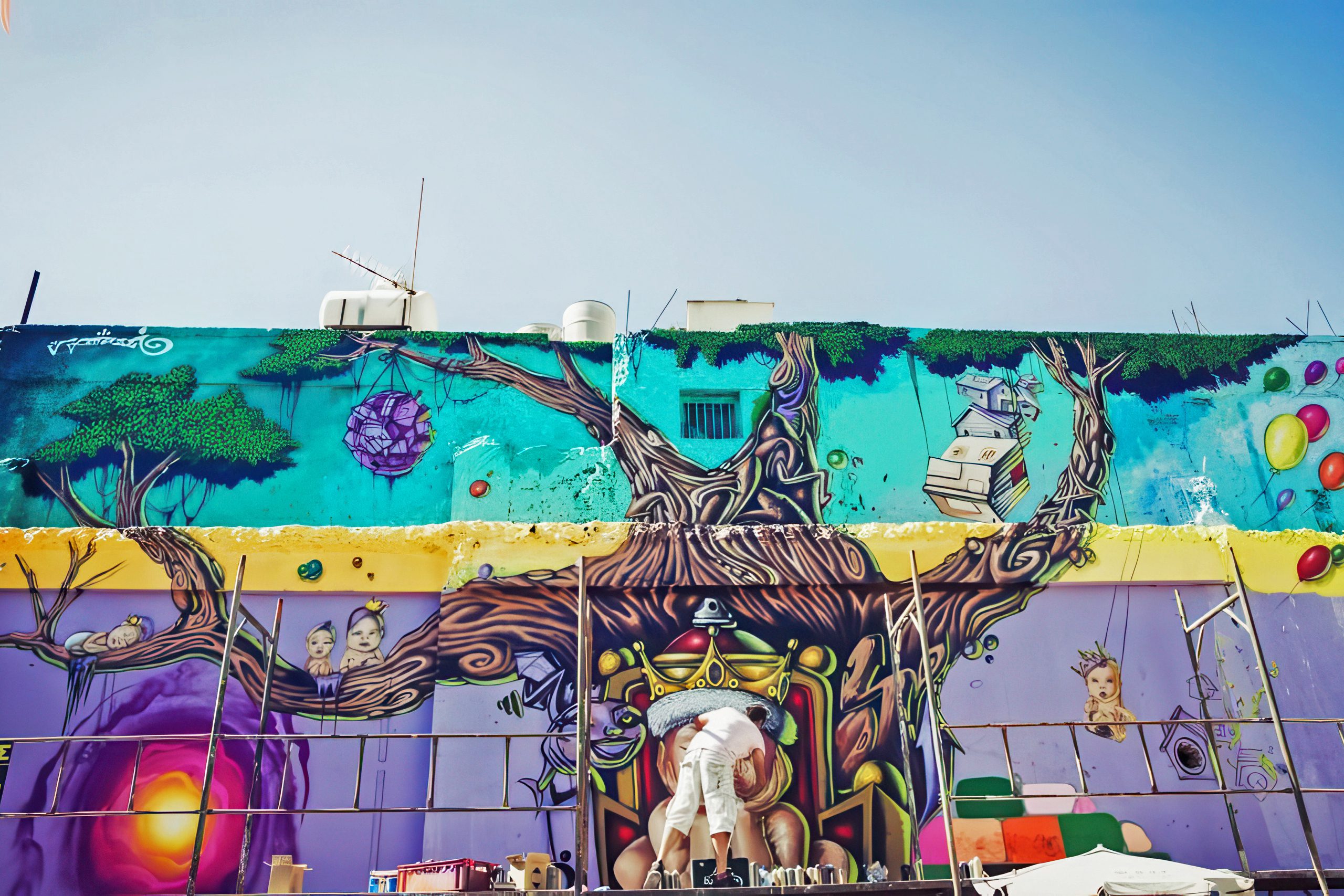
Street art in Cyprus has shifted from the margins into the mainstream, evolving from an underground practice into a recognised part of the urban landscape. In many cities, murals no longer appear as isolated acts of expression but as coordinated projects that reshape entire neighbourhoods.
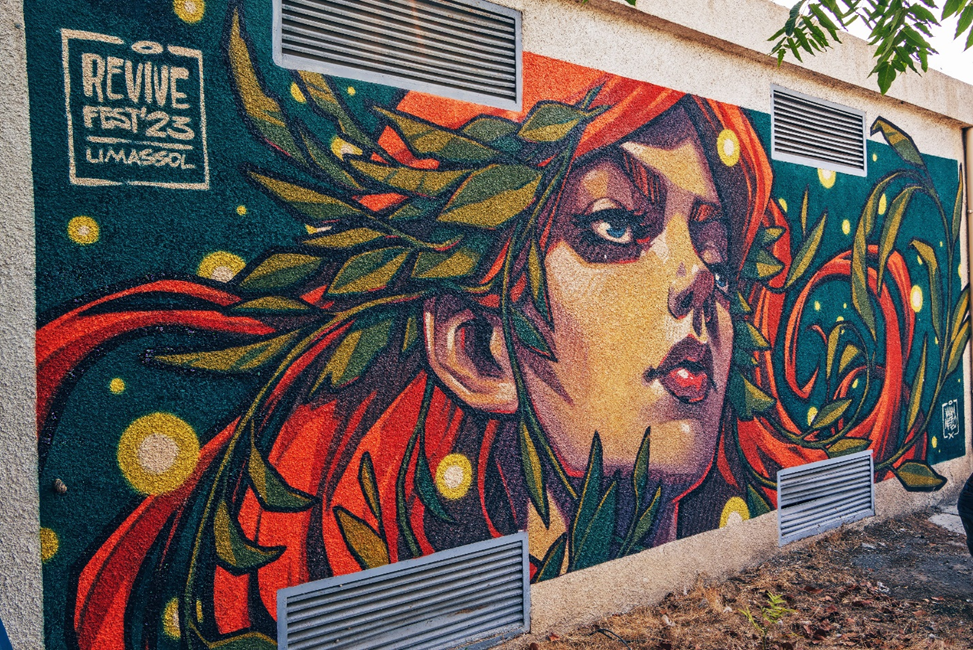
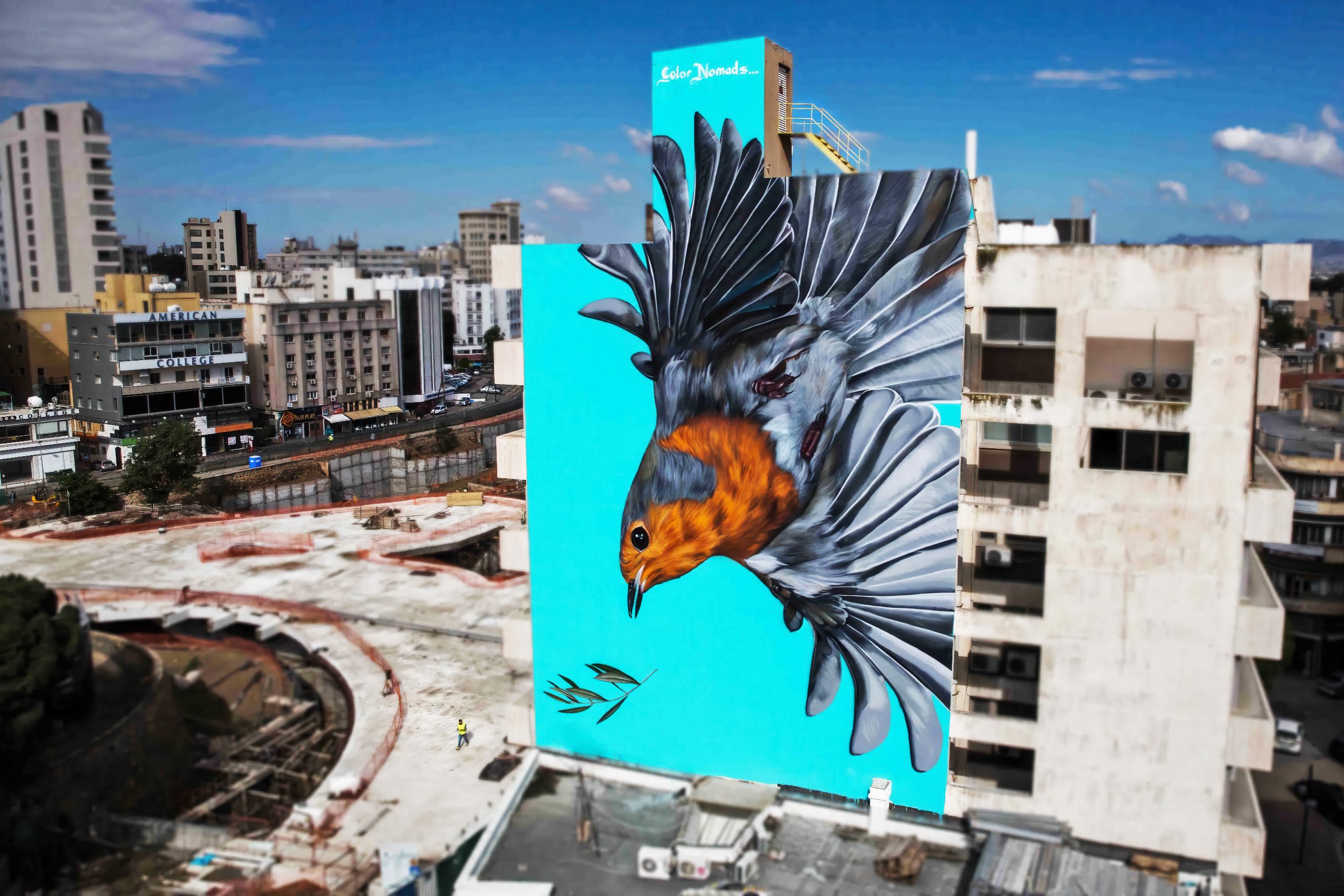
These works often carry layered meanings. Some reflect local history and working-class life, while others explore migration, identity, and the quiet transformations of urban living. In Nicosia, large-scale murals frequently act as social portraits, capturing faces, stories, and symbols that might otherwise remain unseen in everyday city routines. Over time, these visual interventions become landmarks, altering how residents and visitors navigate and interpret a place.
Unlike gallery exhibitions, murals exist in conversation with their surroundings. They weather with the city, fade under the sun, and gather new meanings as people pass by. In this way, street art becomes part of the living memory of the city rather than a static artwork.
Why Festivals Leave a Lasting Mark
Festivals concentrate attention in ways daily life rarely allows. For a brief period, a city becomes aware of itself as a creative space. Streets turn into stages, walls into galleries, and parks into shared living rooms. Even after the music fades and temporary structures are removed, the impact lingers.
Murals remain as permanent reminders. Public squares feel reimagined, no longer just transit points but potential gathering spaces. Residents carry memories of unexpected performances and spontaneous encounters. Visitors leave with a sense that creativity is woven into everyday Cypriot life, not confined to formal institutions.
Beyond entertainment, these festivals foster cultural confidence. They demonstrate that artistic expression is produced locally, reflecting Cypriot experiences rather than imported trends. They create shared moments across languages, generations, and backgrounds, allowing art to function as a social bridge rather than a cultural gatekeeper.
Where to Experience This Side of Cyprus
For those interested in experiencing street-level culture, several locations stand out across the island.
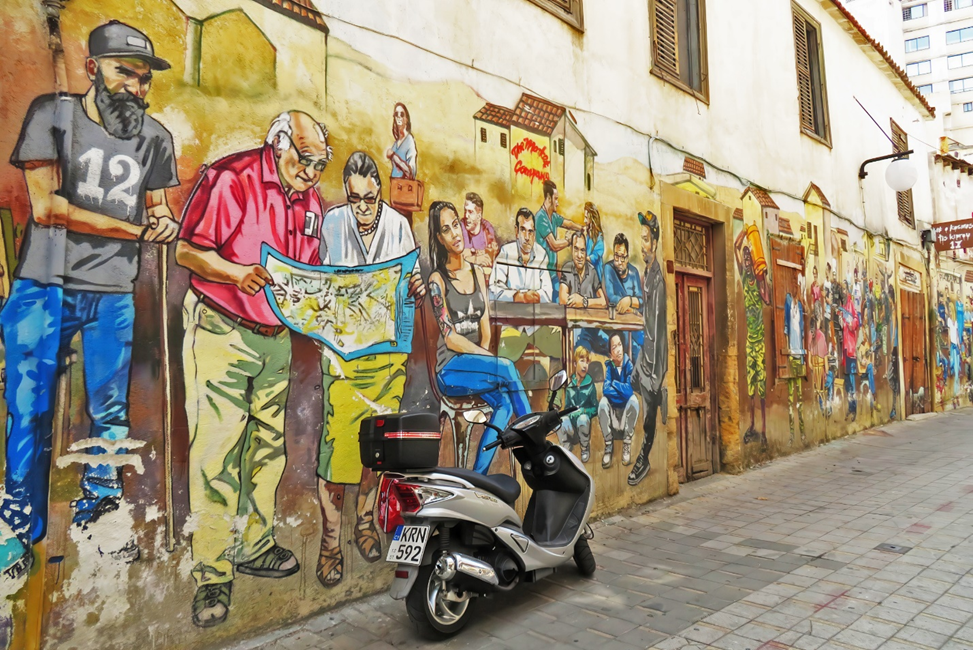
Nicosia offers the most experimental and community-driven atmosphere, with events spread across the old town, municipal gardens, and neighbourhood streets that feel lived-in and intimate.
Limassol combines waterfront settings with industrial heritage sites and contemporary creative districts, resulting in festivals that feel dynamic and globally connected while still rooted in local identity.
Larnaca often blends performance with coastal life, creating events that feel informal and accessible, where art integrates naturally into relaxed seaside routines.
Paphos balances heritage tourism with emerging public art initiatives, offering a slower-paced festival experience that still reflects the island’s evolving creative landscape.
Each city provides a distinct perspective on how public culture shapes space and community.
How It Tends to Feel on the Ground
Street festivals in Cyprus rarely feel overwhelming or impersonal. The island’s scale keeps events walkable, and the social fabric remains visible. People move easily between performances, stop to talk, share food, and encounter art unexpectedly.
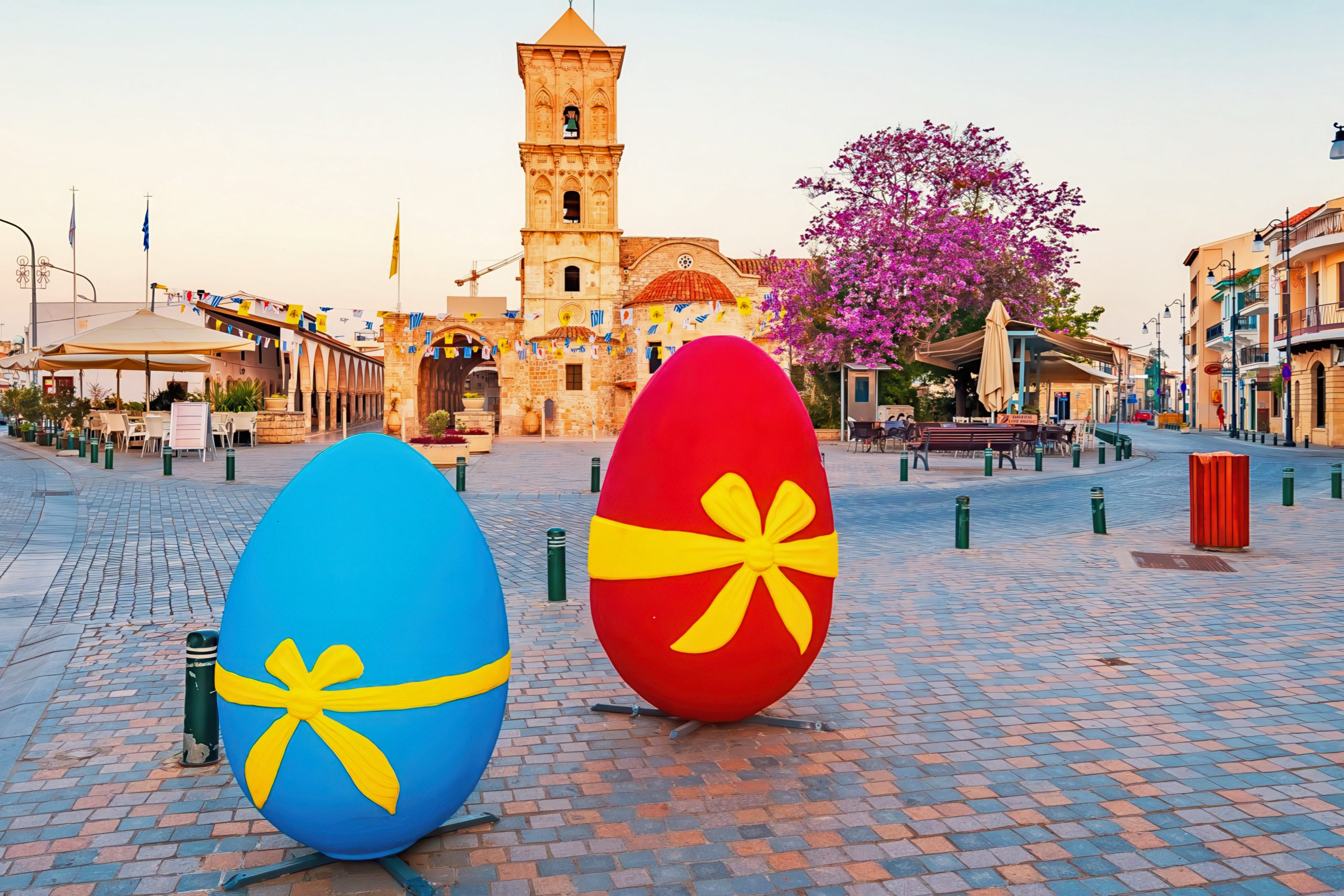
An evening might begin in a historic square, drift into a side street filled with live music, pause in front of a mural illuminated by temporary lights, and end at a small performance that was never on the original program. This sense of discovery is not incidental. It is a defining feature of how public culture operates on the island.
Rather than consuming a scheduled program, participants experience the city itself as a sequence of unfolding moments.
Why This Matters for Understanding Cyprus Today
Street arts and music festivals reveal a contemporary Cyprus that is expressive, confident, and open to dialogue. They show how historical spaces can host modern ideas without losing their significance, and how public culture can remain inclusive rather than curated for a select audience.
If beaches explain Cyprus’s relationship with the sea and archaeological sites explain its past, street festivals explain its present. They show an island narrating its modern identity in shared spaces, through sound, colour, movement, and collective presence.
In these moments, streets become more than routes and walls become more than boundaries. They become platforms for a living culture that continues to evolve, one performance and one mural at a time.