Cyprus experiences four distinct seasons, each with dramatic differences across its varied landscape. The same day that sees snow on Mount Olympus can bring 20-degree sunshine to coastal beaches just an hour away. This climate diversity creates a unique Mediterranean island where visitors can ski in the morning and swim in the afternoon. Understanding these seasonal patterns helps explain both the natural beauty and the agricultural traditions that define Cyprus.
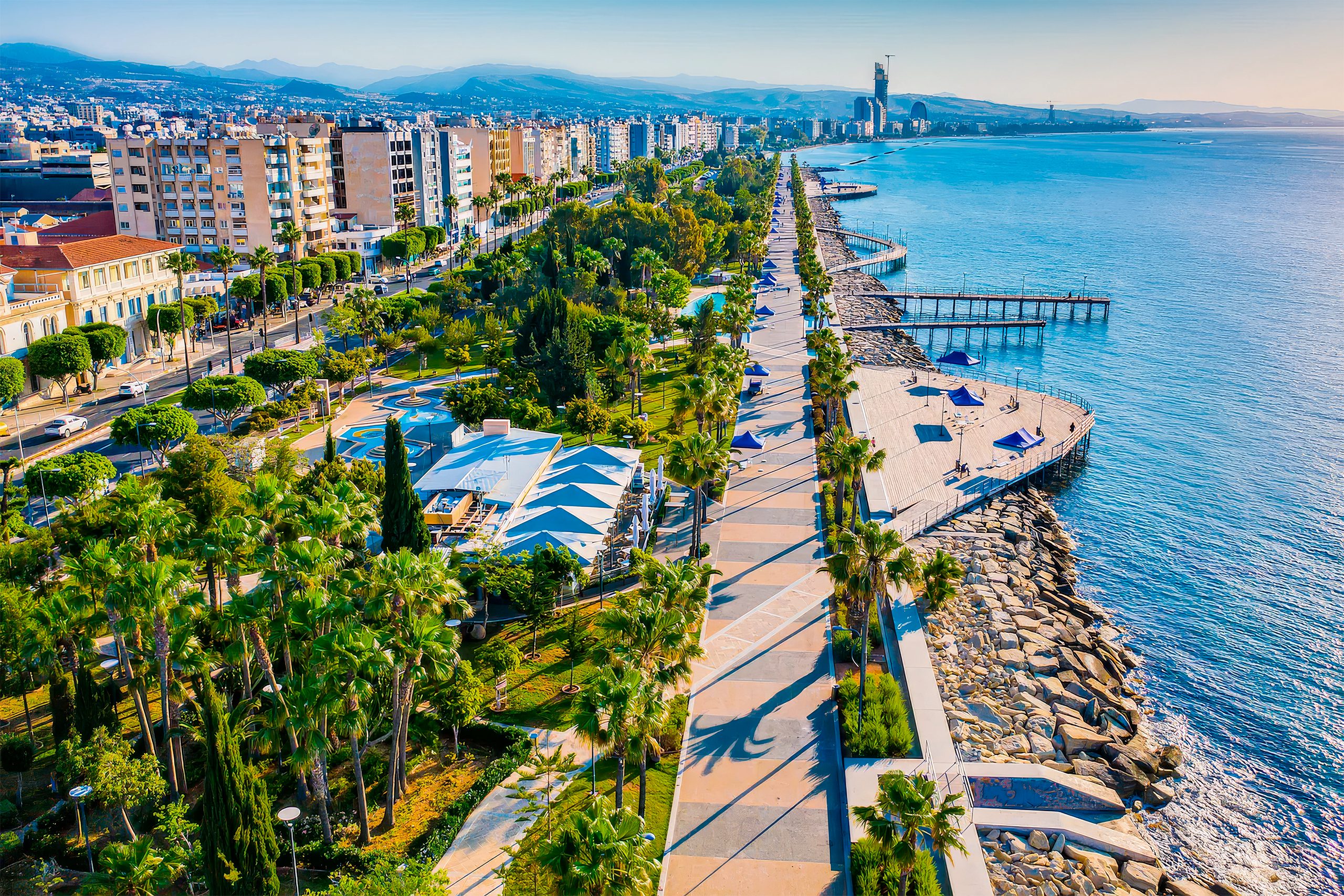
The island enjoys roughly 300 days of sunshine annually, with temperatures influenced heavily by elevation. Coastal areas maintain mild winters and hot summers, while the Troodos Mountains create their own weather patterns. Average annual temperature along the coast reaches 26 degrees Celsius during the day and 17 degrees at night. The warm season lasts eight months, from April through November, making Cyprus one of the warmest locations in the Mediterranean region of the European Union.
Winter and the Unexpected Snow Season
Winter in Cyprus runs from December through February, but coastal residents often consider it autumn by northern European standards. Average temperatures along the coast hover around 16 to 17 degrees Celsius during the day, with nights cooling to 5 to 7 degrees. Rain falls occasionally, concentrated in these winter months which receive about 60 percent of the annual precipitation. Despite the rain, sunshine remains abundant with an average of six hours per day even in December and January.
The mountains tell a completely different story. The Troodos range rises to 1,952 meters at Mount Olympus, high enough to create distinct alpine conditions. Snow typically arrives before Christmas and can persist through April at higher elevations. January and February mark peak snow months, when the Cyprus Ski Club operates four ski slopes on Mount Olympus with functional lifts and ski schools.
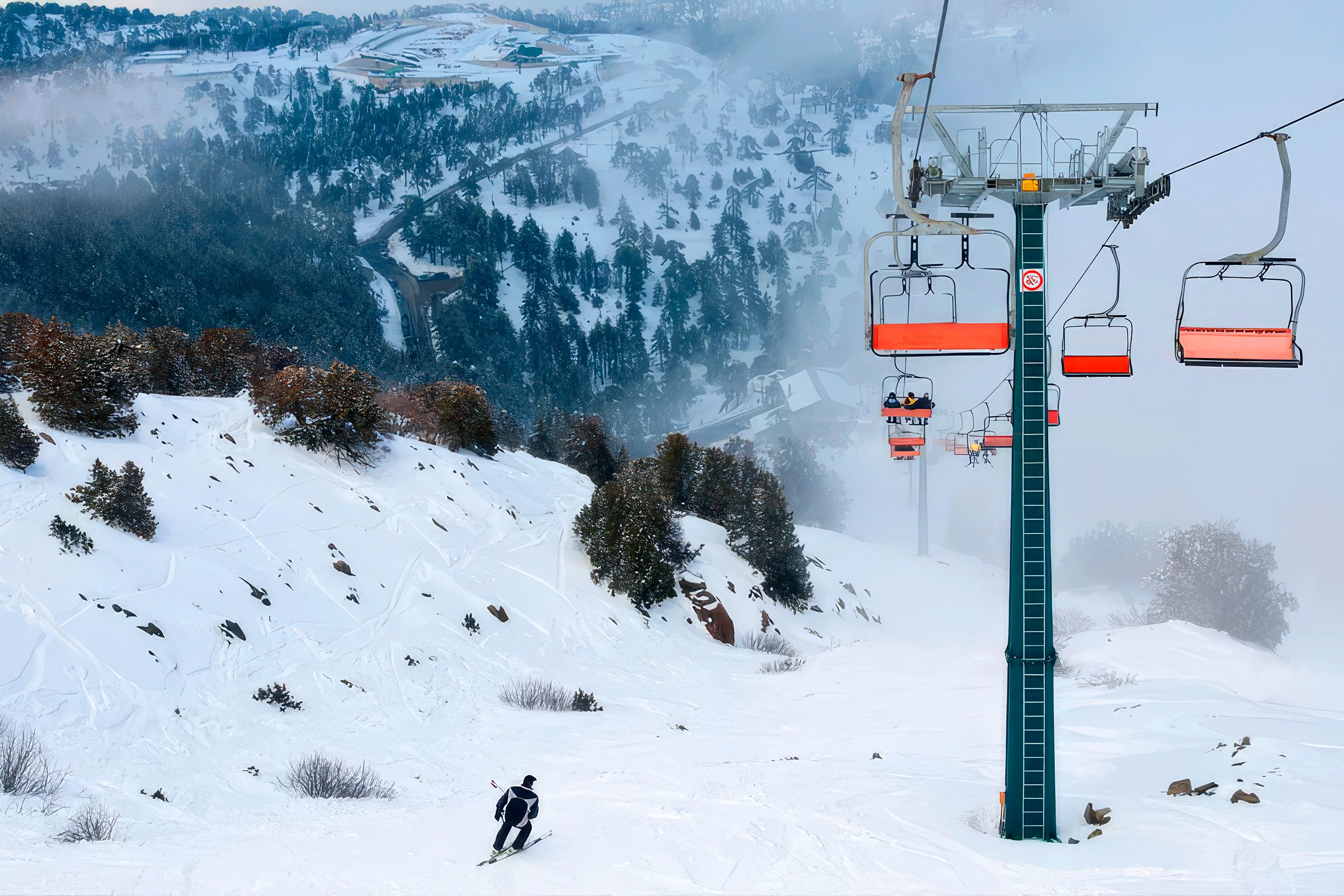
The ski season normally runs from January through March, though snow can arrive as early as December in heavy years. The four main slopes range from beginner runs of 150 meters to the advanced Zeus slope at 500 meters, which starts near the mountain summit at 1,951 meters. Snow conditions vary annually, but mid-January through mid-March typically offers the best conditions. Lifts operate from 9:00 to 16:00 daily during the winter season.
At Prodromos, the highest village in Cyprus at 1,370 meters elevation, January temperatures average 3.5 degrees Celsius. This contrasts sharply with coastal Limassol where the same day might reach 16 degrees. The temperature difference between coast and mountain peaks can exceed 10 degrees, creating the possibility of skiing and swimming on the same day. Visitors often spend mornings on snowy slopes, then drive an hour down through pine forests to reach coastal warmth by afternoon.
Spring Transforms Brown Hills to Green Carpets
Spring arrives early on Cyprus, with the first signs appearing in late February. Orchids begin blooming in January, followed by almond blossoms from mid-February when meadows turn green after winter rains. By March, the countryside explodes with wildflowers. Yellow marigolds and mustard flowers line every roadside. Red poppies blanket fields. Delicate cyclamen, the national flower of Cyprus, appear beneath trees across the island.
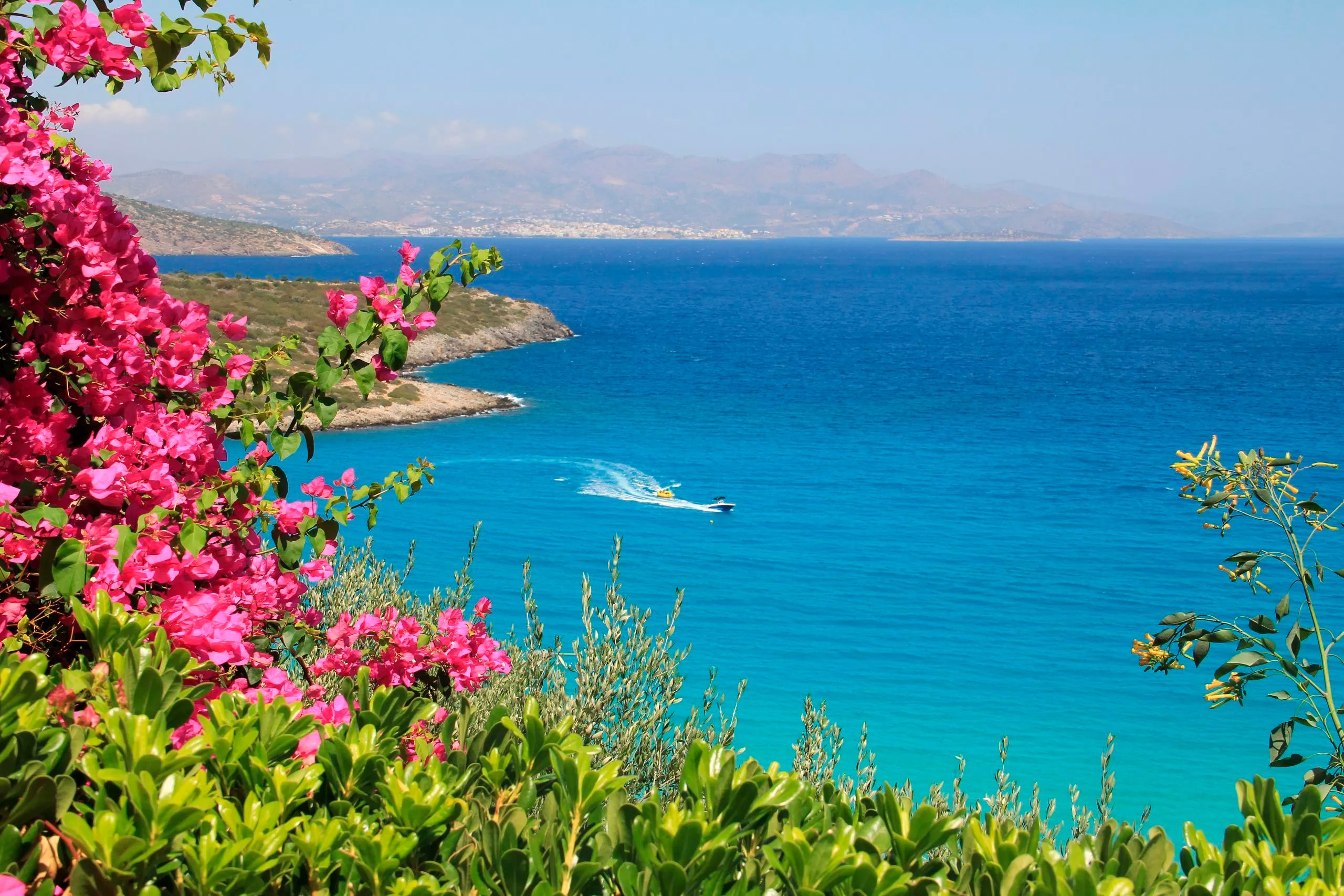
March temperatures range from 7 to 19 degrees Celsius, with about eight hours of sunshine daily. The weather remains changeable with occasional rain, but far less than winter months. The landscape reaches peak beauty as valleys get covered with green carpets and mountain slopes bloom with blue and white flowers. Jasmine and lemon blossoms scent the air while citrus trees display both fragrant flowers and ripening fruit simultaneously.
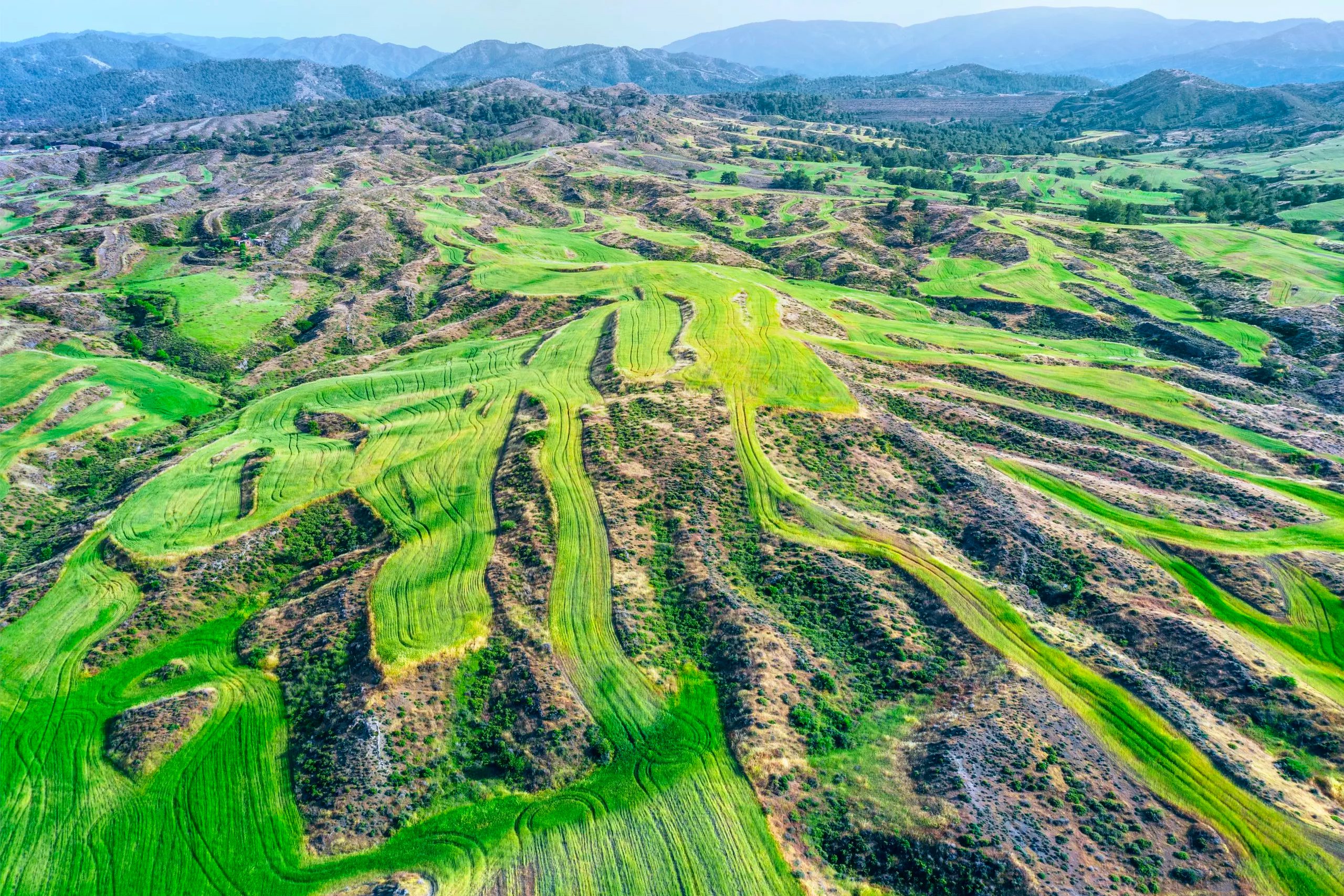
May signals the approach of summer with temperatures climbing to 23 to 28 degrees Celsius. The Mediterranean Sea warms to around 20 degrees, comfortable enough for swimming. Beach season officially begins, particularly in the second half of May. The countryside remains green and blooming, offering ideal conditions for hiking trails like the four-hour Aphrodite trail on the Akamas peninsula. By May, most residents switch from medium duvets to thin ones and stop using heating entirely.
The Long Hot Summer Dominates the Calendar
Summer in Cyprus extends from mid-May through mid-October, dominated by high temperatures and cloudless skies. The island becomes one of the warmest places in the entire Mediterranean. Coastal areas receive an average of 11.5 hours of bright sunshine daily during these six months. From June through August, rainfall becomes virtually nonexistent, with July recording just 1 to 3 millimeters of precipitation for the entire month.
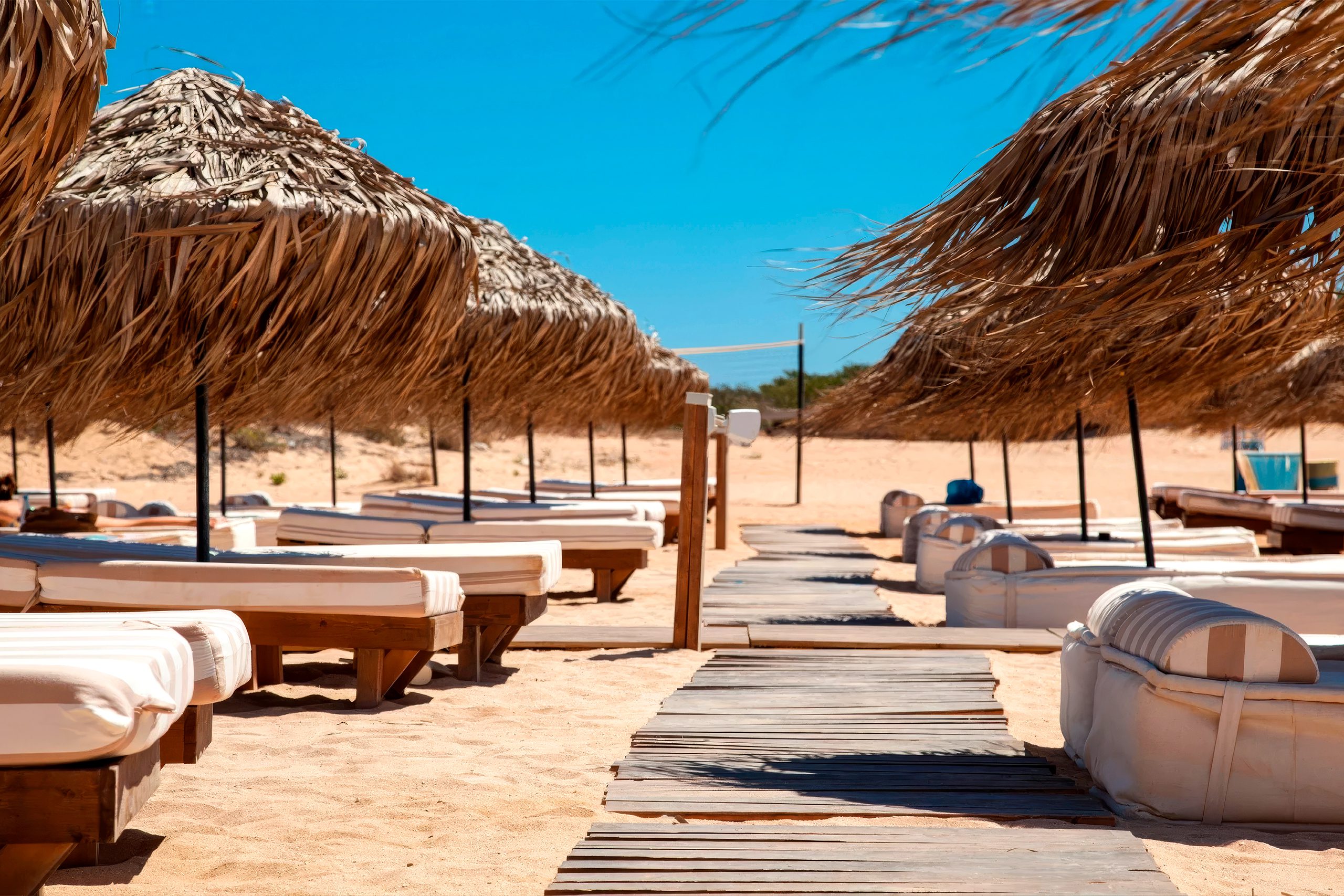
July and August represent the peak heat months. Daily temperatures along the coast range from 30 to 34 degrees Celsius, with 12 to 13 hours of sunshine per day. Inland areas experience more extreme conditions. Nicosia regularly hits 37 to 38 degrees, occasionally exceeding 40 degrees during heat waves from Africa. The record reached 45 degrees in early September 2020, demonstrating the potential intensity of summer heat.
The Troodos Mountains provide crucial relief during summer. While coastal areas swelter at 35 degrees or higher, mountain elevations maintain temperatures around 24 degrees in July and August. Night temperatures drop to comfortable levels, often 10 degrees cooler than daytime peaks. This natural air conditioning makes mountain villages popular summer retreats for residents escaping lowland heat.
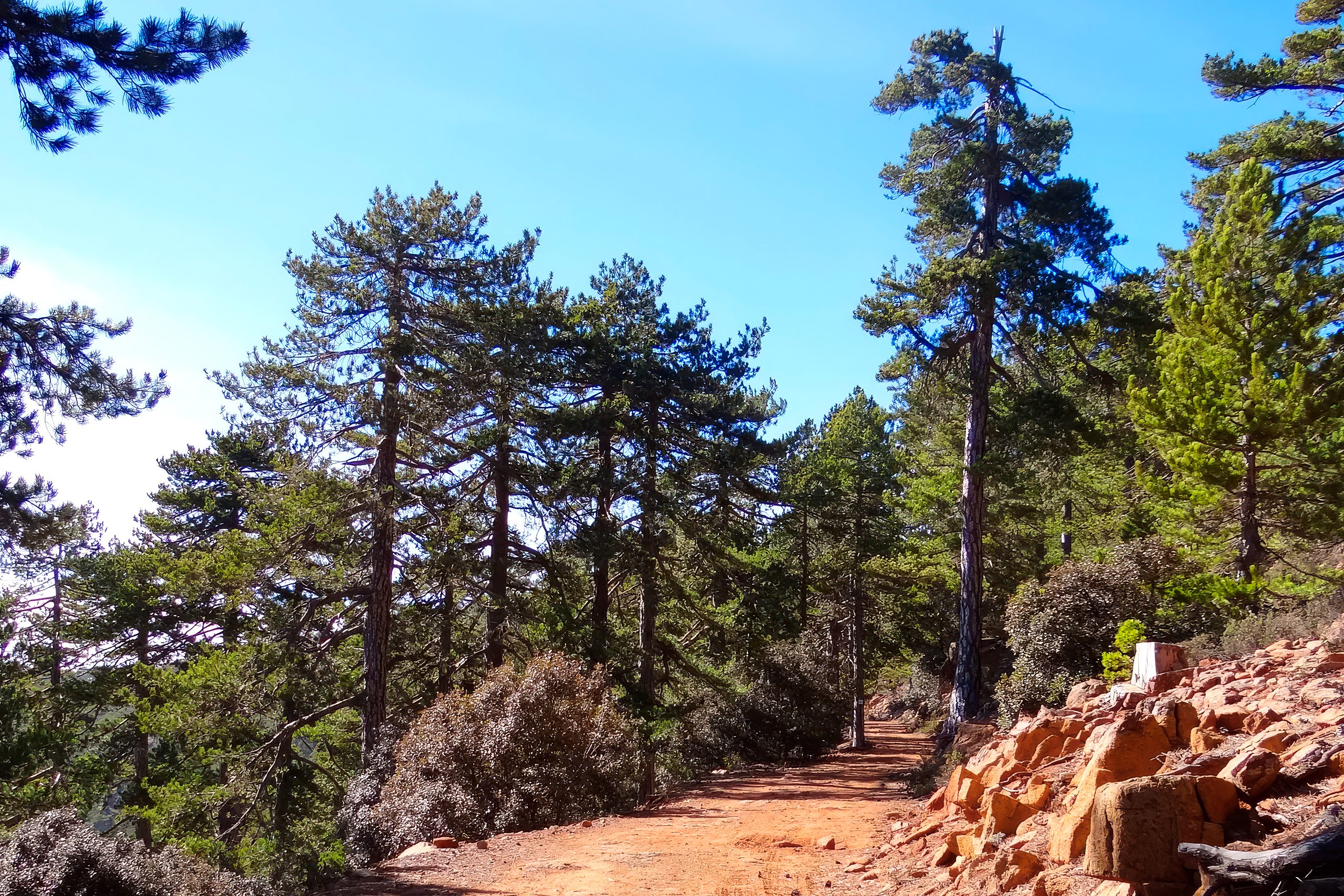
Sea temperatures reach their annual peak in August at 27 to 28 degrees Celsius, perfect for swimming and water sports. The warm Mediterranean remains above 20 degrees from May through November, a span of seven months. Even in June, sea temperatures reach 24 degrees, comfortable for most swimmers. The combination of hot air and warm water makes summer the prime beach season, though the intense heat drives many visitors to choose spring or autumn instead.
Autumn Extends Summer into November
Autumn arrives gradually in Cyprus, with September still feeling like full summer. Temperatures average 31 degrees Celsius at the month’s start, dropping to 26 degrees by month’s end. The sea remains warm at 26 to 27 degrees, ideal for swimming. Sunshine averages 10 hours daily. This velvet season combines warm weather with reduced tourist crowds, making it popular with visitors seeking comfortable conditions.
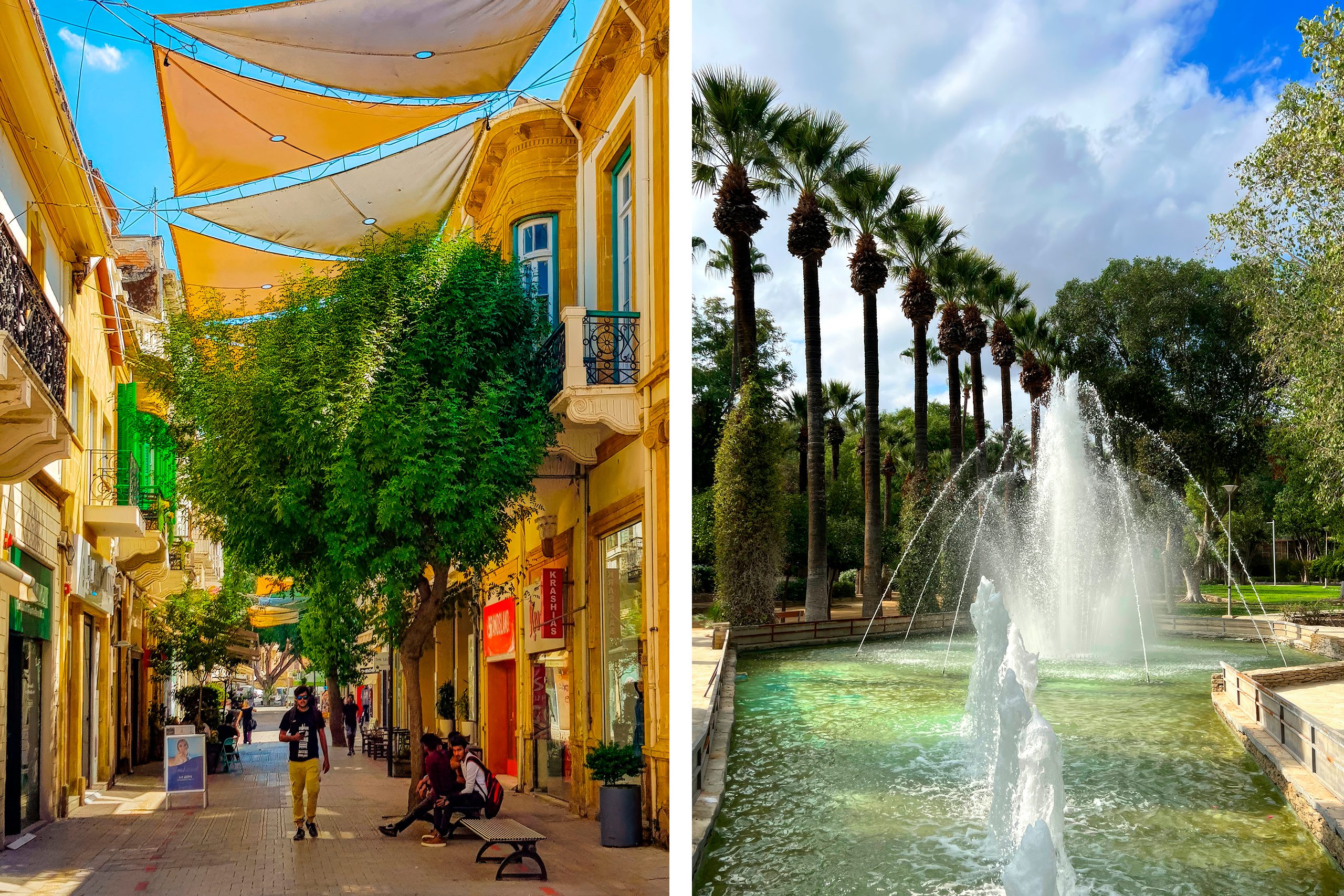
October maintains pleasant warmth with daytime temperatures around 24 to 25 degrees Celsius. Sea temperatures average 25 degrees, still comfortable for water activities. The month receives about seven hours of sunshine daily, with cool evenings that make outdoor dining enjoyable. Swimming, sunbathing, and water sports continue at their best during this period. The weather proves ideal for autumn travel combining beach time with cultural exploration.
November marks the transition toward winter. Temperatures drop to 21 degrees during the day and 10 degrees at night, with about seven hours of sunshine. Some days remain warm enough for swimming and sunbathing, though conditions become less predictable. The sea cools to around 22 degrees, refreshing but still swimmable for many. Outdoor lunch remains pleasant, and most outdoor sports continue. By November’s end, the rainy season begins to establish itself.
How Elevation Creates Multiple Climate Zones
Cyprus demonstrates remarkable climate variation across short distances due to its topography. Temperature drops approximately 5 degrees Celsius for every 1,000 meters of elevation gained. This creates distinct climate zones from coast to mountain peak within an hour’s drive. At sea level, subtropical Mediterranean conditions prevail. Mid-elevation areas between 400 and 1,000 meters enjoy moderate temperatures year-round. Above 1,000 meters, alpine conditions emerge with cold winters and mild summers.
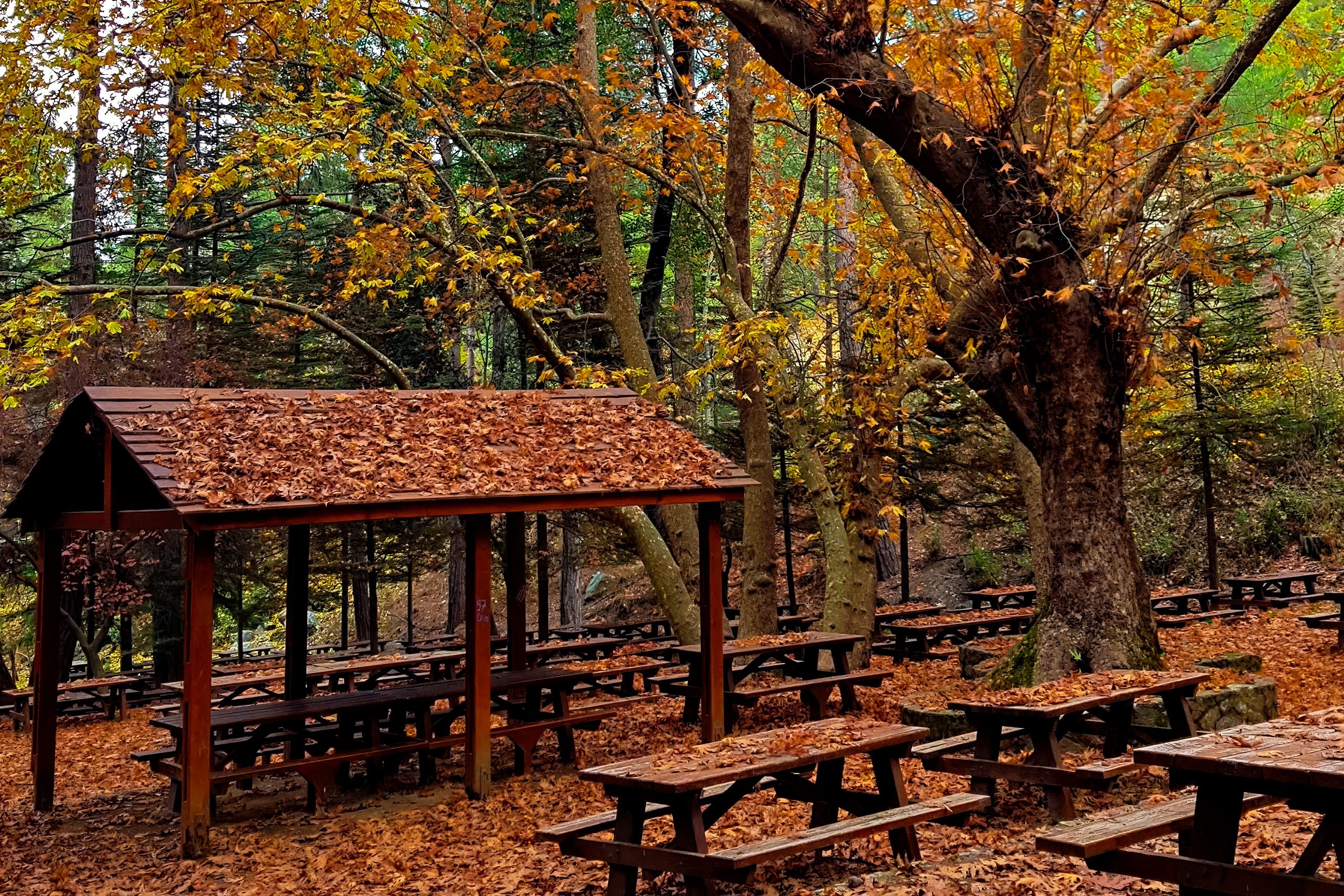
The Troodos Mountains receive significantly more rainfall than coastal areas, sometimes double or triple the annual precipitation. Higher elevations can receive 800 to 1,000 millimeters annually compared to 340 to 400 millimeters in Nicosia and coastal cities. This rainfall supports lush forests and enables year-round stream flow in some valleys, contrasting sharply with the dry summer conditions elsewhere.
Nicosia experiences the most extreme temperatures because it sits in a plain locked between two mountain ranges. The Kyrenia range lies to the north while Troodos rises to the south. This geography blocks sea breezes that moderate coastal temperatures. Summer heat builds intensely in this enclosed basin, making Nicosia consistently hotter than seaside cities. Winter cold likewise settles more deeply without the moderating influence of nearby ocean waters.
Coastal areas benefit from sea breezes that create pleasant conditions even during summer. Humidity remains relatively constant throughout the year, averaging 60 to 80 percent in winter and 40 to 60 percent in summer, with lower values inland around midday. The western coast faces the open sea and experiences slightly cooler temperatures and more wind compared to the southern and eastern coasts, which enjoy more sheltered conditions.
Seasonal Activities Match the Climate Calendar
Winter activities focus on mountain experiences and cultural tourism. Skiing on Mount Olympus attracts both locals and visitors from December through March. The modest ski facilities accommodate families teaching children to ski in a unique Mediterranean setting. Traditional mountain villages offer cozy tavernas serving winter comfort foods like avgolemono soup, trahanas made from cracked wheat and soured milk, and lamb stew called tavas.

Spring brings festivals celebrating the season’s abundance. The Limassol Carnival, held annually since 1890, fills March with parades and celebrations rooted in ancient Greek traditions. Villages throughout the mountains host events featuring local products. Nature walks and hiking become prime activities as temperatures remain comfortable and wildflowers create photographic landscapes. Archaeological sites attract visitors who can explore ruins without summer heat.
Summer revolves around water activities and beach culture. Coastal resorts fill with tourists enjoying swimming, snorkeling, and various water sports. Sea temperatures between 24 and 28 degrees create perfect conditions for underwater exploration with excellent visibility. Mountain villages provide respite during the hottest hours, with their cooler temperatures and shaded trails. Wine festivals in August and September celebrate the grape harvest in traditional style.
Autumn combines beach relaxation with cultural experiences. September and October offer warm sea temperatures and pleasant weather for sightseeing. Cherry festivals in mountain villages like Pedoulas draw visitors in June, while apple harvests occur later in autumn. The grape harvest begins in August and continues through September, supporting wine production throughout the island. These harvest celebrations connect visitors to agricultural traditions shaped by seasonal patterns.
Why Cyprus Maintains Year-Round Tourism
The extended warm season makes Cyprus viable as a year-round destination. Even December and January maintain average daytime temperatures of 16 to 17 degrees Celsius along the coast, warmer than most European locations. Six hours of daily sunshine in winter months provides twice the sunlight of cities in northern Europe. London receives 37 hours of sunshine in December compared to 180 hours in coastal Cyprus.
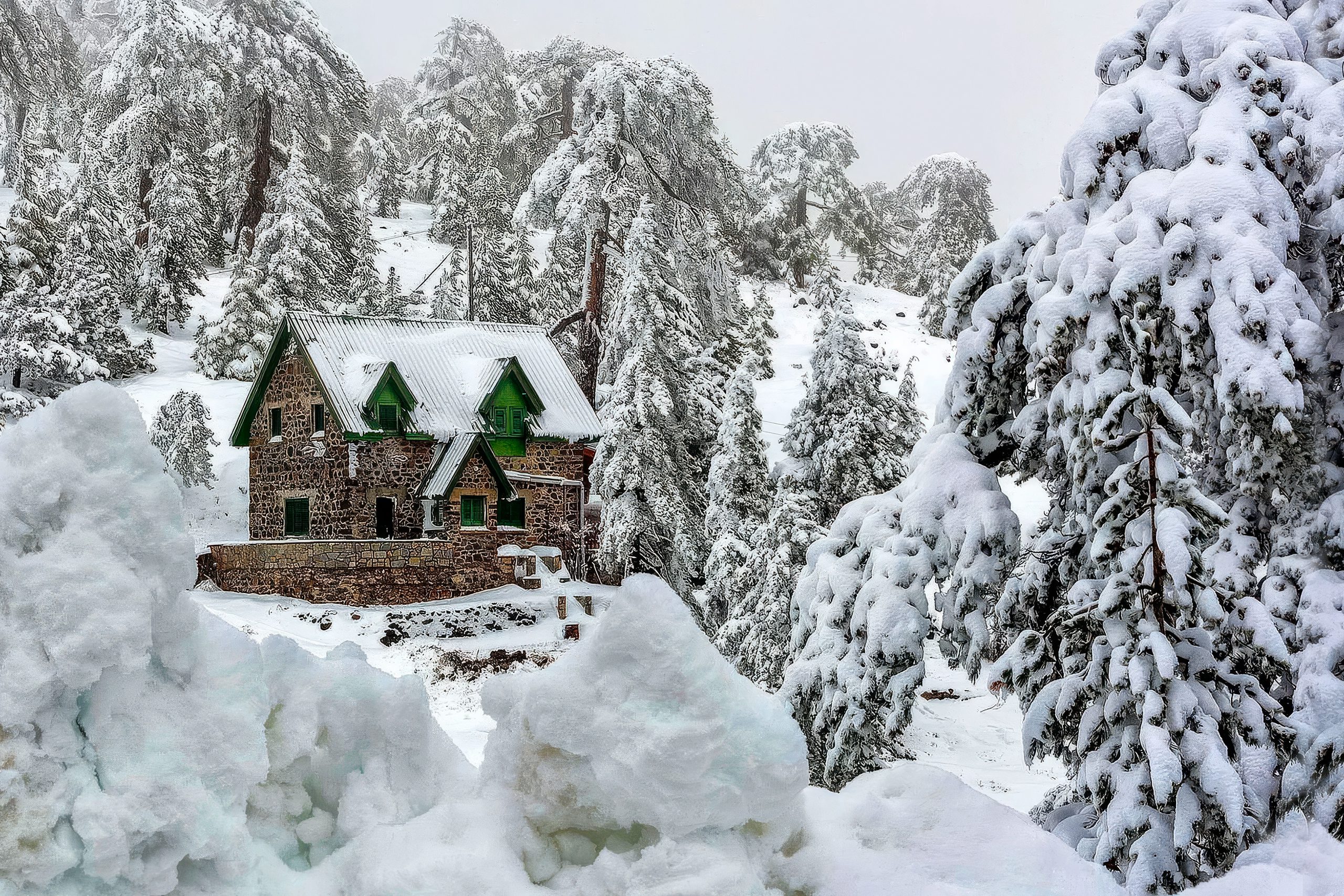
Winter visitors enjoy lower prices and fewer crowds while still experiencing mild conditions suitable for outdoor activities. Cultural attractions like Byzantine churches, archaeological sites, and museums remain accessible. The unique opportunity to combine morning skiing with afternoon seaside visits creates experiences unavailable elsewhere in the Mediterranean. Christmas markets and carnival celebrations add cultural dimension to winter tourism.
Spring and autumn represent optimal periods for many visitors. April through early June and September through October offer warm weather without extreme heat. These shoulder seasons provide the best conditions for hiking, cycling, and exploring the countryside. Accommodation costs drop significantly compared to peak summer, with spring hotel rates sometimes half the August prices. Beaches remain quieter and restaurants easier to access without reservations.
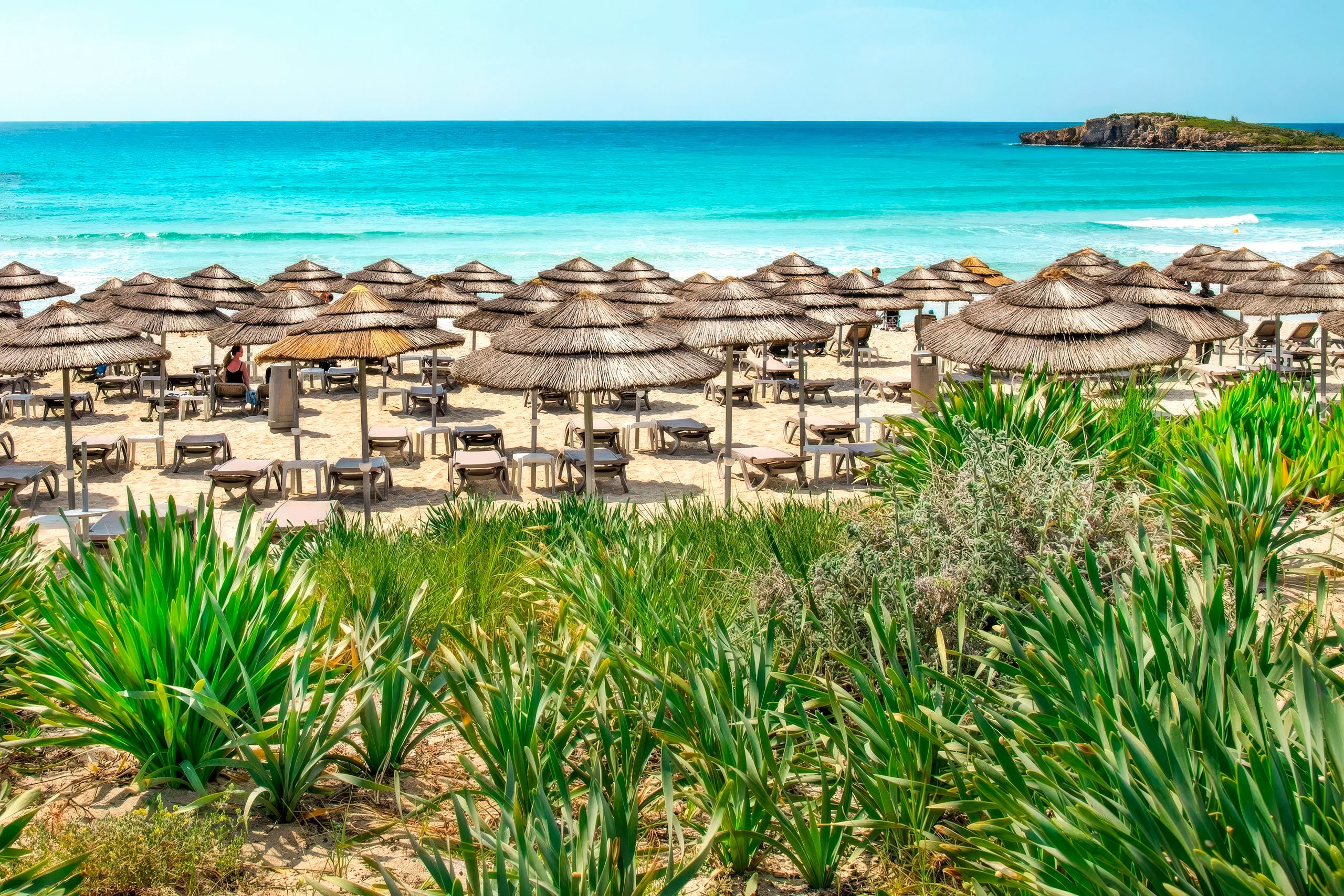
Summer attracts sun seekers willing to embrace intense heat for guaranteed beach weather. The completely dry conditions from June through August eliminate rain concerns. Sea temperatures at their annual peak support all water activities. Nightlife reaches maximum intensity in resort areas. The long daylight hours, with sunset after 8:00 PM in midsummer, extend each day’s activities well into evening.
The seasonal cycle of Cyprus demonstrates how island topography creates climate diversity within a compact area. Winter snow on mountain peaks occurs simultaneously with mild coastal sunshine. Spring transforms the landscape from brown to brilliant green in a matter of weeks as wildflowers blanket hillsides and almond trees burst into pink and white bloom. Summer heat dominates for half the year, moderated in mountain valleys that maintain comfortable temperatures while lowlands swelter. Autumn extends the warm season well into November, with sea temperatures remaining swimmable through October. This climate pattern has shaped both natural ecosystems and human activities for millennia. Agricultural traditions follow seasonal rhythms, from winter wheat and spring fruits to summer grapes and autumn olives. Tourism adapts similarly, with skiing, hiking, beach activities, and cultural exploration each finding their optimal season. Understanding these patterns helps visitors choose the right time for their interests while appreciating how seasons have molded life on this Mediterranean island.