Famagusta, Cyprus – History & Facts
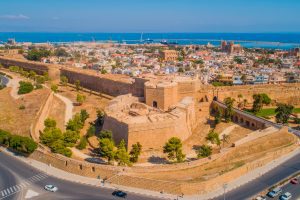
Famagusta sits on the eastern coast of Cyprus, surrounded by two miles of massive stone walls built when Venice controlled the Mediterranean. The old town contains ruins of over 300 churches from an era when the city rivaled Constantinople in wealth. During the Middle Ages, this port served as the gateway between Europe and the Levant, where merchants traded silks and spices in multiple languages. The deepest harbor in Cyprus made Famagusta essential for naval powers across eight centuries of occupation by Crusaders, Venetians, Ottomans, and the British. northcyprusinternational.com The city was founded around 274 BCE by Ptolemy II after an earthquake damaged nearby Salamis. Originally called Arsinoe after the Ptolemaic queen, the settlement grew from a small fishing village into a major commercial hub. By the 14th century, Famagusta had become one of the wealthiest cities in the known world. Today, the fortified old town preserves Gothic cathedrals, Venetian bastions, and Ottoman mosques within walls that still bear scars from a siege that lasted nearly a year. Historical Background Famagusta rose to prominence after the fall of Acre in 1291. When Crusaders lost their last stronghold in the Holy Land, merchants and nobles fled to Cyprus. The Lusignan Kingdom ruled the island, and Famagusta became its richest port. Ships carrying goods from Syria, Egypt, and Palestine anchored in the…
Read more