The Salamis Gymnasium stands as one of Cyprus’s most remarkable ancient structures. Located just north of modern Famagusta on the eastern coast of Cyprus, this impressive complex reveals the sophisticated approach ancient civilizations took toward physical fitness and public bathing. Built over earlier Hellenistic foundations during the 2nd century AD, the gymnasium represents the pinnacle of Roman architectural achievement on the island.
Salamis itself dates back to around 1100 BC. According to ancient Greek tradition, the city was founded by Teucer, son of King Telamon, after the Trojan War. Archaeologists believe the city was actually established by settlers from the nearby Bronze Age site of Enkomi following an earthquake in 1075 BC. The city benefited from Cyprus’ rich copper resources and quickly became a major trade center and the island’s capital. For nearly a thousand years, Salamis served as the main port and political center of Cyprus.
- Historical Background
- The Palaestra and Central Courtyard
- The Mystery of the Headless Statues
- Latrines: A Testament to Roman Engineering
- Bathing Facilities and Water Features
- Archaeological Significance and Preservation
- The Gymnasium in Daily Ancient Life
- Visiting Salamis Today
- Historical Context and Legacy
- Why The Salamis Gymnasium Matters Today
Historical Background
The gymnasium complex has witnessed multiple cycles of destruction and rebuilding. Archaeological evidence shows that a Hellenistic gymnasium originally stood on this site. This earlier structure was destroyed by an earthquake and rebuilt during the reign of Emperor Augustus. The building faced another catastrophe in 76 AD during the reign of Emperor Vespasian when another powerful earthquake struck the region.
The gymnasium as we see it today was restored by Roman Emperors Trajan and Hadrian following the Jewish insurrection of 116 AD. The restoration was extensive and grand. An inscription embedded in the pavement from the Early Christian period specifically references Trajan construction of a roof over the gymnasium swimming pool. Several honorific decrees have been discovered that mention Hadrian as a benefactor and savior of the city, highlighting the importance these emperors placed on this facility.
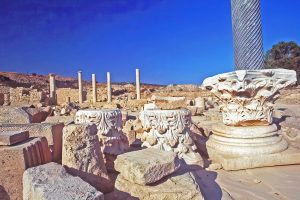
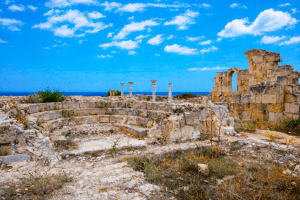
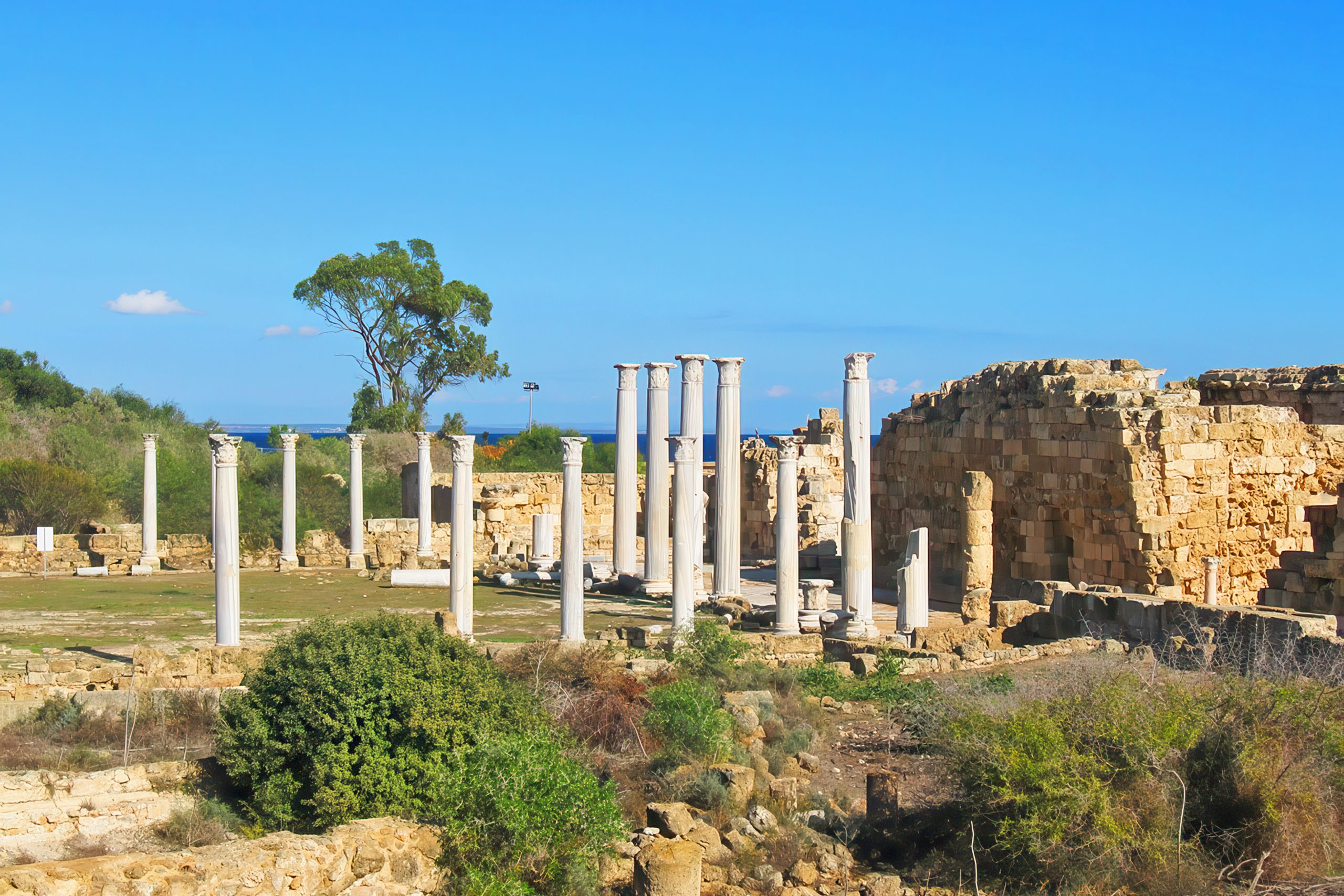
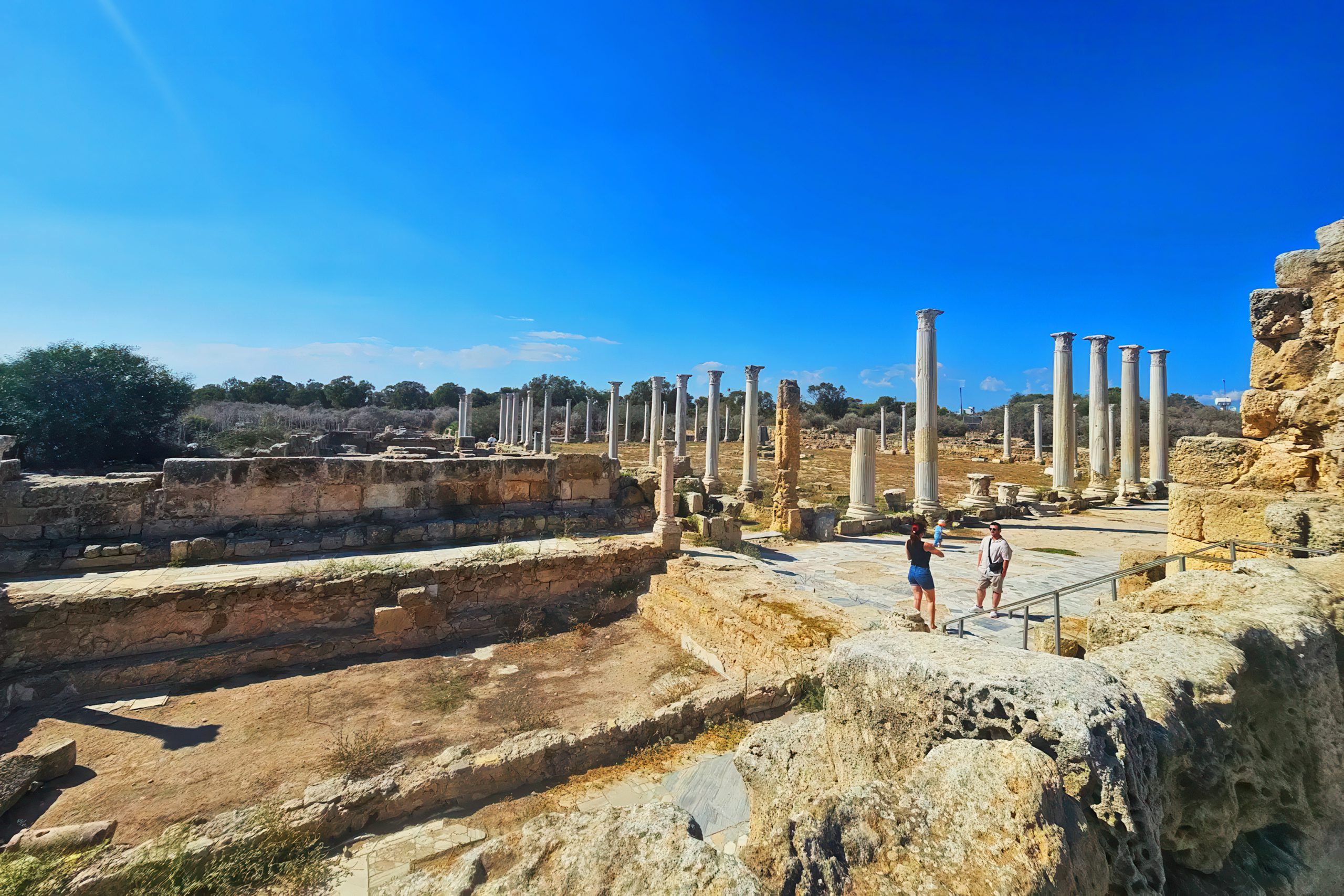
The vast exercise ground was first discovered in 1882, but the major excavation work did not begin until 1952. During this excavation, archaeologists re-erected many of the marble columns, giving visitors today a sense of the structures original magnificence.
The Palaestra and Central Courtyard
At the heart of the gymnasium complex lies the palaestra, a large open courtyard surrounded by colonnades on all four sides. This is where young citizens would exercise their bodies and minds. The colonnade featured a roofed structure that provided shade during hot Mediterranean days. During the Hellenistic period, the palaestra had a small circular pool at its center. Later, during the reign of Augustus, a statue of the emperor replaced this pool. The eastern colonnade featured two marble pools at its ends, each originally covered by a small roofed portico. These pools were surrounded by statues of the gymnasiarchs, the officials who managed the gymnasium.
The Mystery of the Headless Statues
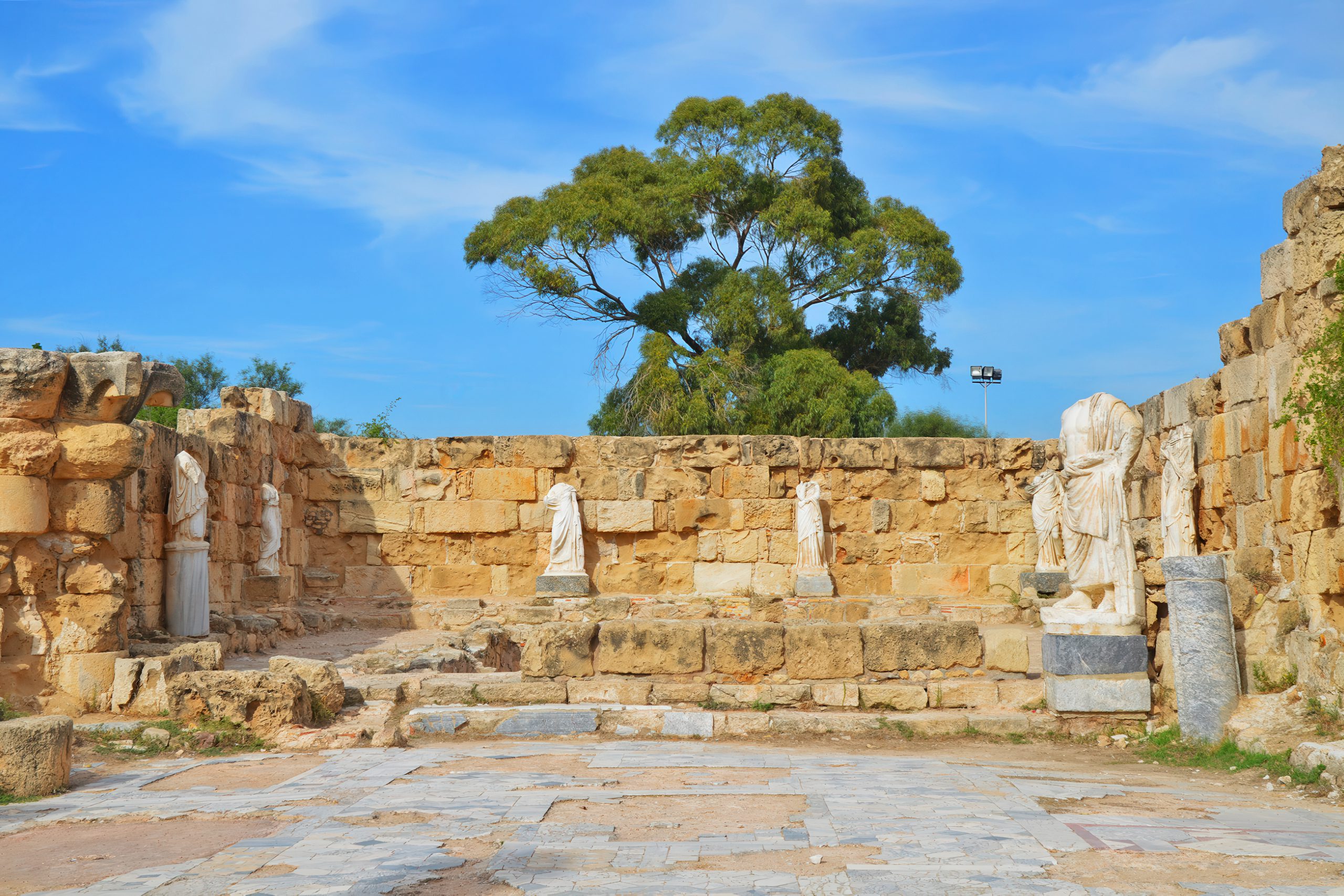
Today, visitors entering through the northeast corner pass by a swimming pool surrounded by headless statues. These statues, which date from the 2nd century AD during the Trajanic and Hadrianic periods, present one of the site most intriguing mysteries. Several theories attempt to explain the missing heads.
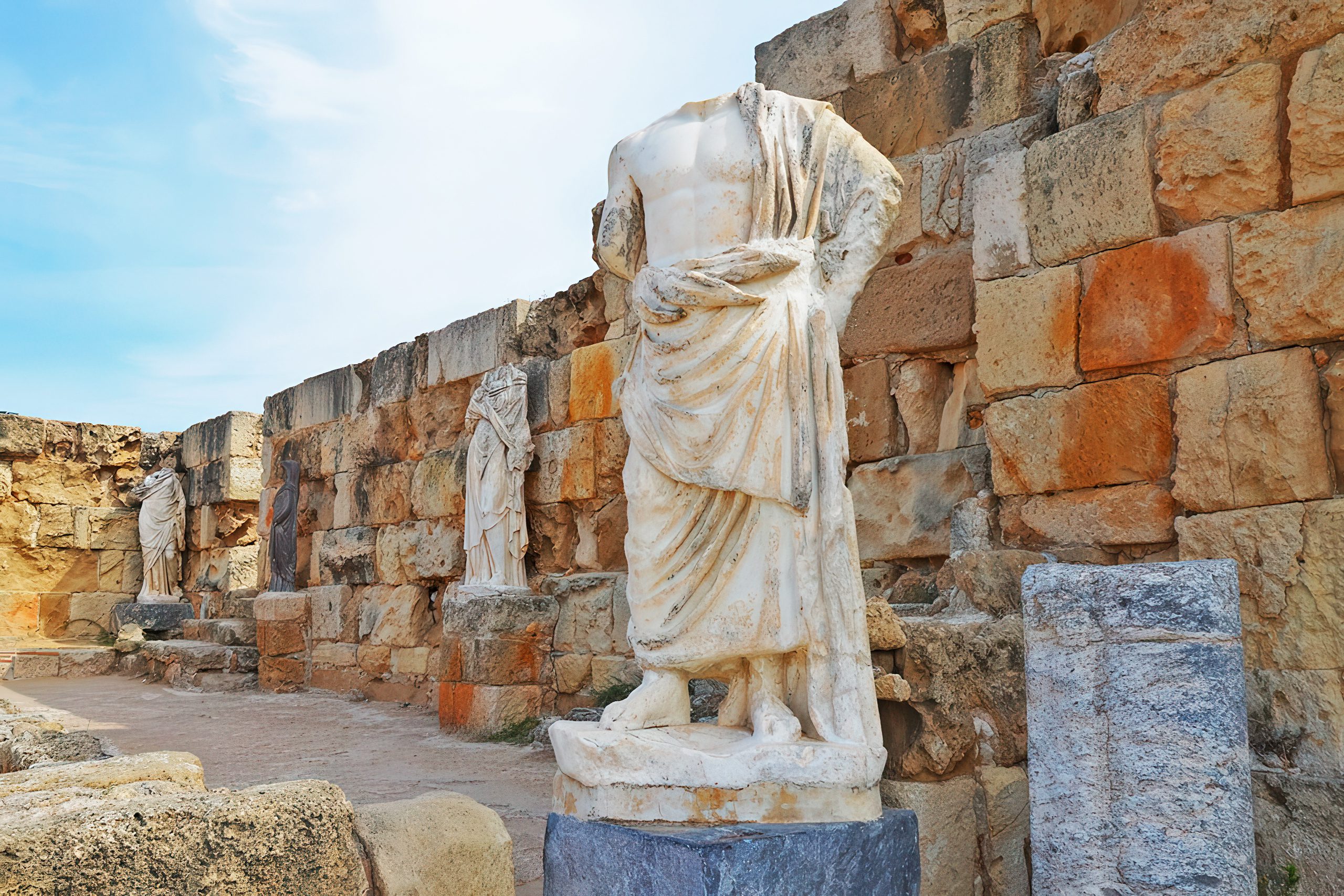
In ancient times, statue bodies were often produced in advance. When someone commissioned a statue, they would select a preferred body type, and the head of their chosen deity or honored person would be crafted separately and attached later. Some historians suggest that early Christians, viewing these statues as graven images, deliberately destroyed the heads. Another theory points to the frequent earthquakes that struck the area. When statues toppled during these seismic events, the heads often broke off at the neck, and souvenir hunters during early archaeological expeditions took them.
During excavations, several marble statues were discovered that once adorned the spacious colonnades. Many statues that survived numerous raids have disappeared since 1974. Fortunately, several pieces made it to the Cyprus Museum in Nicosia, where they remain prized exhibits. The statues date from the Hadrianic period and are of remarkably high quality. Among the most notable are over-life-size statues of Hera and Apollo Citharoedus, the lyre player, which remarkably retained their heads. Other significant pieces include statues of Hygeia, Asklepios, Aphrodite, and Nemesis with a griffin at her feet.
Latrines: A Testament to Roman Engineering
At the southwest corner of the palaestra stands one of the most fascinating features of the complex: the public latrines. This semicircular colonnaded structure could accommodate 44 people simultaneously, making it the largest latrine ever discovered in Cyprus. The water pipes and tanks are still visible today, as are the armrests on one side of the seating.
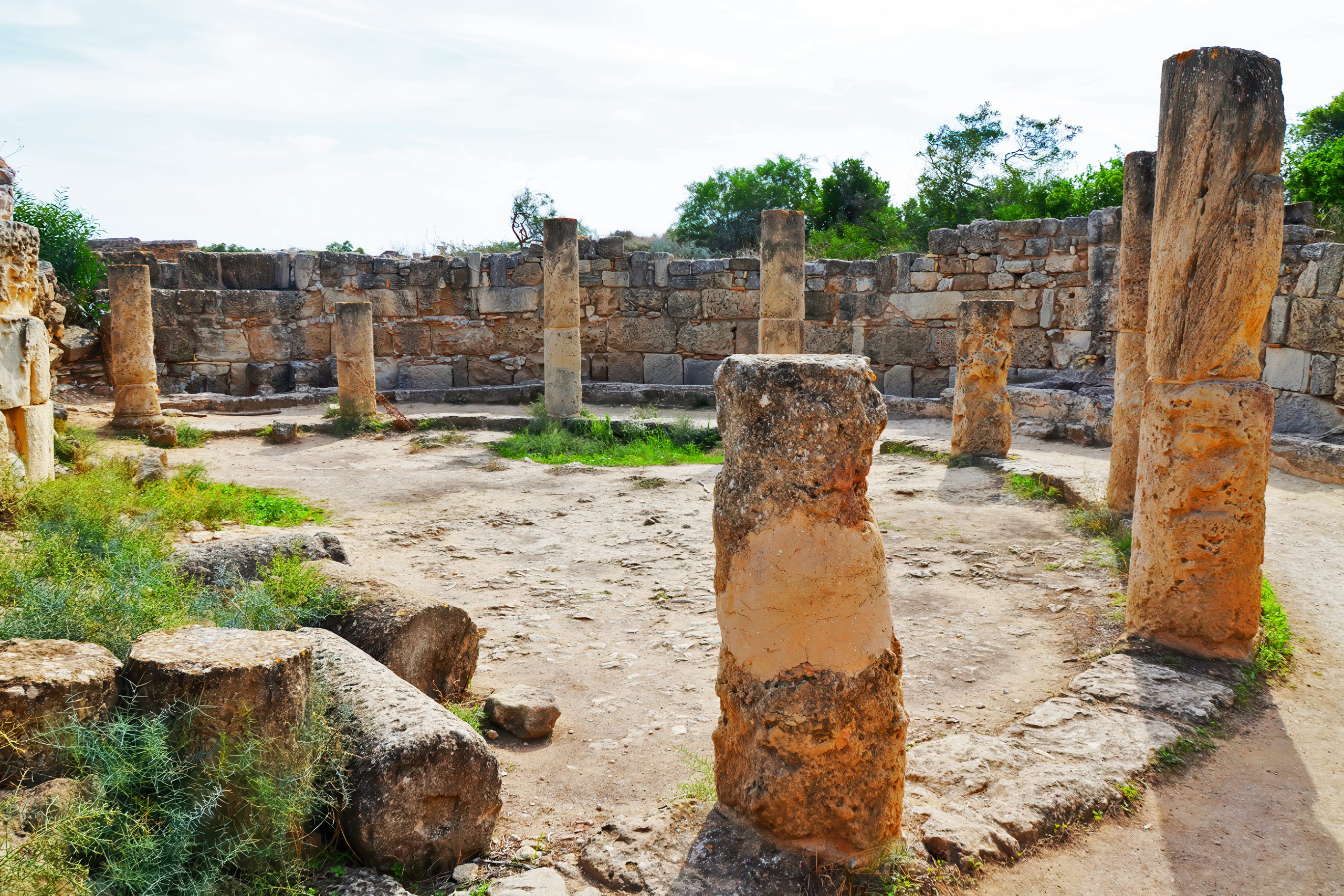
These facilities demonstrate the sophisticated sanitary infrastructure of Roman cities. The latrines were connected to a complex water system that included a large cistern supplied by a 30-mile-long aqueduct from Kythrea. This engineering marvel ensured that the gymnasium and baths had a constant supply of fresh water. The northeastern corner of the complex contains another set of latrines, though these are not as well preserved.
Bathing Facilities and Water Features
The gymnasium complex included extensive bathing facilities, reflecting the Roman passion for public baths. The building housed several chambers including the sudatorium (hot baths), caldarium (steam bath), and frigidarium (cold baths). These different temperature rooms allowed bathers to move through a sequence of hot and cold experiences, which the Romans believed promoted health and cleanliness.
The swimming pools were architectural highlights. Marble pools occupied two ends of the eastern colonnade, designed with sophisticated drainage systems. The marble construction and decorative elements surrounding these pools showed the wealth and importance of Salamis during the Roman period.
Archaeological Significance and Preservation
The site began attracting archaeological attention in the late 19th century when the Cyprus Exploration Fund initiated excavations. Many early finds from this period are now housed in the British Museum in London. Serious excavation work resumed in 1952 and continued until 1974, when political events halted international archaeological work in the region.
Before 1974, the site bustled with archaeological activity. French missions worked at nearby Enkomi and at Salamis itself, while the Department of Antiquities conducted extensive repairs, restorations, and excavations throughout the year. Today, the site and its associated museums are maintained by the antiquities service, with important collections housed in the Saint Barnabas monastery.
The ruins of Salamis cover an area of approximately one square mile along the seashore. Much of the site remains unexcavated, hidden beneath forests of acacias, mimosa, pine, and eucalyptus trees. This means future excavations may yet reveal additional structures and artifacts that could further illuminate our understanding of this ancient city.
The Gymnasium in Daily Ancient Life
The gymnasium served as far more than just an exercise facility. In ancient Greek and Roman society, gymnasiums were central to education and social life. Young male citizens would gather here not only to train their bodies through athletics and wrestling but also to develop their minds through philosophical discussions and formal instruction.
Unlike the agora (marketplace), which was open to all residents including women and slaves, the gymnasium maintained more restricted access, typically reserved for citizens. The presence of elaborate bathing facilities, multiple pools, and comfortable latrines shows that people spent considerable time at the complex. It functioned as a social hub where men could meet, exercise, bathe, and discuss politics and current events.
Visiting Salamis Today
Today, the Salamis archaeological site offers visitors a remarkable glimpse into ancient Mediterranean life. The gymnasium, with its re-erected columns and preserved architectural features, stands as the most visually impressive structure at the site. Walking through the colonnaded palaestra, past the marble pools and elaborate latrines, visitors can imagine the bustling activity that once filled these spaces.
The site includes not just the gymnasium but also the Roman theater, which has been renovated and now hosts theatrical performances once again. Unlike most Roman theaters that face the sea, this one uniquely faces inland and is free-standing rather than built into a hillside, making it an unusual architectural achievement.
Other notable features include the Temple of Zeus, extensive public baths, an agora measuring 230 by 55 meters (one of the largest known forums), and the Kambanopetra Basilica from the 4th century AD. The royal tombs in the necropolis, spanning seven square kilometers, contain graves from the Geometric to Hellenistic periods and demonstrate Homeric ritual influences.
Historical Context and Legacy
The gymnasium must be understood within the broader context of Salamis’s thousand-year history as a major Mediterranean city. From its legendary founding after the Trojan War to its role as a powerful kingdom, from Persian rule to Greek influence under King Evagoras I (411-374 BC), the city witnessed crucial historical events.
Salamis played a significant role in the battles between Greeks and Persians. In 450 BC, the site witnessed a double victory by Athens over Persian, Phoenician, and Cilician forces both at sea and on land. The city minted its own coins starting in the 6th century BC, drawing inspiration from Persian models. The discovery of gold coins dating from 411 to 374 BC provided the first genuine evidence of the city archaeological importance.
The site also holds importance in early Christian history. Saints Paul and Barnabas played major roles in the Christianization of Cyprus, and Salamis became strongly associated with the Christian movement. The Church of Saint Epiphanius, with its seven aisles, stands as a notable remnant of the Byzantine era. Saint Epiphanius is buried at the southern apse of this basilica, which served as the metropolitan church of Salamis.
Why The Salamis Gymnasium Matters Today
The Salamis Gymnasium represents a remarkable convergence of Greek athletic tradition and Roman engineering prowess. From its Hellenistic origins through multiple earthquakes and reconstructions, the complex evolved to meet the changing needs of its society. The sophisticated water management systems, elaborate bathing facilities, and grand colonnaded spaces demonstrate the importance ancient civilizations placed on public health, fitness, and social interaction.
For anyone interested in ancient history, the gymnasium offers invaluable insights into daily life in a major Mediterranean city. The headless statues, preserved latrines, marble pools, and majestic columns all tell stories of a civilization that valued both physical and intellectual development. As excavations continue and new discoveries emerge, our understanding of this remarkable site will only deepen, revealing more about the people who built, used, and ultimately abandoned this magnificent structure.