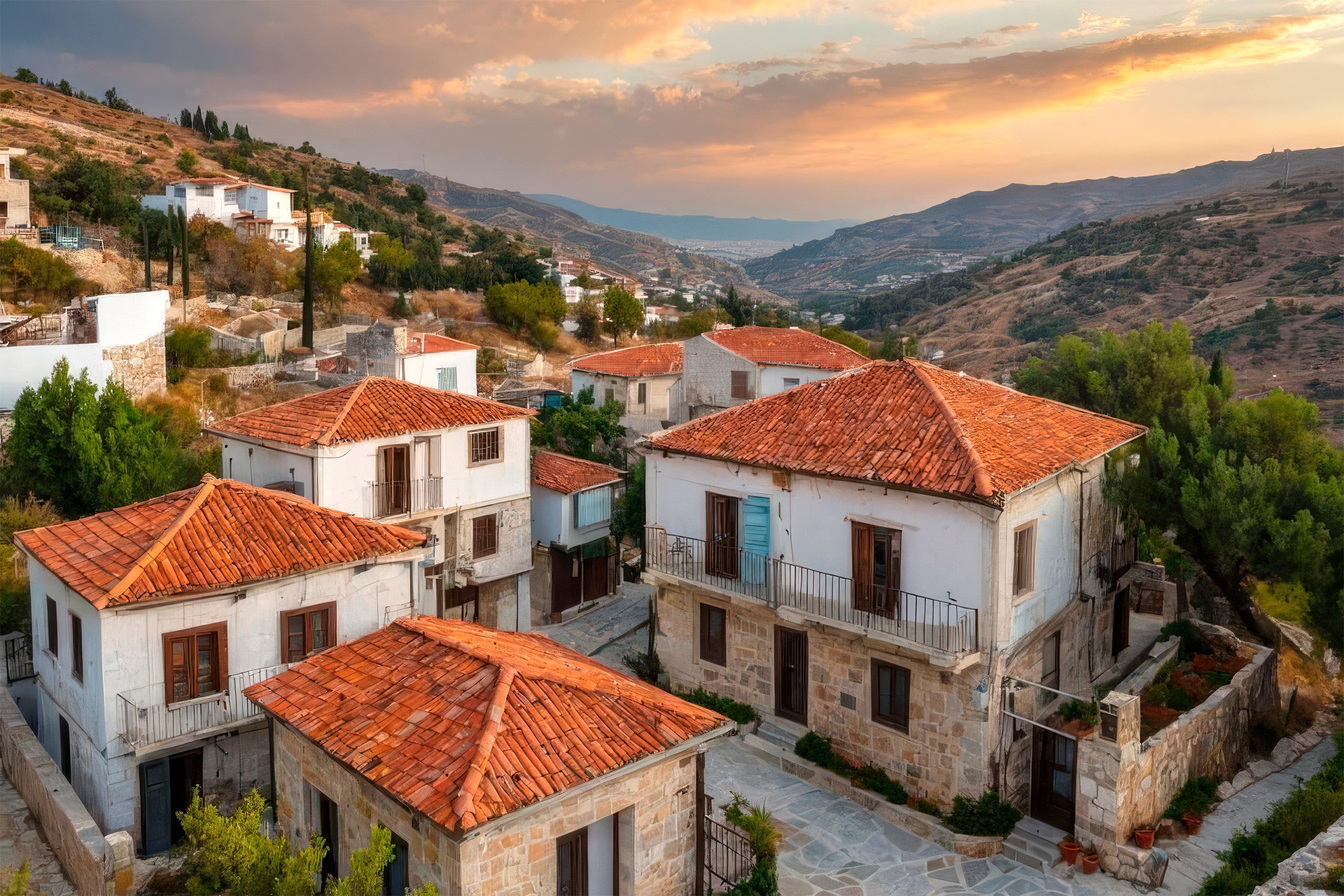
Pelendri is a mountain village in the Limassol district known for its UNESCO World Heritage church, traditional architecture, and established wine production. It’s located in the Pitsilia region at 880 meters altitude and 40 kilometers from Limassol. The village combines medieval history with contemporary viticulture in a setting of steep valleys and high peaks.
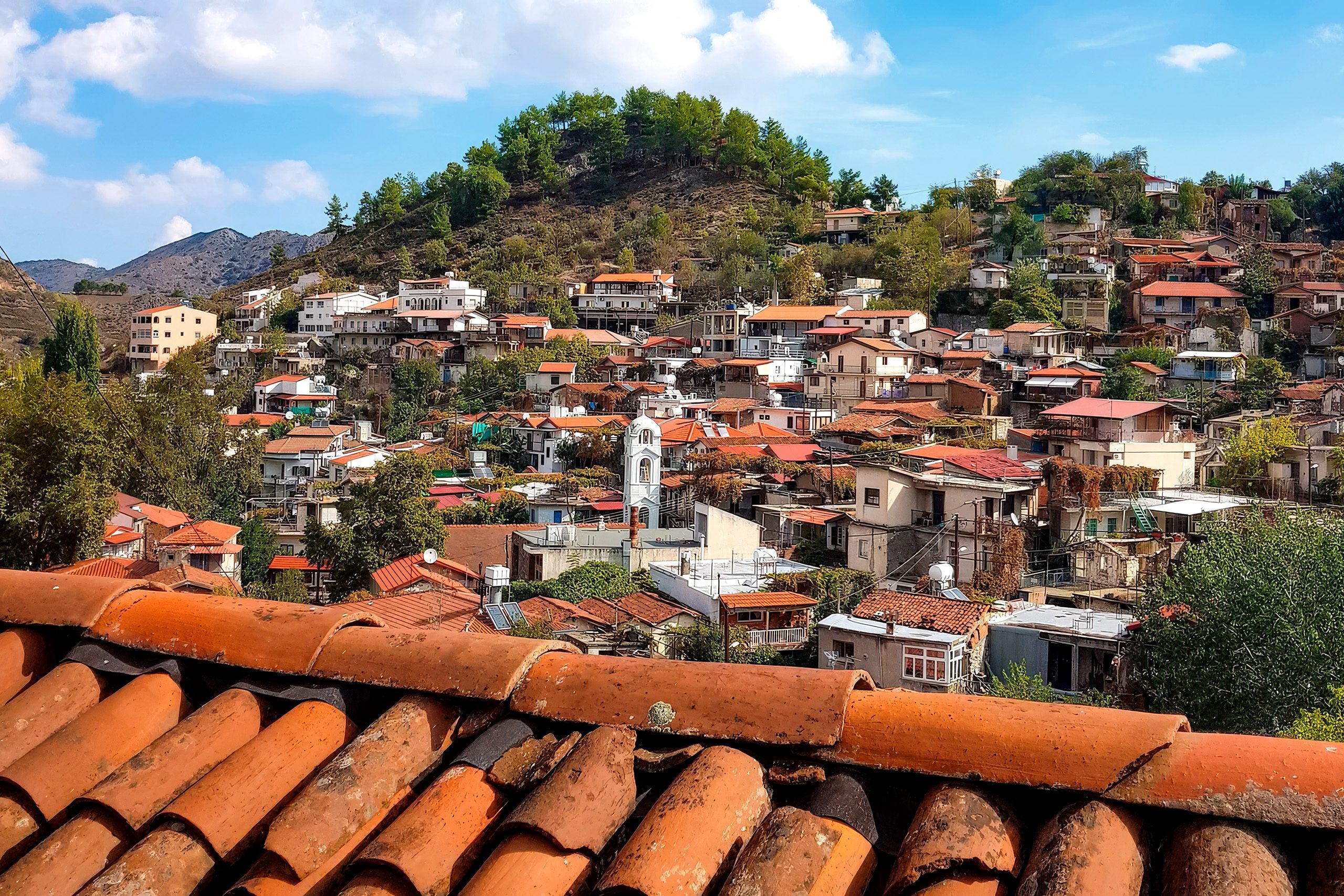
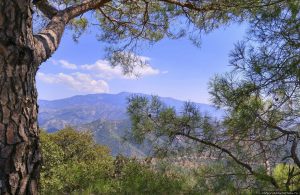
Despite being built on relatively barren slopes, the area benefits from approximately 750 millimeters of annual rainfall, which supports diverse cultivation and natural vegetation. Several tributaries cross through the area, providing water resources that sustain both agriculture and forest growth.
The administrative boundaries of Pelendri include portions of the Troodos state forests and monastery forests. Natural vegetation includes pines, wild olives, plane trees, and various indigenous shrubs, with uncultivated areas maintaining rich plant diversity.
Historical Background
Historical records confirm Pelendri as an established settlement during the medieval period. Louis de Mas Latrie, documenting Cyprus during Lusignan rule, refers to the village as Pelendres or Pelondres. In 1353 it was a fief of John de Lusignan, Prince of Antioch and a member of the royal family of Cyprus.
Medieval chronicler Georgios Boustronios mentioned the village twice in his writings. He recorded that around 1461, a wealthy merchant named Satin lived in Pelendri, indicating commercial activity in the settlement. Boustronios also documented two farmsteads in the Pelendri area, Kardamas and Filagra, owned by Ritzzo di Marino. These properties were seized in 1474 by Catherine Cornaro, the last Queen of Cyprus before Venetian rule. Both farms were dissolved during the Ottoman occupation, though Filagra was re-established in the mid-20th century and now features a few residences and recreational facilities.
According to local narratives, the area once supported 14 small villages that were abandoned for security reasons, with residents joining Pelendri. These settlements included Poulos, where archaeological artifacts from the era of Alexander the Great were discovered, Fournia with traces of ancient settlement, and Troumithos with a very old chalcopyrite mine. Other abandoned villages were Tzeramis (destroyed by landslide), Rontia, Konnara, Kaminia, Mazokampos, Chalazin, Argyrou, Deisis, Ais Giannis Potamoulion, Pontikia, and Kountouries. This consolidation created a larger, more defensible community during uncertain times.
Origin of the Village Name
Several explanations exist for the village’s name. One version attributes it to a plant abundant in the area called Felandrio (water dropwort from the Umbelliferae genus), which ancient writer Theophrastus noted was used for making perfume. Another account connects the name to a type of poisonous mushroom that grew locally and was called Pelendro, characterized by its bitter taste and larger size compared to other mushrooms. However, Nearchos Clerides argued the mushroom was named after the village rather than vice versa.
A third theory suggests the name came from an aromatic herb called Pedendri that grew in the region. According to another version, the village was named after a medieval family, the Pelentri, who owned it as a feudal estate before 1353. Medieval chronicler Leontios Machairas mentioned this family in his writings. A more recent interpretation proposes that the area was originally called Polydendri (meaning “many trees”) due to abundant forest coverage, which was later shortened to Pelendri.
Church of Timios Stavros
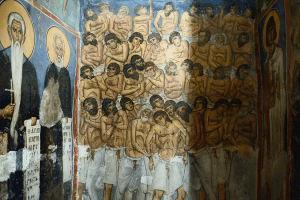
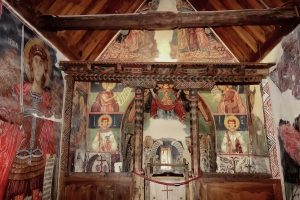
The most significant cultural monument in Pelendri is the Church of Timios Stavros (Holy Cross), inscribed as a UNESCO World Heritage Site in 1985 as one of ten Painted Churches in the Troodos Region. The church was originally constructed around the middle of the 12th century as a single-aisled domed structure, possibly serving as a cemetery church. It was destroyed under unknown circumstances, with only the original apse surviving.
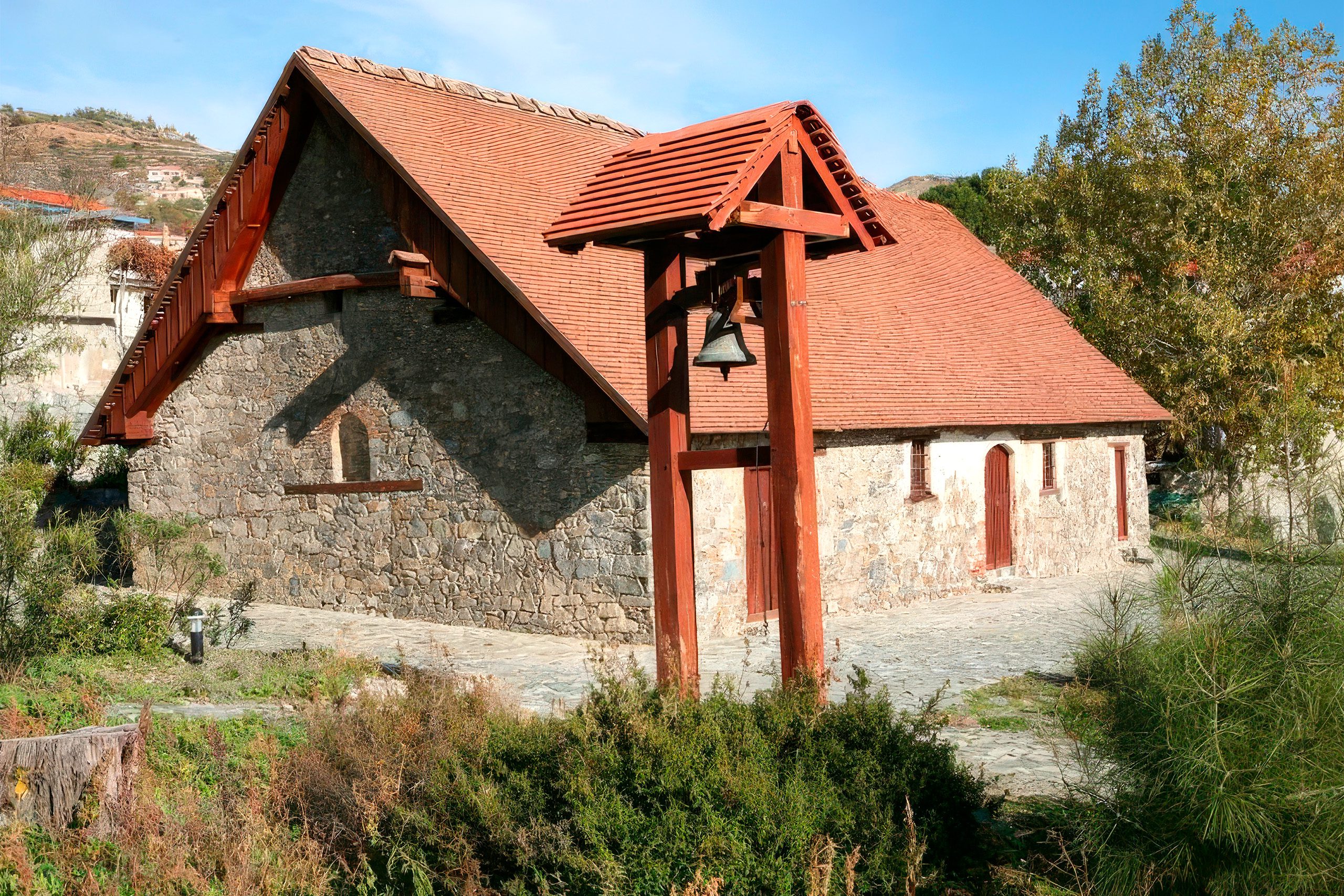
According to an inscription in the apse, the earliest wall paintings date to 1171-1172, with fragments preserved beneath later layers. The main part of the church was rebuilt and decorated during the second half of the 14th century by at least two artists working in the Palaiologan style, the final period of Byzantine art. The structure underwent several modifications and additions over subsequent centuries.
Pelendri contains several other churches representing different architectural periods. The Church of Panagia Katholiki dates to the 16th century and serves as a significant example of post-Byzantine ecclesiastical architecture. Its iconostasis features notable examples of Byzantine art in Cyprus, with icons depicting the Virgin Mary with Christ, Saint John the Theologian, and Saint Mamas showing Italian Renaissance influences from the 16th century.
Agricultural Production & Tsiakkas Winery
The climate and relatively high rainfall support cultivation of various fruit trees including apples, peaches, pears, and plums, in Pelendri. Vineyards produce both table and wine grapes, while olive trees, almond trees, walnut trees, and raspberries grow in suitable locations. Vegetables cultivated include green beans, peas, tomatoes, cucumbers, onions, zucchini, and potatoes.
The wooded areas surrounding Pelendri are particularly known for wild mushrooms. Local residents familiar with the terrain begin collecting mushrooms after the first significant rainfall of the season, when fruiting bodies begin to emerge.
For many decades, employment at the nearby asbestos mine in Amiantos provided a major source of income for Pelendri residents and drove much of the village’s development during the 20th century. This industrial connection brought economic stability and population growth until the mine’s eventual closure.
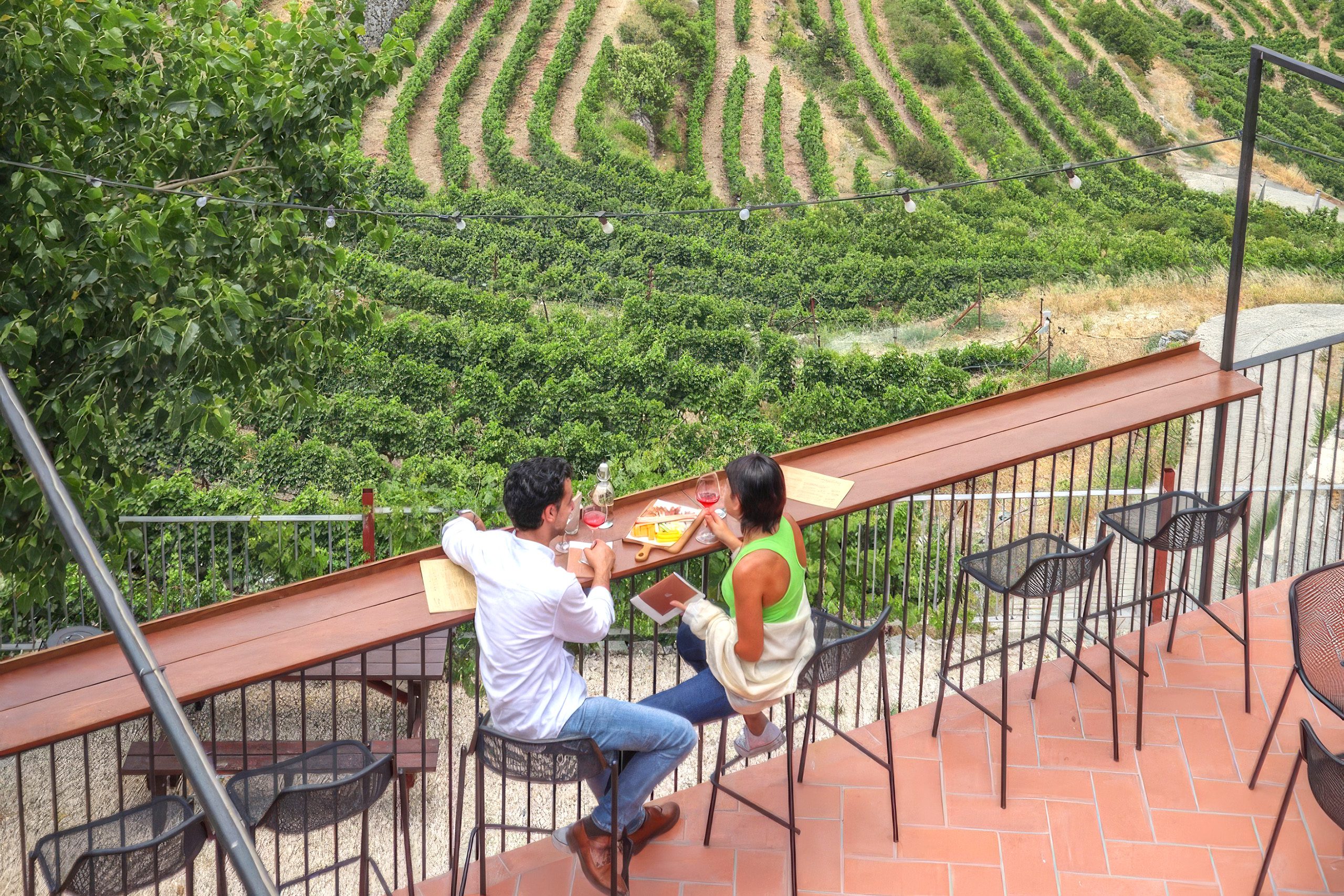
Tsiakkas Winery was established in 1988 just outside Pelendri by Costas and Maria Tsiakkas. Their first year produced only 500 bottles of red wine named Thyrsos. The winery gradually expanded during the 1990s, introducing international grape varieties including Chardonnay, Sauvignon Blanc, Cabernet Sauvignon, Merlot, and Grenache as these became more widely planted in the Pitsilia region.
Population Changes
According to census data, Pelendri’s population grew steadily from 444 inhabitants in 1881 to a peak of 2,253 in 1973. The population then began declining due to urbanization, dropping to 2,218 in 1976 and reaching 1,074 by 2011. Today the village maintains approximately 1,000 permanent residents, with the population increasing during summer months when people return to family homes or visit summer properties.
This demographic pattern reflects broader trends affecting rural Cyprus, where younger generations moved to urban centers for employment and education opportunities. The village has maintained community services including a nursery station, primary school, kindergarten, and one of five citizen service centers operating throughout Cyprus.
Visiting Pelendri
The drive from Limassol takes approximately 45 minutes, ascending through changing vegetation zones. The route passes through foothill villages before entering the Troodos Mountains proper. From Nicosia, the journey covers about 70 kilometers.
The Church of Timios Stavros operates with restricted visiting hours, typically open weekdays from 10:00 to 13:00 and 15:00 to 17:30, and Saturdays from 9:00 to 13:00. A caretaker manages access, and visitors should verify current schedules before planning their visit as hours can vary.
The Tsiakkas Winery welcomes visitors daily except Sundays and major holidays, from 9:00 to 16:00. Advanced booking is recommended for guided tours with the winemaker, though tastings are generally available without reservation. During May and November, the winery opens select Sundays for special tours and tastings.
The village offers sufficient facilities for day visits or overnight stays, with traditional guesthouses providing accommodation options. The compact size allows exploration on foot, particularly in the old quarter, where narrow streets preserve the historical layout.
Historical and Cultural Importance of Pelendri
Pelendri demonstrates how historical significance and contemporary economic activity can coexist in a mountain village setting. The UNESCO designation for Timios Stavros Church has brought international recognition while supporting conservation funding. The church’s frescoes provide scholars with chronological documentation of Byzantine painting development across four centuries.
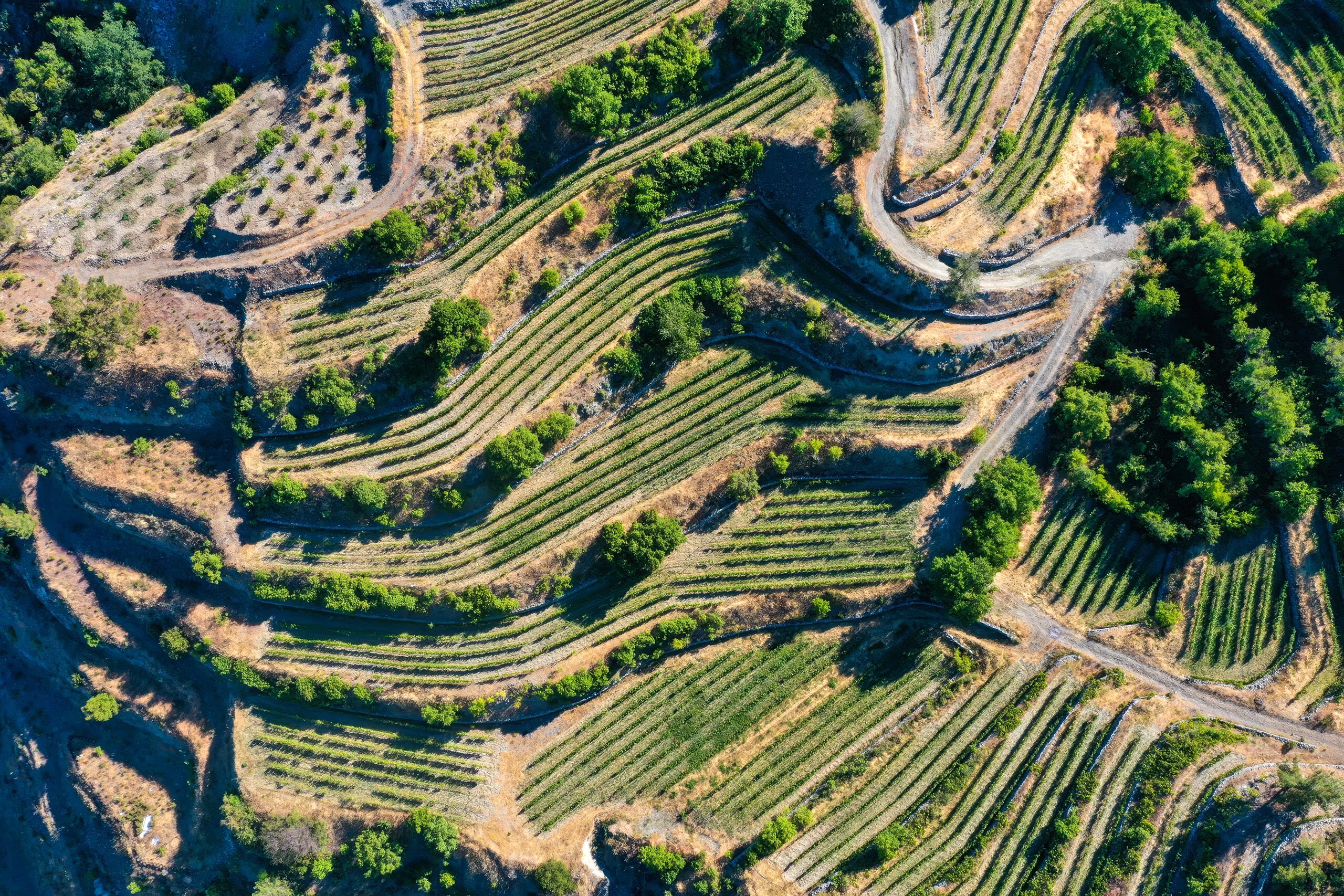
The revival of indigenous grape varieties at Tsiakkas Winery reflects broader efforts to preserve and promote Cypriot agricultural heritage. The winery’s success with native grapes has encouraged other producers to reconsider forgotten varieties, contributing to the distinctiveness of Cypriot wine in international markets.