Ottoman baths, known as hamams, represent a distinctive cultural contribution to Cyprus architecture and social life. These public bathhouses served communities across the island for centuries, combining cleansing rituals with social gathering spaces. Several hamams survive today as monuments to Ottoman rule, with two still operating as functional spas.
The hamam tradition did not originate with the Ottomans. Its roots stretch back to Roman thermae and Byzantine bathing practices, which the Ottomans inherited and adapted to Islamic requirements for ritual cleanliness. The word hamam comes from the Arabic root meaning heat or heating, reflecting the central role of warmth in the bathing process.
Islamic tradition emphasizes cleanliness as a prerequisite for prayer. This religious requirement, combined with social customs, made hamams essential public facilities throughout the Ottoman Empire. Most homes lacked private bathing facilities, so hamams served practical hygiene needs while also becoming important social institutions.
- Historical Background
- The Ottoman Baths of Paphos and Their Medieval Heritage
- Traditional Hamam Architecture
- The Complete Traditional Bathing Ritual and Its Stages
- The Twentieth Century Decline and Modern Cultural Revival
- Experiencing the Hamam Today
- The Enduring Legacy of Ottoman Bath Culture in Cyprus
Historical Background
The Ottoman Empire captured Cyprus from Venice in 1571 after a prolonged military campaign. This conquest marked the beginning of over three centuries of Ottoman administration that fundamentally reshaped the island’s demographic and cultural character.
One of the Ottomans’ first priorities in newly conquered cities was establishing hamams. These buildings demonstrated Ottoman presence and provided essential services to both the Turkish soldiers and settlers who arrived from Anatolia and the existing Greek Cypriot population.
Cyprus already had Christian churches from the Frankish and Venetian periods. Rather than demolishing these structures, Ottoman administrators often converted them for new purposes.
The Omeriye Hamam of Nicosia
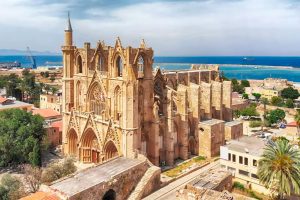
The most significant Ottoman bath in Cyprus is the Omeriye Hamam in Nicosia. Lala Mustafa Pasha, the Ottoman commander who led the conquest of Cyprus, founded this complex in the 1570s immediately after capturing the island. The site previously held the 14th-century Augustinian church of St. Mary, which suffered damage during the Ottoman siege. Rather than clearing the ruins completely, Mustafa Pasha incorporated parts of the church structure into the new mosque and hamam complex.
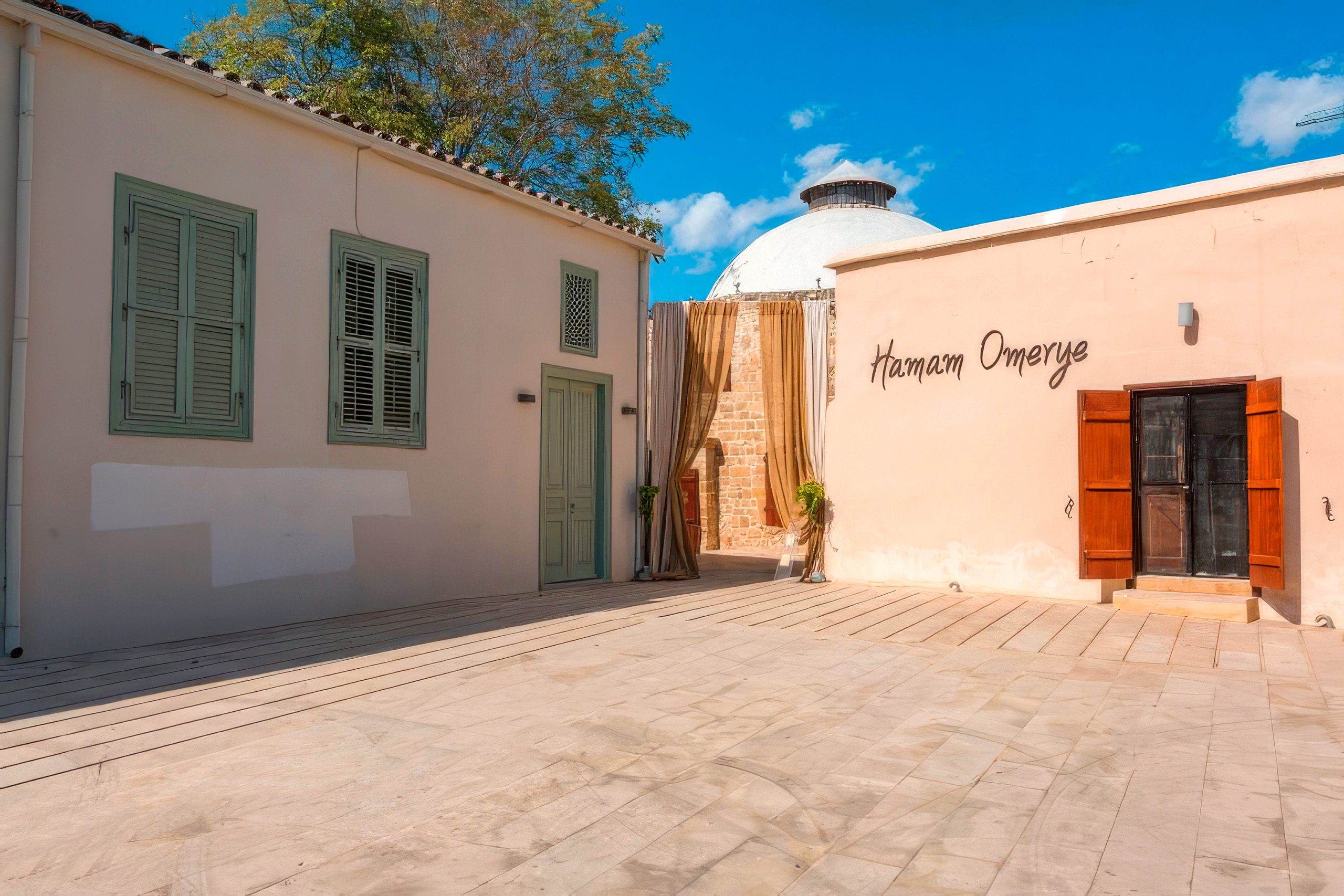
The complex was named after Caliph Omar, based on a belief that this particular location was where Omar rested during a visit to Nicosia. After falling into disrepair during the 20th century, the Omeriye Hamam underwent major restoration between 2002 and 2004 as part of the Lefkosia Master Plan, a bi-communal project to preserve Nicosia’s historic center. The restoration won a Europa Nostra award in 2005 for architectural conservation. Today, the hamam operates as a functioning bathhouse and spa, offering traditional treatments alongside the historical experience.
The Ottoman Baths of Paphos and Their Medieval Heritage
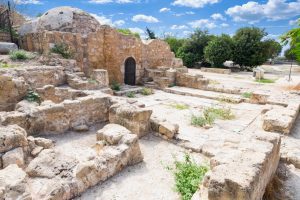
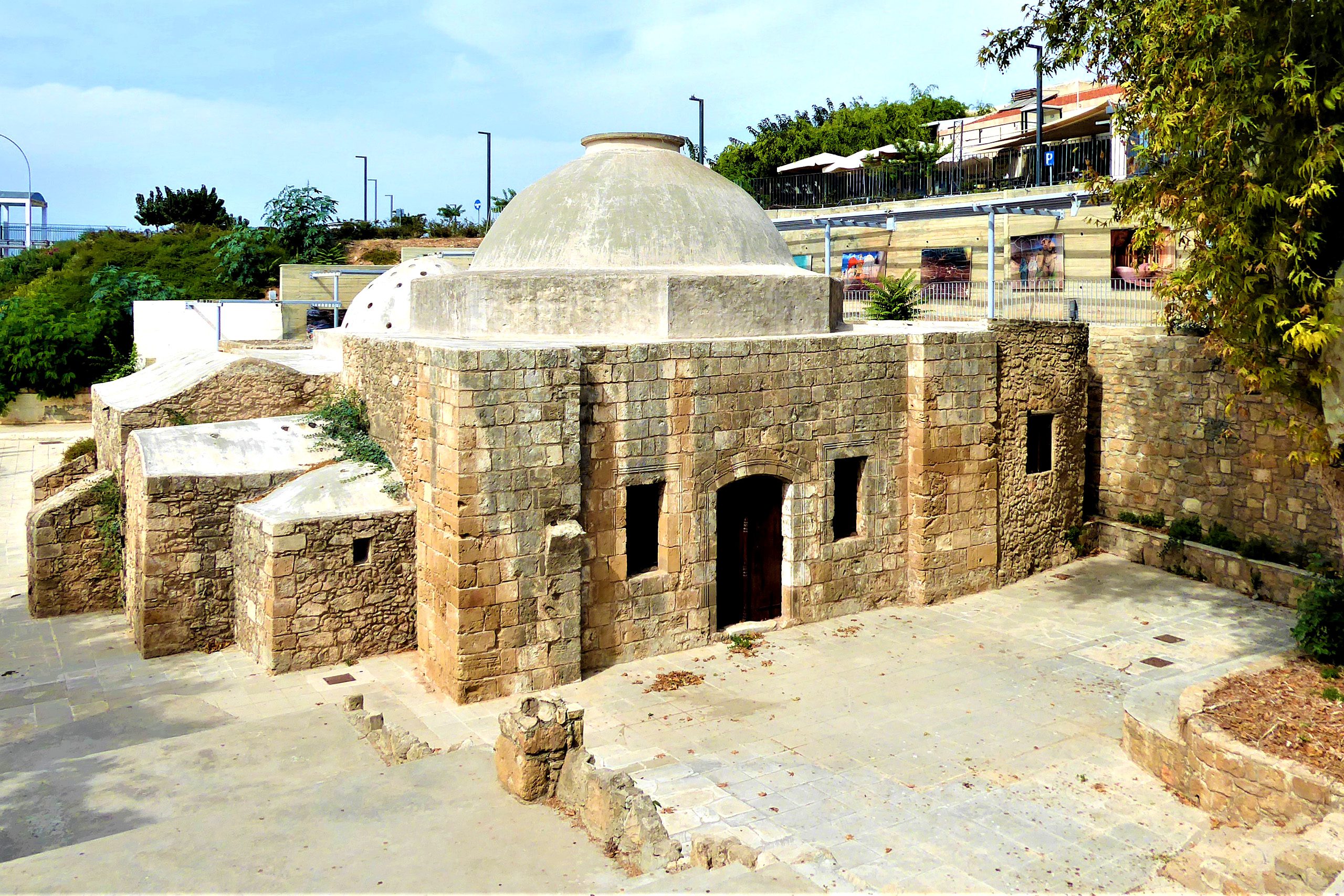
Paphos contains three Ottoman-era hamams, though their histories differ from the Nicosia examples. The main hamam in old town Paphos, known as Loutra or simply the Ottoman Hamam, is a stone-vaulted building near the old marketplace. Despite its typical Ottoman design with three distinct areas, this structure is believed to have medieval origins predating Ottoman rule.
This hamam remained in continuous use until the 1950s. Full restoration was completed in 2015. The structure is now maintained as an educational site where visitors can understand hamam architecture and function through informative displays.
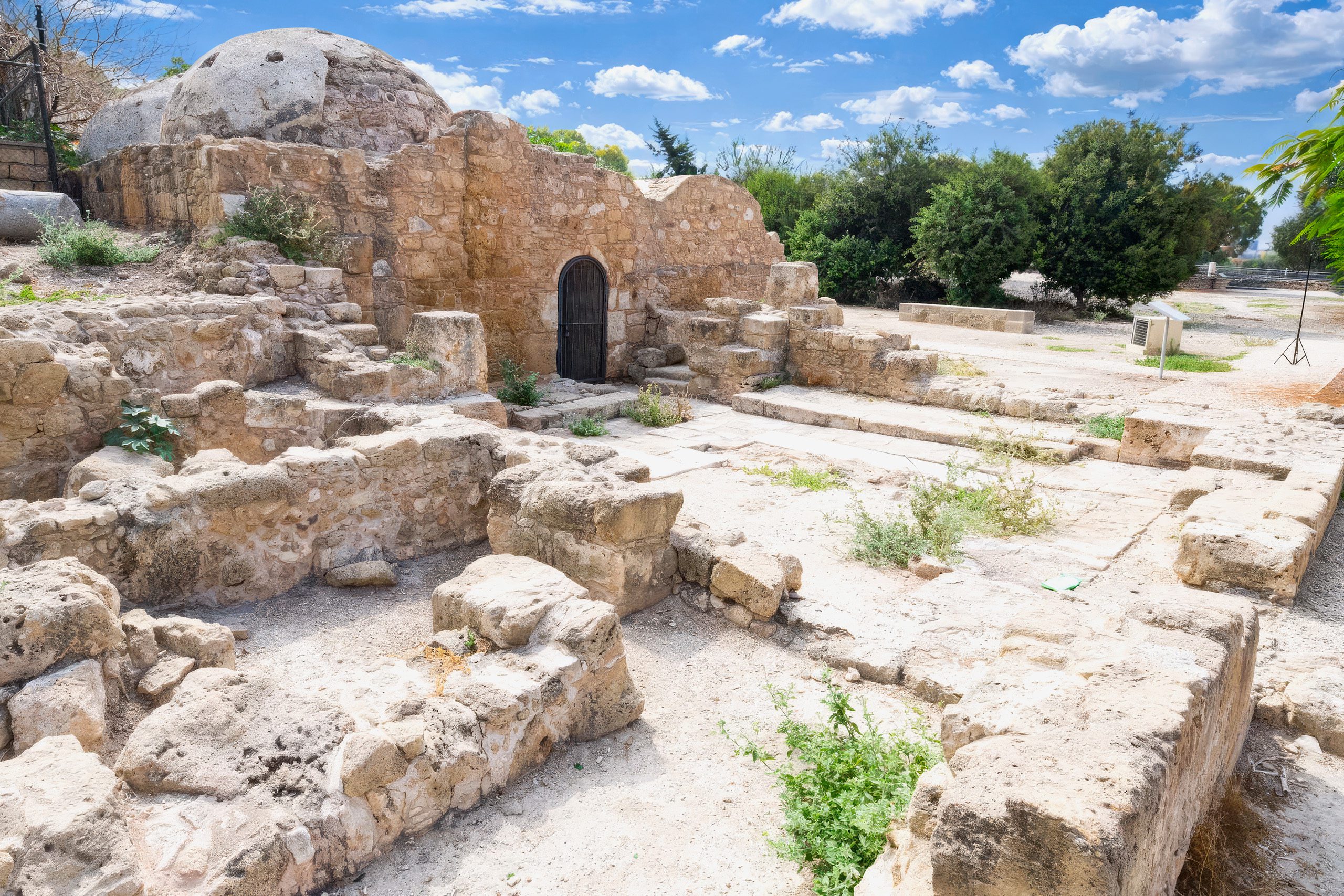
Two additional medieval or Ottoman-period hamams exist in lower Paphos. One larger bath stands near an ancient theater currently being excavated in the center of Kato Paphos. This site remains under restoration and is not accessible to the public. A smaller bath structure is located within the archaeological area containing the Panagia Chrysopolitissa Basilica, Agia Kyriaki church, and Saint Paul’s Pillar.
Traditional Hamam Architecture
Ottoman hamams followed a standardized architectural design refined over centuries. The layout reflected both practical requirements for the bathing process and symbolic meanings related to purification and progression from the everyday world to a cleansed state.
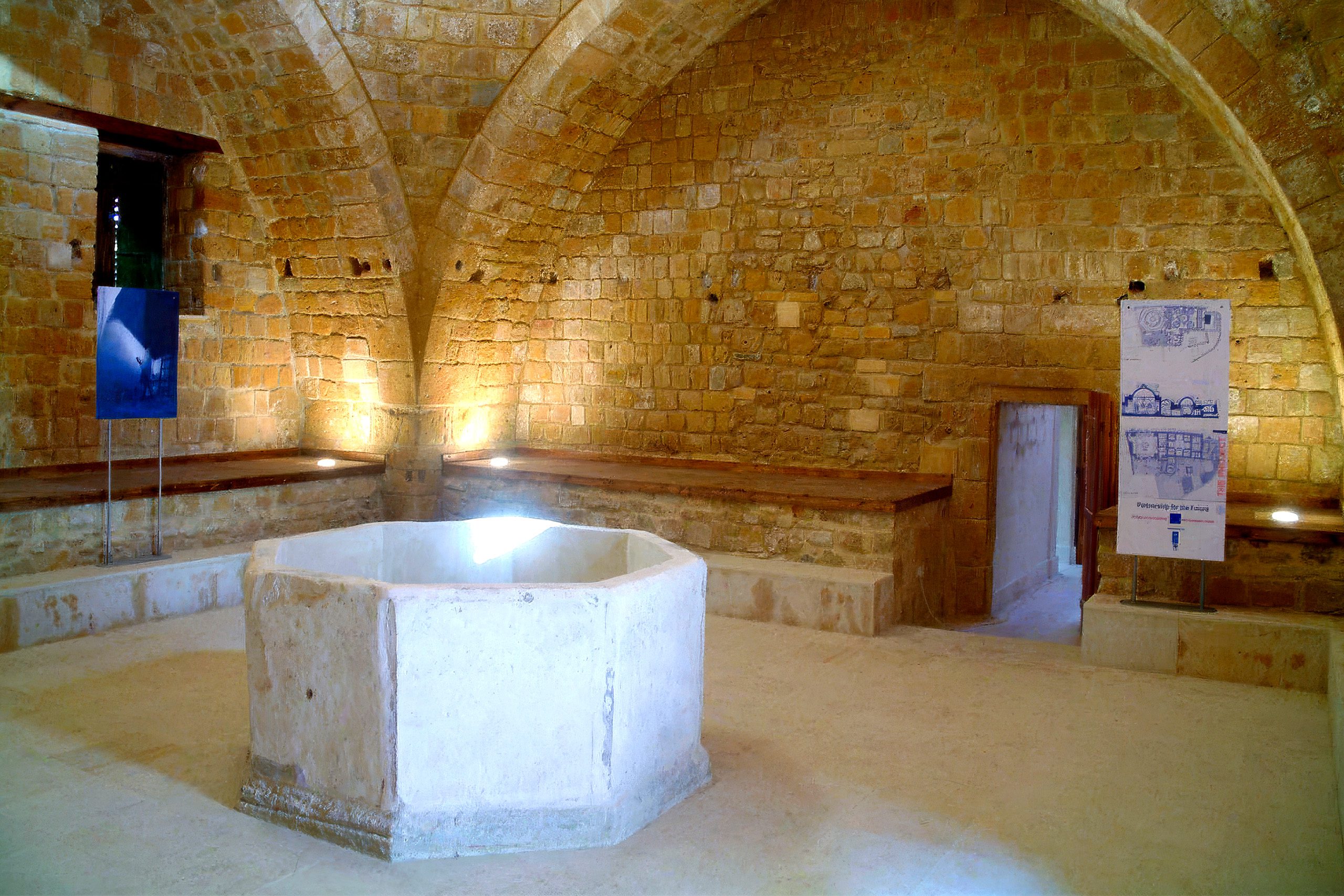
The entrance led to the camekan, the reception and changing room. This space featured a wooden roof supported by arches, with divans (low couches) along the walls where bathers could rest before and after bathing. Many camekan rooms contained an octagonal cistern in the center. It provides drinking water. This room maintained normal temperature and served as a social space where people could relax, sometimes for hours, drinking tea or sherbet.
From the camekan, bathers moved to the sogukluk, the cool or warm room that served as a transition zone. This intermediate space allowed the body to adjust gradually to temperature changes. Bathers used this area to undress and store their clothing in small alcoves called halvets.
The heart of the hamam was the sicaklik or hararet, the hot room. This chamber featured a large central dome, often decorated with small glass windows that created atmospheric half-light. At the center of the room stood the göbek tasi (belly stone or navel stone), a large heated marble platform where bathers lay to absorb warmth and open their pores.
The Complete Traditional Bathing Ritual and Its Stages
The traditional hamam experience followed a specific sequence designed to cleanse the body thoroughly while promoting relaxation. Upon arrival, bathers entered the camekan where attendants provided a pestemal (a special cloth wrap), wooden clogs called nalin to prevent slipping on wet floors, and sometimes a small towel.
After changing, bathers proceeded to the warm room and then into the hot room, where they would lie on the heated göbek tasi. This initial period of 15 to 20 minutes allowed the heat and humidity to open pores, soften skin, and relax muscles. The warmth loosened dirt and dead skin cells. It prepared the body for the scrubbing phase.
After adequate warming, an attendant performed the kese scrub. Using a rough mitt made of coarse fabric, the attendant vigorously scrubbed the bather’s entire body, removing dead skin cells and impurities. This exfoliation left skin notably smoother and stimulated circulation.
Following the kese treatment came the foam massage or soap massage. The attendant generated massive amounts of lather using a cloth bag and olive oil-based soap, covering the bather in thick foam. This foam massage combined cleansing with gentle pressure massage, working the soap into the skin while providing a relaxing, sensory experience.
After rinsing thoroughly with water from the fountains, bathers could receive additional services like oil massages for deeper muscle relaxation. The final stage involved returning to the cool room or reception area to rest. Bathers wrapped in clean towels or robes would recline on the divans, often for an extended period. Many people spent hours in the hamam, treating it as a leisurely social outing rather than a quick functional bath.
The Twentieth Century Decline and Modern Cultural Revival
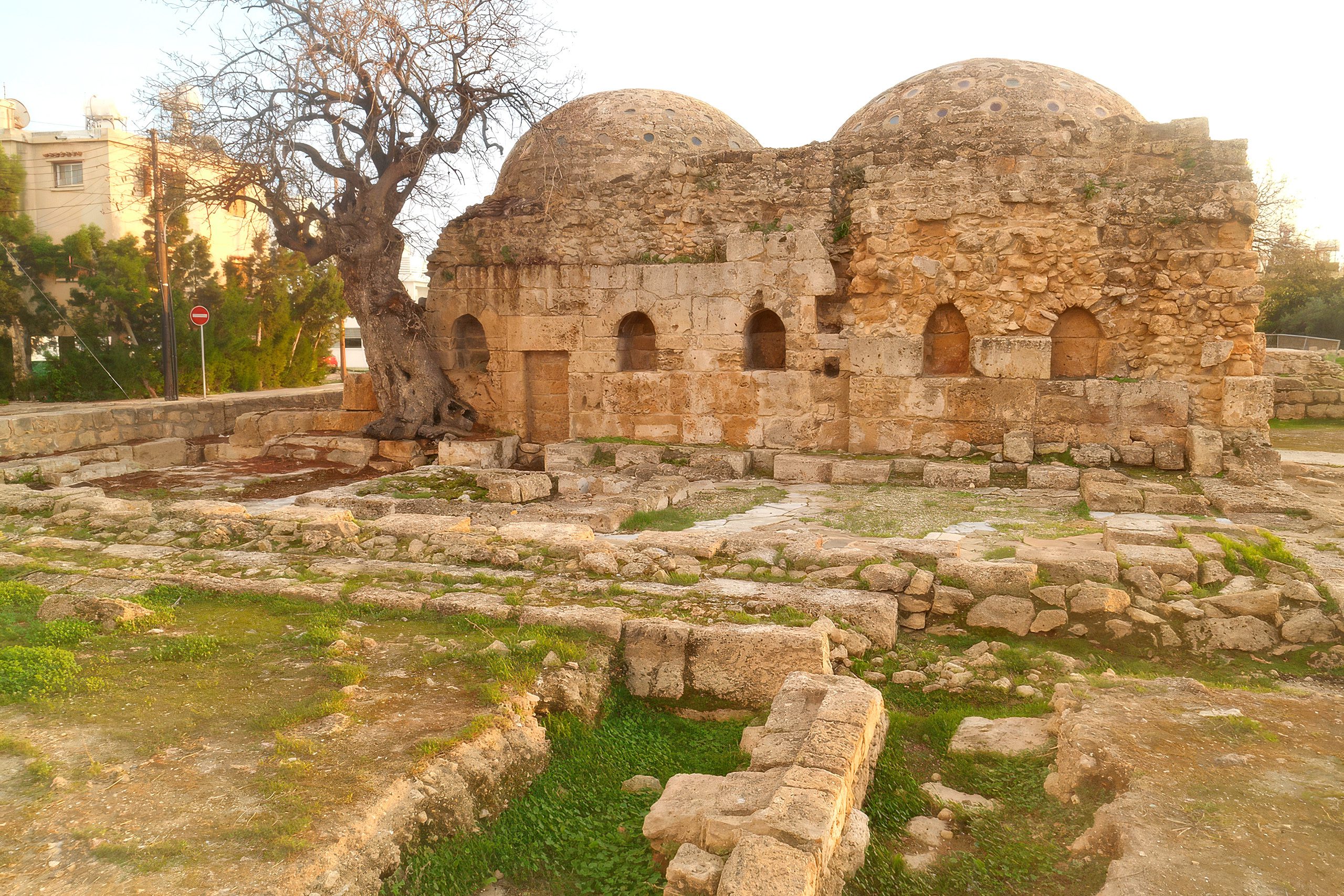
Hamam culture began declining in the 20th century as private bathrooms became standard in homes across Cyprus. With running water and modern plumbing available, the hamam’s practical function diminished. Many hamams closed or fell into disrepair during the mid-1900s. The Paphos hamam, for example, remained operational until the 1950s before shutting down.
Political changes also affected hamams. The division of Cyprus in 1974 complicated the maintenance of Ottoman heritage sites. Some hamams were located in areas that became inaccessible or were simply neglected as priorities shifted to more pressing concerns.
However, recent decades have seen renewed interest in preserving and operating hamams. This revival reflects both cultural preservation goals and growing tourism interest in authentic historical experiences. The restoration of Omeriye Hamam in Nicosia as part of the bi-communal Lefkosia Master Plan demonstrated that hamams could serve as shared heritage bringing communities together.
Modern hamams in Cyprus blend traditional practices with contemporary expectations. The restored Omeriye Hamam and operating Büyük Hamam maintain traditional architecture and basic bathing rituals while meeting modern standards for hygiene, safety, and comfort. They offer traditional kese scrubs and foam massages alongside optional treatments like aromatherapy.
Tourism has become a major factor in hamam revival. Visitors to Cyprus seek authentic cultural experiences, and a traditional hamam visit provides tangible connection to Ottoman history. The hamams offer something many Western spas cannot provide: centuries of continuous tradition and architectural spaces designed specifically for their function over hundreds of years.
Experiencing the Hamam Today
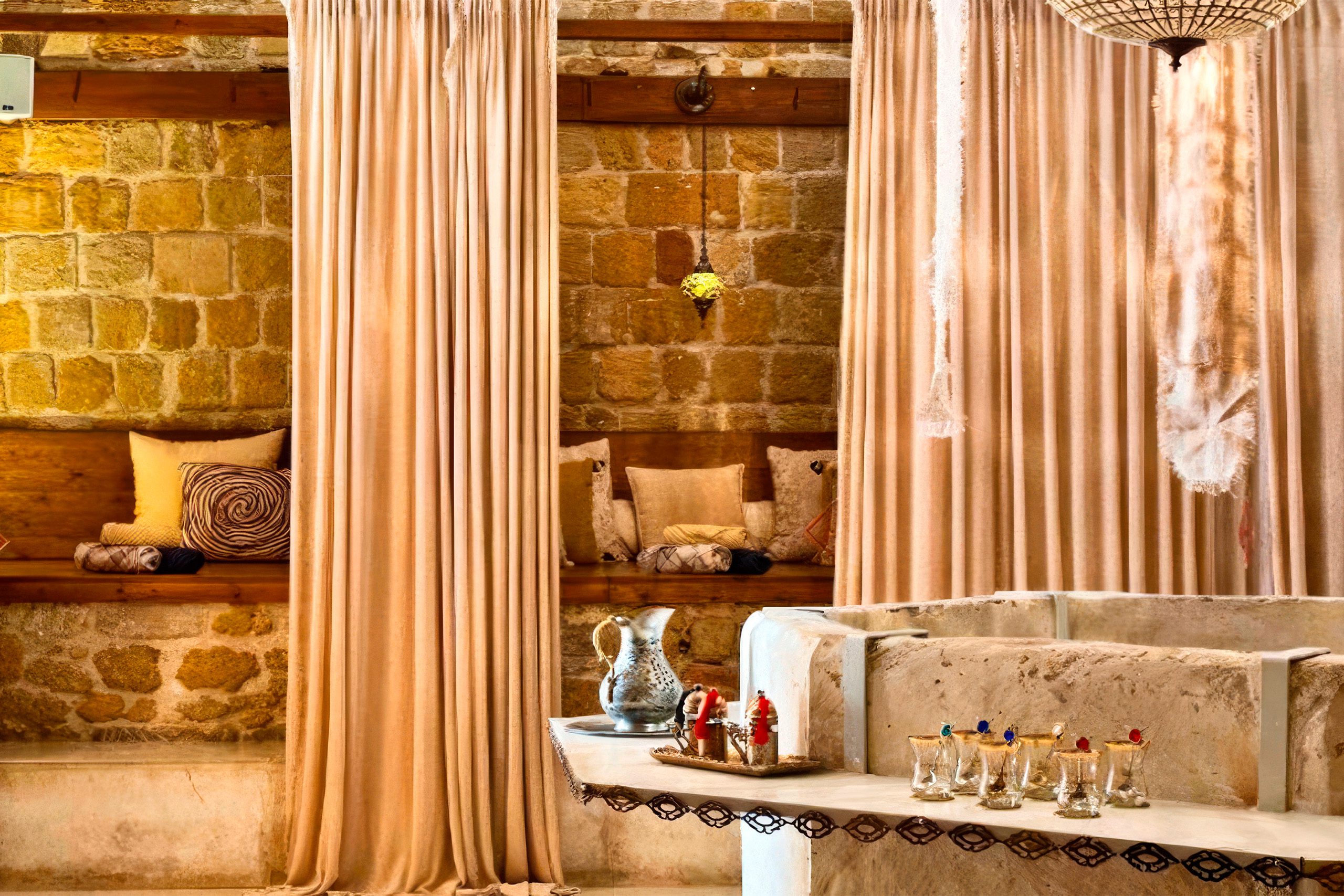
Visitors to operating hamams in Cyprus can experience bathing rituals that would be recognizable to Ottomans from centuries ago. The basic process remains unchanged: warming in the hot room, kese exfoliation, foam massage, rinsing, and resting in the reception area.
The Omeriye Hamam in Nicosia offers daily sessions with various treatment packages. Visitors can choose basic hamam entry to experience the spaces themselves, or opt for complete packages including kese scrub, foam massage, and oil massage. The historic building’s atmosphere, with its stone architecture and domed ceilings, transports visitors to another era despite modern amenities.
The non-operational Paphos hamam serves different educational purposes. As a preserved monument, it allows visitors to examine hamam architecture and understand the building’s function without participating in actual bathing. Informative displays explain the history of bathing traditions and the hamam’s role in Ottoman Cyprus.
The Enduring Legacy of Ottoman Bath Culture in Cyprus
Ottoman baths in Cyprus represent architectural, cultural, and social heritage that enriches the island’s identity. From the Omeriye Hamam’s blend of medieval church remnants and Ottoman design to the Büyük Hamam’s continued operation after centuries, these structures connect modern Cyprus to its Ottoman past.
The hamam tradition demonstrates cultural continuity across empires and religions, from Roman thermae through Byzantine baths to Ottoman hamams and modern wellness spas. Each iteration adapted earlier practices while adding distinctive elements. The Ottoman contribution created institutions that served communities for generations.
Whether visiting an operating hamam for the full traditional experience or examining a preserved hamam to understand its architecture and history, engaging with these structures offers valuable insights into Cyprus’s complex past. They stand as physical evidence that the island’s character formed through layers of influence, each leaving permanent marks on the landscape and culture.