Cyprus has never treated the sea as a boundary. For centuries, its coastline functioned as a working edge where trade, defense, administration, and daily life met. In the modern period, this relationship was shaped most clearly by two naval powers: the Ottoman Empire and the British Empire. Their presence did not simply leave behind forts and harbors. It reshaped how the island was governed, how its ports functioned, and how Cypriots understood their place within the wider Mediterranean world.
This article explores how Ottoman and British naval priorities transformed Cyprus from a regional outpost into a strategic maritime asset, and why that legacy still defines the island’s identity today.
- An Island Positioned to Be Watched
- What “Modern Naval Heritage” Really Means
- The Ottoman Empire and Cyprus as a Maritime Asset
- Ports, Administration, and Everyday Maritime Life
- Transition Without Erasure
- The British Naval Vision for Cyprus
- Naval Landscapes Written in Stone
- Life Shaped by the Sea
- Maritime Identity in the Present
- Why Naval Heritage Still Matters
An Island Positioned to Be Watched
Cyprus sits at a crossroads of the eastern Mediterranean, close enough to Anatolia, the Levant, and Egypt to matter to every power operating in the region. This geography made neutrality impossible. Control of Cyprus meant visibility over key sea lanes, access to sheltered anchorages, and influence across multiple trading and military routes.
Rather than isolating the island, the sea connected it outward. Cyprus became valuable not for its interior alone, but for how its coastline could support movement, surveillance, and supply. This strategic reality explains why naval priorities repeatedly shaped the island’s administration.
What “Modern Naval Heritage” Really Means
When discussing naval heritage in Cyprus, it is easy to imagine fleets and battles. In reality, modern naval heritage is quieter and more structural. It includes harbors designed for logistics, fortifications adapted to changing weapons, administrative systems tied to maritime control, and coastal towns shaped by constant contact with sailors, merchants, and officials.
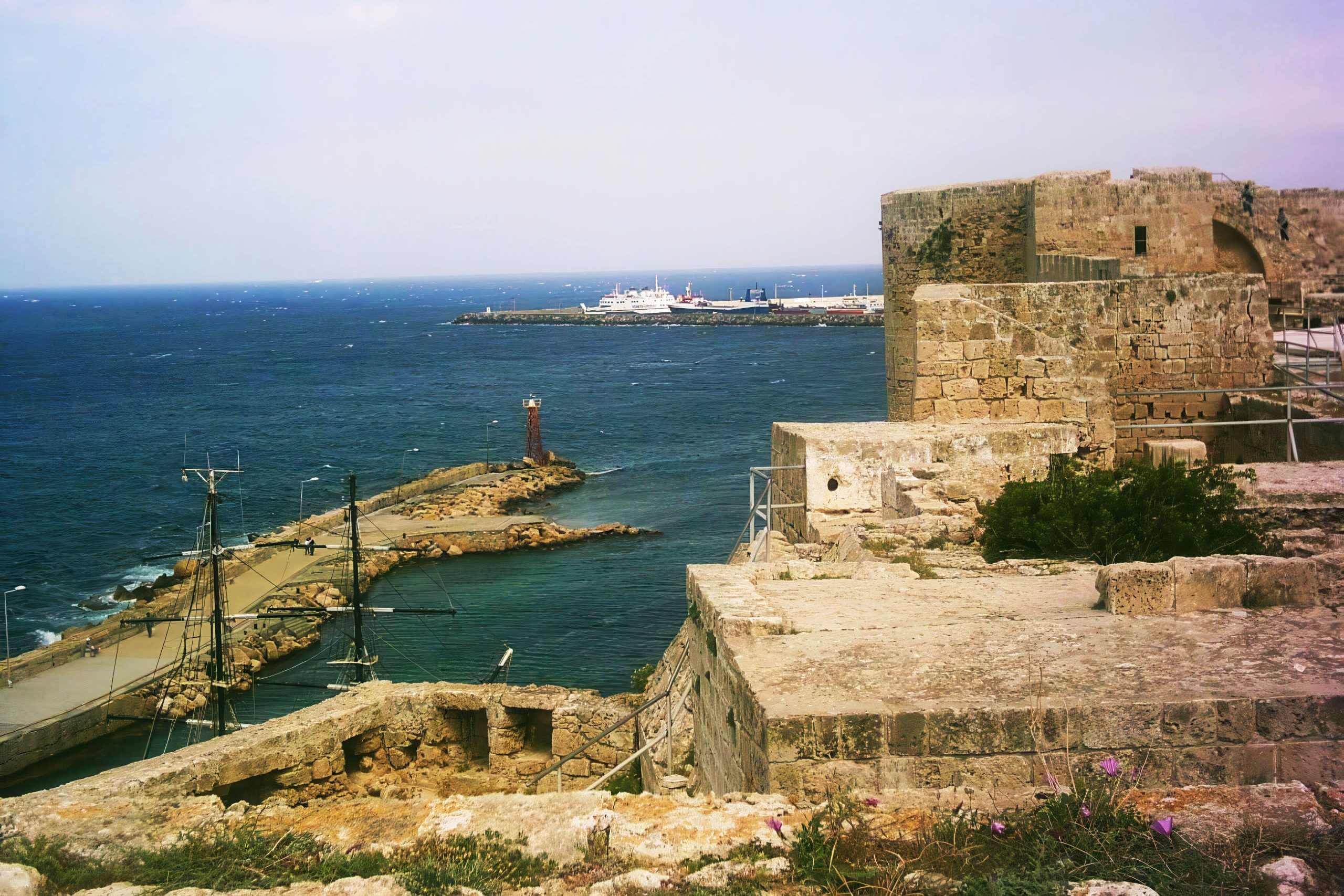
Maritime identity grows from this environment. It reflects how people live with the sea as a source of opportunity and risk, rather than as a distant horizon. In Cyprus, that identity took form under Ottoman rule and was later reorganized under British administration.
The Ottoman Empire and Cyprus as a Maritime Asset
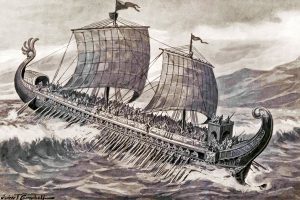
The Ottoman Empire invaded Cyprus in 1570 and completed its conquest in 1571, integrating the island into a vast maritime system that stretched across the eastern Mediterranean. Cyprus was not treated as a frontline naval base, but as a stabilizing asset that supported regional control.
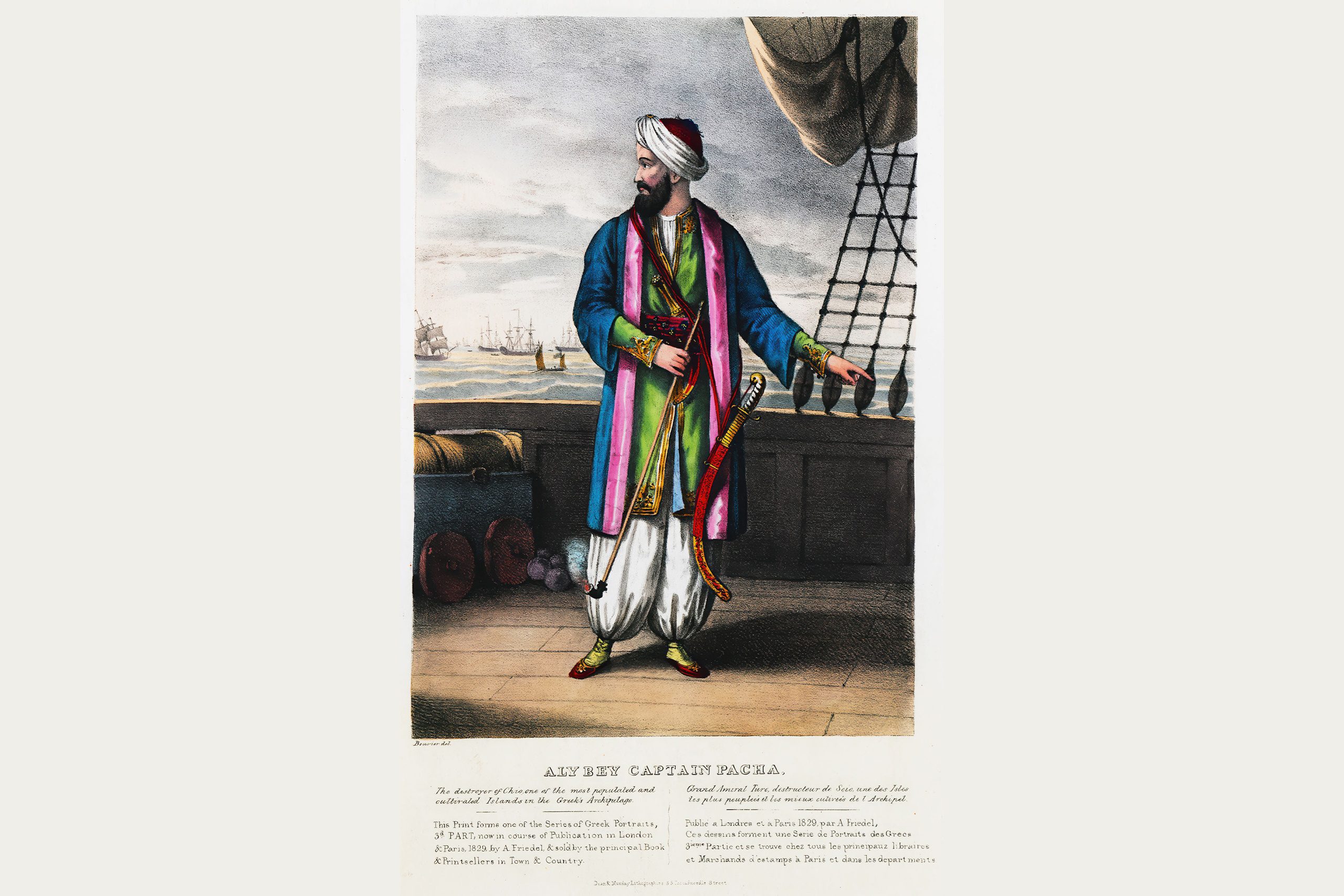
For over a century (1670–1785), the island was administered under the authority of the Kapudan Pasha, the Grand Admiral of the Ottoman Navy. This arrangement highlights how closely governance was tied to naval strategy rather than purely territorial concerns. Cyprus mattered because it helped secure shipping routes and maintain order at sea.
Ports, Administration, and Everyday Maritime Life
Under Ottoman rule, ports such as Famagusta and Larnaca functioned as centers of customs, trade, and provisioning. Rather than hosting large permanent fleets, these ports supported movement, taxation, and maritime administration.
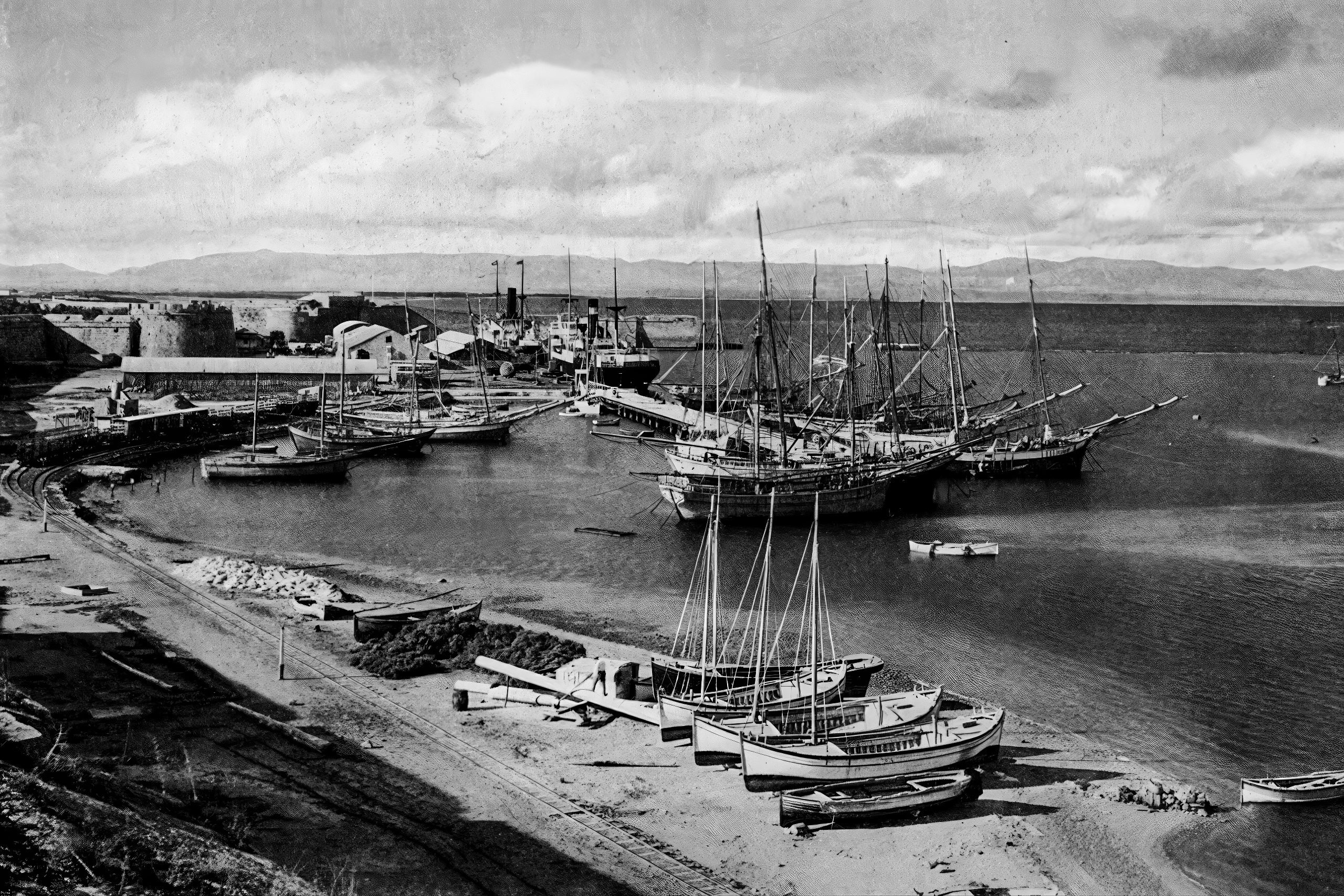
Coastal communities supplied timber, labor, and small-scale vessels. Fishermen, shipwrights, dockworkers, and merchants formed a practical maritime workforce whose skills were passed down locally. This everyday seafaring culture persisted even as imperial structures shifted.
Transition Without Erasure
In 1878, Cyprus entered a new phase when administrative control passed to Britain. Although sovereignty remained formally Ottoman until the British annexed the island in 1914 and declared it a Crown Colony in 1925, British naval logic quickly reshaped the island’s coastline.
This transition was not a clean break. British authorities inherited Ottoman ports and adapted them rather than starting from scratch. Existing maritime practices were reorganized to suit a modern imperial network rather than replaced outright.
The British Naval Vision for Cyprus
For Britain, Cyprus was never intended to rival major naval bases like Malta. Instead, it functioned as a strategic support point positioned near the Suez Canal and Middle Eastern routes. Its value lay in logistics, communication, and regional oversight.
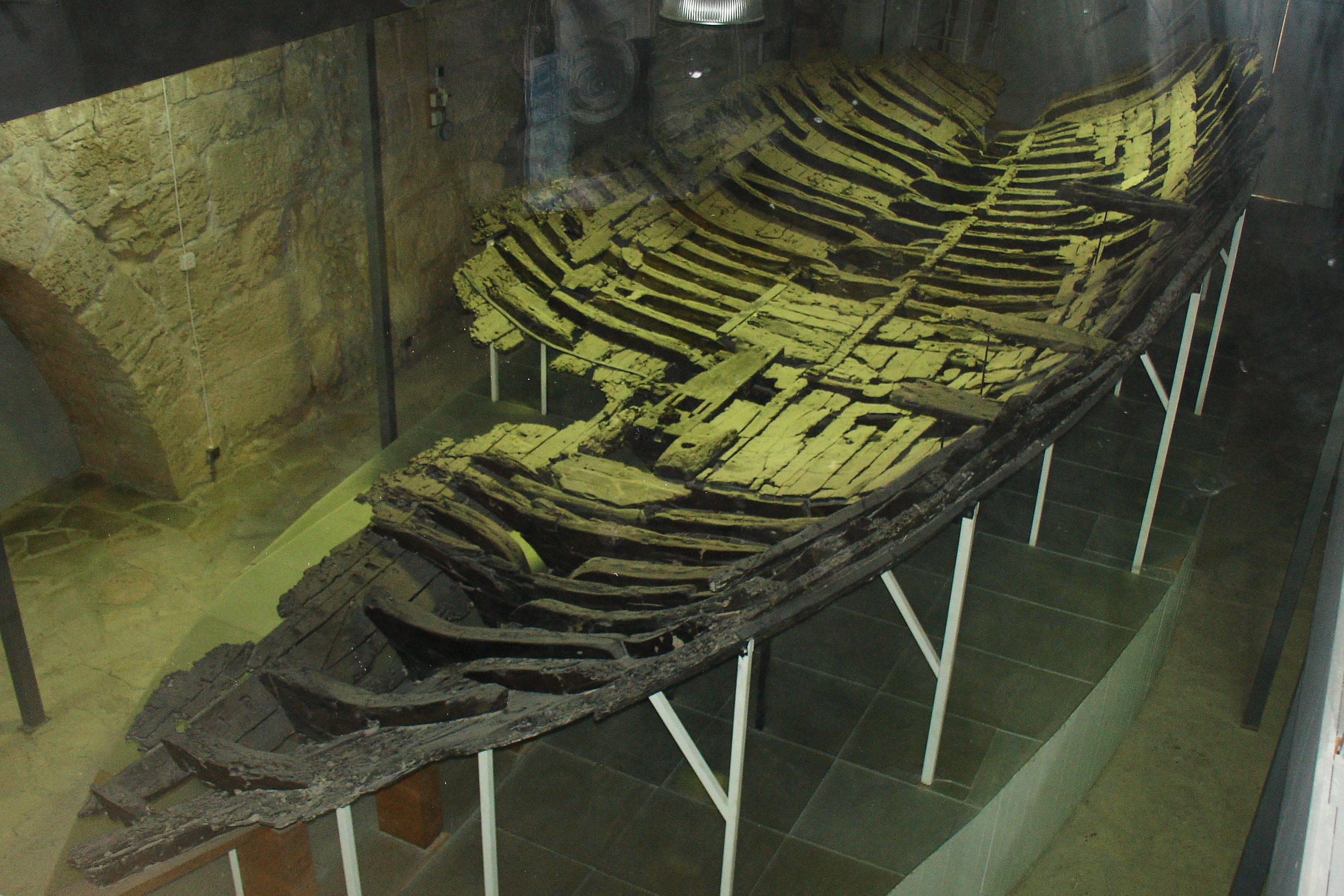
British engineers modernized harbors, introduced new administrative systems, and linked ports to inland centers. Famagusta, in particular, was expanded to accommodate larger vessels and rail connections, transforming it into a modern port even if its full strategic potential was never realized.
Smaller ports such as Kyrenia and Limassol also benefited from infrastructure improvements that reinforced their commercial and administrative roles.
Naval Landscapes Written in Stone
Today, Cyprus’s naval heritage is visible along its shoreline. Venetian walls modified by Ottoman and British engineers, colonial-era piers, warehouses, and harbor layouts form layered coastal landscapes. These are not isolated monuments. They are working spaces that have been reused, adapted, and absorbed into modern life.
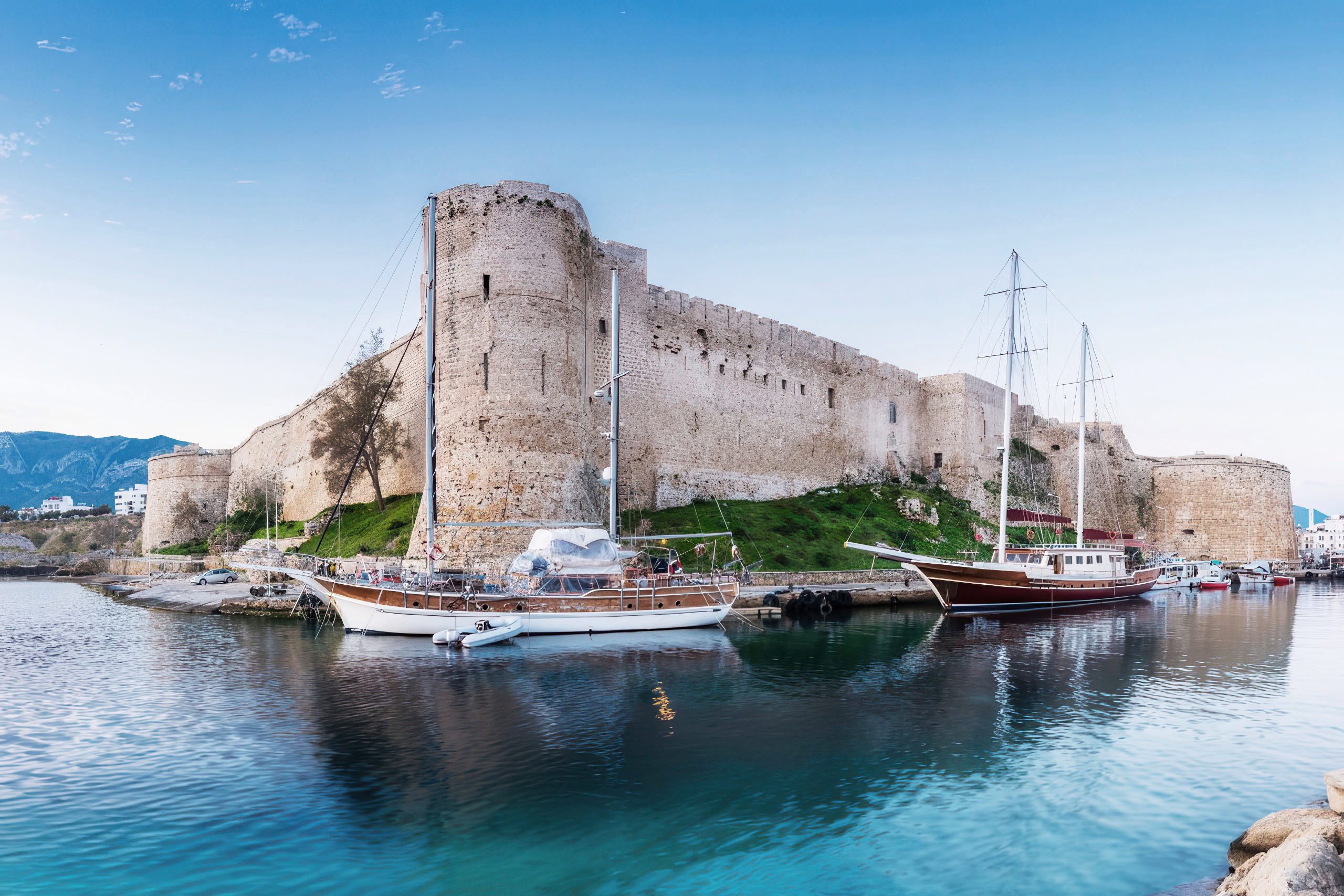
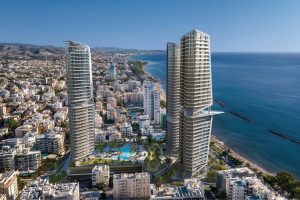
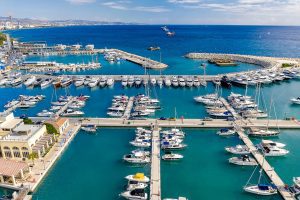
In cities like Limassol, former naval and commercial zones now host promenades and marinas. Yet their orientation toward the sea and their structural logic remain unchanged, quietly preserving their maritime past.
Life Shaped by the Sea
Naval presence influenced more than architecture. It shaped employment patterns, social rhythms, and cultural memory. Dock labor, coastal trade, and maritime services supported families across generations. Religious observances, local customs, and even superstitions reflected the uncertainty of sea travel and the reliance on favorable conditions.
These shared experiences often crossed ethnic and religious boundaries. The sea created common ground, even during periods of political division.
Maritime Identity in the Present
In the modern era, Cyprus has reframed its relationship with naval heritage. Former military ports coexist with tourism, shipping, and leisure. The sea remains central, but its role has shifted from imperial control to cultural continuity.
Museums, restored harbors, and educational initiatives help connect contemporary life with maritime history. Rather than glorifying naval power, they emphasize adaptation and endurance.
Why Naval Heritage Still Matters
Cyprus’s modern maritime identity cannot be understood without its Ottoman and British chapters. Ottoman administration embedded the island into a Mediterranean naval system. British rule modernized and reorganized that system for a global empire.
Together, these periods shaped an island that has always faced outward. Cyprus emerged not as a place surrounded by water, but as a society formed through constant engagement with it. Understanding this naval heritage explains why the sea remains central to Cypriot identity today not as a symbol of dominance, but as a living thread connecting past and present.