Explore Cyprus with Our Interactive Map

Explore our top stories and discover ideas worth your time.

Colonial Road and Infrastructure Networks

Colonial Road and Infrastructure Networks

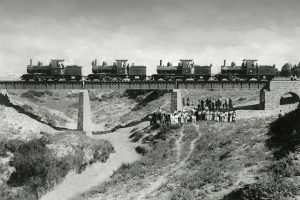
British-built roads, bridges, and public works that transformed mobility, trade, and communication across the island. Colonial Road and Infrastructure Networks in Cyprus mark a pivotal era of transformation under British rule from 1878 to 1960, where engineered roads, bridges, and public works revolutionized the island's connectivity, boosting trade, communication, and economic integration. These projects, spearheaded by the colonial administration, shifted Cyprus from Ottoman-era isolation to a modernized network, linking remote villages to urban centers like Nicosia, Limassol, and Famagusta. Key features included macadamized roads, stone bridges over seasonal rivers, and irrigation dams that supported agriculture, reflecting imperial strategies to exploit resources while imposing control. As symbols of progress and domination, they facilitated troop movements and commerce but also sparked local resistance, highlighting tensions between development and exploitation. Today, many endure as vital arteries, preserved for heritage while adapting to contemporary needs, underscoring Cyprus's journey from colony to independent nation amid ongoing debates on legacy and sustainability. A Transformative Colonial Network Colonial road and infrastructure networks reshaped Cyprus's landscape, creating a web of paved routes, sturdy bridges, and essential public works that connected its rugged terrain, from the Troodos Mountains to coastal plains. Spanning thousands of kilometers by independence, the system included major arteries like the Nicosia-Limassol road and rural links to villages, built to withstand the island's semi-arid climate with…

Read more

Sacred Landscape Representation

Sacred Landscape Representation

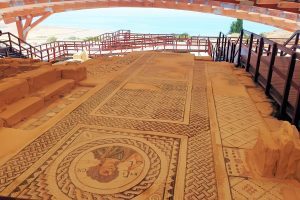
Sacred Landscape Representation in Cypriot art involved the use of motifs such as mountains, seas, fertility symbols, and celestial elements to express the island's profound spiritual connection to nature. These designs went beyond mere decoration, reflecting a worldview where the environment was infused with divine energy, from turbulent waves to bountiful fields. This artistic approach evokes the island's mystical essence, highlighting ancient perceptions of the natural world as a realm of sacred significance. reddit-com A World Expressed Through Art Cypriot art portrayed the landscape as a narrative medium, where natural features conveyed deeper spiritual layers. Mountains symbolized strength and divine oversight, seas evoked origins and transformation, fertility motifs celebrated renewal, and celestial patterns linked earthly existence to cosmic forces. This method remained uncomplicated, emphasizing reverence for nature's power and the island's hallowed character. ancientcyprus-com Origins and Evolution These motifs trace back to the Neolithic and Chalcolithic periods, from approximately 8000 to 2500 BC. Early inhabitants, reliant on farming and herding, incorporated elements reflecting survival and natural cycles into their works. Clay figurines emphasized fertility through wide hips, associating human life with the earth's productivity. metmuseum-org The Bronze Age, beginning around 2500 BC, introduced trade influences from Egypt and Greece. Pottery designs featured wavy lines for seas, symbolizing Aphrodite's emergence, while seals depicted mountains as guardians. Subsequent Greek and Roman periods…

Read more
Resilient Cyprus Brooms

Resilient Cyprus Brooms

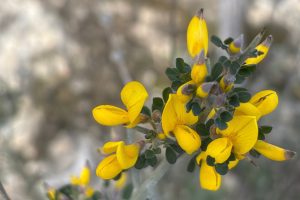
Imagine stepping onto a sun-drenched hillside in Cyprus as spring awakens the land. Suddenly, the dry, thorny scrub lights up with bright bursts of golden yellow, as though someone has scattered handfuls of sunshine across the rocks. These vivid displays come from the brooms of the Genisteae tribe – tough, spiny shrubs that turn the island’s classic maquis into a sea of gold. www.inaturalist.org Pea-Family Pioneers of the Mediterranean Scrub The Genisteae belong to the great legume family Fabaceae, the same group that gives us peas, beans and clover. In Cyprus, two standout members bring the colour and character: Genista fasselata (Fassel’s broom) and Calycotome villosa (hairy thorny broom). Both are evergreen or semi-evergreen shrubs perfectly suited to the island’s rugged, sun-baked slopes from sea level to the cooler heights of the Troodos. Born of Fire and Centuries of Change These plants tell a story as old as the Mediterranean itself. Long before people arrived around 6000 BC, Cyprus wore a cloak of dense forest. Over millennia, human activities – clearing land, grazing goats and accidental fires – transformed much of that woodland into today’s maquis and garigue. In these open, rocky habitats the brooms found their perfect home. Early naturalists exploring the island in the 1860s, such as Unger and Kotschy, noted the aromatic, spiny scrub clothing the hills,…

Read more