Lefkara Lace Village
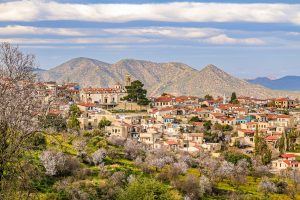
Lefkara is a traditional village in southeastern Cyprus known for its long history of fine lace-making and skilled silversmithing. Located on the southern slopes of the Troodos Mountains, the village combines centuries-old crafts with well-preserved stone buildings. Visitors come from around the world to see the traditional crafts, explore historic houses, and learn about the village’s role in Cypriot culture. Lefkara consists of two connected settlements called Pano Lefkara (Upper Lefkara) and Kato Lefkara (Lower Lefkara). The name Lefkara comes from Greek words meaning “white mountains,” referring to the light limestone used in local buildings and the surrounding landscape. The village sits about 650 metres above sea level and features narrow cobbled streets, stone houses, and historic buildings that show the island’s architectural development over many centuries. Historical Background The history of Lefkara stretches back to Byzantine times, with evidence of settlement in the area from at least the 11th century. Written references to Lefkara appear in the testament of Saint Neophytos, a key figure in Cypriot religious history born nearby. Over the centuries, the village developed through Frankish, Venetian, and Ottoman periods, each leaving architectural and cultural influences that helped shape its character. During the Venetian period (1489–1571), Lefkara became particularly known for its crafts and trade. The lace-making tradition, known locally as lefkaritika, was well established by this…
Read more