Explore Cyprus with Our Interactive Map

Explore our top stories and discover ideas worth your time.

Colonial Roads and Infrastructure

Colonial Roads and Infrastructure

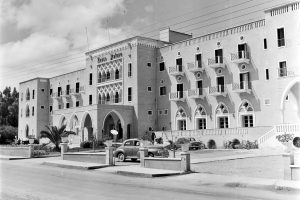
British-built roads, bridges, and public works that transformed mobility, trade, and communication across the island. Colonial Road and Infrastructure Networks in Cyprus mark a pivotal era of transformation under British rule from 1878 to 1960, where engineered roads, bridges, and public works revolutionized the island's connectivity, boosting trade, communication, and economic integration. These projects, spearheaded by the colonial administration, shifted Cyprus from Ottoman-era isolation to a modernized network, linking remote villages to urban centers like Nicosia, Limassol, and Famagusta. Key features included macadamized roads, stone bridges (including the Trimiklini Double Bridge) over seasonal rivers, and irrigation dams that supported agriculture, reflecting imperial strategies to exploit resources while imposing control. As symbols of progress and domination, they facilitated troop movements and commerce but also sparked local resistance, highlighting tensions between development and exploitation. Today, many endure as vital arteries, preserved for heritage while adapting to contemporary needs, underscoring Cyprus's journey from colony to independent nation amid ongoing debates on legacy and sustainability. A Transformative Colonial Network Colonial road and infrastructure networks reshaped Cyprus's landscape, creating a web of paved routes, sturdy bridges, and essential public works that connected its rugged terrain, from the Troodos Mountains to coastal plains. Spanning thousands of kilometers by independence, the system included major arteries like the Nicosia-Limassol road and rural links to villages, built to withstand…

Read more
Salamis to Paphos Historic Routes

Salamis to Paphos Historic Routes

The story of Cyprus roads spans over 3,000 years, from Bronze Age trade routes to Roman highways and modern infrastructure. This network transformed the island from scattered settlements into a connected civilization, linking major cities and remote villages while facilitating trade across the Mediterranean. The earliest roads in Cyprus date back to the Bronze Age, when the island served as a crucial trading hub between the Aegean, Egypt, and the Levant. Cyprus became the principal intermediary station for Mycenaean Greece in accessing Middle Eastern markets, largely due to its copper resources in the Troodos Mountains. By the end of the Hellenistic period, the road network encircled the entire island. During the Late Bronze Age between 1400 and 1150 BCE, trade with Minoan Crete and Mycenaean Greece increased dramatically. Archaeological evidence shows that Mycenaean pottery exports to Cyprus surged to over 3,500 vases across nearly two centuries. These goods traveled along established land routes that connected coastal ports to interior settlements. Historical Context The Romans transformed Cyprus's road infrastructure after annexing the island in 58 BCE. The first Roman roads were funded directly by the Emperor, though by the Severan dynasty the island had grown wealthy enough to finance its own construction. Roads converged on Salamis, the main economic center, with minor roads radiating outward to connect the surrounding agricultural areas…

Read more
Cyprus Narrative Wall Paintings

Cyprus Narrative Wall Paintings

Narrative Storytelling Through Sequential Imagery in Cypriot Art involved the use of connected visual elements to convey myths, rituals, or sacred events within limited spaces such as walls or floors. This technique transformed individual scenes into cohesive narratives, engaging viewers with tales of deities, heroes, and everyday experiences without relying on text. Comparable to early forms of sequential illustration, it encouraged exploration of deeper layers through progressive imagery. A Method for Conveying Complex Narratives in Compact Forms Cypriot art employed sequential imagery to construct dynamic stories despite spatial constraints. Rather than isolated depictions, series of linked scenes unfolded myths, such as divine births from the sea, or rituals celebrating fertility and harvests. This approach allowed intricate concepts to fit into confined areas, like domestic floors or vessel surfaces, fostering reflection on cultural and spiritual themes. Origins on the Island This narrative style emerged in the Bronze Age around 2000 BC, amid Cyprus's role as a trade nexus incorporating elements from Greece, the Near East, and Egypt. Early pottery featured basic sequences illustrating hunts or dance rituals. The Iron Age after 1050 BC introduced Greek mythological influences, with friezes on temple walls depicting events like Aphrodite's emergence in ordered panels. Roman periods from 58 BC advanced the form through elaborate mosaics in villas, where floors served as narrative canvases for legends.…

Read more