Explore Cyprus with Our Interactive Map

Explore our top stories and discover ideas worth your time.

Olive Trees in Cyprus

Olive Trees in Cyprus

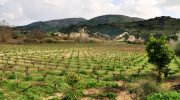
On rocky hillsides and gentle terraces across Cyprus, trees with shimmering silver-green leaves stand like wise elders, their twisted trunks telling stories of centuries under the Mediterranean sun. These are the olive trees, living treasures that have shaped the island’s landscape, diet and culture since the dawn of human settlement here. A Classic Evergreen of the Olive Family Known to science as Olea europaea, the olive belongs to the family Oleaceae within the order Lamiales. In Cyprus it thrives both as the familiar cultivated form in orchards and as the wild oleaster (Olea europaea var. sylvestris), a tougher, smaller-fruited version that grows naturally in maquis and garigue vegetation alongside carob and wild pistachio. Echoes from the Dawn of Cypriot Civilisation Olives have been part of Cyprus since at least the Bronze Age, with ancient pollen records and archaeological finds showing they were already valued for oil and fruit more than 4,000 years ago. Phoenician, Greek and Roman settlers expanded their cultivation, while the wild oleaster formed part of the original maquis shrublands described in 19th-century British forest reports. Over time, centuries of human care turned scattered wild trees into the productive groves that still cloak the island’s lower slopes today. Graceful Form and Enduring Strength The olive is an evergreen tree reaching 8–15 metres, with a short, often gnarled trunk…

Read more
Cyprus Lifestyle & Leisure

Cyprus Lifestyle & Leisure

Cyprus offers more than 300 days of sunshine per year and a coastline awarded numerous Blue Flag distinctions, making outdoor activities and water sports a highlight of island life. With its warm Mediterranean climate, there are very few days lost to bad weather. The island's geography and climate support diverse recreational pursuits from paragliding and climbing to sailing and scuba diving, and even skiing on the snowcapped Troodos Mountains for a few weeks each year. Whether you prefer active sports, cultural activities, or relaxed social clubs, Cyprus provides countless ways to enjoy leisure time throughout the year. Water Sports Along the Coastline Swimming represents the most accessible water activity. Public pools are available in major towns like Nicosia, Larnaca, and Limassol, featuring both Olympic-sized facilities and family pools with flexible entry options including day passes or seasonal memberships. Many locals prefer sea swimming, which is usually safe and possible year-round, particularly in the more sheltered southern beaches. Recognized swimming zones ensure safety for swimmers of all abilities. Scuba diving in Cyprus is world-class. The Zenobia wreck off the coast of Larnaca is a bucket-list dive site regularly featured in global rankings among the top ten wreck dives worldwide. The 172-meter Swedish roll-on roll-off ferry sank on her maiden voyage in 1980 and now rests at depths ranging from 16 to…

Read more
Artemis Trail (Troodos)

Artemis Trail (Troodos)

The Artemis Trail circles the highest peak in Cyprus at nearly 2,000 meters above sea level, where black pine forests meet panoramic mountain views. This 7-kilometer loop takes hikers around Mount Olympus through one of the island's most distinctive natural environments. The trail offers an accessible mountain experience that combines ancient forests, geological curiosities, and views that stretch from the Troodos peaks to the distant Mediterranean coast. The trail is a circular route that takes between 2.5 to 3 hours to complete, with minimal elevation change throughout the walk. Despite its high altitude location, the path remains relatively flat, making it accessible to hikers of various fitness levels. The trail forms part of the Troodos National Forest Park and sits within a protected NATURA 2000 area. Historical Background The trail takes its name from Artemis, the ancient Greek goddess of wilderness and wild animals. In Greek mythology, Artemis was the daughter of Zeus and Leto, and the twin sister of Apollo. She was known as a fierce protector of forests, mountains, and untamed nature. The connection between the goddess and this mountain trail reflects both the wild character of the location and its role as a protected natural environment. Along the route, hikers encounter ruins of makeshift fortifications known as 'Teishia tis Palaias Choras'. These stone remnants date back to…

Read more