Explore Cyprus with Our Interactive Map

Explore our top stories and discover ideas worth your time.

Palaepaphos Kouklia

Palaepaphos Kouklia

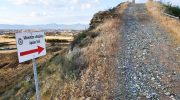
Kouklia is a village in the Paphos District built over the site of the ancient city of Palaepaphos, mythical birthplace of Aphrodite, which became the centre for her worship in the ancient world. This modest village 16 kilometers east of modern Paphos holds the remains of one of the longest continuously operating religious sanctuaries in human history. From around 1200 BC, Palaepaphos was a major religious centre famous all over Cyprus and throughout the Mediterranean. The city served as both a political capital and a sacred site, where the ancient goddess of fertility transformed over centuries into the Greek deity known as Aphrodite. The Sanctuary of Aphrodite is the most famous of the Ancient Greek Goddess' sanctuaries, and its ancient remains date back to the 12th century BC, whilst it remained a place of worship until the 3rd to 4th centuries AD. The sanctuary occupied a commanding position on a limestone plateau overlooking what was once a harbor and lagoon. According to Professor Maria Iacovou from the University of Cyprus, the sanctuary would have been located very close to the original port authority of ancient Paphos. The strategic location connected the religious site directly to sea routes, which brought pilgrims from across the Mediterranean world. Historical Background The Cypriots worshipped a goddess of fertility from as early as the Chalcolithic…

Read more
Finikoudes Beach Larnaca

Finikoudes Beach Larnaca

Finikoudes Beach stretches 600 meters along Larnaca's central seafront, backed by a palm-lined promenade that serves as the city's main social gathering space. The beach takes its name from the Greek word for small palm trees, referring to the baby palms planted along the promenade in 1922. Those original trees have now reached full height and stand as defining features of Larnaca's coastal identity. This urban beach offers direct access to the Mediterranean from the heart of Cyprus's third-largest city, with shallow waters that extend 25 to 30 meters from shore before reaching deeper zones. From Fishing Village to Tourist Destination Larnaca sits on the site of ancient Kition, established in the 13th century BC as a Mycenaean settlement. The city served as a copper trading hub and maintained continuous habitation for over 3,000 years. The modern Finikoudes area developed much later as Larnaca transformed from a modest coastal town into an international gateway. Historical records from the 16th and 17th centuries describe Larnaca as containing only around 300 houses, most built from stone and mud brick. The promenade's development fundamentally changed the relationship between Larnaca's old town and its waterfront. The reconstruction and improvement of Piale Pasha Avenue, which connects Finikoudes with the Mackenzie tourist area, was completed on July 29, 2014. This project unified Larnaca's entire seafront through…

Read more
Kampanopetra Basilica

Kampanopetra Basilica

The Basilica of Kampanopetra is an extensive archaeological complex located within the ancient city of Salamis, near modern Famagusta in Cyprus. Dating to the late 5th or early 6th century CE, it represents one of the largest early Byzantine architectural remains on the island. The site formed part of Constantia, the name given to Salamis after major earthquakes in the 4th century CE led to a large scale reconstruction of the city. The complex is arranged in a long, structured sequence of spaces extending along an east west axis. It includes a large courtyard, entrance halls, a monumental three aisled central hall, and an additional eastern courtyard. In total, the structure extends over 150 meters in length, reflecting the scale and ambition of major public architecture in Late Antiquity. Its proportions indicate that it was designed to accommodate large gatherings and to serve an important civic and institutional function within the reorganized city. The name Kampanopetra has been interpreted in different ways, with some linking it to later monastic activity in the area and others associating it with local topographical or architectural features. Regardless of its exact origin, the name reflects the continued use of the site in later centuries after its original function had ceased. Historical Background Salamis was among the most prominent urban centers of ancient Cyprus. Founded…

Read more