Explore Cyprus with Our Interactive Map

Explore our top stories and discover ideas worth your time.

Kalavasos Tenta, Cyprus

Kalavasos Tenta, Cyprus

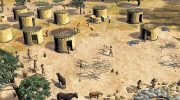
Four kilometers from the village of Kalavasos, on a small hill overlooking the Vasilikos River valley, archaeologists uncovered one of Cyprus's earliest permanent settlements. Kalavasos-Tenta dates to around 8000-6000 BC and predates the more famous Choirokoitia by nearly a millennium. Today, a distinctive cone-shaped shelter protects the circular stone houses where some of the island's first farming communities lived over 9,000 years ago. Kalavasos-Tenta is an Aceramic Neolithic settlement located 38 kilometers southwest of Larnaca and 45 kilometers south of Nicosia. The site occupies a naturally defensible hill on the west side of the Vasilikos valley, positioned to command views of the surrounding agricultural land and the river that provided water for crops and livestock. The settlement represents the Aceramic Neolithic period, meaning its inhabitants lived before pottery was introduced to Cyprus. Archaeological evidence shows occupation from around 8000 BC through the 6th millennium BC, making it contemporary with other early Cypriot sites like Shillourokambos and Mylouthkia. The population during its peak likely never exceeded 150 people based on the size and number of structures excavated. According to local tradition, the site's name derives from a much later event in 327 AD, when Saint Helena, mother of Constantine the Great, stayed in a tent at this location during her visit to Cyprus following the discovery of the True Cross in…

Read more
Ritual Function Over Aesthetic Realism

Ritual Function Over Aesthetic Realism

Ritual function over aesthetic realism in ancient Cypriot art meant creators focused more on making pieces that worked for spiritual purposes and clear symbols, rather than looking exactly like real life. This approach turned sculptures, pots, and carvings into tools for rituals, devotion, and symbolic clarity, putting heart and belief ahead of perfect looks. It's a style that makes art a bridge to the divine, sparking curiosity about what really mattered to island people long ago. A Style Built for Meaning, Not Mirrors Ancient Cypriot art placed practical use in rituals above lifelike details, creating items that served spiritual needs with bold, straightforward designs. Figures often appeared with exaggerated features or stiff poses, not from lack of ability, but to highlight symbols that carried deep significance. Across the island, from coastal temples to inland villages, this art helped connect communities with spirits, honor life's cycles, and bring order to daily existence. The simplicity allowed for easy recognition during ceremonies, where the focus stayed on the message rather than visual perfection. The Roots of Purposeful Art Cypriot art's emphasis on ritual began in the Neolithic period, around 8500 BC, when early settlers shaped clay and stone into forms tied to their survival needs. Excavations at Choirokoitia, a southern village site from 7000 BC, uncovered basic figurines with minimal features, such as…

Read more
Cyprus Scenic Mountain Passes

Cyprus Scenic Mountain Passes

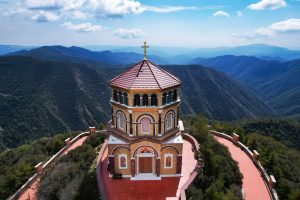
Cyprus mountain roads offer some of the Mediterranean's most spectacular drives, with routes that climb from sea level to nearly 2,000 meters through ancient forests, traditional villages, and panoramic viewpoints. These roads showcase the island's dramatic geography while connecting travelers to centuries of history and natural beauty. Mount Olympus Road The road to Mount Olympus climbs to 1,952 meters above sea level, making it the highest point on the island. Two military bases occupy the summit, one British, limiting public access to the very top. However, roads leading toward the peak provide stunning views of surrounding valleys and forests. The journey starts from several possible directions, with routes from Limassol through Platres being among the most popular. The ascent features countless switchbacks and hairpin turns as the road gains elevation. Dense pine forests cover the mountainsides, giving way to more exposed terrain at higher altitudes. Winter transforms this area into Cyprus's only ski destination, with snow covering the peaks from January through March. Drivers should fill fuel tanks before attempting the climb because petrol stations become scarce above 1,000 meters. The temperature drops noticeably with altitude, sometimes falling 10 degrees Celsius cooler than coastal areas. This makes the mountain roads a welcome escape during summer heat but creates challenging conditions in winter when ice forms on shaded sections. Cedar Valley…

Read more