Explore Cyprus with Our Interactive Map

Explore our top stories and discover ideas worth your time.

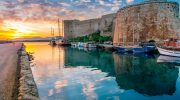
Fig Tree Bay: Cyprus’s Most Famous Beach

Fig Tree Bay: Cyprus’s Most Famous Beach

Fig Tree Bay is one of Cyprus’s most recognizable beaches, yet its appeal has never depended on novelty or spectacle. Located in the heart of Protaras on the island’s eastern coast, the bay combines clear, shallow water, soft sand, and a naturally sheltered shape that makes it easy to enjoy without effort. It is popular without feeling overwhelming, developed without feeling artificial, and familiar without becoming dull. This balance explains why Fig Tree Bay continues to attract visitors year after year and why it remains just as important to local life as it is to tourism. A Beach Defined by Shape, Not Hype At its core, Fig Tree Bay is a gently curved, sandy bay facing the Mediterranean Sea. Unlike long, exposed coastlines, the bay is semi-enclosed by low rocky edges that soften incoming waves and create consistently calm conditions. The shoreline slopes gradually into the sea, allowing people to wade far out before reaching deeper water. This physical shape is the bay’s greatest asset. It creates a swimming environment that feels predictable and safe rather than dramatic or demanding. The water rarely feels aggressive, and strong currents are uncommon close to shore. These conditions are not accidental they are the result of geography rather than engineering, and they explain why the bay has always been naturally suitable for bathing.…

Read more
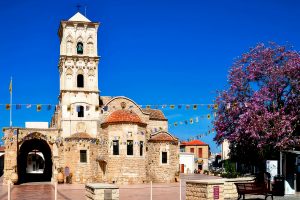
Community Spaces in Cyprus

Community Spaces in Cyprus

Community spaces in Cyprus function as the invisible framework that holds daily life in place. The kafeneion with its backgammon players, the plateia shaded by ancient trees, the municipal park where families gather on Sunday afternoons. These are not monuments or attractions. They are the places where neighbors meet, where conversations happen, where children play while parents talk. Cyprus measures its social life not in grand gestures but in these small, repeated gatherings. A village square might see the same faces every morning for decades. A coffee shop operates as an unofficial town hall. A public park becomes the setting for birthdays, first dates, and quiet evenings. Understanding Cyprus means understanding these spaces. The Kafeneion: More Than Just Coffee Traditionally, nearly all coffee shops in rural Cyprus were located in and around the main village square, and they, along with other notable businesses, often created a hub of activity. The kafeneion emerged during Ottoman times when coffee became central to social life. Men gathered to drink coffee, play backgammon, discuss politics, and share news. This pattern persisted for centuries. According to 'A survey of rural life in Cyprus,' which was published by the British Government in 1930, the average amount of money spent by most Cypriots at their local coffee shop was around 10% of their annual income. This figure…

Read more
Buffavento Castle Cyprus

Buffavento Castle Cyprus

Buffavento Castle stands at 960 meters above sea level in the Kyrenia mountain range of Cyprus. This medieval fortress is the highest and least preserved of three Byzantine strongholds built along the mountains. The name comes from Italian and means "Defier of the Winds," a fitting description for a castle constantly exposed to mountain winds at this elevation. The castle sits between St. Hilarion Castle to the west and Kantara Castle to the east, forming a defensive line across the Kyrenia Mountains. All three castles are visible from each other, allowing them to pass signals and warnings. Buffavento guarded the mountain passage from Kythrea to the north coast, controlling movement between the coastal plain and the interior. The location provides views in every direction. Looking north across the Mediterranean Sea, visitors can see the Turkish coast approximately 65 kilometers away on clear days. To the south, the Mesaoria Plain stretches toward Nicosia. On exceptionally clear days, Famagusta to the east and the Troodos Mountains to the south are visible. The castle overlooks nearly half the island from its rocky peak. The steep cliffs surrounding the fortress made it naturally defensible. The north, east, and west sides are protected by sheer drops, with only the southern approach allowing access. Historical Background The exact construction date remains unknown, though most historians believe…

Read more