Explore Cyprus with Our Interactive Map

Explore our top stories and discover ideas worth your time.

Seasonal Folk Rituals in Cyprus

Seasonal Folk Rituals in Cyprus

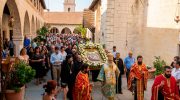
Seasonal folk rituals in Cyprus are vibrant traditions that blend ancient agrarian customs with Christian influences, marking the island's cycles of renewal, harvest, and protection. From spring bonfires warding off evil to autumn feasts celebrating abundance, these practices foster community bonds and a deep connection to the land. They offer a glimpse into how Cypriots have long navigated life's uncertainties through shared acts of faith and joy, keeping cultural roots alive in a modern world. Echoes of an Agrarian Past Think of Cyprus as a place where the calendar isn't just dates on a page - it's a rhythm dictated by sun, rain, and soil. For millennia, life here revolved around farming and herding, where a good season meant plenty and a bad one spelled hardship. Seasonal folk rituals sprang from this reality, serving as ways to appeal to unseen forces for protection, fertility, and luck. They're not rigid ceremonies but flexible expressions of hope, passed down through generations in villages where everyone pitched in. Whether lighting a fire or sharing a meal, these acts made the unpredictable feel a bit more manageable, turning nature's turns into communal stories. A History Rooted in Survival and Faith These rituals stretch back to prehistoric times, around 3000 BC, when early Cypriots depended on the island's fertile valleys and copper-rich hills for sustenance.…

Read more
Cyprus Scenic Lanes – Hills & Local Life

Cyprus Scenic Lanes – Hills & Local Life

Cyprus scenic lanes wind through agricultural fields, olive groves, and mountain villages far from coastal tourist centers. These narrow roads connect rural settlements and farmland, offering glimpses into traditional Cypriot life that has changed little over generations. The countryside lanes range from paved roads between villages to dirt tracks through vineyards and wheat fields. Unlike major highways, these routes meander through natural landscapes where farmers still tend crops by hand and donkeys carry loads up hillsides. Travelers who venture beyond main roads discover the authentic rhythm of rural Cyprus. Stone houses with wooden balconies, elderly residents sitting in doorways, children playing in village squares, and farmers working terraced fields create scenes that feel timeless. The slower pace allows observation of details easily missed from expressways. Agricultural Routes Through History Cyprus has maintained agricultural roads for thousands of years. Ancient pathways connected farms to market towns, enabling trade in wheat, olives, wine, and copper. Many modern lanes follow routes established during Byzantine times or earlier. The Mesaoria Plain, stretching between the Troodos and Kyrenia mountain ranges, developed an extensive network of agricultural roads. This central plain became the island's breadbasket, producing cereals that fed communities across Cyprus. Farmers needed reliable routes to transport harvests to coastal ports for export. Mountain roads evolved differently. Villages in the Troodos range required paths that…

Read more
Three Cyprus crocuses

Three Cyprus crocuses

As winter's grip loosens on Cyprus's high peaks, delicate blooms emerge like whispers of color against the white. Cyprus is home to three special crocuses — endemic treasures found nowhere else — that brighten rocky slopes with lilac, white, and purple hues. But what makes each one unique, and how have they survived in this island paradise for millennia? What Are These Charming Little Snow Defiers? These crocuses are small, wild flowers that grow from hidden bulbs underground, much like the colorful ones we plant in gardens. They're part of the iris family, a big group of plants known for their elegant petals and roles in everything from spices to myths. In Cyprus, these three — Crocus cyprius, Crocus hartmannianus, and Crocus veneris — add a touch of magic to the island's wild spots, blooming when most plants are still asleep. A Blooming Legacy from Cyprus's Ancient Times The crocus family sprouted in the Miocene, spreading across the Mediterranean and giving Cyprus its own versions, first noted by 19th-century explorers Boissier and Kotschy who named them after the island's beauty. Envisioning Three Distinctive Mountain Beauties Each of these crocuses has its own look that sets it apart. Crocus cyprius, or Κύπριος κρόκος (meaning "Cypriot crocus"), grows 5-10 cm tall with grass-like leaves striped white in the middle and funnel-shaped flowers…

Read more