Explore Cyprus with Our Interactive Map

Explore our top stories and discover ideas worth your time.

Cyprus Public Holidays Traditions

Cyprus Public Holidays Traditions

Cyprus observes 14 official public holidays each year that reflect the island's Orthodox Christian heritage and national independence struggles. These holidays close government offices, banks, and most businesses, transforming the island into spaces for religious devotion, family gatherings, and patriotic commemoration. The Greek Orthodox Church dominates the religious calendar, with major feasts marking key events in Christian tradition. National holidays commemorate Cyprus's fight for independence from British rule and solidarity with Greece's resistance during World War II. Unlike many Western countries, Cyprus follows the Orthodox calendar for Easter and related holidays, meaning they often fall on different dates than Catholic or Protestant celebrations. Understanding this calendar helps visitors plan trips and appreciate the deep connection between religious practice and Cypriot identity. The year begins with blessings and baptism New Year's Day on January 1 marks the start of celebrations with family gatherings, fireworks, and traditions welcoming a fresh beginning. Cypriots exchange gifts and spend the day with loved ones. Epiphany on January 6 commemorates the baptism of Jesus Christ in the Jordan River and holds special significance for Cyprus. Church services are accompanied by the Blessing of the Waters ceremony where priests throw a cross into the sea and young men dive to retrieve it. The person who recovers the cross receives blessings for the entire year. The ritual often…

Read more
Cyprus Scenic Lanes – Hills & Local Life

Cyprus Scenic Lanes – Hills & Local Life

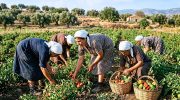
Cyprus scenic lanes wind through agricultural fields, olive groves, and mountain villages far from coastal tourist centers. These narrow roads connect rural settlements and farmland, offering glimpses into traditional Cypriot life that has changed little over generations. The countryside lanes range from paved roads between villages to dirt tracks through vineyards and wheat fields. Unlike major highways, these routes meander through natural landscapes where farmers still tend crops by hand and donkeys carry loads up hillsides. Travelers who venture beyond main roads discover the authentic rhythm of rural Cyprus. Stone houses with wooden balconies, elderly residents sitting in doorways, children playing in village squares, and farmers working terraced fields create scenes that feel timeless. The slower pace allows observation of details easily missed from expressways. Agricultural Routes Through History Cyprus has maintained agricultural roads for thousands of years. Ancient pathways connected farms to market towns, enabling trade in wheat, olives, wine, and copper. Many modern lanes follow routes established during Byzantine times or earlier. The Mesaoria Plain, stretching between the Troodos and Kyrenia mountain ranges, developed an extensive network of agricultural roads. This central plain became the island's breadbasket, producing cereals that fed communities across Cyprus. Farmers needed reliable routes to transport harvests to coastal ports for export. Mountain roads evolved differently. Villages in the Troodos range required paths that…

Read more
Cyprus Salt Lakes Nature Reserve

Cyprus Salt Lakes Nature Reserve

Cyprus is home to two major salt lake systems that serve as crucial stops for thousands of birds during their migration between Europe and Africa. The Larnaca Salt Lake complex lies near the island's southeastern coast, while the Akrotiri Salt Lake sits southwest of Limassol. Both wetlands hold international ecological significance and attract up to 20,000 flamingos each winter, along with dozens of other bird species. The Larnaca Salt Lake Complex The Larnaca Salt Lake consists of four interconnected salt lakes covering 1,761 hectares southwest of Larnaca town. The largest lake is called Aliki, followed by Orphani, Soros, and the smallest, Airport Lake. The Airport Lake was separated from Orphani when Larnaca International Airport's runway was built, cutting it off from the main complex. The lakes measure 2.2 square kilometers total and sit just off the road to Larnaca International Airport, making them one of the area's most recognizable landmarks. Water depth reaches a maximum of one meter during winter. The lakes fill with water during the rainy season from November through March, then dry completely by summer, leaving exposed salt flats. During winter, between 2,000 and 12,000 greater flamingos arrive at Larnaca Salt Lake to feed on abundant brine shrimp. The dark red algae in the lake forms the base of the food chain, as the small shrimp feed…

Read more