Explore Cyprus with Our Interactive Map

Explore our top stories and discover ideas worth your time.

Cyprus Village Prayer Traditions

Cyprus Village Prayer Traditions

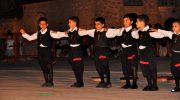
Daily prayer life in traditional Cyprus villages revolved around Orthodox Christian practices that structured time according to liturgical calendars rather than secular schedules. Families maintained home iconostases with oil lamps burning constantly before sacred images, recited morning and evening prayers, blessed meals with the sign of the cross, and observed fasting periods that eliminated meat and dairy for approximately 180 days annually. The village church anchored communal religious life through Sunday Divine Liturgies, daily services during Lent and Holy Week, and feast day celebrations honoring patron saints. These panigyria transformed routine existence into sacred time through extended liturgies, icon processions, communal feasting, folk music, and traditional dances that reinforced religious identity while strengthening social bonds. The Orthodox calendar provided the framework for Cyprus life, with Easter as the spiritual pinnacle, the Dormition of the Virgin Mary on August 15 drawing massive pilgrimages, and Epiphany water blessings on January 6 purifying homes and communities. Home Prayer and Icon Veneration Orthodox practice centered the home around a dedicated iconostasis, typically a corner shelf or small cabinet displaying sacred images of Christ, the Virgin Mary, and family patron saints. Families kept oil lamps lit continuously before these icons, with the flame representing eternal prayer and divine presence within domestic space. Women bore primary responsibility for maintaining lamps, ensuring adequate oil supply, and replacing…

Read more
Vouni Palace in Cyprus

Vouni Palace in Cyprus

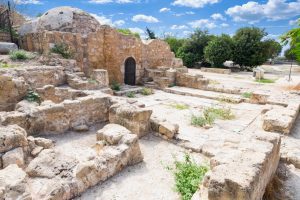
Perched on a rocky hilltop 250 meters above the Mediterranean Sea, the ruins of Vouni Palace stand as a remarkable architectural anomaly in ancient Cyprus. This site represents the only known example of Persian palace design not just on the island but throughout the entire eastern Mediterranean, built during one of history's most intense power struggles between two great civilizations. Historical Background Around 500 BC, Cyprus found itself caught in the crossfire of the great wars between the Persian Empire and the Greek city-states. The island's ten kingdoms split into opposing camps, with some supporting the Persians and others backing the Greeks. This division led to bitter conflicts across Cyprus, on both land and sea. The ancient city of Soli, located near modern Lefke on the northwest coast, firmly supported the Greek cause. This position threatened Marion, a nearby pro-Persian kingdom situated close to present-day Polis. King Doxandros of Marion, a ruler loyal to the Persian Empire, decided to take action against his pro-Greek neighbor. In 500 BC, Doxandros established a military settlement on a strategic hill overlooking Soli. The location was perfect for surveillance. From this elevated position, Persian forces could monitor all sea traffic along the coast and observe every activity in the city below. What began as a simple military outpost would transform into one of ancient…

Read more
Cyprus Grape Wine Festivals

Cyprus Grape Wine Festivals

Wine and grape festivals in Cyprus are not simply seasonal entertainment. There are moments when the island pauses to acknowledge a cycle that has shaped its landscape, economy, and identity for thousands of years. As vineyards empty and presses fill, villages and cities transform the harvest into a shared experience, blending labour, celebration, and continuity in ways that feel both ancient and alive. To attend a Cypriot wine festival is to step into a rhythm older than tourism, older than modern agriculture, and older than written records. It is where grapes become wine, and wine becomes a social language through which people gather, perform, and remember. When the Harvest Became a Community Ritual Harvest time in Cyprus has always been collective. Families and neighbours worked vineyards together, carried baskets under the sun, and shared tools and meals across property boundaries. The work was demanding, but it was also deeply social, and the end of the harvest naturally invited celebration. Wine and grape festivals emerged from this pattern of shared labour. They are not artificial events created for visitors. They are public extensions of rural practices that once unfolded privately in farmyards and village squares. Today, music replaces fieldwork songs, and tasting booths replace backyard presses, but the underlying logic remains unchanged: the harvest is something that belongs to everyone. An…

Read more