Museum of the National Struggle Nicosia
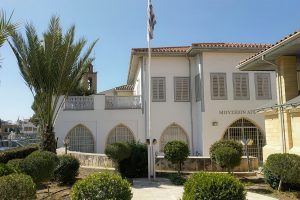
The Museum of National Struggle opened in 1961, just two years after the end of the liberation struggle. Former EOKA fighter Christodoulos Papachrysostomou founded the institution following a decision by the Greek Communal Chamber on January 26, 1961. The decision was published in the official newspaper of the Republic on February 23 of the same year. The museum's establishment aimed to spread awareness of the freedom fight, honor fallen fighters, preserve memories for future generations, and collect materials for historical documentation. The museum initially operated from different premises before moving to its current purpose-built facility near the Holy Archbishopric of Cyprus in central Nicosia. The new building was inaugurated on April 30, 2001, with funding provided by the Holy Archbishopric of Cyprus and the Ministry of Education and Culture. The modern facility transformed the museum from a simple archive into a historical and scientific center equipped with new technologies and visual aids. Historical Background The National Organization of Cypriot Fighters, known as EOKA from its Greek initials, was founded on March 07, 1953, by Colonel Georgios Grivas, a Greek Army officer. Grivas had arrived in Cyprus on November 10, 1954, to prepare for the insurgency. The organization received support from Archbishop Makarios III, the Orthodox Archbishop of Cyprus, who had vowed upon his elevation in 1950 not to rest until…
Read more